










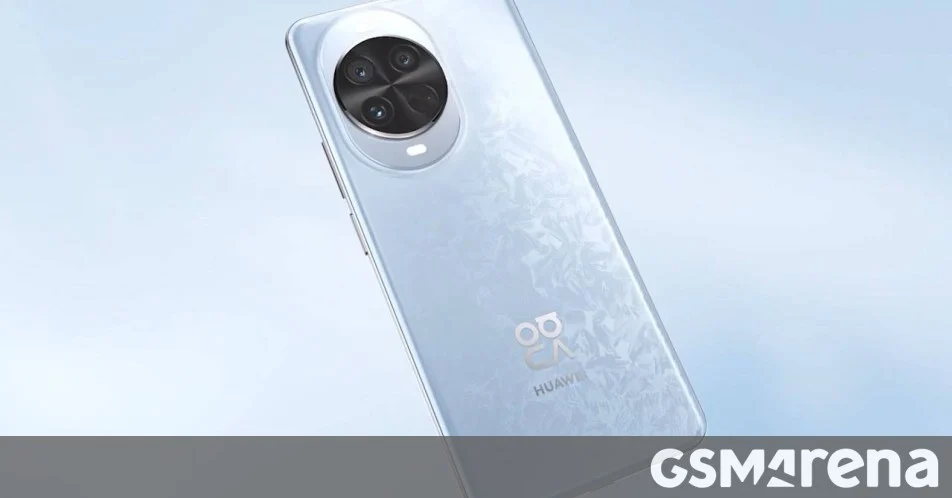
SHENZHEN — In the ever-shifting landscape of the global consumer electronics market, few companies have undergone as dramatic a transformation as Huawei Technologies. Following crippling United States trade restrictions implemented years ago, the tech giant was forced to completely re-engineer its smartphone strategy, parting ways with Google’s Android ecosystem and pivoting toward proprietary software and hardware. Now, industry insiders indicate that Huawei is preparing to revisit the exact playbook that once propelled its market dominance: the creation of a dedicated, youth-oriented sub-brand.
According to prominent leaks originating from industry tipster Dingjiao Digital and subsequently amplified by Chinese technology media outlet CNMO, Huawei is gearing up to launch a brand-new sub-brand tentatively titled Xingmang (星芒), which translates to "Starlight" in English. While the brand is expected to debut in the Chinese domestic market as early as later this month, questions remain regarding its international rollout and localized branding strategy should it cross overseas borders.
This strategic maneuver signals a significant evolution in Huawei’s product deployment, hinting at a desire to reclaim the competitive mid-range space it once dominated through its former subsidiary, Honor.
Main Facts
The impending launch of the Xingmang ecosystem introduces several key hardware and software pillars that differentiate it from Huawei’s flagship lines:
- Target Market and Positioning: The Xingmang brand will primarily target the highly competitive mid-range smartphone segment. Rather than competing with ultra-premium flagships, these devices will focus on delivering core Huawei innovations at a more accessible price point.
- Silicon Strategy: According to leaks, Xingmang devices will be powered by Huawei’s in-house Kirin 8-series chipsets, demonstrating the company’s continued resilience and self-reliance in semiconductor design despite ongoing supply chain restrictions.
- Software Ecosystem: Starlight phones will run natively on HarmonyOS. Because Huawei remains on the United States Department of Commerce’s Entity List, it lacks access to Google Mobile Services (GMS), relying instead on its proprietary operating system and the OpenHarmony/AOSP framework.
- Feature Set and Imaging: To hit targeted price points, premium luxury features—such as hardware-based satellite connectivity—will be omitted. However, the brand will retain XMAGE, Huawei’s acclaimed in-house imaging and computational photography technology, which replaced the company’s previous partnership with Leica.
- Beyond Smartphones: Reports suggest that "Xingmang" may not be limited to mobile phones. The branding could potentially stretch across an entire ecosystem of companion devices and smart hardware, mirroring Huawei’s broader interconnected device philosophy.
Chronology: The Evolution of Huawei’s Brand Architecture
To understand the strategic significance of the Xingmang launch, it is necessary to examine how Huawei’s portfolio management has evolved over the past decade and a half under intense geopolitical pressure.
Phase 1: The Birth of Honor (2011–2020)
Long before it became an independent titan, "Honor" began life as a single smartphone model—the dual-core Huawei Honor launched in 2011. Recognizing the rising popularity of online-first, youth-centric smartphone brands popularized by competitors like Xiaomi, Huawei spun Honor into a distinct sub-brand in 2013.
The strategy was an unmitigated success. Honor allowed Huawei to experiment with aggressive pricing, youthful marketing campaigns, and online-exclusive distribution channels without diluting the premium equity of the core Huawei brand, which housed the flagship Mate and P (now Pura) series. For years, the dual-brand strategy allowed Huawei to capture massive market share both in China and internationally.
Phase 2: The US Trade Sanctions and the Great Split (2019–2020)
Everything changed when geopolitical tensions boiled over. In 2019, the US government placed Huawei on its Entity List, effectively barring American companies—including Google and Qualcomm—from doing business with the tech giant.
While Huawei initially scrambled to adapt, the restrictions made it impossible to ship new smartphones with pre-installed Google Mobile Services (GMS) outside of China, devastating its international smartphone sales. To save Honor from the same fate, Huawei orchestrated a historic divestment in late 2020. The company sold Honor entirely to a consortium of over 30 Chinese agents and dealers known as Shenzhen Zhixin New Information Technology Co.
This corporate separation successfully unshackled Honor. Freed from US trade bans, Honor immediately resumed sourcing Qualcomm Snapdragon and MediaTek processors and re-established full access to Google’s Android ecosystem, allowing it to roar back onto the global stage.
Phase 3: The Post-Honor Vacuum and HarmonyOS Pivot (2021–2024)
With Honor gone, Huawei was left with a structural void in its product lineup. The core Huawei brand bore the sole responsibility of carrying everything from ultra-luxury foldables and flagship camera beasts down to mid-range devices like the nova series and entry-level Enjoy models.
Simultaneously, Huawei poured billions into developing HarmonyOS—severing its reliance on Android entirely within China—and successfully resurrected its domestic semiconductor capabilities via the Kirin silicon line (highlighted by the surprise launch of the Kirin 9000s in the Mate 60 series).
Phase 4: The Introduction of Xingmang (Late 2024 and Beyond)
Having stabilized its flagship operations and successfully migrated millions of Chinese consumers to native HarmonyOS builds, Huawei has recognized that a single master brand cannot efficiently capture every tier of the consumer market. By introducing Xingmang, Huawei is effectively recreating its historical sub-brand formula—this time entirely built on independent, domestic pillars (HarmonyOS and Kirin silicon).
Supporting Data & Market Analysis
The timing of the Xingmang rollout correlates directly with shifting dynamics in the Chinese smartphone market. Industry data shows a fierce domestic battle for market share between local heavyweights like Vivo, Oppo, Xiaomi, Honor, and Apple.
- The Mid-Range Battleground: The Chinese mid-range segment (typically priced between 2,000 and 4,000 yuan, or roughly $280 to $560 USD) represents the highest volume sales tier. While Huawei’s nova series has traditionally filled this space, the introduction of a dedicated sub-brand like Xingmang allows for more aggressive, targeted youth marketing and distinct retail identities.
- Kirin 8-Series Viability: The inclusion of Kirin 8-series chips indicates that Huawei’s domestic semiconductor manufacturing partners (such as SMIC) have sufficiently matured their production yields to support high-volume mid-range devices, moving past the extreme scarcity that plagued early post-sanction years.
- The XMAGE Advantage: Computational photography remains the primary battleground for consumer loyalty. By filtering XMAGE technology down into the Xingmang lineup, Huawei ensures that its mid-range devices retain a formidable competitive edge against rivals relying purely on stock sensor hardware.
Official Responses and Industry Reception
As is customary for early-stage leaks involving major original equipment manufacturers (OEMs), Huawei has not yet issued an official press release or public confirmation regarding the "Xingmang" trademark or upcoming launch event. However, supply chain analysts and tech commentators in Shenzhen have widely buzzed about the implications of the leak.
Independent industry analysts note that creating a new sub-brand allows Huawei to manage consumer expectations more effectively.
- "When consumers buy a Mate or a Pura device, they expect absolute bleeding-edge technology, aerospace-grade materials, satellite communication, and top-tier pricing," noted one Beijing-based technology consultant who spoke on condition of anonymity. "A sub-brand like Xingmang lets Huawei build approachable, vibrant, performance-focused hardware for a younger demographic without watering down the ultra-premium prestige of the main Huawei name."
Furthermore, social media reactions on platforms like Weibo have been largely enthusiastic. Netizens have debated potential international names for the brand, drawing parallels to how "Honor" was translated as "Glory" in early machine-translated documentation. Given that "Starlight" carries positive, energetic connotations, branding experts believe it could easily translate well into global markets should Huawei eventually seek international distribution.
Strategic Implications
The impending debut of the Xingmang brand carries profound implications for both Huawei’s corporate strategy and the broader mobile industry:
1. Replicating the Dual-Brand Synergy
By spinning up a distinct operational identity for its mid-range offerings, Huawei can streamline its marketing messages. The primary Huawei brand can focus entirely on enterprise dominance, foldables, premium imaging flagships, and automotive solutions (Harmony Intelligent Mobility Alliance). Meanwhile, Xingmang can take over the cultural zeitgeist of student markets, online flash sales, and trend-driven design aesthetics.
2. A Total Insulation from US Sanctions
Unlike Honor, which had to be sold off to survive Western trade restrictions, Xingmang is being built from the ground up to operate entirely within Huawei’s self-sufficient ecosystem. Running on HarmonyOS and powered by domestic Kirin silicon, Xingmang represents a fully localized product line that is completely immune to shifting geopolitical winds in Washington or Brussels.
3. Pressure on Competitors
The re-emergence of a dedicated Huawei sub-brand poses a direct threat to competitors who capitalized on Huawei’s temporary retreat from the mid-tier market. Brands like Honor, Redmi (Xiaomi), and Realme will likely face intensified competition in the domestic volume sector as Huawei unleashes a fresh wave of aggressively priced, Kirin-powered hardware equipped with high-end XMAGE imaging capabilities.
Conclusion
As the expected launch window approaches later this month, all eyes will be on Shenzhen to see how Huawei officially introduces Xingmang to the public. Whether it succeeds in capturing the lightning-in-a-bottle magic of the original Honor era remains to be seen, but one thing is certain: Huawei’s domestic renaissance is entering its next aggressive phase of expansion.



