










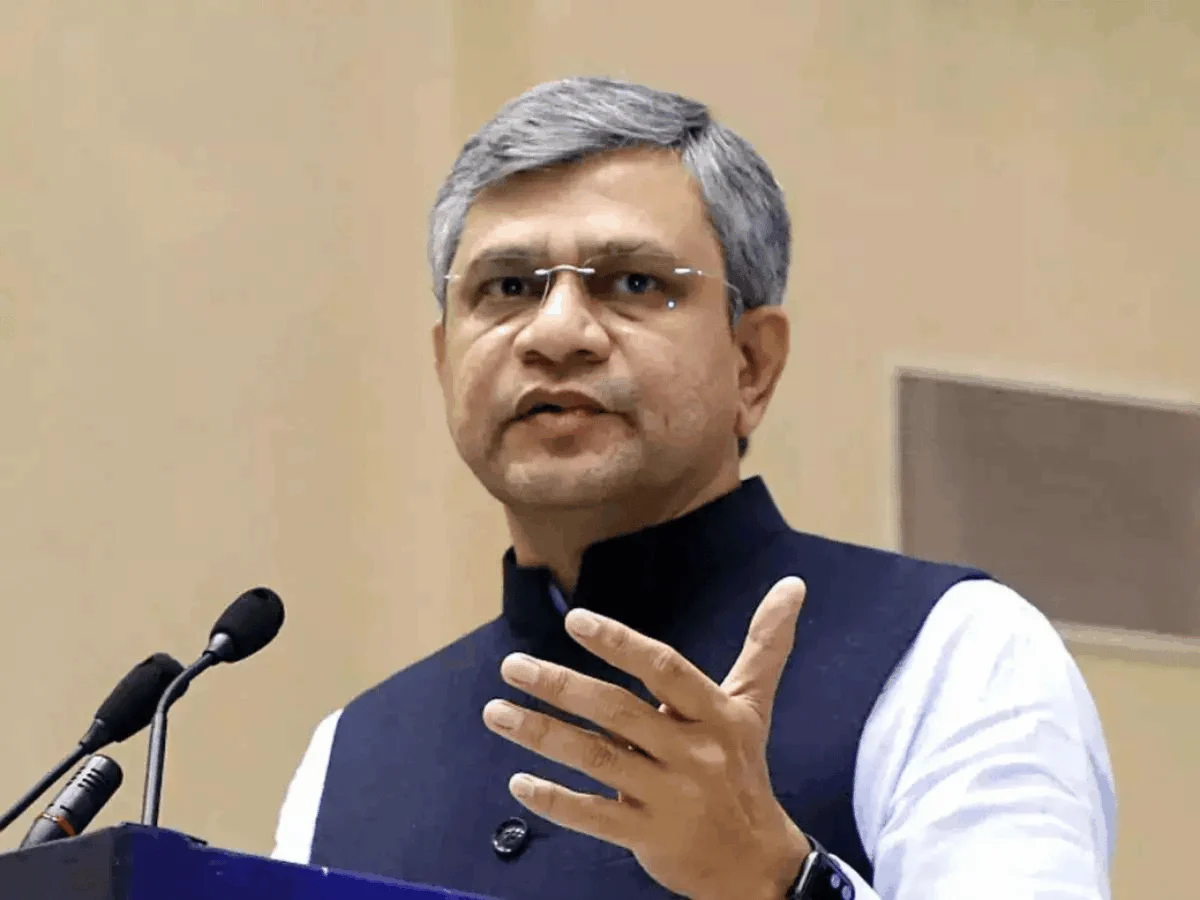
New Delhi – In a move that signals a pivotal shift in India’s digital governance, the Union government has announced plans to unveil a comprehensive consultation paper on Artificial Intelligence (AI) regulation within the next month. The move, confirmed by Union Minister for Electronics and Information Technology, Ashwini Vaishnaw, marks the beginning of a formal, structural approach to managing the risks and rewards of one of the most transformative technologies in human history.
As AI models grow increasingly sophisticated, the government’s forthcoming regulatory blueprint aims to balance innovation with public safety. By shifting toward a "techno-legal" framework, India is positioning itself to lead the global discourse on how to govern emerging technologies that evolve faster than traditional legislation can follow.
The Core Mandate: Safety, Ethics, and Inclusion
The proposed consultation paper serves as the foundational bedrock for India’s AI policy. Minister Vaishnaw, speaking at the release of the World Bank’s World Development Report: The Promise of Artificial Intelligence, underscored that the timing is critical.
The regulatory focus is anchored in three primary pillars:
- AI Safety and Security: Ensuring that AI systems are resilient, predictable, and protected against malicious exploitation.
- Mitigating Harms: Specifically addressing the proliferation of deepfakes, misinformation, and AI-morphed content that threatens to destabilize social cohesion.
- Inclusive Skilling: A proactive strategy to ensure the AI revolution does not exacerbate the digital divide, ensuring that every demographic—from urban tech hubs to rural sectors—is equipped to participate in the AI-driven economy.
The Deepfake Epidemic: A Societal Threat
A significant driver behind this accelerated regulatory timeline is the "deepfake epidemic." Minister Vaishnaw did not mince words, describing AI-morphed content as a "nuisance" that carries the potential to cause "huge problems in society."
Beyond simple misinformation, the government is concerned with how deepfakes establish dangerous precedents, creating false narratives that can mislead the public, disrupt democratic processes, and cause irreparable reputational damage. With the quality of synthetic media improving exponentially, the Minister highlighted that the government views this as a high-priority threat vector.
The Ministry of Electronics and Information Technology (MeitY) has already signaled its intent to tighten compliance, having previously proposed amendments to the IT Act that would mandate online platforms to clearly label all AI-generated content as "synthetically generated information."
A Techno-Legal Philosophy: Industry at the Helm
Perhaps the most significant aspect of the government’s stance is the rejection of a "legislation-only" approach. Minister Vaishnaw articulated a "techno-legal" strategy, arguing that the rapid pace of AI development renders traditional, rigid laws ineffective.
Instead, the government intends to act as a facilitator, placing the "primary responsibility" for safety on industry stakeholders. This includes:
- Cybersecurity Accountability: Platforms and AI developers are expected to implement guardrails at the development stage.
- User Harm Mitigation: Addressing issues like psychological disorders linked to algorithmic interactions and platform misuse.
- Proactive Compliance: The industry is expected to take the lead in identifying and neutralizing potential risks before they reach the public sphere.
This collaborative model implies that while the government will set the regulatory boundaries, the technical implementation—the "how"—will be a shared responsibility with the private sector.
Chronology of India’s AI Governance Evolution
India’s journey toward an AI-specific framework has been marked by a transition from broad guidelines to specific, actionable oversight.
- Pre-2023: Initial discussions centered on the potential of AI, with minimal focus on regulation.
- Late 2023: The emergence of advanced generative AI models prompted a re-evaluation of the IT Act. Minister Vaishnaw noted publicly that the current IT Act—a product of the early internet era—was becoming "obsolete" for the AI age.
- Early 2024: Following a series of high-profile incidents involving deepfakes and the viral spread of illicit content on major platforms, the government intensified its scrutiny of "Big Tech."
- Mid-2024: The government summoned major platforms like Meta and Google following investigations into the promotion of child sexual abuse material (CSAM) via AI-powered ad-targeting systems.
- Present Day: The announcement of the upcoming consultation paper signifies the formalization of these efforts into a cohesive regulatory framework.
Implications of the Shift: The "Big Tech" Reckoning
The government’s push for regulation comes against a backdrop of increasing friction between the state and global technology giants. The recent controversy surrounding Meta’s platforms—where investigations, including one by the BBC, revealed that Instagram ads were directing users to Telegram channels selling CSAM—brought the issue of platform accountability to a boiling point.
The subsequent intervention by the National Commission for Protection of Child Rights (NCPCR) and MeitY forced a change in stance from both Meta and Google. Both giants have now agreed to report instances of child abuse to Indian law enforcement, a concession that highlights the government’s willingness to use its regulatory weight to enforce safety protocols.
Implications for the Tech Ecosystem:
- Increased Compliance Costs: Startups and enterprises alike will need to allocate significant resources toward "AI Ethics" and safety audits.
- Liability Shifts: If the industry is to take "primary responsibility," legal liability for AI-generated harms may shift away from the "intermediary" protection models that characterized the early web.
- Standardization: The consultation paper will likely lead to national standards for AI transparency, which could serve as a model for other Global South nations.
Global Context and Future Outlook
India is not acting in a vacuum. The World Bank’s report, The Promise of Artificial Intelligence, highlights that while AI could contribute trillions to the global economy, it also risks deepening inequality if left unregulated. India’s decision to engage in a public consultation process aligns with the global trend seen in the European Union’s AI Act and the United States’ Executive Order on AI.
However, India’s approach remains uniquely "techno-legal." By focusing on the intersection of human rights, national security, and industrial capability, the government is attempting to foster an environment where AI can flourish without compromising the safety of its 1.4 billion citizens.
As the consultation paper prepares for release, the tech industry, civil society, and legal experts are bracing for a period of intense debate. The final framework will likely determine India’s trajectory as an AI-first nation, setting the tone for whether the country will become a pioneer in ethical AI governance or a cautionary tale of over-regulation.
Conclusion: The Road Ahead
The next thirty days will be critical for India’s digital future. The forthcoming consultation paper is expected to move beyond rhetoric, offering concrete mechanisms for how AI systems will be audited, how synthetic media will be tagged, and how the responsibility for AI-driven harm will be distributed.
Minister Vaishnaw’s vision—that the industry must be the primary guardian of AI safety—is a bold experiment in governance. If successful, it could provide a roadmap for other nations struggling to tame the "black box" of modern AI. If it fails, the government may be forced to move toward more draconian measures that could stifle the very innovation it seeks to promote. For now, the eyes of the global tech community remain fixed on New Delhi, waiting to see how the world’s most populous nation defines the boundaries of the machine age.



