










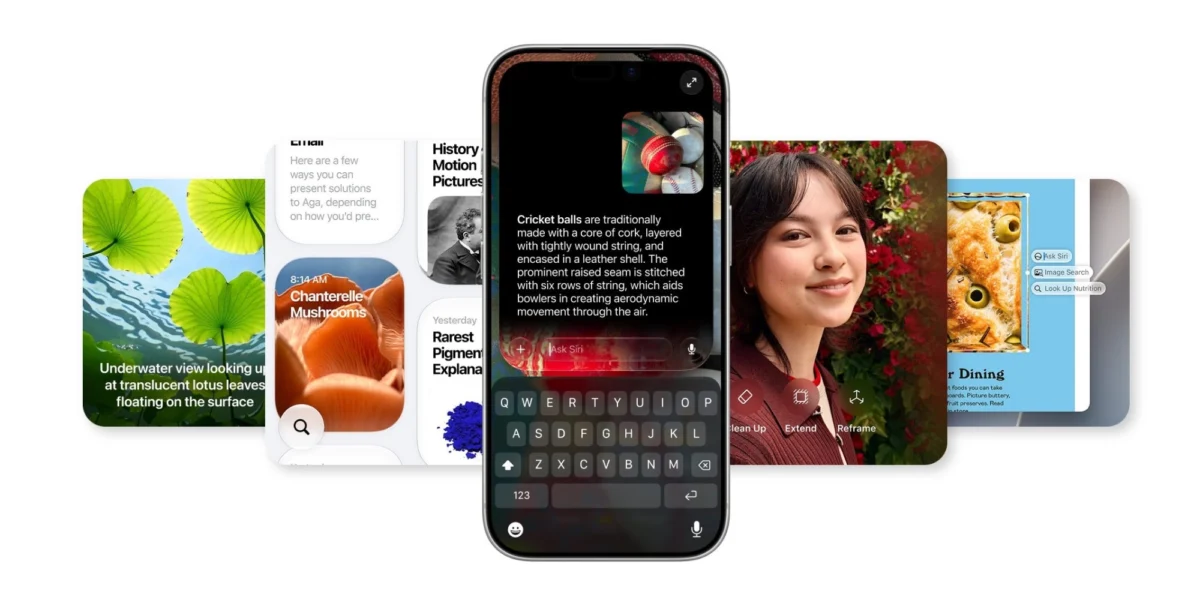
The release of iOS 27 marks a monumental shift in the iPhone operating system, driven largely by the most ambitious evolution of Apple Intelligence to date. Moving far beyond the foundational tools introduced in earlier software cycles, Apple has completely rearchitected its ecosystem for the Large Language Model (LLM) era.
From a deeply conversational and context-aware Siri to pervasive, system-wide automation and smarter native applications, iOS 27 redefines what users can expect from their mobile devices. This report breaks down the core facts, chronological development, supporting data, official perspectives, and the broader industry implications of Apple’s latest software flagship.
Main Facts: What’s New in iOS 27?
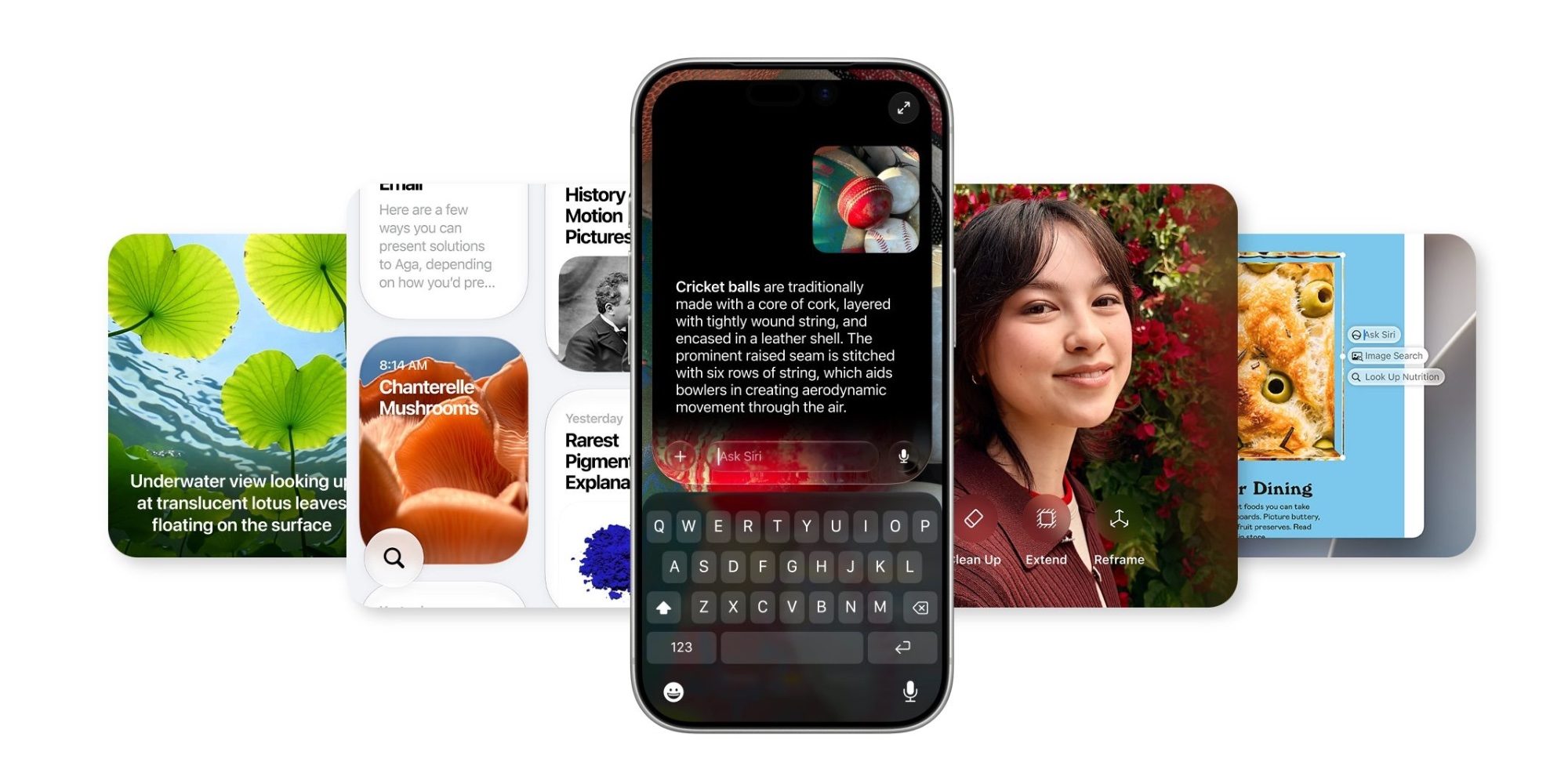
At the heart of iOS 27 lies a reimagined suite of AI capabilities designed to balance profound utility with uncompromising privacy. The update introduces over 20 distinct Apple Intelligence enhancements categorized primarily into three pillars: the overhauled Siri AI, application-specific upgrades, and system-wide intelligence utilities.

1. The Siri AI Overhaul
For years, users have anticipated a truly intelligent, conversational digital assistant capable of handling complex, multi-intent requests. iOS 27 delivers this through a ground-up reconstruction of Siri:
- Advanced Conversational Context: Siri now retains context across lengthy, disjointed conversations, allowing users to reference previous queries naturally without repeating background information.
- On-Screen Awareness: The assistant can see and understand what is currently displayed on the user’s screen, enabling commands like "Send this address to mom" or "Add the items in this photo to my shopping list" instantly.
- Deep App Intent Integration: Siri can execute granular, multi-step actions inside both native and third-party applications, shifting from a simple web-search and basic device-control tool into a true digital operator.
2. Native Apps with Advanced Intelligence
Apple has deeply embedded its next-gen LLMs into daily-driver applications to streamline workflows, enhance creativity, and automate organization:
- Mail and Messages: Intelligent summarization goes beyond thread catch-ups, proactively prioritizing urgent messages based on user behavior and generating tone-adjusted drafts.
- Notes and Writing Tools: Advanced proofreading, rewriting, and structured summarization are now natively supported across text fields, making long-form content generation seamless.
- Photos and Media: Enhanced semantic search capabilities allow users to find specific video frames or photo moments using conversational descriptions, alongside advanced generative editing tools.
3. System-Wide AI Features
Operating system utilities now function with proactive awareness:

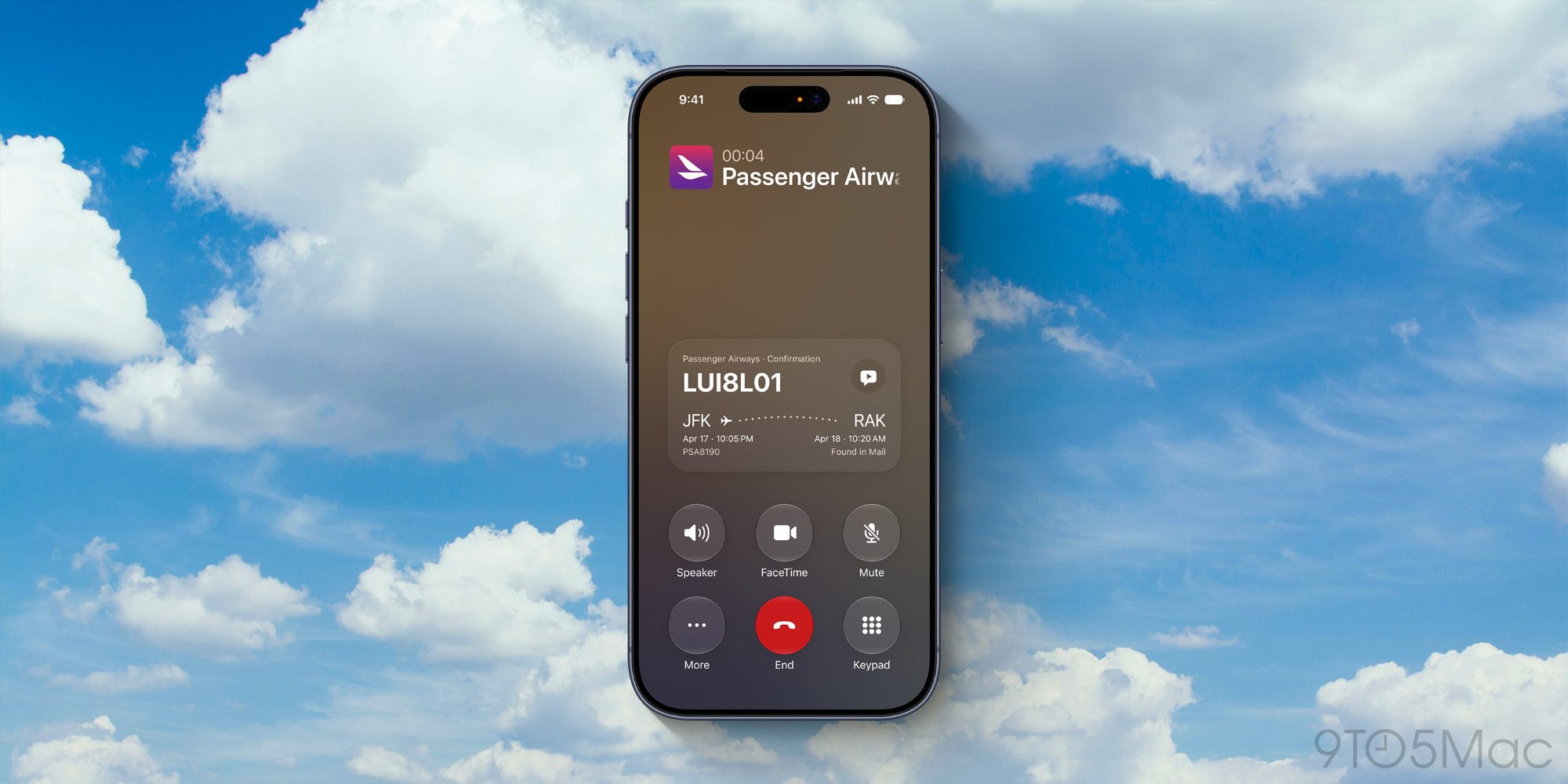
- Contextual Phone and Communication Tools: Real-time call screening and intelligent context pairing (such as automatically cross-referencing flight confirmation numbers during an active call) reduce manual friction.
- Adaptive Power and Performance Management: On-device models dynamically optimize hardware resource allocation based on predictive usage patterns, improving overall battery longevity.
Chronology: The Road to iOS 27
To understand the magnitude of iOS 27, it is essential to trace how Apple arrived at this milestone:
- The Foundation (WWDC 2024): Apple first formally announced "Apple Intelligence," establishing its privacy-first hybrid approach utilizing on-device processing alongside Private Cloud Compute. At this stage, features were rolled out incrementally, serving as an initial proof-of-concept for generative AI on mobile devices.
- The Expansion Phase (2025): Throughout subsequent software iterations, Apple expanded language support, improved hardware compatibility, and began laying the groundwork for third-party developer integration via updated APIs.
- The Architecture Leap (WWDC 2026): Apple previewed iOS 27, signaling a total rewrite of core system frameworks. Instead of bolting AI features onto legacy architecture, engineers designed iOS 27 natively around local and cloud-backed LLMs.
- The Official Release (September 2026): iOS 27 officially rolls out to compatible iPhone models, accompanied by specialized hardware accessories and expanded refurbished device programs to help consumers access supported hardware.
Supporting Data & Ecosystem Integration
The deployment of iOS 27 relies heavily on advanced hardware capabilities and robust developer ecosystems.
- Hardware Demands: Due to the complexity of the next-generation neural engines required to run iOS 27’s advanced local models, these features are optimized for the latest flagship devices—such as the iPhone 18 Pro series—while scaling efficiently through Apple’s Private Cloud Compute infrastructure for heavier computational tasks.
- Developer Adoption: Early metrics from the developer beta cycle indicate a surge in third-party app integrations. By leveraging expanded Apple Intelligence APIs, developers have updated navigation, productivity, and media apps to accept direct Siri actions and system-level summarization.
- Access and Affordability: Recognizing that cutting-edge software often drives hardware upgrade cycles, Apple and its retail partners have simultaneously expanded certified refurbished iPhone availability (often paired with promotional discounts) alongside dedicated ecosystem accessories like next-generation charging pads and protective cases.
Official Responses and Perspectives
Apple executives have consistently framed Apple Intelligence not merely as a feature set, but as a fundamental paradigm shift for personal computing.
During the primary keynote presentations leading up to the release, engineering leads emphasized that iOS 27 achieves unprecedented capabilities without sacrificing user confidentiality. By utilizing a combination of powerful on-device processing and silicon-secured Private Cloud Compute, Apple maintains that user data remains strictly private—never stored or accessible to third parties.
Industry analysts have noted that while competitors like Google and OpenAI have pushed aggressive, cloud-heavy AI integration, Apple’s methodical, privacy-centric, and deeply integrated hardware-software approach positions iOS 27 as a benchmark for consumer trust and practical utility.
Implications for the Tech Industry
The launch of iOS 27 carries far-reaching implications for software developers, hardware manufacturers, and consumers alike:
1. The Death of the Traditional App Silo
With Siri’s deep on-screen awareness and cross-app intent execution, the traditional paradigm of manually opening discrete apps to complete simple tasks is fading. Users interact increasingly with an ambient, unified layer of intelligence. This forces developers to focus less on standalone app UI engagement and more on how seamlessly their backend services integrate with system-level AI frameworks.
2. Privacy as a Competitive Differentiator
As consumer anxiety regarding data harvesting and training practices mounts, Apple’s strict adherence to on-device processing and verifiable Private Cloud Compute sets a high standard. iOS 27 proves that advanced generative AI can be delivered without compromising personal data integrity, putting pressure on rival platforms to match these privacy guarantees.
3. Accelerated Hardware Refresh Cycles
The expansive utility of iOS 27 acts as a powerful catalyst for hardware upgrades. Consumers utilizing older iPhone generations lacking the necessary Neural Engine horsepower face a stark choice: miss out on the next era of personal computing or upgrade to supported devices—a dynamic supported by Apple’s trade-in and refurbished ecosystem initiatives.

Conclusion
iOS 27 is much more than a routine annual software update. By weaving next-generation Apple Intelligence into the very fabric of the operating system, Apple has transformed the iPhone from a smart communication tool into a truly proactive, context-aware digital companion. As developers adapt and users explore these 20+ new capabilities, iOS 27 sets the stage for the next decade of personal technology.



