










In the modern digital economy, relying on a single traffic source or lead generation channel is akin to building a house on a single pillar. Algorithm changes, shifting user habits, and platform monetization updates can instantly upend a solo business. To build a resilient media and service-based business, savvy entrepreneurs are increasingly turning to multi-platform ecosystems where free content, direct email lists, professional networks, and video channels work in harmonious synchronization.
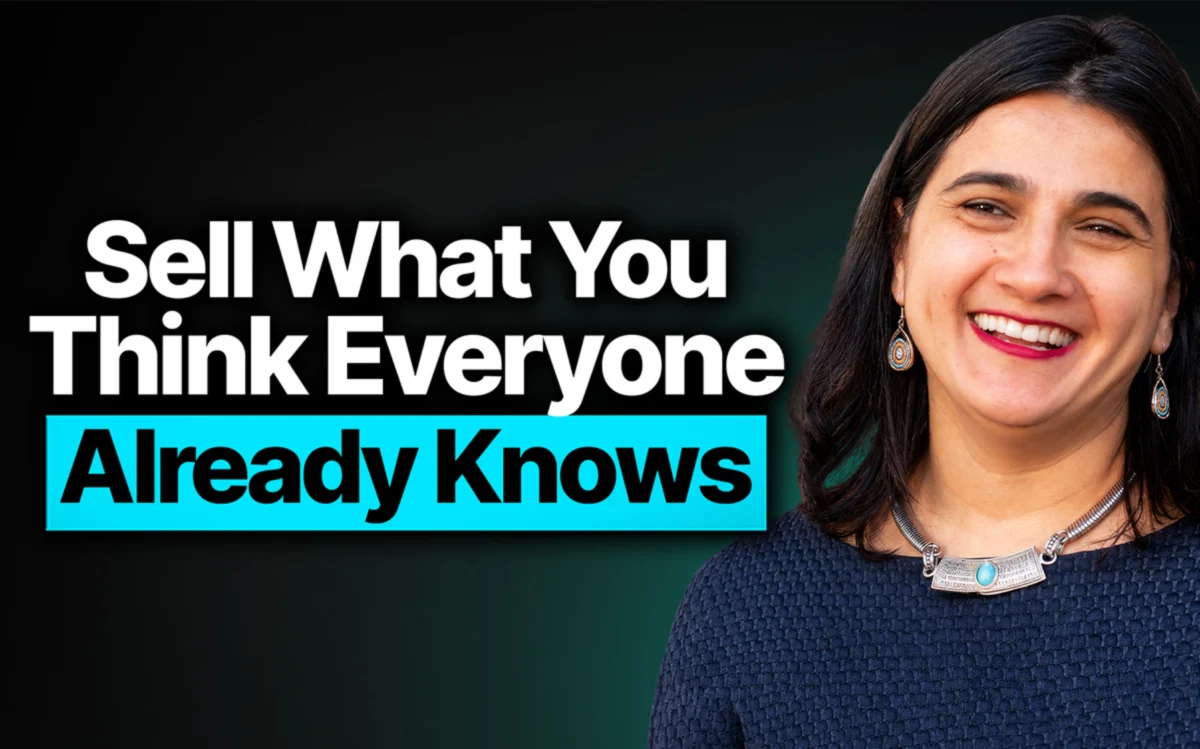
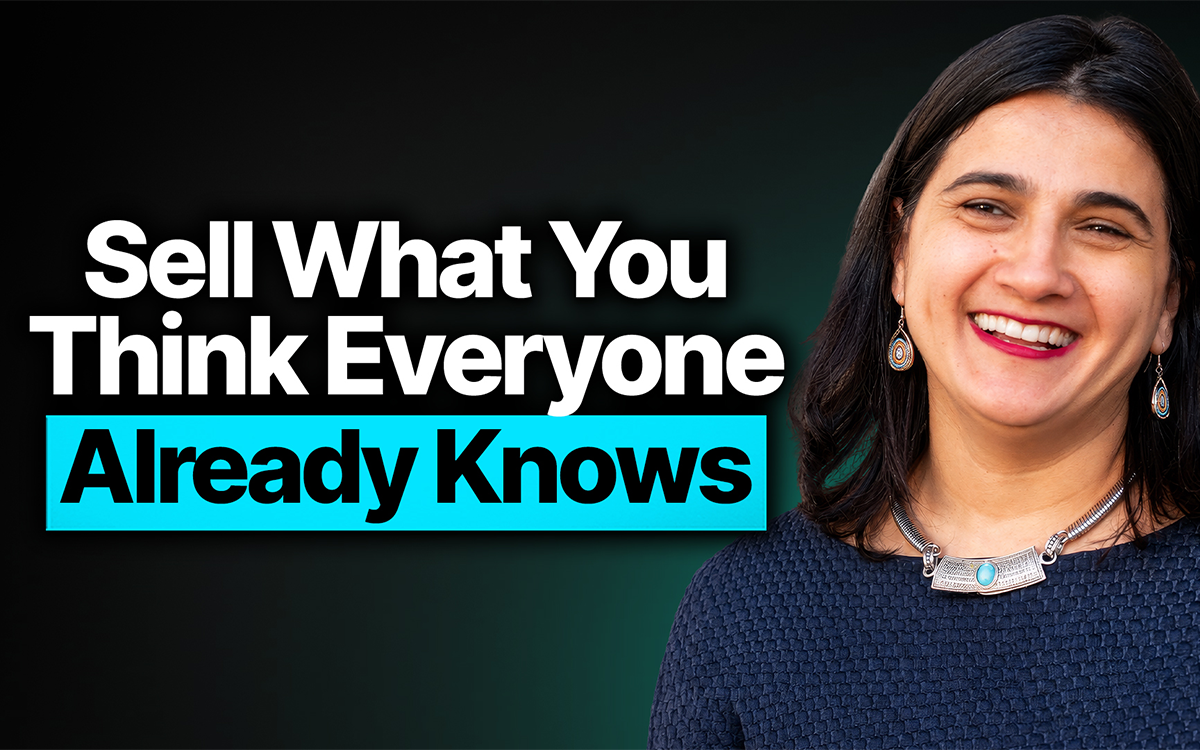
On a recent episode of the Niche Pursuits podcast, veteran journalist and media entrepreneur Natasha Tynes sat down to unpack how she leverages her 25 years of writing and journalism experience to run a thriving multi-channel lead generation machine. Built around a core audience of roughly 3,000 organic email subscribers, Tynes’ strategy demonstrates how creators and service providers can scale high-ticket offerings without leaning on paid advertising.
Main Facts: The Anatomy of a Multi-Platform Funnel
At its core, Natasha Tynes’ business model marries traditional journalism standards with modern digital marketing funnels. Rather than siloed platforms operating in a vacuum, her digital footprint is designed to let prospective high-ticket coaching, ghostwriting, and media clients enter her world from multiple entry points.
Key structural components of the system include:
- Substack: The foundational engine for building a direct-to-reader email relationship, utilizing a strategic blend of free and paid options.
- LinkedIn: The high-priority networking hub utilized for direct professional discovery and short-cycle conversions.
- YouTube: A top-of-funnel discovery tool that allows potential clients to experience Tynes’ communication style and depth of expertise via video.
- Paid Communities: An emerging engagement layer designed to offer deeper interaction for committed followers before they graduate to custom individual services.
- Service Pipeline: High-ticket offerings in ghostwriting, publishing consulting, and media coaching that convert warmed-up leads into lucrative client relationships.
Chronology and Evolution: From Traditional Journalism to Digital Entrepreneurship
To understand how Tynes constructed her current system, one must look at the evolution of her career trajectory.
Phase One: Building the Foundation (The Journalism Years)
Spanning roughly two and a half decades, Tynes built an extensive background in traditional journalism, writing, and global media. This foundational era provided her with an acute understanding of how to capture attention, research complex topics, package narratives, and deliver high-value content consistently.
Phase Two: Embracing the Creator Economy
As digital publishing matured, Tynes transitioned her traditional writing skills into the independent creator space. Recognizing that traditional publishing models often limit an author’s earning potential and audience ownership, she began exploring direct-to-audience platforms. She adopted Substack to own her subscriber list and began experimenting with social channels like LinkedIn to syndicate her thoughts directly to a professional demographic.
Phase Three: Systematic Integration and Expansion
Rather than treating platforms as separate projects, Tynes systematically connected them. YouTube was integrated to capture search traffic and video consumers, while LinkedIn served as an active networking pipeline. Simultaneously, she utilized her organic email list—growing steadily to approximately 3,000 subscribers without a single dollar spent on paid ad acquisition—as the nurture engine for her high-ticket services. Today, her framework represents a mature, integrated content-to-revenue funnel.
Supporting Data and Strategic Breakdown
While an email list of 3,000 subscribers may sound modest compared to mass-market consumer newsletters, Tynes’ business model proves that audience intent vastly outweighs raw audience size.
1. The Power of Organic Growth
Tynes achieved her ~3,000-subscriber milestone entirely through organic cross-pollination. By publishing insights on LinkedIn, recording videos on YouTube, and writing deep-dive essays on Substack, she attracts self-selected leads who already value her perspective. This eliminates wasted ad spend and brings in prospective clients who are primed to buy.
2. Free vs. Paid Content Strategy on Substack
A critical element of Tynes’ Substack architecture is maintaining both free and paid subscription tiers.
- The Free Tier: Acts as a wide net, giving casual followers a low-commitment entry point into her ecosystem. It familiarizes them with her voice, authority, and editorial standards.
- The Paid Tier: Provides a secondary monetization stream while serving the most committed members of her audience who desire deeper access to her work, without immediately forcing them into expensive one-on-one professional services.
3. The Multi-Touch Attribution Reality
In service businesses, a client rarely signs a contract upon seeing a single piece of content. Tynes notes that a prospective client might read her Substack essays for months, watch a YouTube video, interact with a LinkedIn post, and only then reach out for a consultation. This multi-touch journey builds cumulative trust, making the final sales conversation much smoother and shorter.
Official Insights and Platform Prioritization
During the podcast conversation, a compelling question arose: If an entrepreneur has to choose among multiple channels, do they need to be everywhere? Furthermore, if Tynes were forced to strip away her entire content apparatus and keep only a single marketing channel, which one would survive?
Her answer was definitive: LinkedIn.
Why LinkedIn Ranks Supreme
While Substack provides deeper relationship-building and YouTube offers broad visual discovery, LinkedIn provides the shortest distance between content consumption and a business conversation. For a high-ticket service provider, LinkedIn combines:
- Immediate professional context.
- Direct messaging capabilities that bridge the gap between public post and private inquiry.
- An active pool of decision-makers, executives, and professionals who explicitly have a budget and a need for writing, journalism, and media expertise.
Quality Over Quantity of Scale
Tynes’ philosophy underscores a vital lesson for digital entrepreneurs: audience size metrics (like follower counts or raw view numbers) can be vanity metrics if they do not map to revenue. For service providers, one high-value client relationship secured through a targeted platform like LinkedIn is infinitely more valuable than thousands of passive views from users with zero purchasing intent.
Implications for Content Creators and Service Providers
The strategies dissected in the Niche Pursuits episode carry significant implications for modern freelancers, consultants, agency owners, and niche site builders looking to diversify their income streams.
1. Moving Beyond Ad-Dependent Models
Many digital publishers rely solely on programmatic display ads or affiliate commissions. While lucrative, these models leave creators vulnerable to search engine algorithm updates. Tynes’ model demonstrates how content creators can pivot their authority into a high-ticket service business, establishing a resilient revenue floor that does not depend on ad rates.
2. Crafting a Multi-Tier Commitment Ladder
Creators should design content funnels that accommodate varying levels of audience commitment:
- Stage 1 (Discovery): YouTube or LinkedIn posts catch the eye of cold prospects.
- Stage 2 (Nurture): Free Substack newsletters build long-term familiarity and trust.
- Stage 3 (Community/Mid-Tier): Paid communities or low-cost subscriptions filter out casual readers from deeply invested followers.
- Stage 4 (Conversion): High-ticket coaching, consulting, or ghostwriting services capture the highest-intent leads.
3. Intentional Platform Selection
Entrepreneurs should audit their current marketing efforts and ask hard questions about where their actual buyers spend their time. Rather than spreading themselves thin across every emerging social network, creators should identify the platform closest to revenue—much like Tynes did with LinkedIn—and master it before expanding outward.
Conclusion
Natasha Tynes’ journey from traditional journalism newsrooms to running an integrated, multi-channel lead generation ecosystem offers a masterclass in modern digital authority building. By recognizing that different channels serve different psychological and functional roles—using YouTube for discovery, Substack for nurturing, and LinkedIn for closing—she has built a sustainable business model insulated from the volatility of single-platform dependency. For any service provider looking to turn expertise into revenue, her playbook provides a clear, actionable roadmap for success.



