In the rapidly evolving landscape of B2B marketing, LinkedIn has emerged as the ultimate battleground for professional authority. However, as generative AI tools have democratized content production, the platform has faced an unprecedented deluge of "AI slop." LinkedIn is no longer a passive host; it has become an active gatekeeper, quietly waging war on automated, low-value content to preserve the integrity of its professional network.
For marketers, the shift is profound: using AI is no longer just a productivity hack—it is a high-stakes strategy that requires balancing machine efficiency with human authenticity. To survive and thrive, creators must move beyond simple prompts and adopt a sophisticated, hybrid approach to content creation.
The Crackdown: Why LinkedIn is Policing AI
LinkedIn’s recent actions signal a definitive stance: the platform aims to empower creators with AI, not replace them. Over the past few months, LinkedIn has blocked billions of automated posting attempts and hundreds of thousands of AI-generated comments.
The platform’s strategy is twofold. First, it has introduced granular feedback loops; members can now report content suspected of being “AI slop,” and LinkedIn’s analytics dashboard provides creators with insights into how their audience perceives the authenticity of their posts. Second, the platform is phasing out its “Enhance your post” feature—which often stripped content of its unique voice—in favor of tools that focus strictly on proofreading and structural refinement.
According to industry expert AJ Wilcox, this is not merely a technical glitch or a temporary policy. The reporting feature is currently functioning as a massive training mechanism for LinkedIn’s detection models. While these reports may not yet result in immediate penalties or shadow-banning, the trajectory is clear: LinkedIn is building a system that will eventually deprioritize content that fails to provide unique, human-centric value. In the current ecosystem, "AI slop" isn’t just annoying; it is increasingly invisible.
The Ideation-Expertise-Polish Model
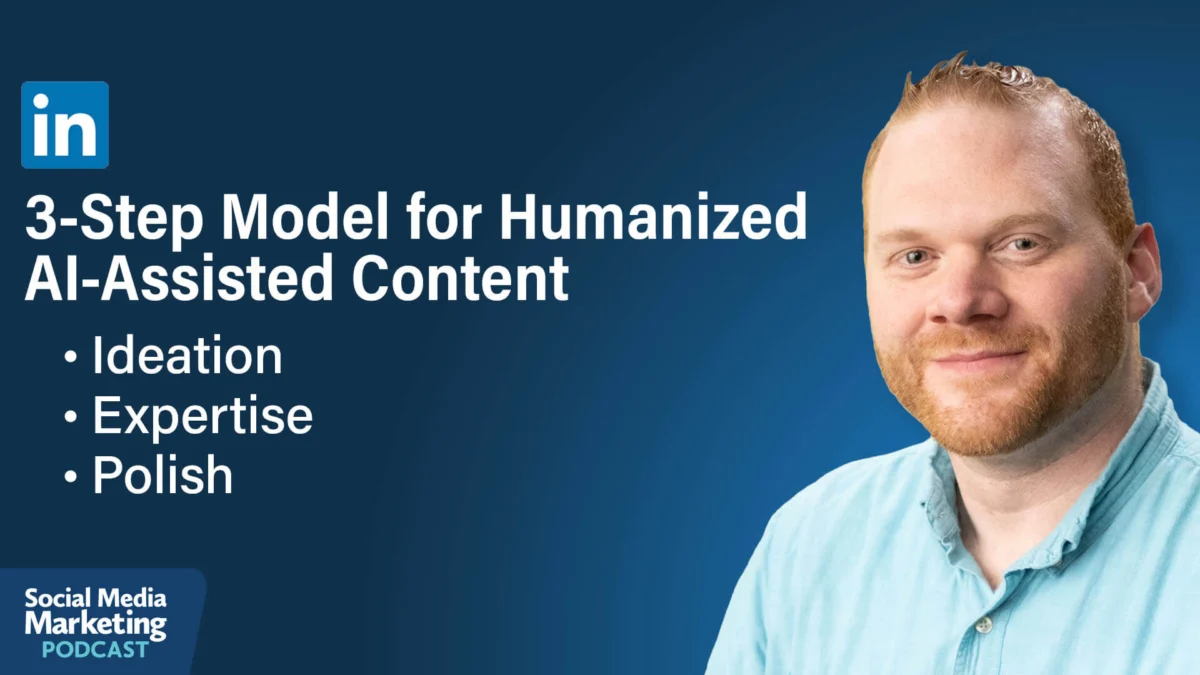
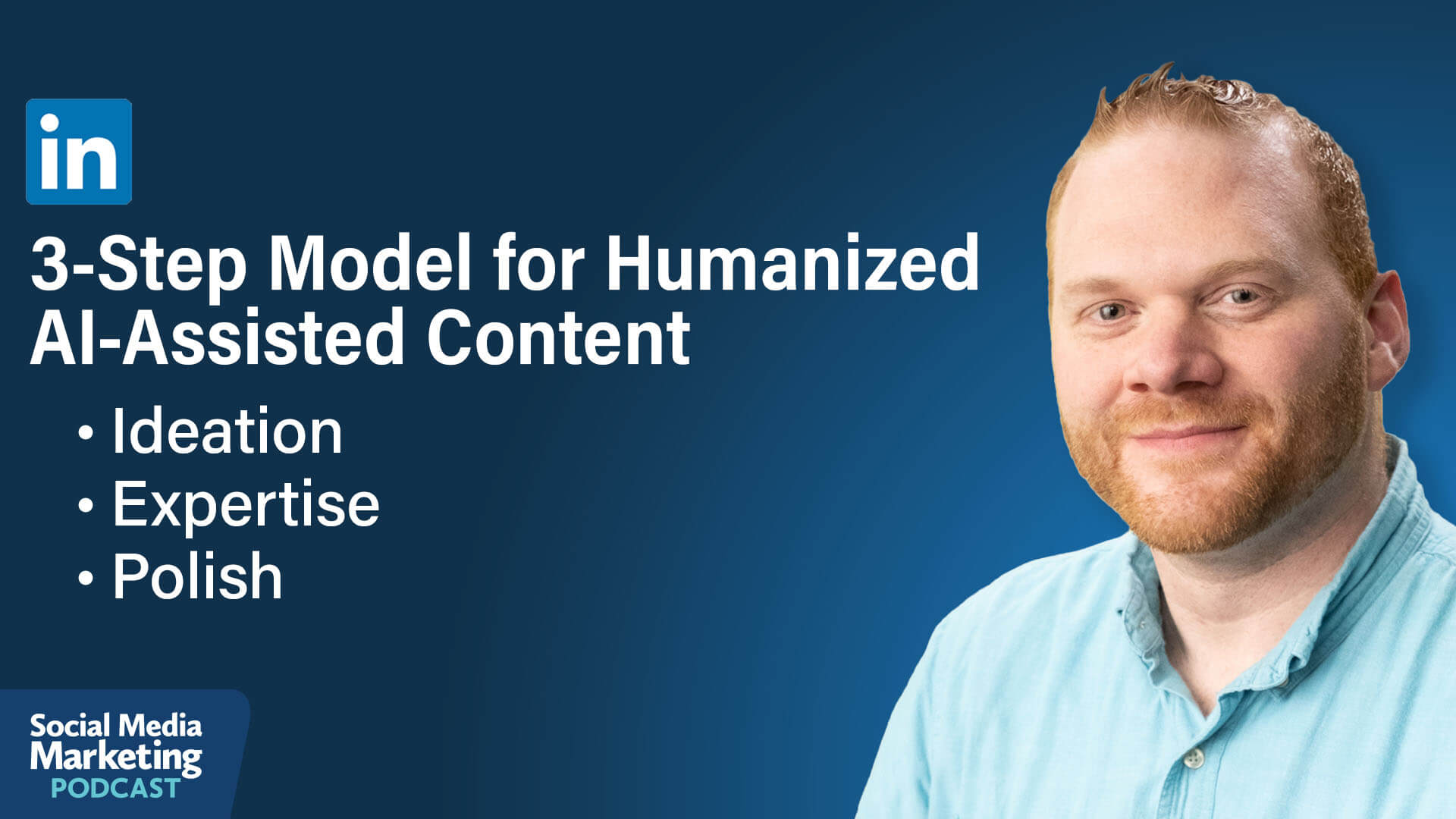
To navigate this new reality, creators must adopt a workflow that centers on the "Ideation-Expertise-Polish" model. This framework treats AI as a peripheral assistant while keeping human insight at the core.
1. Ideation: The Brainstorming Engine
AI is a powerful force multiplier for volume. Before writing a single line of copy, creators can leverage AI to generate broad lists of angles, potential frameworks, and supporting points around a core topic. This stage is about exploring the "art of the possible" rather than producing finished prose.
2. Human Expertise: The Value Anchor
The middle stage is the non-negotiable component of modern content. This is where the creator’s unique professional experience, industry-specific anecdotes, and nuanced perspectives reside. AI cannot replicate genuine experience. When a creator skips this layer, the audience senses it immediately. It is the "human middle" that defines authority and prevents content from being categorized as noise.
3. Polish: Refinement, Not Creation
Once the substance is written in the author’s own voice, AI returns to the fold as an editor. Its role here is to tighten syntax, ensure grammatical accuracy, and improve formatting for readability. By limiting AI to the editing stage, the creator ensures the final output remains authentic while benefiting from the speed of algorithmic polish.
Identifying the "AI Tells"
As the cat-and-mouse game between AI and detection algorithms escalates, certain stylistic markers have become red flags for both readers and the platform.
- Syntactic Patterns: AI models exhibit a pathological reliance on em dashes and specific, dramatic phrasings—such as "guard your mental faculties" or "this is silently killing you"—that readers have learned to associate with synthetic content.
- The Fallacy of Intentional Typos: Some creators attempt to "humanize" their content by leaving deliberate typos. This is a flawed strategy. Modern AI can easily be prompted to include mistakes, making this tactic an unreliable signal of authenticity.
- The Substance Test: The most effective defense against being flagged as "AI slop" is, paradoxically, to provide actual value. If a post shares a unique insight or solves a specific, real-world problem, it is far less likely to be perceived as spam, regardless of how polished the prose is.
Strategic Engagement: The New Growth Engine
For those looking to grow without the heavy lifting of frequent original posting, LinkedIn has pivoted toward a "comment-first" growth strategy.
LinkedIn now provides creators with visibility into comment impressions, allowing them to measure their reach on other people’s posts. Furthermore, the platform has begun surfacing comments more prominently in the feed, with "top comment for you" recommendations replacing generic, static labels. Year-over-year, time spent in comment sections has surged by 18%, making it a primary driver of platform engagement.
The Science of "Comment Density"
Not all engagement is created equal. According to internal LinkedIn discussions, the most critical metric is "comment density"—the depth and substance of a discussion thread. Shallow, performative comments like "Great post!" or "Thanks for sharing" are effectively ignored by the algorithm.
To maximize reach, creators should focus on:
- Conversational Depth: Engage with the core ideas of the post and contribute original perspectives.
- The "Question" Strategy: Use follow-on questions like "Am I wrong?" or "What am I missing?" These prompts encourage diverse contributors to join the conversation, which the algorithm favors over a prolonged, two-person back-and-forth.
- Timing: The highest-impact window for commenting is the first one to two hours after a post is published.
Leveraging AI for Multimedia and Ads
The integration of AI into LinkedIn extends beyond text. The platform’s new AI-powered live-stream tools are solving the long-standing issue of post-event discoverability. By automatically generating chapters and short-form clips, LinkedIn allows users to engage with key moments without needing to scrub through hours of footage. This is a game-changer for executives who wish to share their expertise without the overhead of traditional video production.
The Ad Campaign Paradox
In the realm of paid advertising, LinkedIn’s recommendations often clash with performance reality. While the platform encourages running five or more ad variations per campaign to boost click-through rates, this can inadvertently sabotage results.
Running too many variations breaks LinkedIn’s frequency cap, which typically limits ad exposure to twice per day per user. By forcing the system to treat each variation as a distinct ad, marketers drive up their own costs through redundant auctions. A more efficient strategy, according to expert analysis, is to limit ad sets to two to four high-quality variations. This allows for sufficient A/B testing while keeping the campaign within the bounds of optimal frequency and cost-efficiency.
Implications for the Future
The era of "set it and forget it" automation on LinkedIn is over. The platform’s crackdown on AI-generated content serves as a reminder that professional networking is, at its heart, about human connection.
For the modern marketer, the path forward is clear: treat AI as a tool for efficiency, not a surrogate for thought. By using AI to ideate and polish while keeping human experience at the center of the narrative, creators can build a sustainable, high-authority presence that survives the algorithmic filter. As the platform continues to prioritize meaningful, substantive discourse, those who lean into their unique professional voice—supported by, but not defined by, machine intelligence—will ultimately own the conversation.