










BEIJING — In an era where smartphone upgrades often feel incremental, manufacturers are continually searching for technological leaps that can disrupt the status quo. Today, sub-brand powerhouse iQOO has officially shattered expectations, stepping forward to confirm the core specifications of its upcoming flagship contender: the iQOO Neo12.
Following weeks of rampant speculation and industry whispers—most notably a viral rumor detailing an unprecedented ultra-high refresh rate panel—iQOO has broken its silence. Through official statements and teasers published on Chinese social media platform Weibo, the company has verified that the Neo12 will not merely compete in the high-end tier; it aims to redefine the boundaries of mobile display technology, thermal management, and battery endurance.
Scheduled for an official release in China later this month, the iQOO Neo12 is shaping up to be a formidable powerhouse designed for gamers, power users, and tech enthusiasts alike. With a Visionox-sourced 2K OLED display featuring an astonishing 185Hz refresh rate, the Qualcomm Snapdragon 8 Elite Gen 5 processor, an active cooling fan system, and an earth-shattering 9,000mAh battery, this device is poised to alter the competitive landscape of the mobile industry.
Main Facts
The iQOO Neo12 is shaping up to be one of the most technologically ambitious smartphones of the decade. Stripping away the marketing hyperbole, the device’s officially confirmed specifications highlight several industry firsts and monumental engineering achievements:
- Next-Generation Display: The Neo12 boasts a premium OLED panel manufactured by Visionox, delivering a crisp 2K resolution paired with a blistering 185Hz refresh rate. The panel utilizes advanced p-TSF (pixel Time Sequential FleX) technology to optimize power efficiency, enhance color fidelity, and prolong the overall lifespan of the screen.
- Raw Processing Power: Under the hood, the device is anchored by Qualcomm’s cutting-edge Snapdragon 8 Elite Gen 5 chipset, ensuring top-tier performance for heavy workloads, multitasking, and resource-intensive applications.
- Dedicated Gaming Architecture: To complement the main processor, iQOO has integrated its proprietary Q3 gaming chipset, designed to optimize frame rates, reduce latency, and enhance visual rendering during extended gaming sessions.
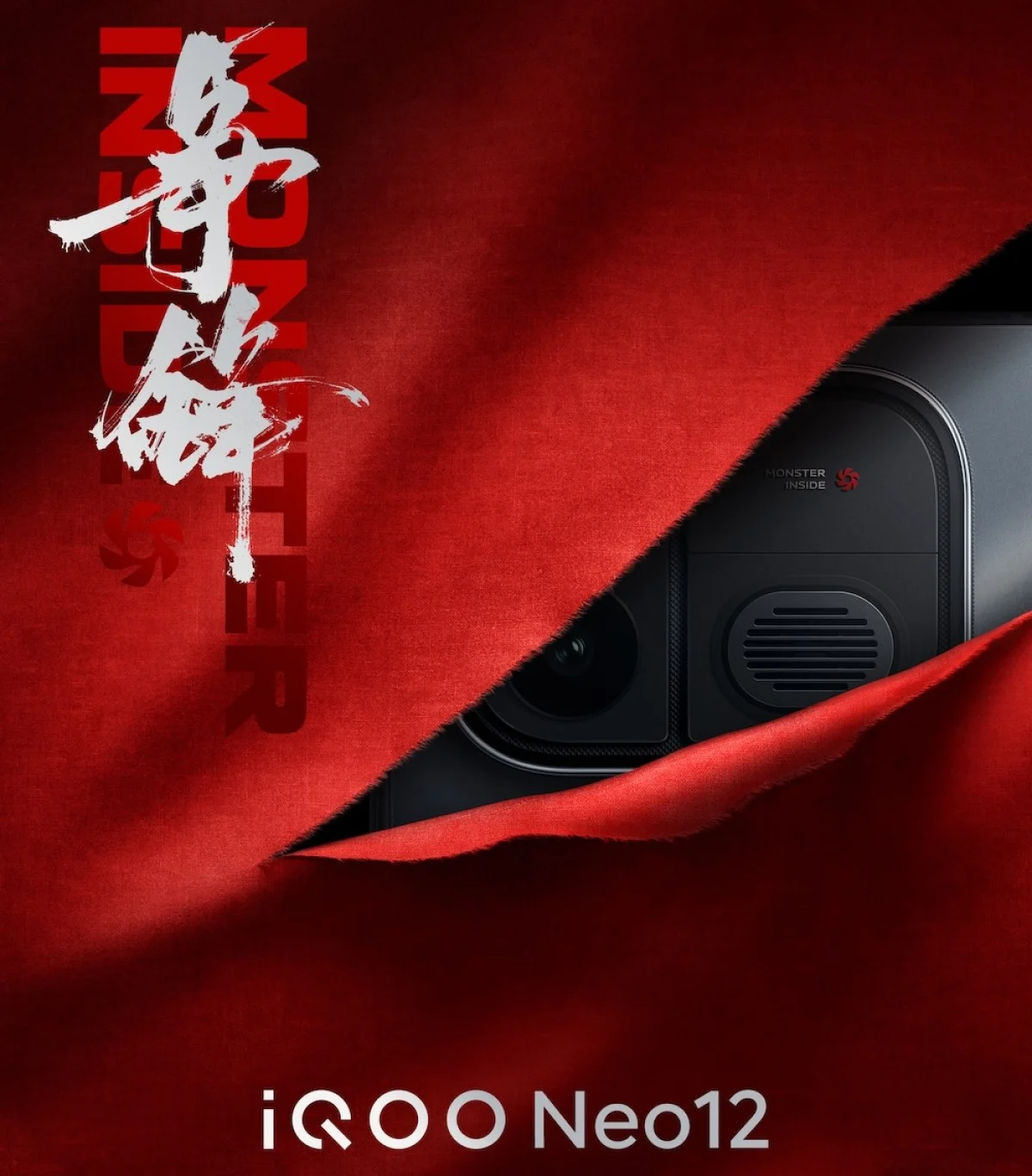
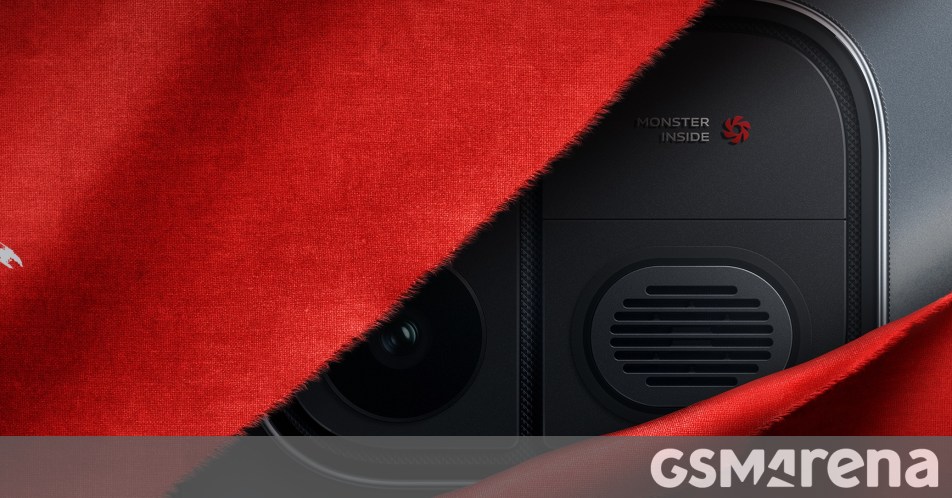
- Advanced Thermal Management: Breaking away from traditional passive vapor chambers, the Neo12 introduces an innovative "Ice-Dome" air cooling system complete with an active physical cooling fan.
- Unprecedented Battery Capacity: Powering the entire package is a colossal 9,000mAh battery—a capacity typically reserved for rugged tablets rather than sleek, performance-focused smartphones.
- Market Availability: The iQOO Neo12 is officially confirmed for a Chinese market launch later this month, with pre-orders already live across major retail channels.
Chronology of the Leak and Reveal
The journey of the iQOO Neo12 from concept to official confirmation offers a fascinating look at how modern tech leaks transition into verified corporate announcements.
The Rumor Phase
The narrative surrounding the iQOO Neo12 began in earnest when industry insiders and leaksters published reports pointing toward a radical display configuration. Initial rumors claimed that iQOO was collaborating with domestic manufacturer Visionox to develop a smartphone display featuring a sharp 2K resolution matched with an unprecedented 185Hz refresh rate. At the time, skeptics questioned the viability of such a high refresh rate on a mobile OLED panel, citing potential power consumption hurdles and thermal constraints.
The Official Teaser Campaign
Rather than allowing the rumors to dilute the excitement, iQOO leaned into the speculation by initiating a controlled rollout of official teasers on Weibo. The company first hinted at the display’s revolutionary nature, validating the Visionox partnership and confirming that the panel would indeed push past the traditional 120Hz and 144Hz ceilings adopted by most modern gaming phones.
Comprehensive Specification Drops
As the launch window drew closer, iQOO accelerated its information campaign. Over a series of consecutive announcements, the brand peeled back the layers on the Neo12’s internal hardware. First came the confirmation of the Snapdragon 8 Elite Gen 5 processor, followed closely by revelations regarding the Ice-Dome active cooling system and the proprietary Q3 gaming chip. Finally, the company stunned the tech community by officially disclosing the 9,000mAh battery capacity, instantly turning the Neo12 into one of the most anticipated releases of the fourth quarter.
Supporting Data and Technical Breakdown
To fully appreciate what iQOO is attempting with the Neo12, it is necessary to examine the underlying hardware components and the engineering philosophy driving them.
Visionox p-TSF OLED Display
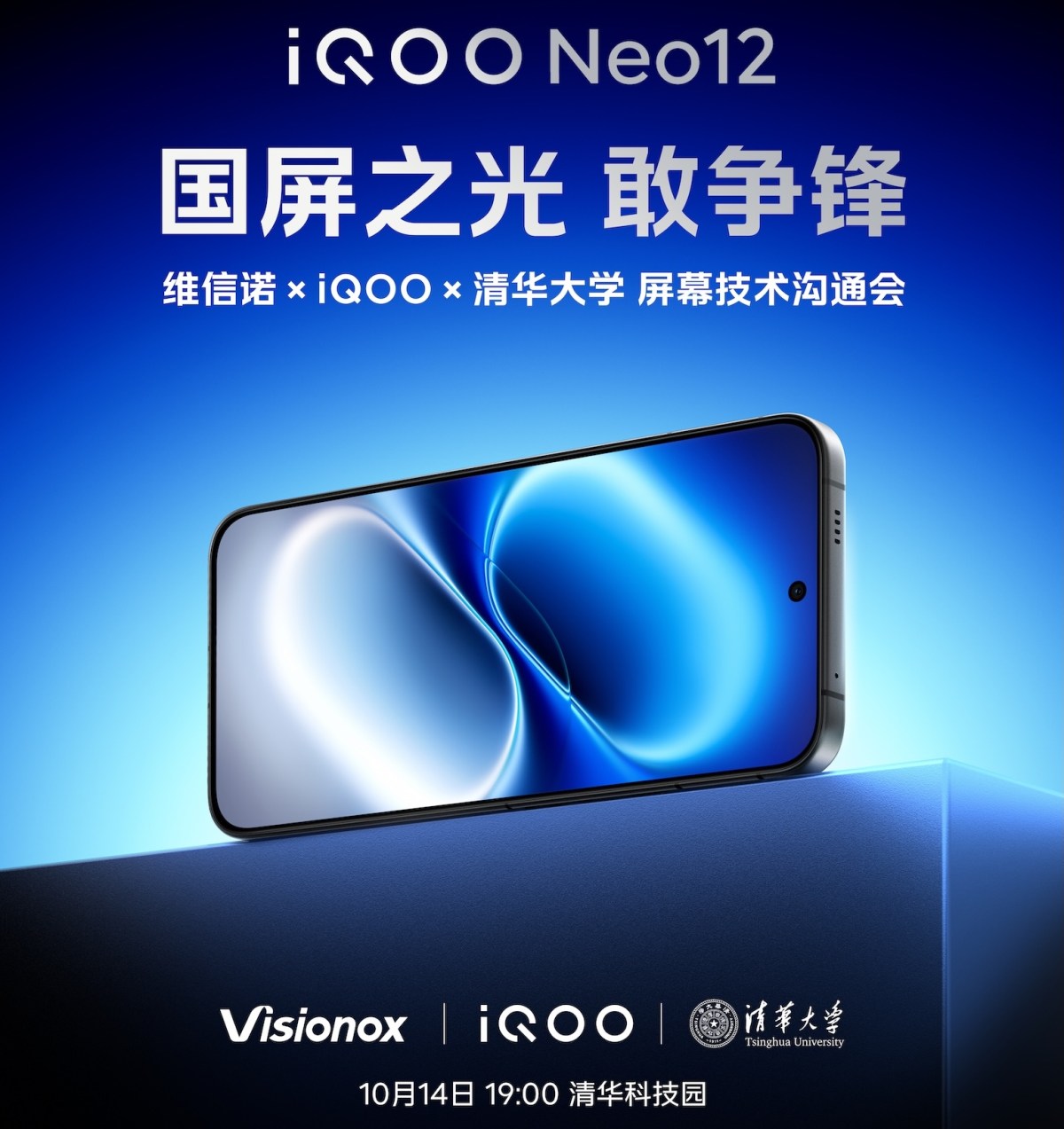
The crown jewel of the iQOO Neo12 is undoubtedly its display. Sourced from Visionox, the AMOLED panel combines a high-definition 2K resolution with a staggering 185Hz refresh rate. Historically, pushing refresh rates beyond 144Hz on mobile displays has resulted in severe power draw penalties and degradation in color accuracy.
To combat this, Visionox has implemented its proprietary p-TSF (pixel Time Sequential FleX) technology. Unlike conventional active-matrix OLED panels, p-TSF optimizes the driving mechanism of individual sub-pixels. This technological leap yields three primary benefits:
- Extended Lifespan: By mitigating pixel burnout and distributing electrical load more evenly, the display promises greater long-term durability.
- Reduced Power Consumption: Despite operating at 185Hz, the p-TSF architecture intelligently manages energy draw, preventing the display from prematurely draining the battery.
- Color Reproduction: The panel maintains strict color calibration standards, ensuring that high-speed motion does not come at the expense of visual fidelity.
iQOO has announced that it will host a dedicated technical briefing event on October 14 to dive deeper into the physics and software integration behind this revolutionary display.
Performance and Thermal Engineering
Powering the Neo12 is Qualcomm’s Snapdragon 8 Elite Gen 5 chipset, a processor designed to handle the most demanding computational tasks with ease. However, raw power inevitably generates heat, which can lead to thermal throttling during sustained high-performance tasks like competitive mobile gaming or 4K video rendering.
To solve this, iQOO developed the Ice-Dome air cooling system. Abandoning passive cooling solutions that rely solely on graphite sheets or vapor chambers, the Neo12 incorporates a mechanical active cooling fan into its chassis. This active airflow mechanism draws cool air across internal hotspots, expelling heat rapidly to maintain peak performance thresholds over hours of continuous use.
This thermal architecture works in tandem with iQOO’s custom Q3 gaming chipset. The secondary co-processor acts as a display and rendering engine, handling frame interpolation and super-resolution tasks independently, thereby relieving the primary Snapdragon processor of heavy graphical overhead.
The 9,000mAh Battery Milestone
Perhaps the most jaw-dropping specification revealed by iQOO is the inclusion of a 9,000mAh battery. As smartphone profiles have grown thinner, battery capacities have largely plateaued between 4,500mAh and 5,500mAh. Packing a 9,000mAh cell into a device that also houses an active cooling fan and a high-performance chipset represents a massive engineering triumph, likely achieved through advancements in silicon-carbon anode battery chemistry.
Official Responses and Industry Reactions
The announcement of the iQOO Neo12 has sent ripples across the global technology sector, drawing reactions from analysts, competitors, and consumers alike.
In its official Weibo communications, iQOO emphasized its commitment to pushing boundaries without compromise. Executives stated that the Neo12 was conceptualized as a "no-compromise flagship" built to answer the rigorous demands of modern digital consumers who refuse to choose between battery life, visual immersion, and raw performance.
Industry analysts have noted that the iQOO Neo12 represents a bold strategic move. By partnering with domestic suppliers like Visionox for cutting-edge display technology, iQOO—backed by parent company vivo—is demonstrating the increasing maturity and self-reliance of the Chinese supply chain. Competitors are now reportedly racing back to their drawing boards to evaluate how they might counter a device that outpaces current industry standards in almost every measurable category.
On social media forums and tech communities, consumer response has been overwhelmingly enthusiastic. Pre-orders in China have surged following the specification reveals, with early adopters eager to test the limits of the 185Hz display and the endurance of the 9,000mAh power cell.
Implications for the Mobile Industry
The launch of the iQOO Neo12 is not merely the introduction of a new smartphone; it is a potential watershed moment that could dictate consumer expectations and manufacturing trends for years to come.
1. The Death of the Refresh-Rate Ceiling
For years, the smartphone industry settled into a comfortable equilibrium where 120Hz was considered the gold standard for flagship displays, with 144Hz reserved strictly for niche gaming phones. By vaulting straight to 185Hz with 2K resolution, iQOO and Visionox have challenged competitors to rethink their display roadmaps. If consumers embrace the fluid motion enabled by p-TSF technology, ultra-high refresh rates may quickly transition from a gimmick to an expected baseline for high-end devices.
2. Redefining Battery Expectations
The inclusion of a 9,000mAh battery in a performance-focused smartphone challenges the long-held assumption that consumers must sacrifice battery longevity for a sleek form factor and high-end internals. If iQOO has successfully managed the weight and thickness associated with a cell of this magnitude, rival manufacturers will face immense pressure to adopt similar high-density battery technologies.
3. The Resurgence of Active Cooling
As mobile games grow increasingly complex—featuring console-quality graphics, ray tracing, and persistent online worlds—thermal management has become the ultimate bottleneck for mobile performance. The adoption of the Ice-Dome active cooling system in the Neo12 signals a shift away from purely passive cooling. Should this system prove reliable and effective against dust and moisture ingress, active cooling fans could become a standard feature in performance and gaming smartphones moving forward.
Outlook
As the tech community counts down to the official launch event in China later this month—and anticipates the deeper technical breakdown scheduled for October 14—the iQOO Neo12 stands tall as a testament to engineering ambition. Whether it can flawlessly execute on its monumental promises remains to be seen, but one thing is certain: iQOO has officially raised the stakes for the entire mobile industry.



