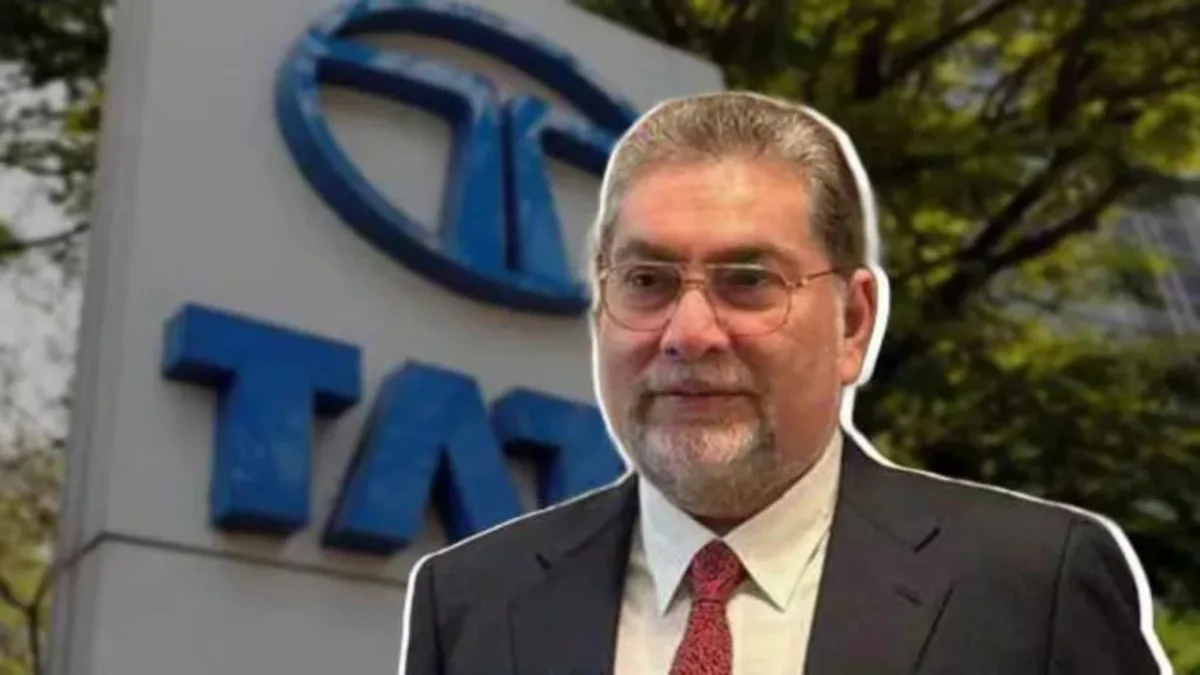
MUMBAI — The high-stakes internal governance battle within India’s philanthropic behemoth, Tata Trusts, has escalated significantly. Legal representatives for the trusts have formally challenged the legal standing of former trustee Mehli Mistry, arguing that his ongoing challenges regarding institutional changes are legally unsustainable following the expiration of his fixed-term mandate.
In a robustly worded reply submitted to the office of the Maharashtra Charity Commissioner, Tata Trusts maintain that regulatory proceedings cannot be leveraged to air broader, sweeping grievances concerning internal administration, governance frameworks, or the eligibility and appointment criteria of other active trustees. The trusts have aggressively pushed for a preliminary legal ruling on maintainability, demanding that the authority address these technical boundaries before delving into the merits of Mistry’s allegations.
The dispute brings to light profound structural realignments within the philanthropic network holding a controlling stake in the nation’s most prominent industrial conglomerate. At the heart of the matter are questions regarding tenure limits, the scope of regulatory oversight by the Charity Commissioner, and the shifting balance of power in the post-Ratan Tata era.
Main Facts of the Dispute
The core legal contention revolves around Mehli Mistry’s capacity to maintain objections against governance changes enacted by Tata Trusts. Mistry, a prominent businessman and a trusted confidant of the late Tata Group patriarch Ratan Tata, exited his official roles after his three-year tenure concluded on October 28, 2025.
Tata Trusts’ legal strategy centers on a strict interpretation of statutory and appointment terms:
- Expiration of Tenure: The trusts argue that because Mistry’s appointment officially expired on October 28, 2025, he lacks the locus standi—the legal standing—to continue contesting administrative and trustee-related decisions in the capacity of a trustee.
- Scope of Proceedings: The leadership contends that the ongoing proceedings before the Maharashtra Charity Commissioner are strictly narrow and confined to the technical recording of the cessation of Mistry’s trusteeship. They argue the forum cannot be converted into an expansive judicial inquiry into broader governance, board appointments, or general administration.
- Preliminary Adjudication: Tata Trusts have formally requested that the Charity Commissioner prioritize and rule upon these preliminary maintainability questions before opening the floor to the substantive allegations raised by the former trustee.
- Rejection of Future Service: Beyond contesting his legal standing, Mistry has formally notified the Charity Commissioner that he has no intention to serve as a trustee for any of the 13 constituent entities comprising Tata Trusts, definitively severing his future operational ties with the philanthropic organizations.
Chronology of Events
To understand how the current legal confrontation developed, it is essential to trace the timeline of Mistry’s appointment, the passing of Ratan Tata, and the subsequent fracture within the leadership hierarchy.
October 2022: Appointment to Bai Hirabai Trust
Mehli Mistry was appointed as a trustee of the Bai Hirabai Trust for a fixed three-year term, scheduled to begin on October 29, 2022. This appointment followed formal communications initiated by then-Chairman Ratan Tata.
November 2022: Acceptance of Terms
In a formal letter dated November 25, 2022, written in response to communications from Ratan Tata, Mistry formally accepted his appointment under the explicit condition of a three-year term. This documentation now serves as a central pillar in Tata Trusts’ legal defense regarding the fixed, finite nature of his tenure.
October 2024: The Passing of Ratan Tata and Shift in Power
The philanthropic landscape of the Tata Group underwent a seismic shift with the passing of Ratan Tata in October 2024. The leadership vacuum prompted swift realignment within the boardrooms of the powerful philanthropic arms. Disagreements quickly surfaced regarding future leadership trajectories, board composition, and decision-making processes.
Late 2024 to 2025: Boardroom Friction and Denied Rennomination
As the question of Mistry’s potential renomination arose, deep internal divisions came to the surface. A faction of senior leadership—reportedly including Tata Trusts Chairman Noel Tata, alongside Vice-Chairmen Venu Srinivasan and Vijay Singh—actively opposed Mistry’s renomination. This opposition effectively blocked his continuation on the boards of critical trusts, closing his formal association with the institutions.
October 28, 2025: Expiration of Mandate
True to the initial 2022 appointment letters, Mistry’s three-year term officially terminated. Despite his departure, Mistry initiated formal objections before the Maharashtra Charity Commissioner, challenging various governance shifts and trustee appointments made during and after his tenure.
Present: The Legal Battle Before the Charity Commissioner
With Mistry raising broad governance objections and Tata Trusts filing replies demanding a preliminary dismissal based on standing, the matter rests squarely before the Maharashtra Charity Commissioner to determine the legal boundaries of the investigation.
Supporting Data and Institutional Architecture
The gravity of this boardroom dispute cannot be overstated, primarily due to the unique ownership architecture of the Tata Group. The structural power of Tata Trusts lies in their absolute financial and strategic leverage over the group’s holding company.
- 66.6% Controlling Stake: The philanthropic architecture is anchored by the Sir Ratan Tata Trust, the Sir Dorabji Tata Trust, and their allied philanthropic entities. Together, these trusts command a massive 66.6% equity stake in Tata Sons, the principal holding company that controls the various operating enterprises under the Tata umbrella.
- Thirteen Constituent Trusts: The broader network comprises 13 distinct trusts dedicated to various charitable, educational, medical, and social welfare objectives across India.
- Fixed-Term Appointments: Governance documents and historical appointment letters within these trusts outline specific durations—frequently three-year terms—designed to ensure periodic board renewal, though exceptions and renewals have historically been subject to board consensus.
- Key Leadership Figures: The governance board includes prominent corporate figures and dynastic leaders, notably Noel Tata (Chairman), Venu Srinivasan (Vice-Chairman), and Vijay Singh (Vice-Chairman), who have steered the trusts through the delicate transition following Ratan Tata’s death.
Official Responses and Arguments from Both Sides
The legal filings submitted to the Maharashtra Charity Commissioner highlight two diametrically opposed views on administrative transparency versus procedural rules.
The Position of Tata Trusts
Representing the institutional stance, the legal team for Tata Trusts insists that procedural discipline must govern regulatory inquiries. Their arguments are structured around two main pillars:
- Loss of Legal Capacity: By emphasizing the exact calendar date of October 28, 2025, the trusts argue that Mistry is legally an outsider to the administration of the trusts. Allowing an individual whose tenure has legally expired to continue litigating internal administrative choices sets a precarious precedent for corporate and trust governance.
- Confined Regulatory Mandate: The trusts maintain that the office of the Charity Commissioner is intended to oversee statutory compliance, change-of-trustee filings, and administrative amendments—not to serve as a general tribunal for disgruntled former board members to air policy disagreements or challenge the appointments of active trustees.
The Stance and Allegations of Mehli Mistry
While Mistry has opted out of future service across all 13 Tata Trusts, his filings paint a picture of deep systemic friction. As a long-standing confidant of Ratan Tata, Mistry’s objections argue that:
- Governance Integrity is Compromised: His challenges go beyond personal grievances, touching upon what he characterizes as questionable appointment procedures and a departure from the collaborative consensus-building style characteristic of the Ratan Tata era.
- Oversight Necessity: Mistry contends that regulatory bodies like the Charity Commissioner must examine the broader checks and balances within powerful charitable institutions, especially given their immense commercial and social footprint via the 66% holding in Tata Sons.
- Internal Discord: Through his legal submissions, Mistry has pulled back the curtain on factionalism within the trust boards, forcing public recognition of the ideological and operational divides that have emerged since late 2024.
Implications for Corporate Governance and the Tata Empire
The resolution of this preliminary maintainability issue will carry far-reaching consequences, extending well beyond the immediate parties involved.
1. Precedent for Trust Administration in India
Public charitable trusts in India, particularly those holding controlling stakes in multi-billion-dollar commercial empires, occupy a unique legal space. If the Maharashtra Charity Commissioner rules that former trustees retain the right to challenge broad governance practices long after their terms expire, it could open the floodgates for similar interventions across major philanthropic institutions. Conversely, a ruling in favor of Tata Trusts would reinforce strict procedural limits, emphasizing that governance challenges must be brought strictly by active stakeholders within their defined tenure windows.
2. Stability of the Tata Sons Ownership Structure
Any instability or protracted legal dispute within Tata Trusts inevitably feeds market speculation regarding Tata Sons. Because the trusts control two-thirds of the holding company, internal harmony at the trust level is vital for the smooth strategic direction of the broader Tata Group. While the current dispute does not directly threaten the equity holding, it underscores the delicate nature of leadership succession in institutions traditionally insulated from public corporate warfare.
3. The Post-Ratan Tata Transition
This legal confrontation serves as a definitive marker of the post-Ratan Tata era. Under Ratan Tata, internal disputes were historically managed behind closed doors with minimal public friction. The public nature of Mistry’s exit, combined with the firm, defensive legal postures adopted by Noel Tata, Venu Srinivasan, and Vijay Singh, signals a more transactional, formalized, and legally rigid approach to trust governance.
Next Steps in the Regulatory Process
All eyes now turn to the office of the Maharashtra Charity Commissioner. The immediate procedural hurdle requires the authority to rule exclusively on the maintainability arguments put forward by Tata Trusts. Should the commissioner uphold the preliminary objections, Mistry’s broader allegations regarding board eligibility and administrative practices will be set aside in this forum. However, if the commissioner decides to hear the substantive merits of the case, Tata Trusts may face a prolonged regulatory examination into their internal appointment mechanisms and governance protocols.