The Modern Playbook: How Startups and Lean Marketing Teams are Mastering AI-Driven Influencer Marketing
For years, the term “influencer marketing” conjured images of multi-million-dollar budgets, massive celebrity endorsements, and sprawling agency retainers. For startups and growing small-and-medium businesses (SMBs), the strategy routinely felt entirely out of reach—a luxury reserved for enterprise brands with cash to burn.
Today, that narrative is shifting dramatically. Thanks to the convergence of accessible marketing automation, robust customer relationship management (CRM) tools, and artificial intelligence, influencer marketing is no longer just achievable for lean teams—it is becoming a core engine of scalable growth.
Far from the chaotic, ad-hoc direct messages of the past, modern influencer marketing for small businesses is strategic, measurable, and deeply integrated into overarching digital sales funnels. And according to marketing leaders, it is finally living up to its original promise: it is genuinely effective.
What Is Influencer Marketing in the Era of Lean Business?
At its core, influencer marketing is simply modern word-of-mouth advertising. Stripped of the corporate buzzwords, an “influencer” is simply a partner—a creator who has built a dedicated, trusting audience on social media and is willing to engage in content-swapping or promotional partnerships.
For lean marketing teams, these partnerships are built on shared values and mutual brand alignment. Rather than paying for the passive eyeballs of millions, brands are realizing the immense value of collaborating with creators who truly get their product and speak directly to a targeted niche.
Shifting from Reach to Relevance
For small businesses, trying to out-shout national brands on sheer ad spend is a losing battle. Instead, the modern playbook favors micro-influencers (creators with tens of thousands of followers) and nano-influencers (creators with just a few thousand followers).
Data consistently shows that these smaller creators drive higher conversion rates. Because their communities are tight-knit and highly engaged, their recommendations feel less like traditional advertisements and more like trusted advice from a knowledgeable friend. For an SMB founder, showing up naturally in the social feed of a trusted community leader is one of the highest-leverage marketing moves available.
Chronology of a Paradigm Shift: From Wild West DMs to Automated Ecosystems
To understand where influencer marketing stands today, it helps to examine how rapidly the landscape has evolved over the past decade.
Phase 1: The Wild West (Mid-2010s): Influencer marketing for startups was largely unstructured. Founders would cold-DM creators on Instagram or Twitter, ship them free products, and hope for a mention. Tracking was virtually nonexistent, relying heavily on vanity metrics like "likes" and comment volume rather than tangible revenue.
Phase 2: The Spreadsheet Era (Late 2010s to Early 2020s): As the channel matured, teams began organizing campaigns using complex spreadsheets. Promo codes and basic UTM tracking links were introduced, allowing brands to attribute specific sales to individual creators. However, manual reconciliation remained an administrative nightmare for small teams.
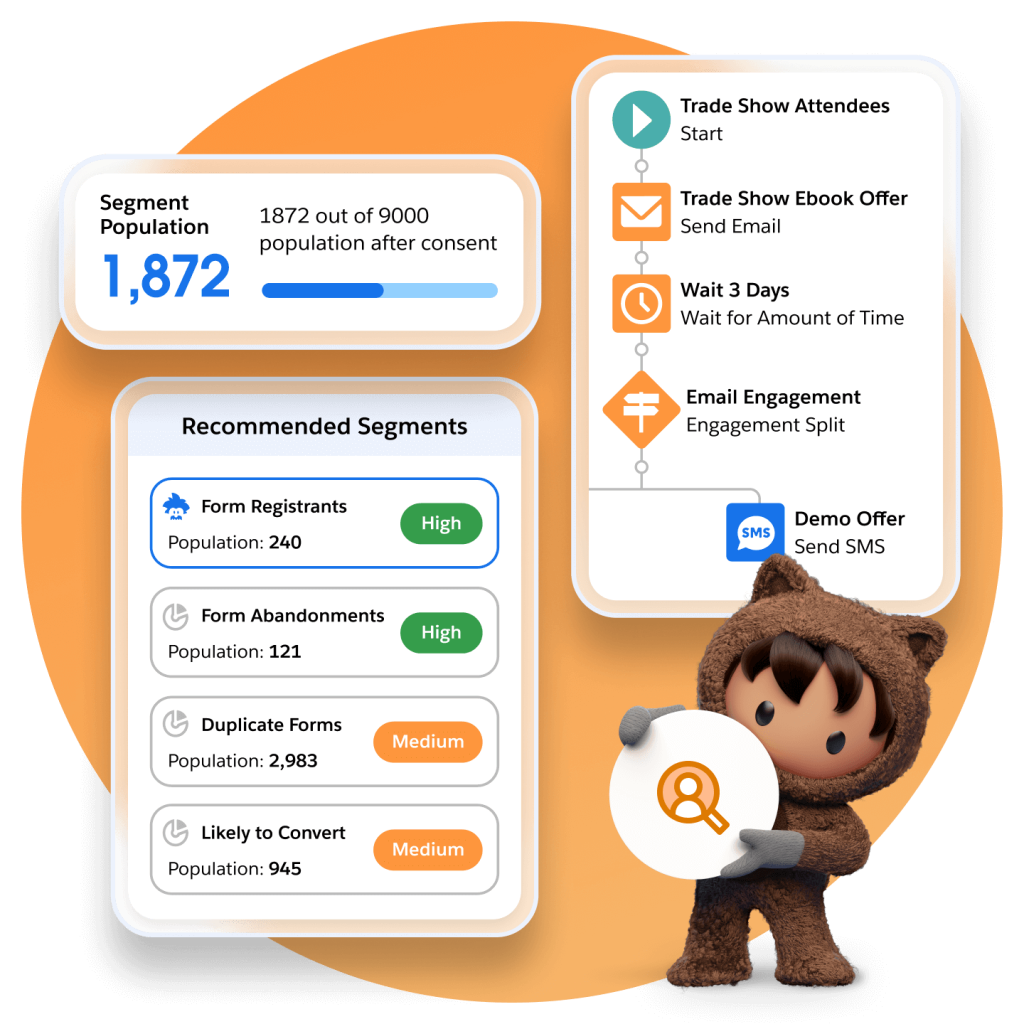
Phase 3: The AI and CRM Integration Era (Present): Today, influencer marketing is deeply integrated into core marketing tech stacks. Connected CRMs track creator-driven leads directly from social channels straight into the sales pipeline. Meanwhile, AI agents automate lead routing, campaign performance analysis, and data pattern recognition, democratizing enterprise-grade capabilities for ten-person companies.
Supporting Data: What the Numbers Tell Us About SMBs and AI
The shift toward data-driven, automated marketing isn’t just an anecdotal trend; it is backed by concrete industry research. According to findings from the latest Small and Medium Business Trends Report, SMBs that embrace artificial intelligence are fundamentally changing how they evaluate marketing effectiveness.
Sharper Decision-Making: AI-enabled SMBs are leveraging machine learning to instantly determine which campaigns—including micro-influencer pushes—are worth repeating and which should be sunsetted.
Pattern Recognition Beyond Human Scale: When managing multiple social campaigns and email sequences simultaneously, AI can surface nuanced behavioral patterns in audience engagement that human marketers would easily miss by simply eyeballing analytics dashboards.
Time Reclamation: For a lean team, manual data entry and campaign reconciliation devour precious hours. Automated systems integrated directly into platforms like Salesforce allow teams to reclaim dozens of hours each week, redirecting that energy toward creative strategy and relationship-building.
Official Perspectives: Why Integration Matters
Marketing technologists and enterprise leaders emphasize that influencer marketing can no longer operate in a silo. When treated as an isolated, one-off experiment, creator partnerships inevitably fail to demonstrate long-term ROI.
Industry experts stress that the success of a modern influencer campaign hinges on continuity. When a creator’s post drives traffic via a unique link or discount code, that interaction must immediately feed into a centralized marketing CRM.
"Influencer marketing works best when it’s treated as one channel among several, not a one-off experiment sitting outside your usual tracking," notes enterprise marketing guidance. "Without that connection to your CRM and sales pipeline, you’re left guessing based on likes and comments—metrics that don’t always translate to revenue."
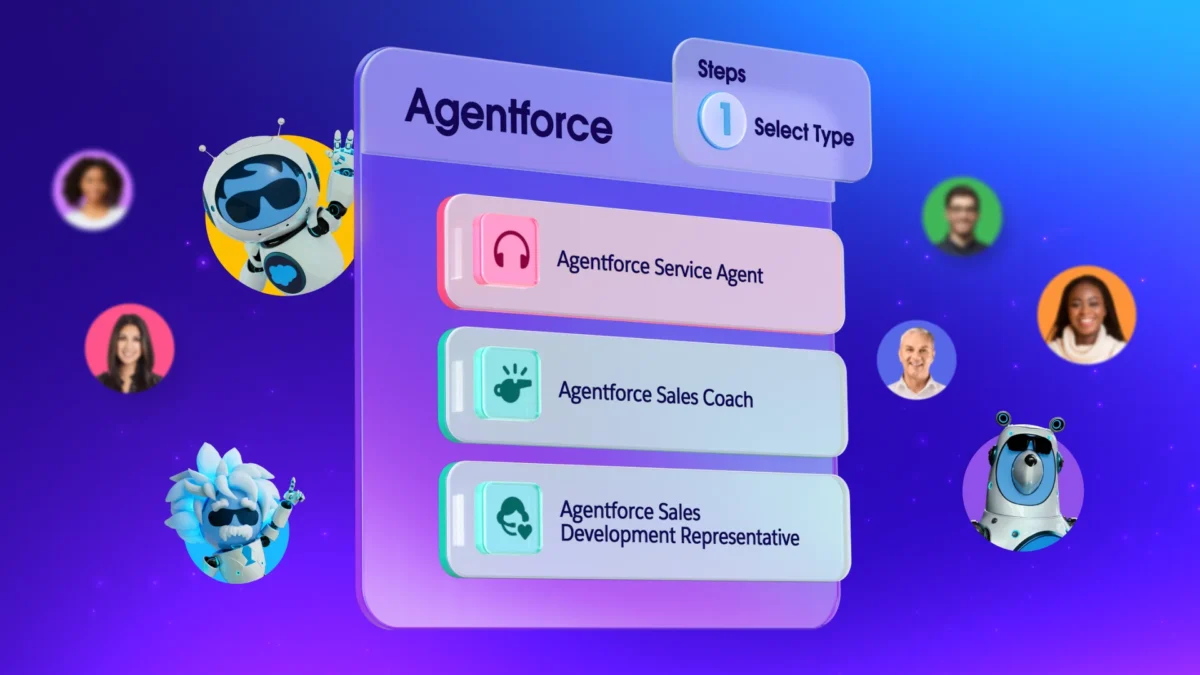
Platforms like Salesforce, through solutions like Starter Suite and integrated foundations, are increasingly positioning AI agents—such as Agentforce—to bridge this exact gap. By embedding AI directly into existing customer data infrastructures rather than forcing teams to adopt fragmented standalone tools, businesses can seamlessly track, nurture, and convert creator-driven traffic.
Strategic Implications for Startups and Growing Teams
The democratization of influencer marketing carries profound implications for the competitive landscape of digital commerce.
1. Leveling the Playing Field
Small and medium businesses no longer need massive budgets to achieve broad market penetration. By focusing on hyper-targeted nano- and micro-influencers, startups can build authentic brand loyalty within specific customer segments faster and more cost-effectively than through traditional programmatic advertising.
2. The Rise of Autonomous Marketing Operations
With AI agents stepping in to handle repetitive tasks—such as flagging high-performing partnerships, following up with inbound campaign leads, and routing purchase-ready prospects—lean marketing teams can scale their output exponentially. A ten-person company can now manage influencer relationships with the sophistication and efficiency of an organization ten times its size.
3. Accountability and Transparency
As privacy regulations tighten and consumers grow increasingly skeptical of opaque marketing practices, transparency is paramount. Modern influencer strategies demand clear disclosures of paid partnerships, protecting both brand integrity and creator credibility while relying on hard CRM data rather than inflated vanity metrics to prove business value.
Frequently Asked Questions
Is influencer marketing actually worth it for a small business?
Yes, particularly when utilizing micro- and nano-influencers. Their smaller, highly engaged audiences frequently convert at higher rates than mega-influencers. Success depends entirely on treating creator partnerships as a systematically tracked marketing channel rather than a standalone experiment.
How do I find the right influencers for my brand?
Look for creators whose existing audience closely mirrors your ideal customer profile. Prioritize engagement quality and audience trust over raw follower counts. For nano-creators, direct platform outreach is often effective; for micro- and mid-tier creators, check social bios for designated business email addresses or management contacts.
What compensation model should I use: cash, product, or commission?
It depends heavily on your budget and campaign goals. Free product exchanges work well for pure brand awareness; commission structures are ideal for performance-driven sales campaigns; and flat fees secure guaranteed content delivery. Always ensure partnerships are clearly disclosed to maintain legal compliance and audience trust.
How can AI help manage influencer campaigns?
Once UTM tracking links or unique discount codes bring a user into your CRM, AI tools and specialized agents can automatically categorize which campaigns drove the traffic, identify high-performing creators, and streamline lead routing for sales teams.