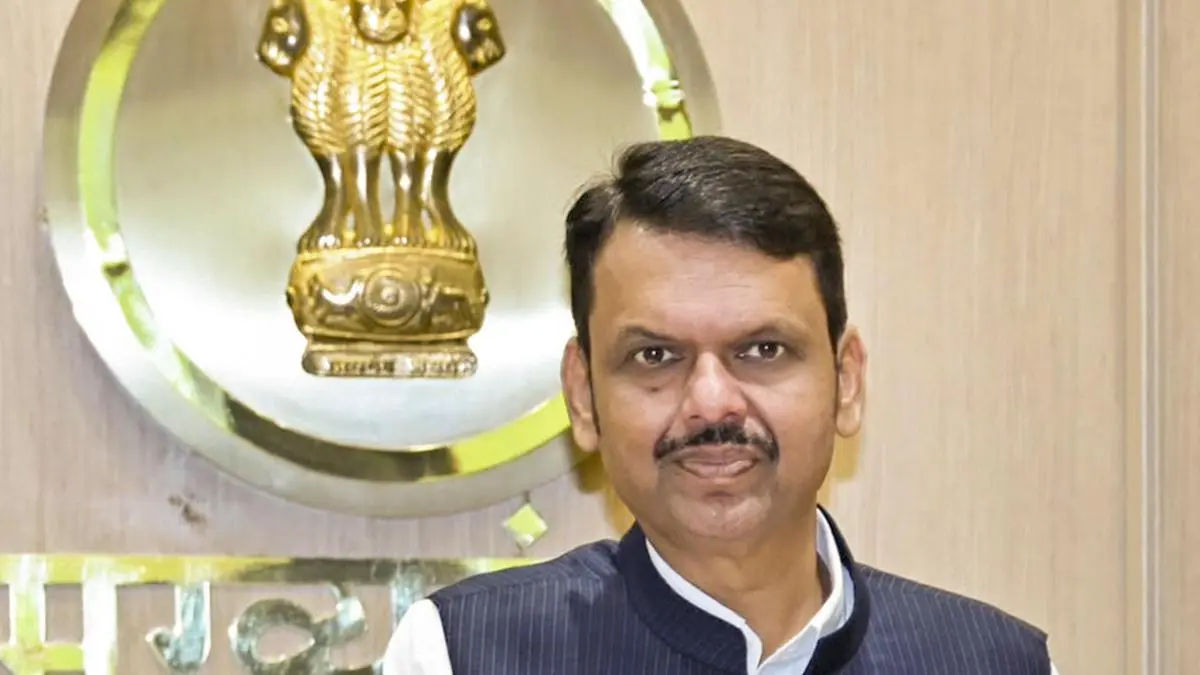
Mumbai: In a significant move to consolidate Maharashtra’s position as the industrial engine of India, Chief Minister Devendra Fadnavis announced on Thursday that the state is on the cusp of launching a landmark policy dedicated exclusively to the chemicals sector. Speaking at a high-level industry summit organized by the Federation of Indian Chambers of Commerce & Industry (FICCI), Fadnavis confirmed that the state government is in the final stages of drafting this framework, with an official rollout scheduled for the first week of November 2026.
This policy shift, coupled with an ambitious plan to establish a massive industrial hub near the upcoming Wadhavan port, signals a strategic intent to transform Maharashtra into a global chemical manufacturing powerhouse.
The Core Mandate: A Dedicated Policy Framework
The decision to formulate a bespoke policy for the chemicals industry follows the state’s broader industrial policy introduced last year. Recognizing that the chemical sector requires a unique regulatory and fiscal environment—characterized by complex safety, environmental, and logistical requirements—the Maharashtra government has spent the last several months in intense dialogue with industry captains.
“We are in the last stage of finalizing a forward-looking policy designed to sustain the growth of this critical sector for many years to come,” Chief Minister Fadnavis stated.
The policy is expected to address long-standing industry grievances, including ease of doing business, infrastructure bottlenecks, and streamlining the arduous process of obtaining environmental clearances. By engaging directly with stakeholders—including Reliance Industries’ executive director Nikhil Meswani and UPL chairman Jai Shroff—the state government aims to create a policy that is not merely bureaucratic but market-responsive.
The Wadhavan Vision: Scaling Infrastructure for the Future
Perhaps the most significant announcement from the event was the proposal to develop a “Bhavya Rasayanik Park” (Grand Chemicals Park) in the Palghar district. The state is currently scouting for between 2,500 and 5,000 acres of land in the immediate vicinity of the greenfield Wadhavan port.
Strategic Logistical Advantage
The choice of Wadhavan is not coincidental. With the port expected to be operational in approximately three years, the integration of a dedicated chemicals ecosystem nearby will drastically reduce logistics costs and improve export efficiency.
“Given that the country’s largest container port, JNPA, is already located in Maharashtra, we are uniquely positioned to leverage this to create a seamless supply chain,” the Chief Minister noted. The proposed park is intended to align with the Union government’s vision for large-scale chemical industrial zones, effectively bridging the gap between domestic production and international trade requirements.
Economic Footprint: Why the Chemicals Sector Matters
The significance of the chemicals sector to Maharashtra’s economy cannot be overstated. According to official data shared during the summit, the state currently hosts 3,600 entities engaged in chemical manufacturing.

- Gross Value Added (GVA): The sector accounts for 19% of the state’s total GVA in the chemical space.
- Export Contribution: Maharashtra is responsible for 17% of India’s total chemical exports.
- Employment: The industry currently sustains approximately 300,000 jobs across the state.
By providing a dedicated policy, the government hopes to catalyze these numbers, attracting large-scale capital expenditure (CAPEX) from both domestic giants and foreign direct investors who have previously been hesitant due to the lack of specialized infrastructure.
National Synergy: The Union Government’s Perspective
The state’s initiative comes at a time when the Union government has set a staggering target: to grow the Indian chemicals sector from its current valuation of $220 billion to $1 trillion by 2040.
Union Minister for Chemicals and Fertilizers, J.P. Nadda, who was present at the FICCI event, hailed the current climate as the most "conducive" era for the industry. Addressing the gathered investors, Nadda emphasized that the success of the sector hinges on a "whole-of-government" approach.
Key Government Commitments
- Regulatory Facilitation: Minister Nadda pledged that the Union government would take proactive steps to assist companies in securing environmental clearances, recognizing this as a major hurdle in capacity expansion.
- Research and Innovation: With the launch of a new ₹1 lakh crore fund dedicated to research and development, the Minister urged industry leaders to pivot toward high-value, advanced chemicals and petrochemicals.
- Connectivity: Emphasizing that growth is inextricably linked to logistics, the Minister noted that national efforts to improve port connectivity and freight corridors are specifically designed to aid the chemical sector’s export ambitions.
Chronology of Developments
- 2025: Maharashtra announces its comprehensive industrial policy, identifying chemicals as a priority sector.
- Early 2026: State government begins formal consultations with top-tier industry players (including Reliance and UPL) to identify bottlenecks.
- October 22, 2026: Chief Minister Fadnavis announces the upcoming policy launch and the Wadhavan chemical hub proposal at the FICCI event.
- November 2026 (Scheduled): Formal unveiling of the Maharashtra Chemicals Industry Policy.
- 2029 (Projected): Expected operationalization of the Wadhavan port, marking the start of the new industrial hub phase.
Implications for Investors and the Economy
The upcoming policy is widely expected to trigger a wave of investment. When investors see a state government proactively acquiring land and creating a dedicated ecosystem, it reduces the risk profile of multi-billion dollar projects.
The Shift to High-Value Chemicals
The emphasis on R&D, highlighted by both the Chief Minister and the Union Minister, signals that Maharashtra is not just looking to be a manufacturing hub for commodity chemicals, but a center for specialty and fine chemicals. As global supply chains shift away from traditional manufacturing hubs, India—and specifically Maharashtra—is positioning itself as the most reliable alternative.
Addressing Environmental and Social Concerns
While the plan for 5,000 acres of industrial land is ambitious, it also carries the responsibility of environmental stewardship. The government has signaled that the "Bhavya Rasayanik Park" will incorporate modern, sustainable waste management and environmental mitigation technologies. This is crucial, as the chemical sector is often scrutinized for its environmental impact. By clustering these industries in a planned zone, the state aims to implement centralized effluent treatment plants and stricter monitoring, which is often difficult to enforce in fragmented industrial zones.
Conclusion: A New Era for Industry
The convergence of state-level policy support and national-level financial backing places Maharashtra in a strong position to dominate the chemical industry landscape. As the November deadline approaches, the industry is watching with cautious optimism.
If the promised policy successfully balances investor incentives with sustainable practices, and if the Wadhavan port project remains on schedule, Maharashtra may well be on its way to cementing its status as the "Chemical Capital" of the nation. The roadmap to a $1 trillion sector by 2040 is daunting, but with the foundation being laid in the ports and policy rooms of Mumbai, the path forward appears increasingly clear.
As the state prepares to roll out its strategy, the message to investors is definitive: Maharashtra is open for business, and it is ready to facilitate the next generation of chemical innovation.