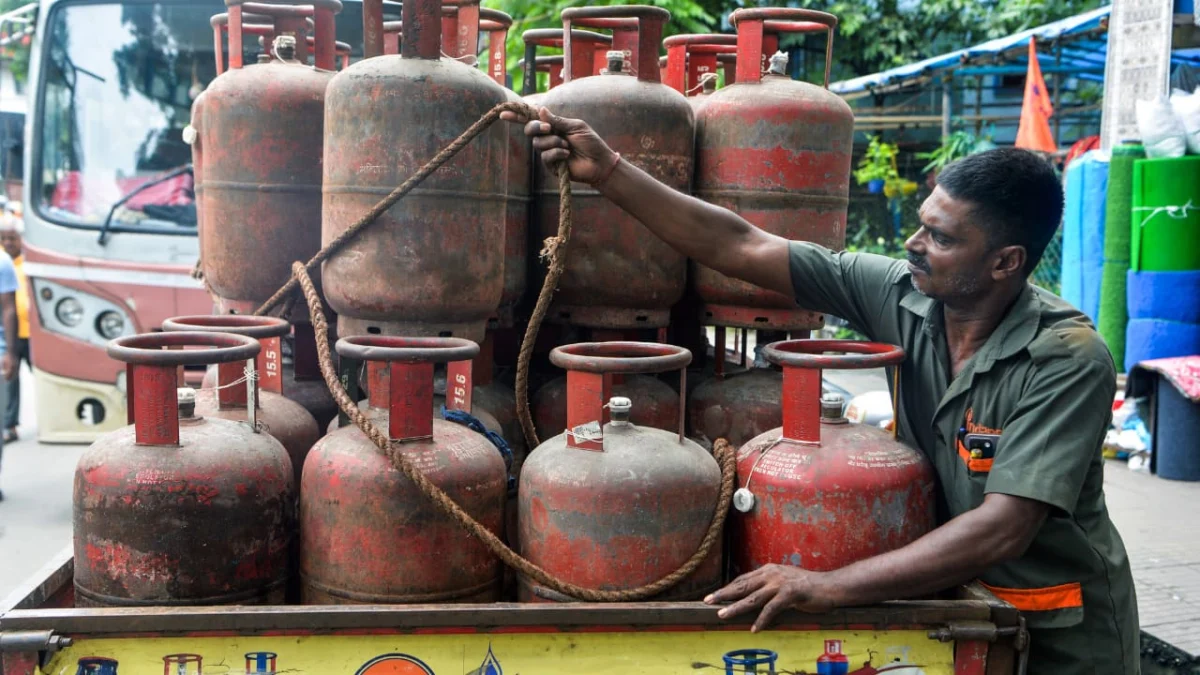
New Delhi: In a significant policy shift aimed at bolstering the integrity of the country’s welfare delivery systems, the Ministry of Petroleum & Natural Gas has announced that, effective October 1, 2026, all beneficiaries of the domestic Liquefied Petroleum Gas (LPG) subsidy program will be required to undergo Aadhaar authentication to receive their refills.
This move represents a strategic tightening of administrative oversight, designed to plug loopholes that have historically allowed for the diversion of subsidized domestic cylinders into commercial and industrial sectors. By mandating biometric or OTP-based verification at the point of delivery, the government intends to ensure that the fiscal benefits of the subsidy reach only the most eligible households, thereby optimizing public expenditure and improving the efficiency of energy distribution.
The Core Mandate: Understanding the New Requirement
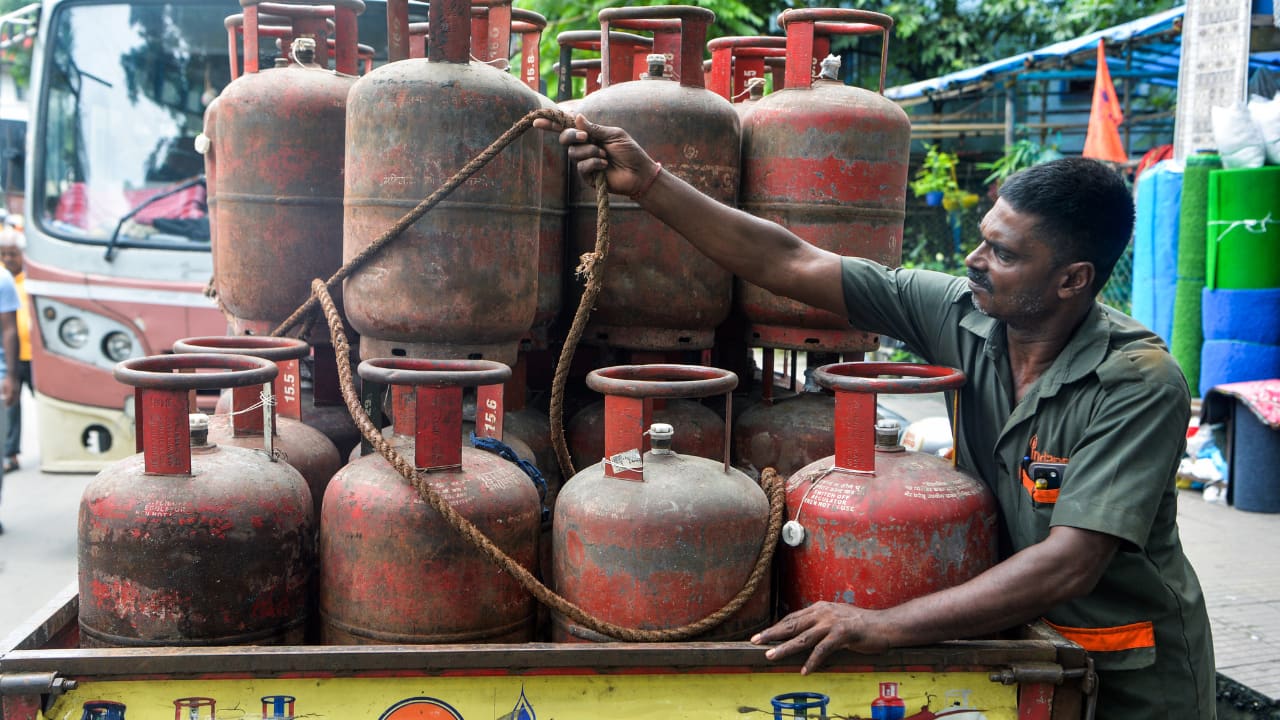
The Ministry’s directive, released on September 20, 2026, clarifies that the authentication process is a mandatory prerequisite for booking and receiving subsidized LPG refills. Consumers will be required to verify their identity through the Aadhaar-linked database at the time of delivery, a process that can be completed via biometric scanners held by delivery personnel or through a secure One-Time Password (OTP) sent to the mobile number registered with the LPG connection.
According to government officials, the policy is not intended to create barriers for genuine beneficiaries but rather to establish a robust digital trail. The integration of Aadhaar with the LPG supply chain is expected to eliminate "ghost" accounts—connections that exist on paper but are often used to siphon off subsidized cylinders for illicit resale in the commercial market.
Chronology: The Evolution of LPG Subsidy Reforms
The path to this mandatory authentication has been a decade-long journey of digital transformation. To understand the significance of this latest mandate, it is essential to look at the progression of India’s LPG sector:
- 2015 – The Launch of PAHAL: The government introduced the Direct Benefit Transfer (DBT) for LPG, known as the PAHAL scheme. This was the first major step in removing middlemen, with subsidies being transferred directly into the bank accounts of consumers.
- 2016 – Ujjwala Yojana Expansion: The Pradhan Mantri Ujjwala Yojana (PMUY) began a massive push to bring clean cooking fuel to rural households, significantly increasing the number of beneficiaries and, consequently, the scope for potential leakage.
- 2022-2024 – Pilot Projects: Following reports of unauthorized commercial use of domestic cylinders, the Ministry initiated pilot programs in select districts to test biometric authentication at the doorstep.
- September 2026 – The National Rollout: After successful testing and infrastructure upgrades, the government finalized the nationwide rollout of mandatory Aadhaar authentication, setting the October 1 deadline.
Supporting Data: Why the Crackdown?
The decision to implement stricter controls is backed by years of internal audits and market analysis. Data from the Ministry indicates that while the number of LPG connections has surged—reaching over 300 million households—the consumption patterns in certain urban and semi-urban clusters showed anomalies.
- Price Arbitrage: The price differential between subsidized domestic cylinders and commercial-grade cylinders creates a high incentive for diversion. Even a marginal difference in price, when scaled across millions of cylinders, leads to a fiscal burden of thousands of crores of rupees annually.
- Audit Findings: Internal government surveys revealed that a significant percentage of "inactive" or "infrequently used" accounts were being exploited by third-party intermediaries to procure cylinders at the subsidized rate, which were then diverted to small-scale industries, roadside eateries, and commercial establishments.
- Digital Penetration: With Aadhaar penetration now near-universal among eligible households, the government determined that the infrastructure for a seamless authentication process is finally mature enough to handle a national-level mandate.
Official Responses and Administrative Preparedness
The Ministry of Petroleum & Natural Gas has been proactive in addressing concerns regarding the potential for technical glitches. In an official statement, a senior spokesperson noted, "Our primary objective is to safeguard the rights of genuine consumers. We understand that in remote areas, connectivity might be a challenge, and we have provided for offline authentication modes and extended support through our local distribution centers."
Oil Marketing Companies (OMCs) have been instructed to conduct extensive training for delivery personnel. Over the past few weeks, delivery staff have been equipped with handheld devices capable of biometric scanning. Furthermore, for consumers who may face issues with biometric matching due to age or health conditions, the system allows for an OTP-based verification, provided the mobile number is updated in the Aadhaar database.
Independent energy analysts have largely welcomed the move. "While there is an initial learning curve for the consumer, the long-term impact on fiscal health is undeniable," said Dr. Anjali Rao, an energy policy researcher. "By digitizing the last mile of the delivery process, the government is essentially creating a ‘smart’ supply chain that is self-policing."
Implications: A Shift in Consumer Experience
The shift to mandatory authentication will undoubtedly change the way millions of Indians interact with their LPG service providers.
Impact on the Common Household
For the average citizen, the process is expected to be relatively straightforward. Once the delivery agent arrives, the consumer will either provide a fingerprint on a secure scanner or receive an OTP on their registered phone. Once the verification is successful, the delivery is marked as "complete" in the national database.
Implications for the Commercial Sector
The biggest impact will be felt by unauthorized commercial users who relied on domestic cylinders to keep costs low. By restricting the access of domestic cylinders to verified households, the government expects a surge in demand for commercial-grade cylinders. This, while potentially increasing operational costs for some small businesses, will ensure that the domestic subsidy budget is used strictly for its intended purpose: poverty alleviation and health improvement for families.
The Fiscal Perspective
The government’s decision is expected to yield significant savings. By eliminating leakages, these funds can be redirected toward further expanding the Ujjwala scheme or funding infrastructure for cleaner energy alternatives like piped natural gas (PNG).
Challenges and Future Outlook
Despite the benefits, the transition is not without challenges. The government faces the significant task of updating mobile numbers for millions of rural users who may not have linked their current phone numbers to their Aadhaar cards. Recognizing this, the Ministry has set up special help desks at all major LPG distributorships to assist with the linking process.
Furthermore, there is the concern of digital literacy. In areas with poor network connectivity, the transition might lead to temporary delays in the delivery of refills. The Ministry has promised a "grace period" for the first few weeks of October, where field officers will focus on hand-holding consumers through the authentication process rather than strictly enforcing punitive measures for failures.
As India moves toward a more digitized and transparent economy, the mandatory Aadhaar authentication for LPG is a microcosm of a broader administrative philosophy. By leveraging technology to ensure that public subsidies reach the intended recipients, the state is moving away from a system of blanket distribution toward one of targeted, verified, and accountable service delivery.
The implementation of this policy on October 1 will serve as a bellwether for the success of future digital governance initiatives in the energy sector. Whether it will achieve the desired reduction in leakage without causing undue hardship to the most vulnerable remains the question on the minds of policymakers and the public alike. For now, the directive is clear: the era of paper-based or unverified subsidies is coming to a close, replaced by a digital framework that promises both efficiency and equity.
Key Takeaways for Consumers:
- Mandate: Aadhaar authentication is mandatory for all LPG refills starting October 1, 2026.
- Methods: Biometric verification (fingerprint) or OTP via the registered mobile number.
- Support: Distributorships are equipped to help those whose mobile numbers are not linked to their Aadhaar.
- Goal: To prevent the diversion of domestic subsidized gas to commercial users.
This report is based on information provided by the Ministry of Petroleum & Natural Gas and independent industry analysis.