










Updated July 9, 2026
By Danielle Torrie, Unbounce Content Team
Demo requests are down. Sales departments are frustrated, continuously complaining to marketing about the volume and quality of inbound leads. In response, marketing teams often default to a familiar playbook: they inject more budget into their demo ad campaigns, hoping that brute-force visibility will solve the underlying issue. Yet, the problem persists.
According to insights from industry analysts and recent B2B advertising benchmark reports, this disconnect highlights a systemic flaw in modern digital marketing. One of the most prevalent and damaging mistakes practitioners make is treating a "Request a Demo" call-to-action (CTA) like a low-friction interaction. Asking a prospective buyer to book time with a sales representative is fundamentally different from asking them to download an e-book, register for a webinar, or casually browse a product feature page. It requires significant commitment, yet many Go-To-Market (GTM) teams still push for a sales conversation long before buyers have finished conducting research, built necessary trust, or validated their intent.
Main Facts: The Reality of the Modern B2B Buyer Journey
To understand why traditional demo landing pages underperform, organizations must look closely at how modern buyers actually purchase enterprise software.
Data from Dreamdata’s LinkedIn ads benchmark reports reveals that the average B2B customer journey spans a staggering 211 days and incorporates approximately 88 distinct touchpoints. High-investment software decisions require deliberation, cross-functional alignment, and extensive evaluation. Despite this complex, non-linear reality, many marketing teams attempt to capture conversions prematurely.
Furthermore, market availability metrics show that only 3% to 5% of a company’s Total Addressable Market (TAM) is actively in a buying cycle at any given moment. When campaigns direct cold, uneducated traffic straight to a high-intent demo landing page, they inevitably hit a performance ceiling. No amount of headline tweaking, button recoloring, or form shortening can overcome the fact that the vast majority of visitors are simply not ready to talk to a salesperson.
Chronology: The Evolution of High-Intent Landing Page Frameworks
Historically, the standard landing page playbook was built on aggressive simplicity: strip away navigation, minimize exit points, and force the user down a singular conversion tunnel. However, search engine algorithms and user behavior patterns have evolved significantly.
- The Early Era of Squeak-Clean Funnels: For years, conversion rate optimization (CRO) dogma dictated that all external links and top-level navigation must be purged from landing pages to trap visitors in a binary choice: convert or bounce.
- The Shift in Search Quality Models: In 2025, search engine giants like Google updated their ad quality prediction models to heavily reward landing pages that transparently align with true search intent. Pages that provide intuitive navigation to relevant ecosystem resources are now favored, while overly restrictive, high-friction pages are quietly penalized.
- The Rise of the "Core Four" Framework: B2B conversion experts, such as landing page strategist Tas Bober, introduced structured frameworks like the "Core Four" in 2026. This methodology dictates that paid media and content teams must guide prospective buyers through a logical sequence of pages—educating them through Top-of-Funnel (TOFU) resources before ever introducing a dedicated demo conversion page. Under this modern framework, a demo landing page is no longer treated as an introductory billboard, but rather as the final, friction-reducing checkpoint for an already well-educated buyer.
Supporting Data: Benchmarks and Conversion Realities
When evaluating performance, digital marketers must anchor their expectations in realistic data rather than inflated myths.
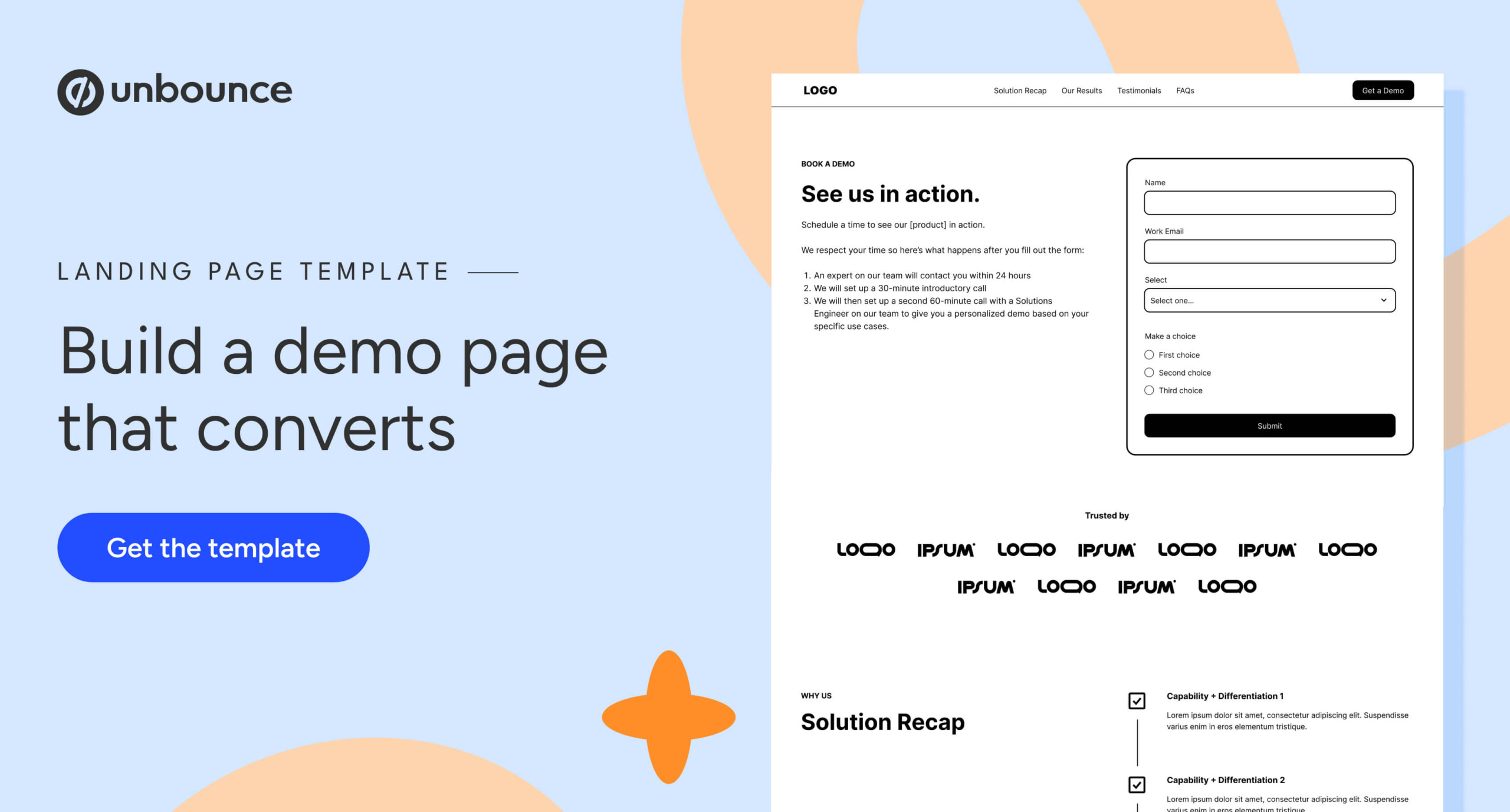
- Median Conversion Rates: According to comprehensive conversion benchmark reports, SaaS landing pages achieve a median conversion rate of 3.8%. More recent first-party data tracking B2B companies actively optimizing their demo pages points to an average baseline of 3.1%. Realistically, healthy performance hovers in the low single digits (3% to 4%).
- The Form-Field Penalty: Form optimization data underscores a steep drop-off in user completion rates as fields multiply. Conversion rates sit comfortably around 17% when a form contains five fields, drop to 11% at seven fields, and plummet below 7% when requested data points exceed ten.
- The Power of Interactive Elements: Shifting the narrative can fundamentally alter campaign ROI. For instance, when customer experience platform FORM restructured its demo funnels—swapping traditional static "Request a Demo" language for interactive product tours labeled "Take a Tour"—Pay-Per-Click (PPC) conversion rates jumped by 33%, while Cost-Per-Lead (CPL) in Account-Based Marketing (ABM) campaigns dropped by nearly 50%.
Official Responses and Expert Insights: Anatomy of an Optimized Demo Page
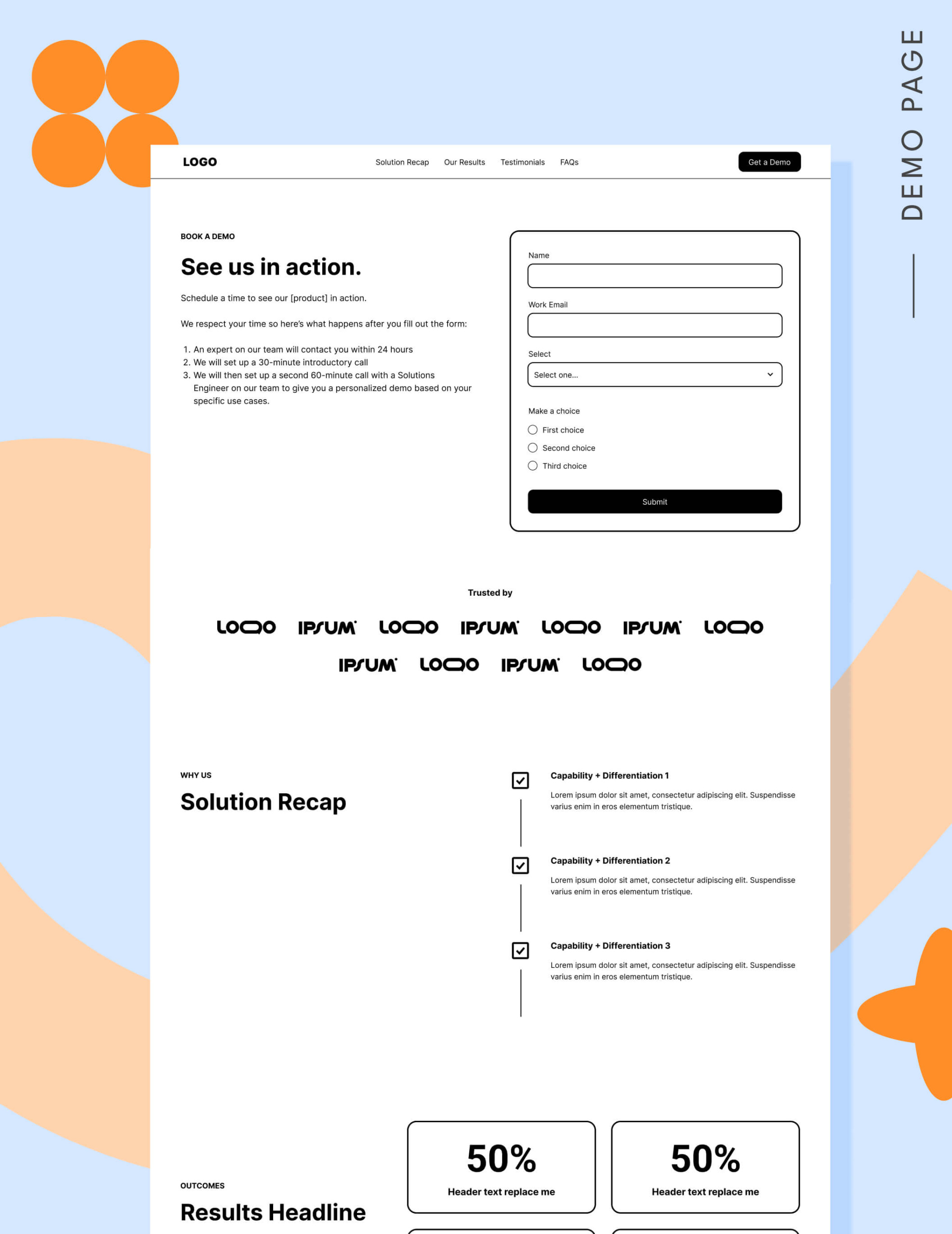
Industry leaders emphasize that a successful SaaS demo landing page must carefully balance transparency, proof, and risk mitigation. Experts recommend a specific, block-by-block structural blueprint:
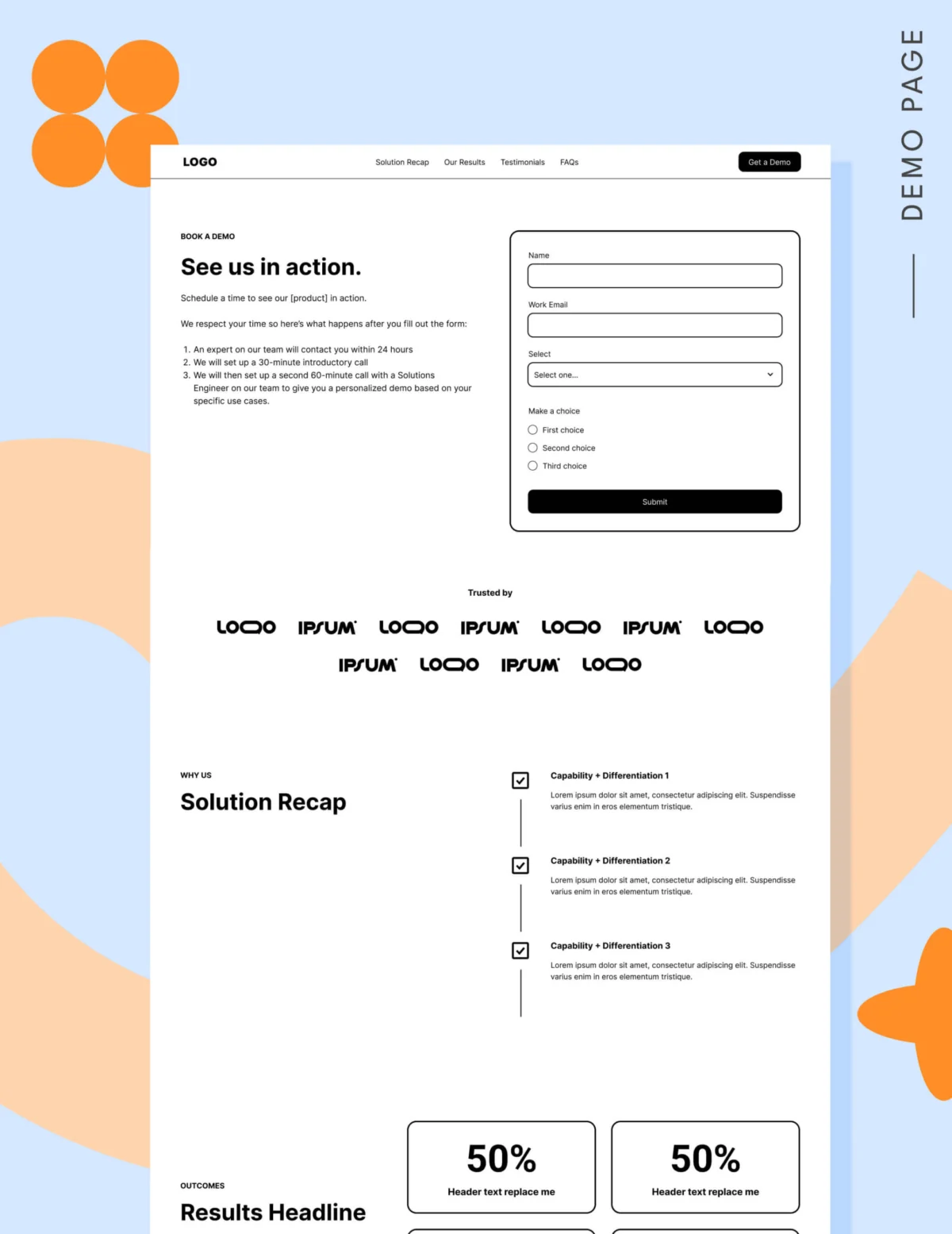
1. Navigation and Ecosystem Integration
Unlike standard squeeze pages, modern demo landing pages benefit from structured anchor navigation that lets users jump instantly to key sections (such as features, proof, or pricing). Furthermore, a minimalist footer should link back to foundational resources—such as case studies, comparison pages, and pricing calculators—allowing hesitant buyers to self-qualify rather than bouncing entirely.

2. The Hero Section and Process Transparency
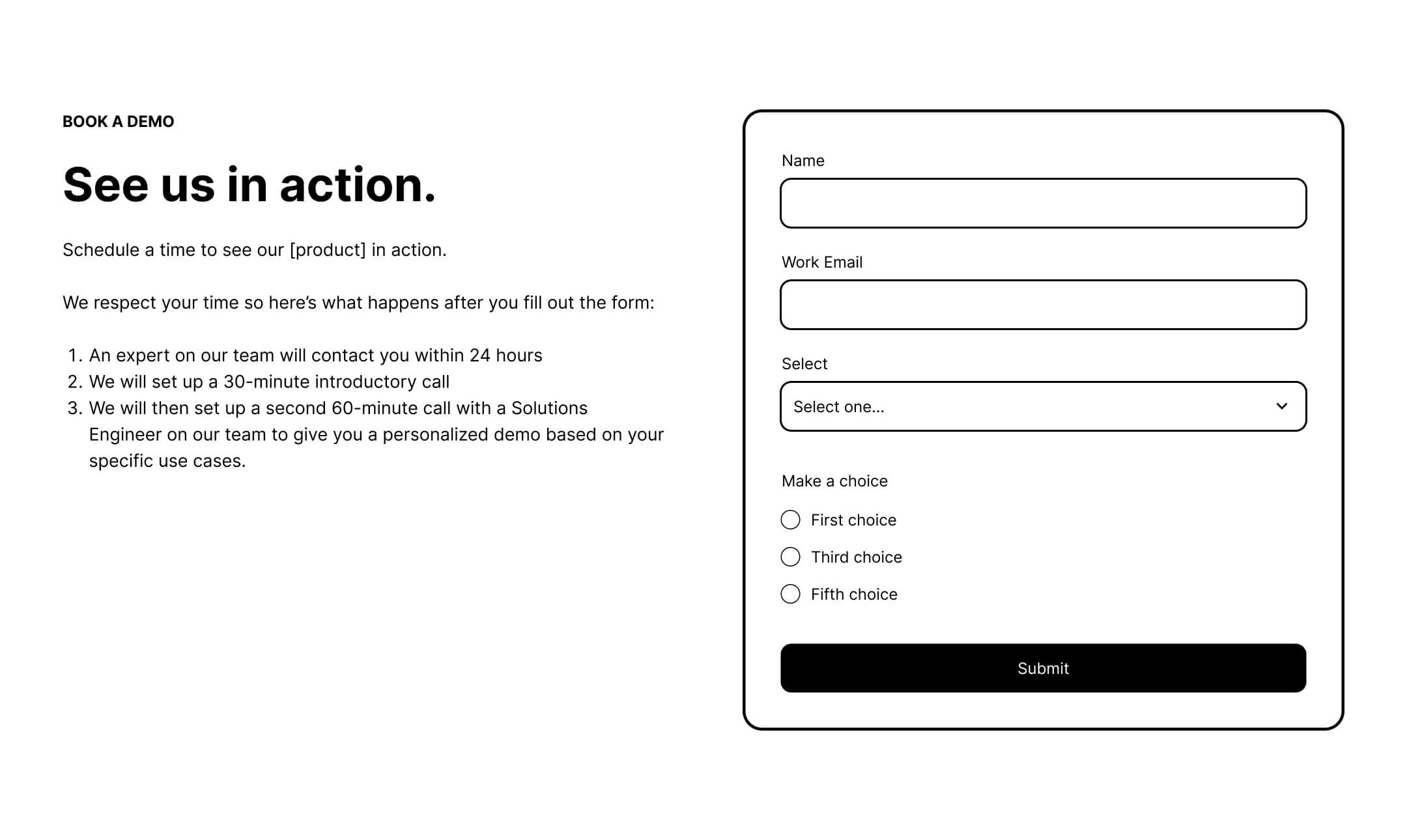
This is one of the few landing page archetypes where placing a conversion form "above the fold" is entirely appropriate. Because visitors arrive with high intent, the hero section must instantly clarify what happens next. Organizations should explicitly answer questions regarding meeting duration, participant roles, and pressure levels.
3. Proof Mechanics: Logo Gardens and Quantitative Results
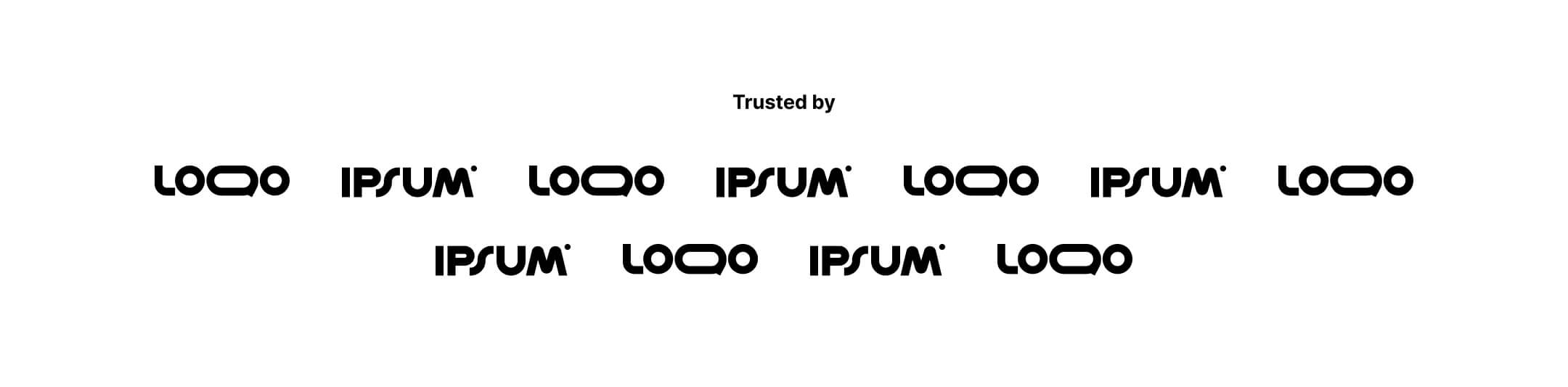
Trust must be systematically stacked. If target buyers recognize your customer base, deploy a prominent logo garden paired with a strong credibility metric (e.g., "Trusted by 10,000 digital marketers and agencies"). If enterprise names are lesser-known, replace them with bite-sized, high-impact customer quotes. Following this, incorporate a dedicated "Results" block featuring verifiable, quantifiable performance metrics.
4. Comprehensive Social Proof and FAQs
While a few testimonials are helpful, volume builds psychological safety. Much like an e-commerce platform where high review counts signal minimized risk, demo pages should feature anywhere from three to twelve targeted testimonials. Pair these with a robust FAQ section designed explicitly to defuse the top three sales objections and clarify onboarding timelines.
5. The Pricing Debate: To Show or Not to Show?
While traditional sales-led SaaS companies often hide pricing behind a sales gate, modern data suggests that displaying at least a starting tier (e.g., "Plans starting at $X/month") or a condensed pricing matrix dramatically improves lead quality. Transparency filters out unqualified traffic early, saving sales teams from wasted calls and preserving enterprise bandwidth.
Implications for Go-To-Market Strategy
The overarching takeaway for modern B2B organizations is clear: Fix your targeting before you fix your landing page.
If a company drives cold, low-intent traffic to a demo page, even the most brilliantly designed wireframe will fail. Conversion optimization cannot compensate for a fundamentally misaligned audience strategy. Marketing and sales leadership must align on definitions of lead maturity, ensuring that campaigns nurture buyers through comprehensive educational content before inviting them to convert.
Furthermore, companies must re-evaluate their choice of conversion mechanisms. While traditional static forms are ideal for deep lead enrichment, scheduling tools like Calendly can drastically improve conversion velocity if and only if the inbound traffic has been thoroughly qualified upstream. Adding positive friction—such as a single, smart screening question prior to calendar booking—can successfully filter out poor-fit prospects while maintaining a frictionless experience for high-value enterprise accounts.
Ultimately, by treating the demo landing page as an environment designed to reassure a warm, hesitant buyer—rather than a trap designed to capture uneducated leads—organizations can repair the friction between marketing and sales, optimize their ad spend, and sustainably accelerate pipeline growth.



