Introduction: A New Milestone in WordPress Web Design
In the vast and ever-evolving landscape of content management systems, few releases capture the attention of the global web development community quite like a new default WordPress theme. Serving as both a functional skeleton for new websites and a showcase for the platform’s latest technical capabilities, default themes occupy a unique space in digital architecture. Entering the ecosystem with massive anticipation, Twenty Twenty-Five has officially solidified its place as a cornerstone of modern WordPress development, crossing the monumental threshold of over one million active installations.
Developed and supported by a diverse, passionate global community, Twenty Twenty-Five is more than just a fresh coat of paint for the world’s most popular CMS. It represents a philosophical shift toward extreme simplicity, ultimate adaptability, and deep accessibility. Designed to cater to everything from personal blogs and professional portfolios to bustling online magazines and complex corporate business sites, this community-driven theme redefines what users can expect out-of-the-box from open-source web design.
Main Facts: What Makes Twenty Twenty-Five Stand Out?
At its core, Twenty Twenty-Five is engineered to strip away the unnecessary friction of web design, offering an intuitive canvas that prioritizes content above all else.
Core Design Philosophy
The primary ethos driving Twenty Twenty-Five is the harmonious balance between simplicity and adaptability. Modern website creators often find themselves trapped between rigid, over-engineered themes and blank canvases that require extensive coding knowledge. Twenty Twenty-Five bridges this gap by providing flexible design options underpinned by a robust library of pre-designed patterns.
Whether a site administrator is constructing a conversion-focused landing page, a sleek services page, or an immersive photo gallery, the theme provides structural blueprints that drastically reduce development time.
Layout Versatility
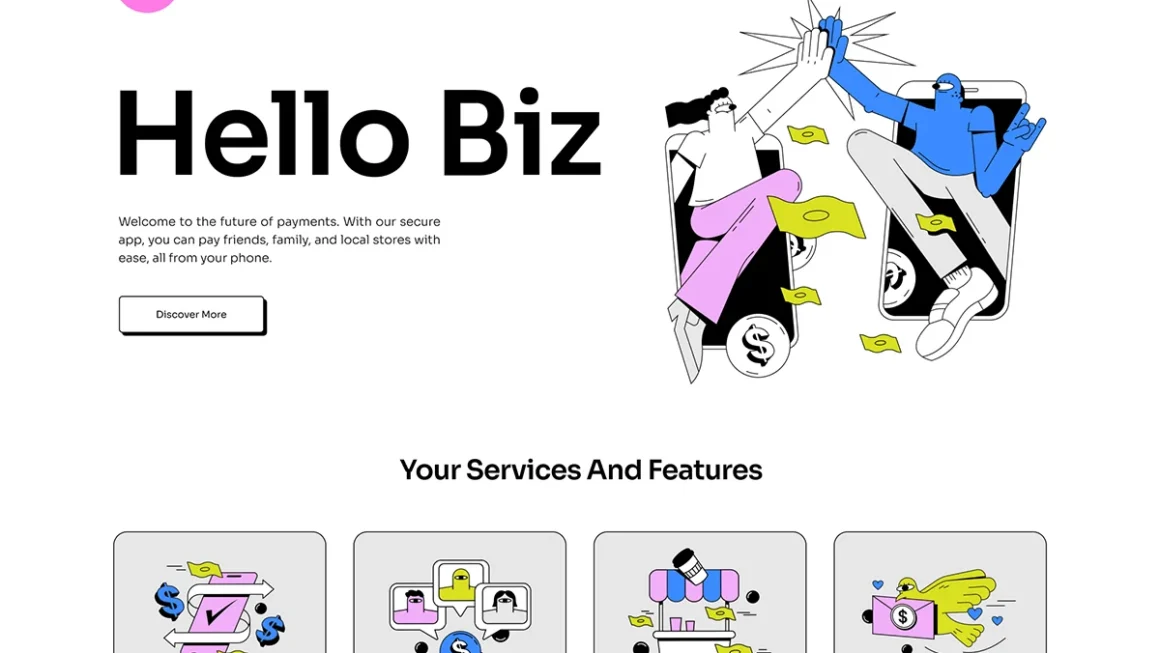
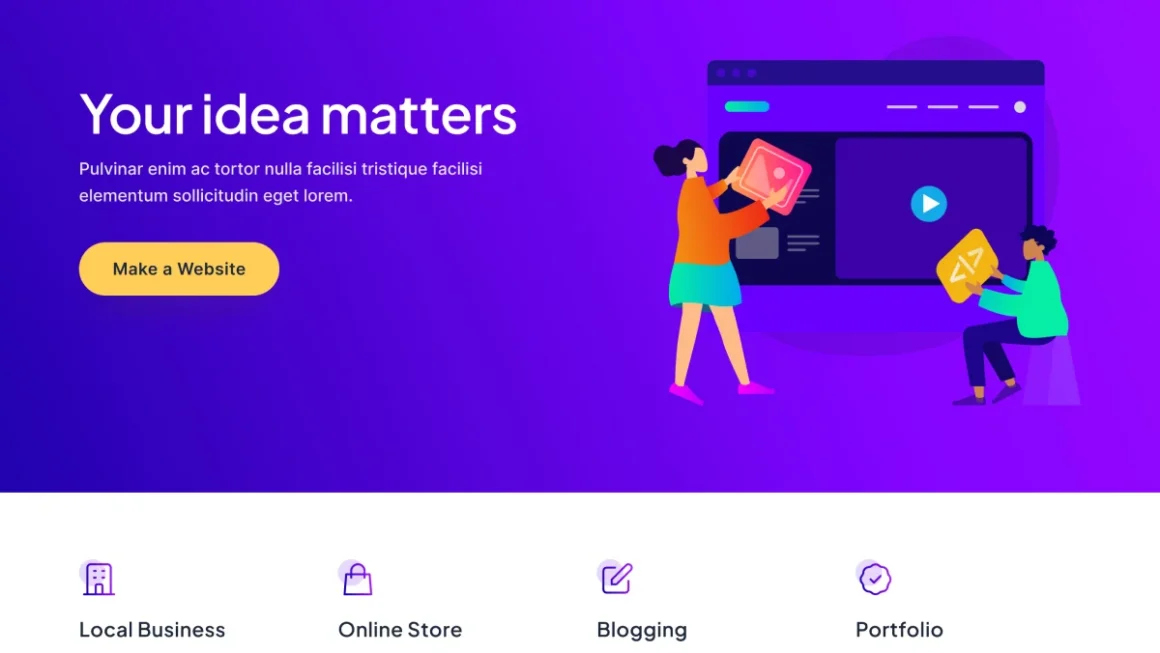
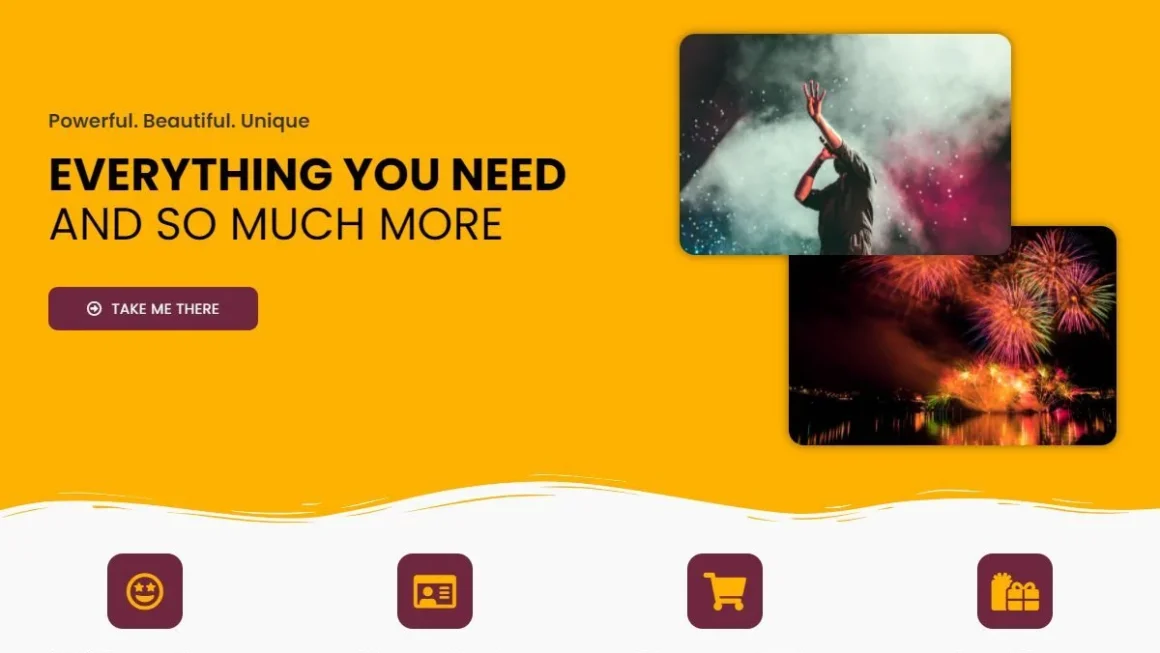
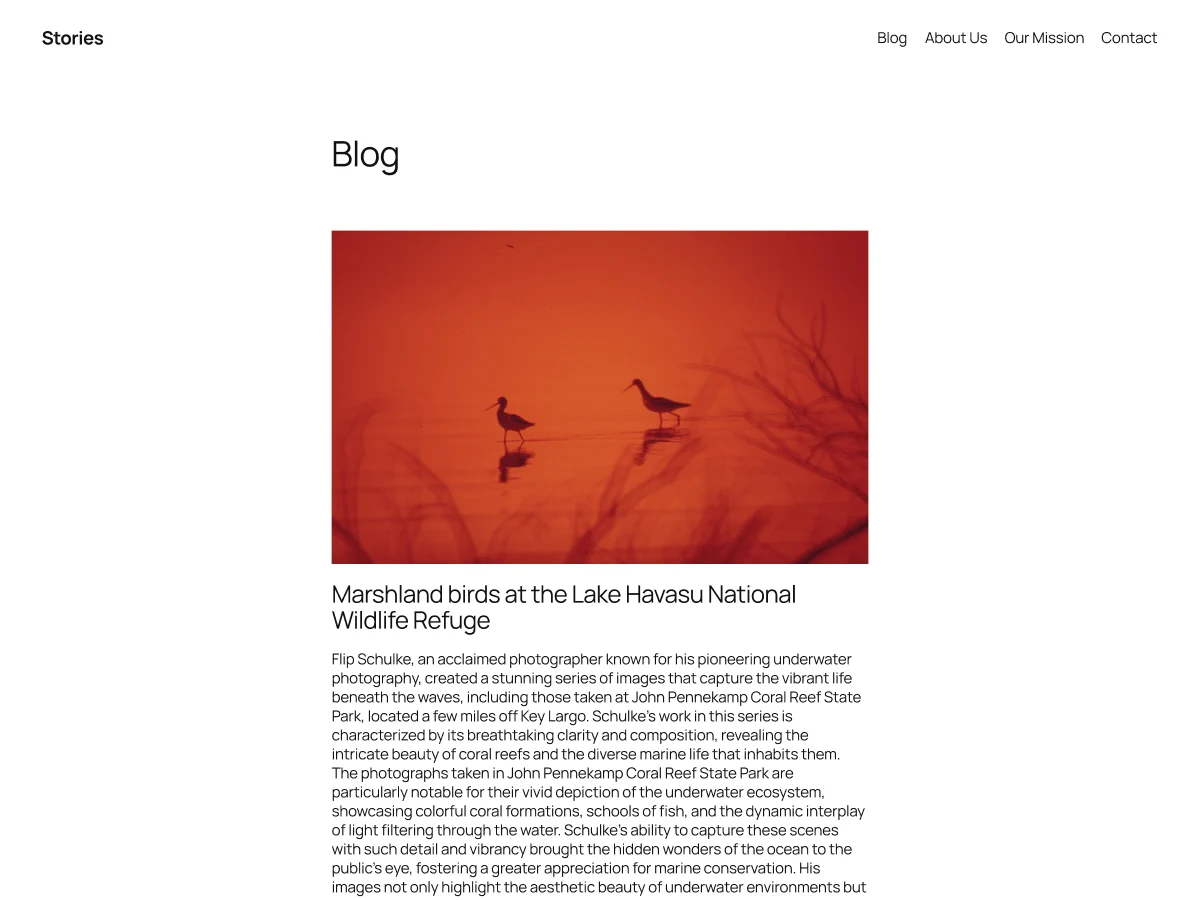
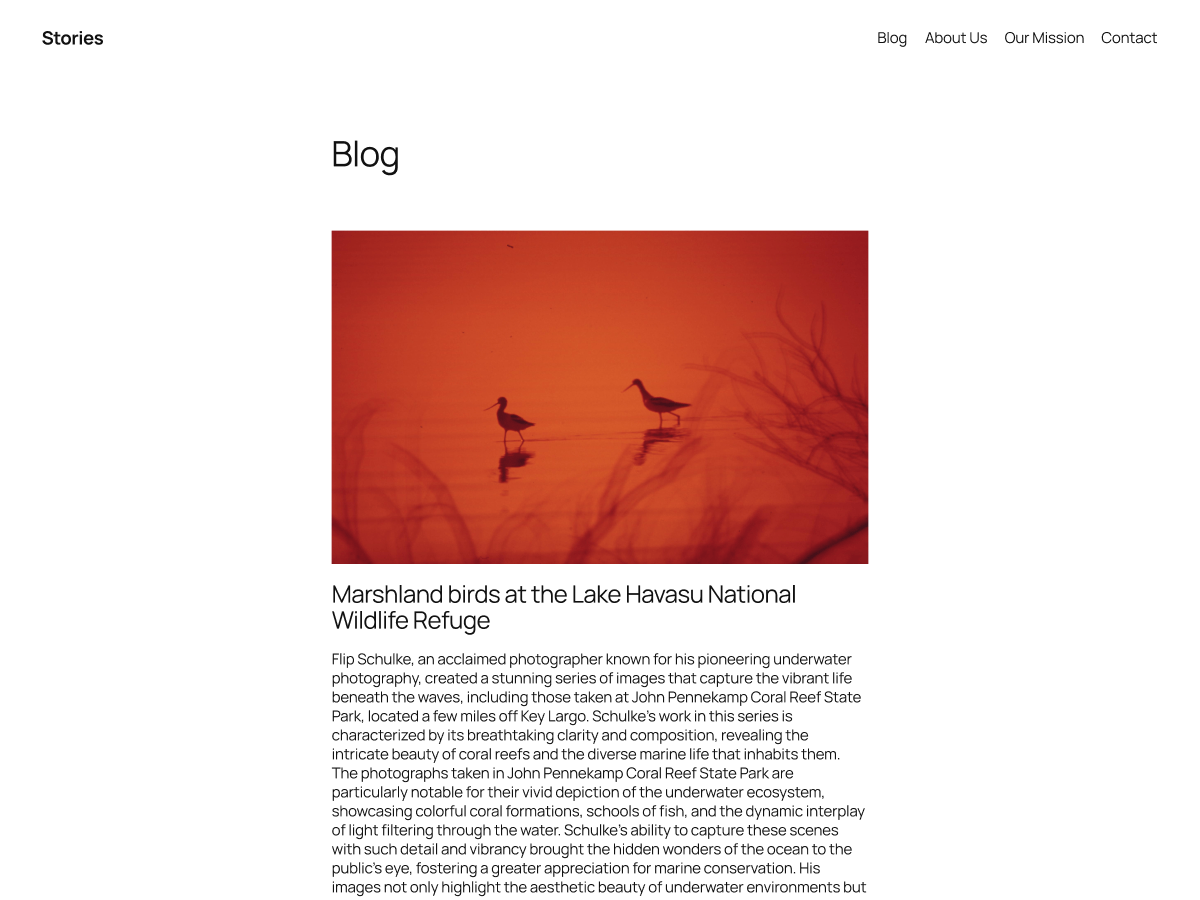
Flexibility is baked into the DNA of Twenty Twenty-Five. The theme accommodates a vast array of blog styles, seamlessly transitioning from text-focused layouts reminiscent of classic literary journals to image-heavy, dynamic masonry-style grids suited for modern visual artists.
Key structural and functional features include:
- One-Column Layouts: Perfect for distraction-free reading and long-form storytelling.
- Wide and Full-Width Blocks: Enabling cinematic visual storytelling with edge-to-edge imagery and media.
- Sticky Posts: Ensuring critical announcements or hallmark content remain prominently displayed.
- Threaded Comments: Fostering community engagement and vibrant discussions directly on posts.
Internationalization and Inclusivity
In an increasingly interconnected digital economy, a website must be able to speak to a global audience. Twenty Twenty-Five embraces this reality through comprehensive international typography support and diverse color palettes engineered to look stunning across various cultural and aesthetic preferences.
Crucially, the theme is fully Accessibility Ready, ensuring that individuals using screen readers or navigating via alternative input devices experience an unhindered, equitable browsing journey. Furthermore, it boasts robust Right-to-Left (RTL) language support, accommodating scripts such as Arabic, Persian, and Hebrew with pristine alignment and readability.
Chronology: The Journey to One Million Active Installations
The rapid ascent of Twenty Twenty-Five to over one million active installations is a testament to the rigorous, collaborative development lifecycle characteristic of the WordPress community. While default themes are automatically bundled with major WordPress core updates, their success relies entirely on how well they resonate with developers, designers, and end-users alike.
Phase 1: Conceptualization and Community Ideation
Long before the first line of code was written or the initial design mockups were rendered, the WordPress community engaged in extensive discussions regarding the trajectory of default themes. Following the modular successes of Twenty Twenty-Three and Twenty Twenty-Four, the community identified a growing demand for a theme that leaned heavily into Full Site Editing (FSE) capabilities while remaining approachable for novices. The goal was set: build a theme that championed natural writing flows and modular design blocks.
Phase 2: Alpha and Beta Testing Cycles
As development commenced under the guidance of designated release leads and community contributors, the theme underwent rigorous testing cycles. Developers across the globe stress-tested its responsiveness, evaluated its integration with the block editor, and audited its accessibility compliance. During this phase, style variations were expanded, and pattern libraries were refined to ensure that users had access to a diverse array of aesthetic choices without needing to install third-party plugins.
Phase 3: Official Release and Global Adoption
Upon its official launch, Twenty Twenty-Five was integrated directly into the WordPress ecosystem, making it instantly accessible to millions of existing site administrators and new users spinning up fresh installations. Within a remarkably short timeframe, adoption metrics skyrocketed. Crossing the milestone of one million active installations signaled not just widespread deployment, but a profound vote of confidence in the stability and versatility of the WordPress block-based paradigm.
Supporting Data: Features, Customization, and Global Reach
A quantitative analysis of Twenty Twenty-Five reveals a meticulously engineered digital asset equipped with an extensive suite of modern web tools.
Technical Specifications and Tag Integration
The WordPress repository classifies Twenty Twenty-Five under a comprehensive umbrella of tags, highlighting its multi-faceted utility:
Accessibility ready&Translation readyBlock editor patterns&Block editor stylesBlock themes(Full Site Editing compatible)Custom colors,Custom logo, andCustom menuEditor style&Featured imagesNews,Portfolio, andBlogarchetypesRTL language support&Sticky postcapabilitiesStyle variations&Wide blocks
Style Variations (16 Distinct Aesthetic Profiles)
One of the most celebrated features of Twenty Twenty-Five is its inclusion of 16 distinct style variations. Recognizing that a single visual identity cannot possibly satisfy every niche—from a minimalist minimalist design studio to a vibrant culinary blog—the theme empowers users to fundamentally alter their site’s mood with a single click. These variations intelligently remap color palettes, typography pairings, and layout structures, granting users agency that previously required hiring a dedicated front-end designer.
Global Localization
WordPress has always been a truly global platform, and Twenty Twenty-Five honors this tradition by launching with an unprecedented breadth of localized translations. The theme is available in dozens of languages and regional dialects, ensuring native support for global users.
A snapshot of supported languages and regional variants includes:
- Arabic, Persian, and Hebrew (Full RTL integration)
- European Languages: Catalan, Czech, Welsh, German (including Austrian and Swiss variants), Estonian, Basque, French, Frisian, Galician, Croatian, Italian, Latvian, Norwegian (Bokmål), Polish, Portuguese (including Brazilian Portuguese), Albanian, Swedish, and Finnish.
- Asian and Indic Languages: Japanese, Korean, Lao, Malayalam, Marathi, Vietnamese, and Simplified/Traditional Chinese.
- Regional Spanish variants: Spanish (Spain, Chile, and Mexico).
This massive translation footprint is sustained by the tireless efforts of the WordPress Polyglots translation community, with active translation portals available for contributors looking to expand linguistic support even further.
Official Responses: Community Support and Governance
The success of any open-source project hinges on the strength of its support infrastructure and the responsiveness of its maintainers. Twenty Twenty-Five benefits from a robust, decentralized support network anchored by the official WordPress infrastructure.
The Support Ecosystem
Because Twenty Twenty-Five is developed as a community theme, support is managed collaboratively through the official WordPress Support Forums. Users encountering configuration hurdles, layout bugs, or compatibility questions can tap into a vibrant community of peers, moderators, and theme contributors.
- Support Forums: The dedicated Twenty Twenty-Five Support Forum serves as the primary triage center for user inquiries, offering searchable archives of resolved issues alongside active troubleshooting threads.
- Issue Reporting: For developers and advanced users who identify structural bugs, accessibility flaws, or regression issues, the WordPress Theme Review and Development teams maintain a structured reporting pipeline via the Make WordPress Themes Report Portal.
Code Transparency and Contribution
True to the open-source ethos, the entirety of the Twenty Twenty-Five codebase is open for public inspection, auditing, and iterative contribution. Developers can browse the raw source code, study its PHP templates and block patterns, and contribute back to the project via the official WordPress translation and development hubs.
Implications: What Twenty Twenty-Five Means for the Future of Web Development
The rapid adoption and architectural sophistication of Twenty Twenty-Five carry profound implications for the broader web design and content management industries.
1. The Maturation of Full Site Editing (FSE)
For years, critics argued that WordPress was lagging behind modular page builders like Elementor, Webflow, or Squarespace. With the refinement of Full Site Editing in Twenty Twenty-Five, those arguments are rapidly losing ground. By demonstrating how fluidly a native block theme can handle complex layouts, style variations, and global styling rules without external dependencies, WordPress has set a new benchmark for core-level performance. Users no longer need bloated third-party plugins to achieve bespoke design outcomes.
2. Democratization of High-End Design
The inclusion of 16 meticulously crafted style variations combined with robust accessibility standards democratizes high-end web design. Small business owners, independent journalists, and non-profit organizations operating on tight budgets can deploy a website that looks and feels custom-built by an agency. This lowers the barrier to entry for digital entrepreneurship, empowering creators to focus on what matters most: their content and their audience.
3. A Blueprint for Community-Driven Open Source
Finally, Twenty Twenty-Five serves as a masterclass in open-source collaboration. By synthesizing feedback from thousands of contributors spanning diverse linguistic, cultural, and technical backgrounds, the theme proves that collaborative development can yield enterprise-grade software. As WordPress continues to scale toward future iterations, Twenty Twenty-Five will undoubtedly stand as a defining milestone in the platform’s journey toward total design freedom.
Conclusion
Twenty Twenty-Five is much more than just a default theme for a popular content management system. It is a comprehensive design system, a triumph of accessibility, a feat of international localization, and a testament to the power of community-driven open-source development. Crossing the one-million-installation mark is not merely a quantitative metric; it is proof that simplicity, adaptability, and user-centric design remain the ultimate currencies of the modern web. As developers and creators continue to build upon its flexible foundation, Twenty Twenty-Five will undoubtedly shape the aesthetic and functional contours of the digital world for years to come.