








PUNE: The burgeoning debate over the legality and safety of app-based bike taxi services in Maharashtra has reached a critical boiling point. In a decisive move to curb what authorities label as "unauthorized" operations, the Pune Police have formally requested that global tech giants Google and Apple remove the Rapido application from their respective Play Store and App Store platforms.
This escalation marks a significant chapter in the ongoing friction between the gig economy, local transport authorities, and established commuter unions, highlighting the growing pains of urban mobility in India’s tech hubs.
The Genesis of the Crackdown: A Regulatory Standoff
The directive to initiate the removal of the app originated from the office of the Pune Collector and Regional Transport Authority (RTA) chairperson, Jitendra Dudi. Following a series of warnings and legal notices, the RTA formally requested the police to intervene and ensure the cessation of services that operate without the requisite state permits.
Pune Police Commissioner Amitesh Kumar confirmed the action, stating that official communications have been dispatched to the tech conglomerates. The crux of the administration’s argument is rooted in the absence of valid state-approved licenses for Rapido’s two-wheeler taxi operations. Despite the filing of a First Information Report (FIR) against the company last week, the service remains operational, with the bike-taxi option currently active on the user-facing application across the city.
Chronology of the Dispute
The tension between the Pune administration and Rapido is not a sudden occurrence but the culmination of months of regulatory friction:
- Initial Warnings: Throughout the year, the Pune Regional Transport Office (RTO) issued multiple advisories, urging Rapido to obtain proper documentation and adhere to the guidelines set forth in the Maharashtra Bike Taxi Policy.
- The Regulatory Gap: Rapido’s formal application for operating licenses has remained in a state of administrative limbo. RTO officials maintain that the company has failed to fulfill essential safety and operational criteria, making their continued service technically illegal.
- Escalation to Legal Action: With the company continuing to facilitate rides, the RTO transitioned from administrative warnings to legal enforcement, resulting in the registration of an FIR against the platform.
- The "Digital Ban" Request: Finding that physical enforcement on the streets was insufficient to halt the digital platform’s reach, the RTA chair, Jitendra Dudi, directed the police to approach the app stores—a tactic used previously in India to curb illegal betting and loan apps.
Official Responses: Safety vs. Compliance
The stance of the authorities is twofold: administrative compliance and public safety. RTO officials have emphasized that the approval process for bike taxis in Maharashtra is stringent for a reason. They argue that without proper oversight, there is no mechanism to verify the background of drivers or ensure that the vehicles meet commercial safety standards.
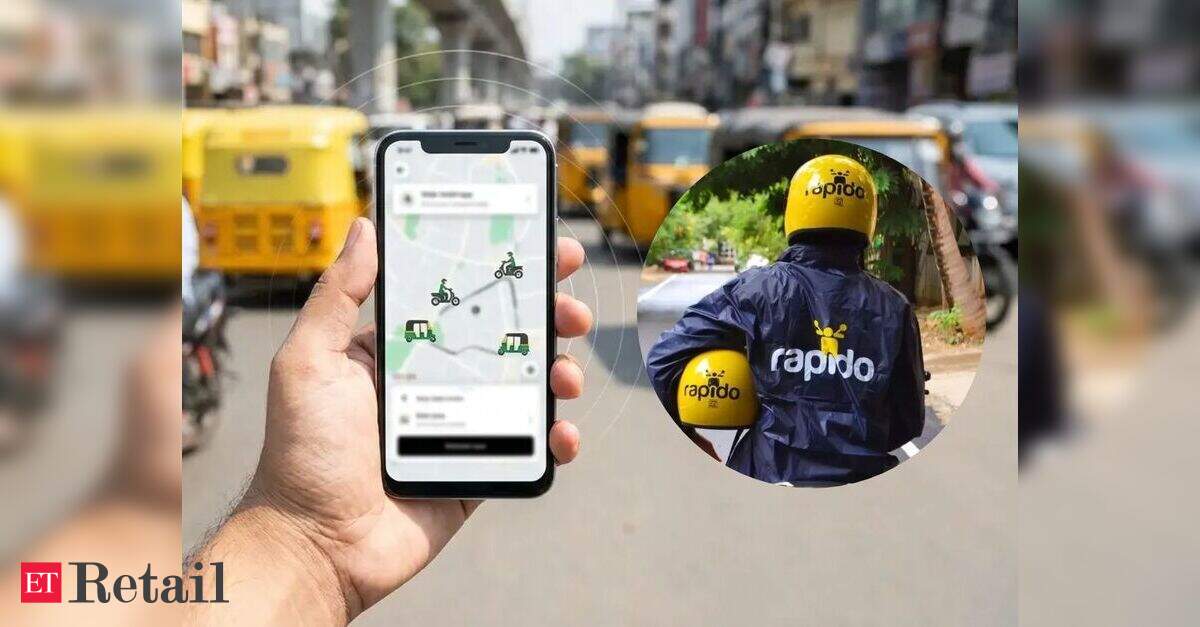
Conversely, the autorickshaw unions—the most vocal opponents of the bike taxi model—have found common ground with the authorities. Keshav Kshirsagar, president of the Maharashtra Kamgar Sabha and the Indian Gig Workers Front, has been a staunch advocate for a complete shutdown.
Beyond the economic impact on rickshaw drivers, Kshirsagar has raised alarming security concerns. He pointed to a recent high-profile case involving the Maharashtra Anti-Terrorism Squad (ATS), which apprehended a bike taxi operator suspected of having links with a militant organization in Pakistan. For the unions, this is evidence that the current vetting process for gig workers on such platforms is dangerously inadequate.
The Commuter Dilemma: A City Caught in the Middle
While the authorities and unions focus on legality and security, the average Pune resident is caught in a mobility crisis. The proposed shutdown of Rapido has sparked a wave of backlash from daily commuters who argue that the current public transport infrastructure is insufficient to meet the city’s demands.
The Connectivity Gap
For many residents, particularly those commuting to IT hubs like Hinjewadi or Magarpatta, the bike taxi is not a luxury—it is a necessity. Users have expressed frustration that while authorities are quick to ban a service, they have been slow to provide viable alternatives.
One commuter, speaking on the condition of anonymity, highlighted the frustration of the "last-mile connectivity" issue. "When the Metro is delayed and autorickshaws refuse to go to certain areas or overcharge, the bike taxi is the only reliable option," the commuter noted. "If the government wants to ban these apps, they must first fix the public transport system, ensure meter-based rickshaw travel, and stop the persistent harassment of passengers by drivers."
The Infrastructure Lag
The debate has also reignited criticism regarding the slow rollout of public infrastructure. Residents pointed to the irony of seeing completed Metro lines remain non-operational for weeks while the public continues to struggle with traffic congestion and expensive, unreliable commute options. The sentiment among the youth and professionals is clear: they prefer a regulated service over an outright ban that leaves them stranded.

Implications for the Gig Economy
The situation in Pune serves as a microcosm of the challenges facing the Indian gig economy. As states struggle to frame policies that balance the interests of traditional transport unions with the convenience of modern app-based services, the "regulatory vacuum" continues to hurt both the companies and the end users.
The Need for a Middle Ground
Industry analysts suggest that an outright ban may not be the optimal solution. Instead, they propose:
- Strict Verification Protocols: Mandating that all bike taxi partners undergo a police background check similar to the one required for commercial taxi drivers.
- Regulatory Sandbox: Allowing platforms like Rapido to operate under a temporary permit while they work toward full compliance, provided they adhere to specific safety parameters.
- Unified Fare Structures: Addressing the grievances of the autorickshaw unions by standardizing fare structures, which would eliminate the competitive price wars that currently cause friction between the two segments.
Future Outlook: What Happens Next?
As of now, neither Google nor Apple has officially confirmed the removal of the app, and the service remains live. The legal battle is expected to intensify, with Rapido likely to challenge the move in higher courts, citing the fundamental right to carry out business and the massive user base that relies on its platform.
For the Pune administration, the challenge lies in balancing the enforcement of law with the socio-economic reality of a growing city. If the app is indeed removed, the vacuum left behind will likely see a surge in demand for already-strained public transport, potentially leading to a new set of challenges for the RTA.
The Rapido case is more than a dispute over bike taxis; it is a battle for the future of urban mobility in India. As technology continues to outpace policy, the Pune model of "digital enforcement" may well become the template—or the cautionary tale—for cities across the country attempting to integrate the gig economy into their urban planning frameworks.
Key Takeaways:
- The Core Conflict: Pune authorities are seeking to ban Rapido for operating without state-sanctioned licenses.
- Safety Concerns: Unions highlight the potential for criminal activity due to lax verification processes.
- Commuter Pushback: Citizens argue that the ban will exacerbate the city’s existing public transport shortages.
- Status: The app remains active while authorities await a response from global tech platforms.