










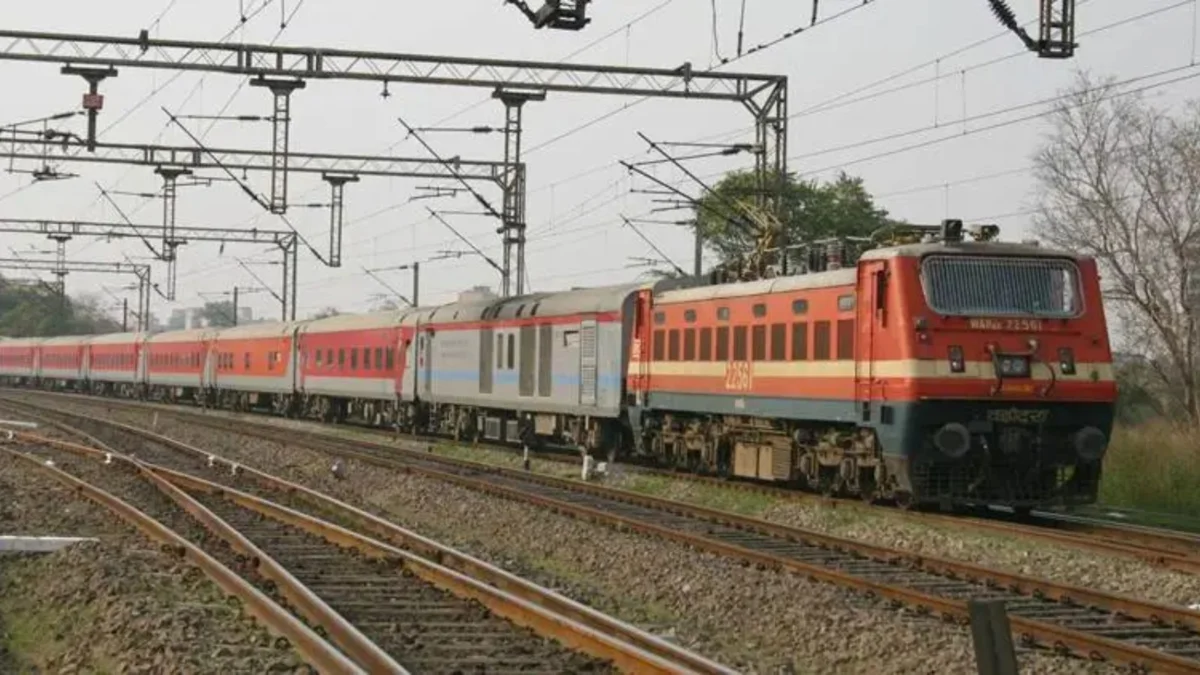
New Delhi — In a massive disruption to public transit across northern India, Indian Railways cancelled at least 245 trains originating from or terminating at major Delhi stations. The sweeping cancellations, implemented ahead of a high-profile political demonstration by the Cockroach Janta Party (CJP) at Jantar Mantar, have triggered a firestorm of criticism across social media, drawing swift judicial intervention from the Supreme Court over the proportionality of the state’s response.
The sudden operational freeze highlights the intensifying friction between administrative measures aimed at maintaining public order and the fundamental rights of citizens to freedom of movement and assembly. As commuters face immense hardships, legal and political analysts are questioning whether the measures taken by authorities crossed the line from precautionary crowd control into systemic suppression of dissent.
1. Main Facts: The Scope of the Railway Shutdown
According to data released by Northern Railway, the cancellations comprise 75 Mail and Express services alongside 170 passenger trains. The restrictions were officially justified by railway authorities as a necessary step to mitigate anticipated severe road traffic congestion around the national capital’s primary transit hubs, including New Delhi Railway Station and Hazrat Nizamuddin Railway Station.
The sweeping order primarily targeted long-distance and premium services. Northern Railway detailed the operational directive in a formal statement:
"All Mail/Express Trains starting at source after 2 PM today i.e. October 9, 2026, which are reaching New Delhi, Hazrat Nizamuddin Railway Station on October 10, 2026, from 4 AM to 2 PM be cancelled at source."
In addition to the 245 outright cancellations, the disruption includes:
- Rescheduling: Two premier trains, including the Mumbai Central-New Delhi Tejas Rajdhani Express and the August Kranti Tejas Rajdhani Express, were heavily rescheduled.
- Short Terminations and Origins: Nine trains were curtailed mid-route, forcing passengers to disembark far ahead of their intended destinations.
- Passenger Trains: All commuter and regional passenger services scheduled to operate between 4:00 AM and 2:00 PM on Saturday were grounded.
While the cancellations crippled connectivity from key states like Uttar Pradesh and Bihar, some exceptions were made based on transit logistics. For instance, the Prayagraj Express (originating at 10:10 PM) was pulled from the schedule, whereas the Kerala Express—having departed Thiruvananthapuram earlier—was permitted to complete its journey, arriving in New Delhi as scheduled.
2. Supporting Data: A Pan-Indian Impact on Premium and Express Corridors
The rail shutdown affected some of the nation’s busiest passenger corridors, catching thousands of daily commuters, business travelers, and tourists off guard. The collateral damage extended across multiple zones, hitting premium infrastructure hard.
Premium Services Grounded
High-speed and premier networks—including prestigious Shatabdi, Rajdhani, Humsafar, and Tejas express trains—were pulled from service.
Key Corridors and Affected Routes
- From Bihar: Major arterial routes such as the Magadh Express, Rajendra Nagar-New Delhi Tejas Express, Sampoorna Kranti Express, and the Rajendra Nagar-New Delhi Amrit Bharat were cancelled, cutting off key connectivity from Patna and surrounding regions.
- From Uttar Pradesh: Heavy disruption struck the densely populated northern corridor. Cancelled services include the Kanpur-New Delhi Shatabdi Express, Prayagraj-New Delhi Express, Prayagraj-New Delhi Humsafar Express, Kanpur-New Delhi Shramshakti Express, Manikpur-Hazrat Nizamuddin Sampark Kranti Express, and the Agra-New Delhi Intercity.
- Central and Western Networks: Services connecting through Madhya Pradesh and Rajasthan, including three trains operating between Jabalpur and Hazrat Nizamuddin, two originating from Indore, and multiple regional connections from Rewari and Hisar, were shelved.
This broad geographic sweep crippled travel plans for thousands who had booked weeks in advance, leading to severe crowding at regional stations where passengers found themselves stranded without alternative transit options.
3. Chronology: How the Crisis Unfolded
The sequence of events leading up to the massive transport paralysis highlights a rapid escalation in security posture by the administration:
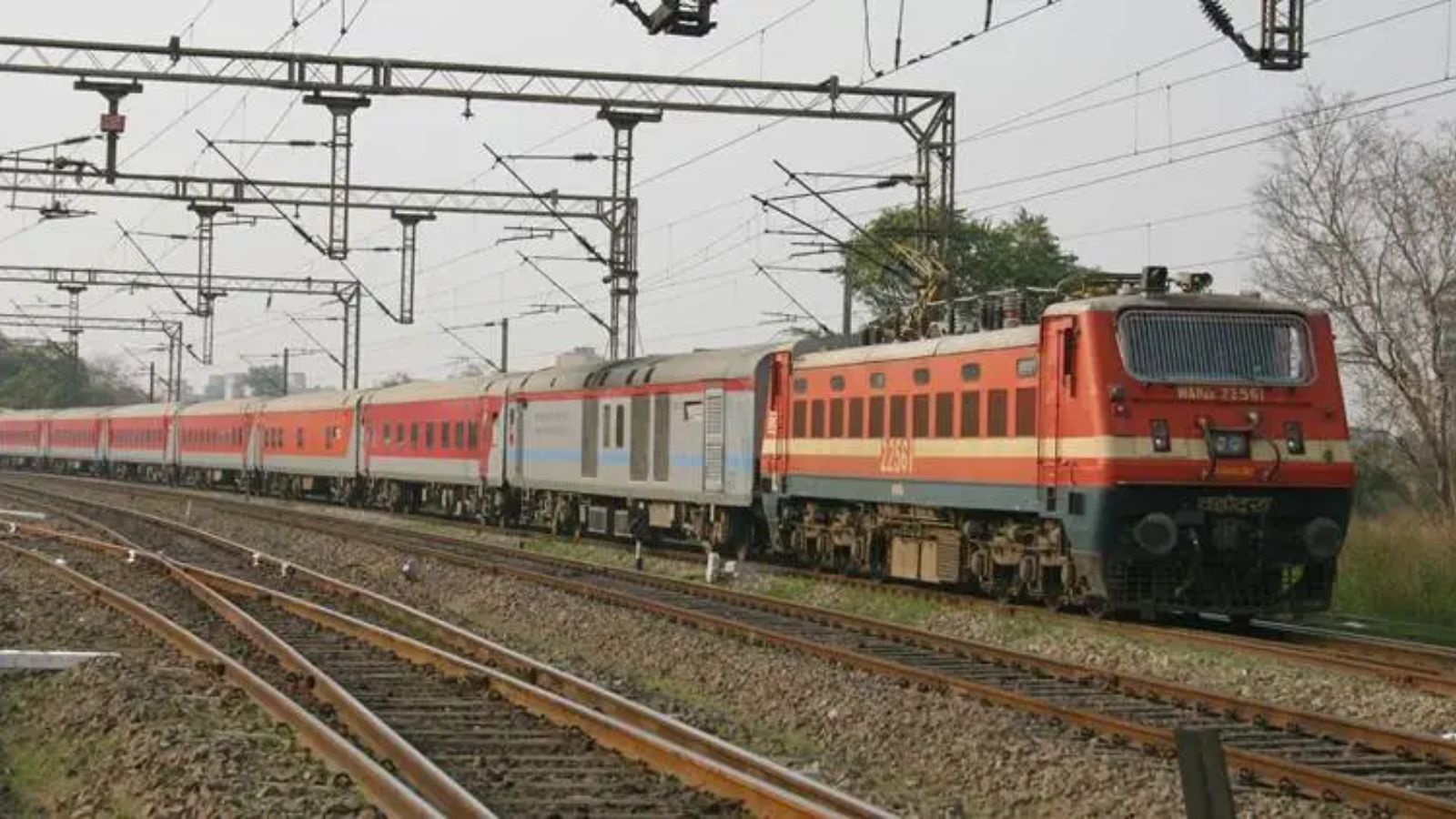
- October 8, 2026 (Midday): Long-distance trains, such as the Kerala Express, depart from distant southern origins unaware of the sweeping restrictions slated for the capital days later.
- October 9, 2026 (2:00 PM): The operational deadline set by Northern Railway takes effect. All Mail and Express trains scheduled to depart their source stations after this hour—and destined to arrive in Delhi between the critical window of 4:00 AM and 2:00 PM the following day—are blocked from starting.
- October 9, 2026 (Evening): Social media platforms light up with grievances. Commuters, stranded passengers, and political commentators accuse the government of weaponizing infrastructure shutdowns to prevent CJP protesters from gathering at Jantar Mantar.
- October 10, 2026 (Early Morning): The cancellation window begins. 170 passenger trains and 75 mail/express services remain grounded. Concurrently, legal challenges prompt an emergency hearing.
- October 10, 2026 (Daytime): The Supreme Court intervenes, sharply rebuking authorities for heavy-handed transit blockades and demanding adherence to the principle of proportionality.
4. Official Responses and Legal Interventions
The drastic curtailment of public transport immediately drew intense scrutiny from the judiciary, setting up a clash between executive security imperatives and constitutional protections.
The Supreme Court’s Rebuke
Taking cognizance of the widespread paralysis, the Supreme Court hauled up state authorities for causing systemic disruption under the guise of crowd management. In a stern oral observation, the apex court ordered the government to ensure that "everything is not brought to a halt" and that ordinary citizens do not bear the brunt of administrative overreach.
Emphasizing the constitutional limits of state action, the bench urged authorities to strictly follow "the principle of proportionality." In a striking metaphor that resonated across legal circles, the court remarked:
"If you have to avoid certain things, do it only to the extent that makes sure you are avoiding it. But it does not mean that you will use a hammer to kill a fly."
Government and Railway Justifications
In contrast to the judicial warning, railway officials and administrative spokespersons defended the move as an unavoidable security and logistical necessity. Authorities maintained that allowing unmonitored mass gatherings to coincide with unmitigated incoming rail traffic would create catastrophic gridlock, potentially risking public safety around vital national installations and emergency corridors in Delhi.
5. Implications: Balancing Public Order and Citizen Mobility
The events of October 9 and 10 have triggered a wider national debate regarding the limits of administrative power in a democracy.
1. Infringement on Freedom of Movement
Critics, civil rights groups, and affected commuters argue that shutting down public transport networks on a national scale to thwart a localized protest at Jantar Mantar constitutes a collective punishment. By preventing thousands of innocent citizens—who have nothing to do with the CJP demonstration—from reaching their destinations, the state risks violating Article 19 of the Constitution, which guarantees the right to move freely throughout the territory of India.
2. Economic and Logistical Fallout
The sudden disruption of 245 trains inflicts severe economic friction. Supply chains, business travel, medical tourism, and daily wage livelihoods dependent on the railway grid suffer immediate losses. The incident underscores the vulnerability of India’s centralized transport lifelines to sudden administrative freezes.
3. A Judicial Precedent for Future Protests
The Supreme Court’s intervention serves as a crucial warning shot to executive authorities. By demanding proportionality, the judiciary has signaled that maintaining law and order cannot come at the total expense of civic life. Future administrations planning similar transport clampdowns will likely face heightened legal scrutiny, forcing a shift toward more targeted, surgical crowd-control measures rather than blanket infrastructural shutdowns.
As normalcy slowly returns to Delhi’s railway stations, the legacy of this shutdown will linger—serving as a stark reminder of the delicate balance required between maintaining state security and preserving the democratic mobility of ordinary citizens.



