










Main Facts
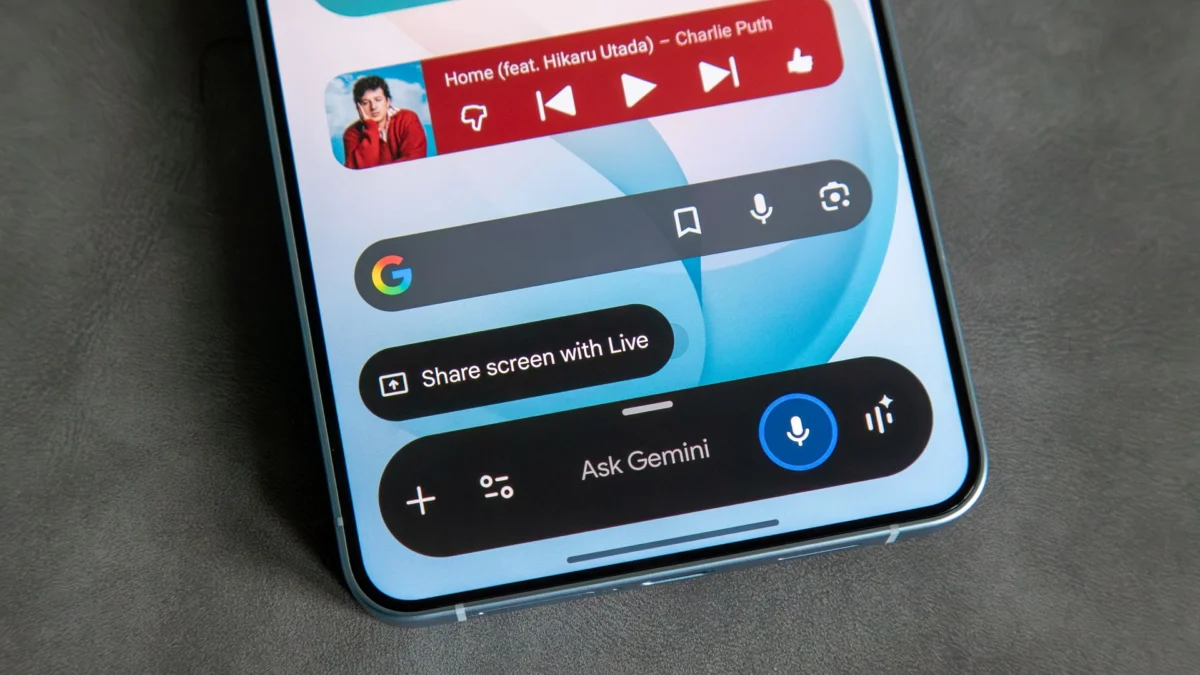
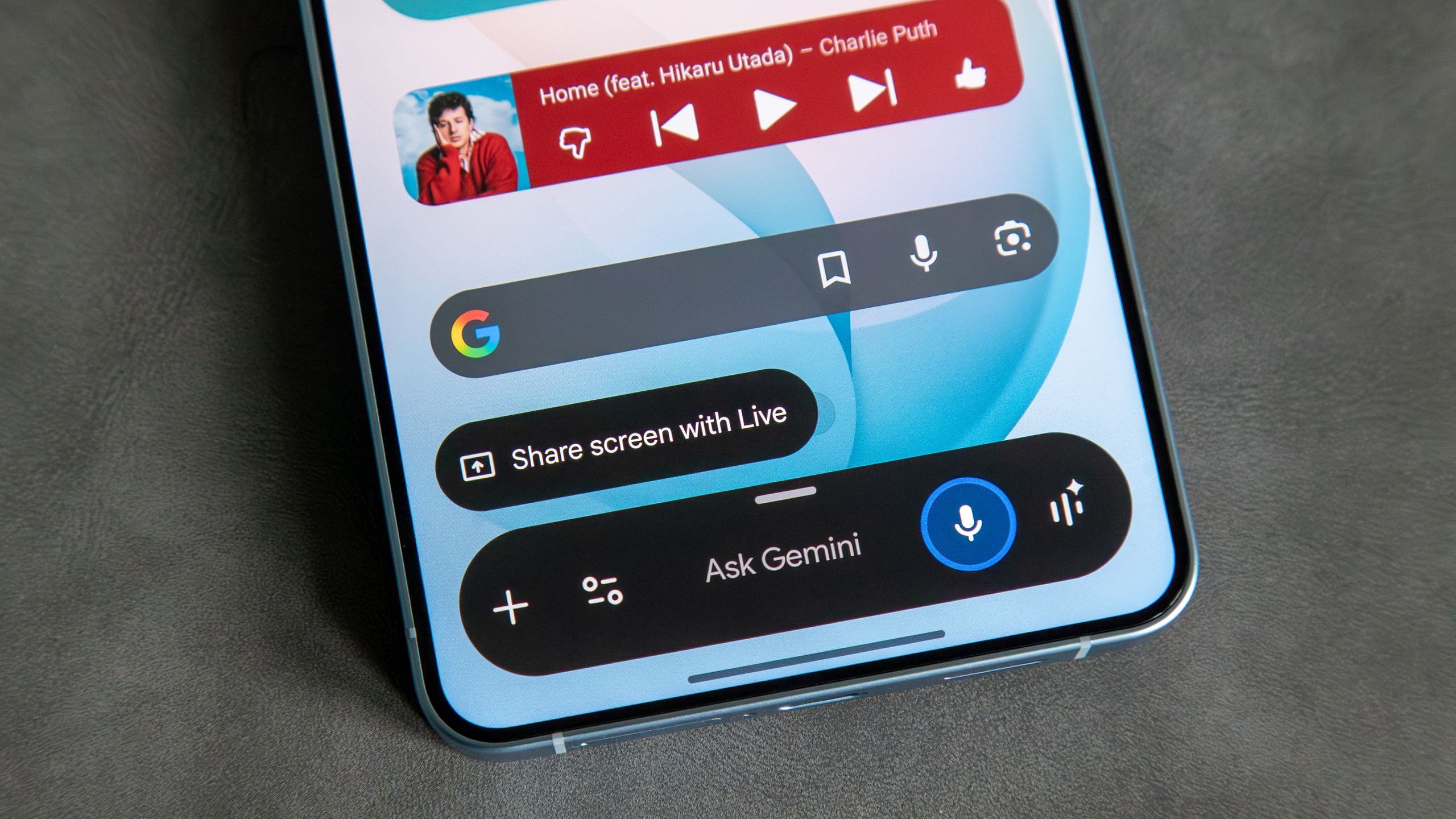
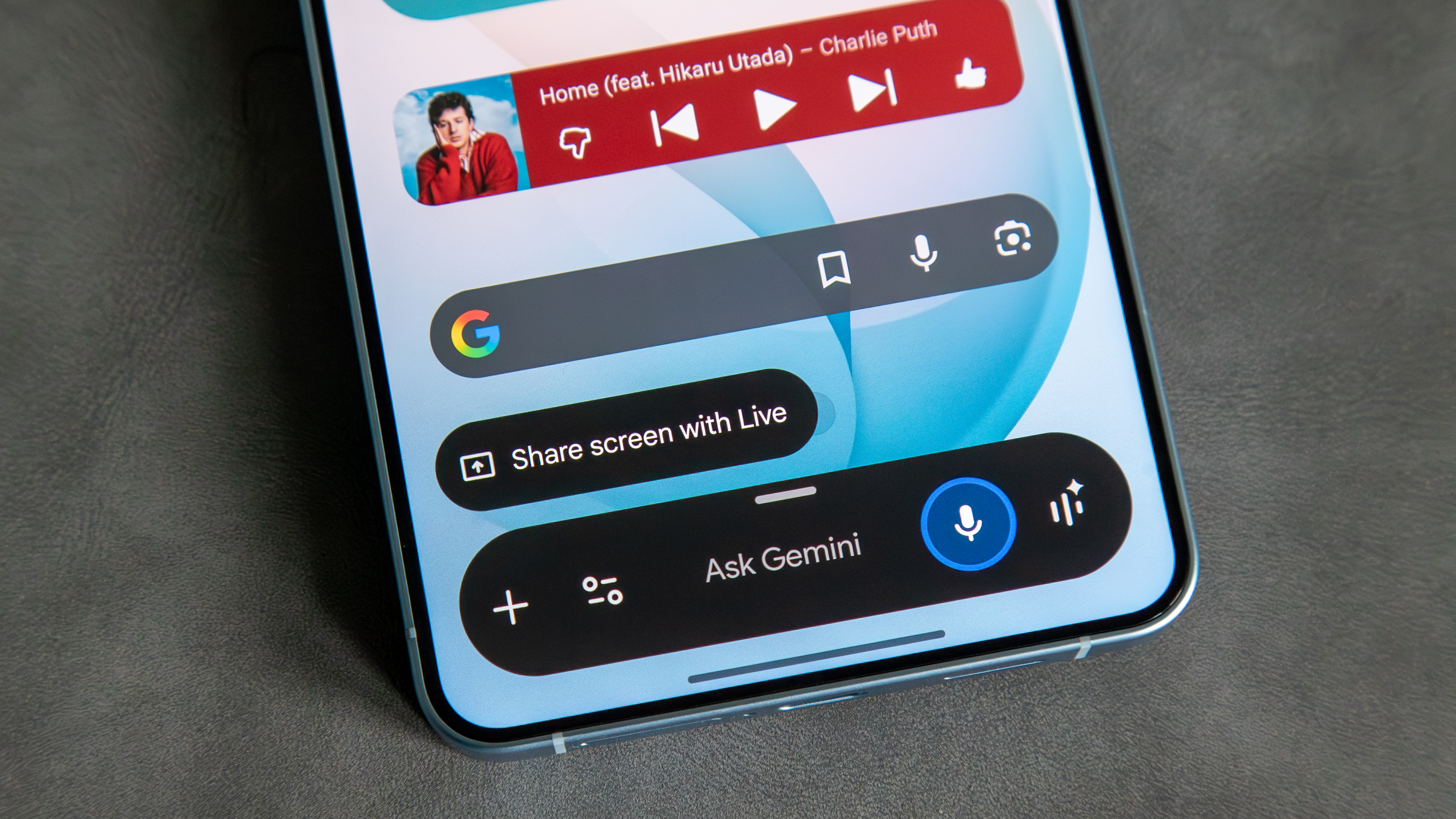
The landscape of Android navigation changed fundamentally on September 4, 2026, when Google officially pulled the plug on Google Assistant for smartphones, replacing the long-standing conversational helper with its generative AI-driven successor, Gemini. For years, Google Assistant served as the foundational digital concierge for millions of Android users worldwide, managing smart homes, setting alarms, retrieving quick weather updates, and executing hands-free tasks with reliability and speed. However, Google’s aggressive push toward artificial intelligence integration saw Assistant systematically phased out as the default assistant on Android devices, forcing users to adopt Gemini—whether they wanted to or not.
Now, a glimmer of hope has emerged for loyalists of the classic assistant. A resourceful Reddit user has discovered a surprisingly simple, albeit unofficial, workaround that bypasses Google’s enforced migration and successfully restores Google Assistant to its former default status on Android phones. By rolling back recent updates to the core Google app and temporarily sidestepping server-side prompts, users can once again summon the familiar interface of Google Assistant.
While tech enthusiasts are celebrating this temporary victory of user choice over corporate mandates, the discovery highlights ongoing consumer friction regarding forced AI upgrades. Google’s transition to Gemini has been met with mixed reviews; while Gemini boasts advanced generative capabilities, many users have lamented the loss of Google Assistant’s deep, native integration with basic device controls, swift execution speed, and familiar conversational layout. This newly discovered exploit, shared widely across tech forums, serves as a testament to the persistent demand for the legacy tool, even as tech giants steer full-speed ahead into the generative AI era.
Chronology of the Transition and the Discovery
To understand how this workaround functions, it is necessary to trace the timeline of Google Assistant’s deprecation and the subsequent community response that led to the discovery of the bypass.
- Early 2024 – 2025 (The Push for Gemini): Google begins aggressively promoting Gemini as the premier AI assistant across Pixel and third-party Android ecosystems. Users are repeatedly prompted to upgrade their default assistant experience from Google Assistant to Gemini through system notifications and app updates.
- March 2026: Signs of the forthcoming phase-out multiply as Google begins restricting Google Assistant functionality across connected platforms, including early deprecations affecting smart home features and Android Auto integrations.
- September 4, 2026: Google officially sunsets Google Assistant on Android phones. The legacy software is formally replaced by Gemini as the built-in system default, shutting off native activation shortcuts (such as long-pressing the power button or saying "Hey Google" to trigger the classic overlay) for millions of devices.
- Late September 2026: Frustrated by the lack of an official toggle to revert to the legacy assistant, Android users vent across online communities. Discussions on Reddit and specialized Android forums track the progressive loss of features.
- Mid-October 2026: A Redditor publishes a breakthrough post in the r/googleassistant community detailing a method to force Google Assistant back onto their device. The exploit quickly gains traction, spreading to major tech publications like Android Police and Android Central, sparking widespread experimentation among dissatisfied consumers.
Supporting Data and Technical Mechanics
Executing the workaround requires a multi-step process that exploits how Android handles app updates and default intent handlers. Because Google Assistant’s core codebase remains embedded deep within system packages—even after being disabled as the primary assistant—users can trick the operating system into falling back on the legacy software.
Step-by-Step Guide to the Workaround
For users wishing to test the method, the process involves the following actions:
- Roll Back the Google App: Navigate to the device settings, locate the core Google app in the application manager, and select the option to Uninstall Updates. This reverts the application to a factory version that predates the permanent removal of the legacy assistant toggle.
- Access the Play Store Listing: Navigate to the Google Play Store and open the page for the Google app. This step forces the system to re-establish a local package reference for the application ecosystem.
- Decline the Gemini Prompt: Upon launching the assistant interface for the first time post-rollback, users will encounter a prompt nudging them to upgrade to Gemini. Crucially, the legacy prompt still features an option to decline the transition.
- Restore Default Status: By opting out of Gemini, users can manually re-designate Google Assistant as their default digital assistant via the system default apps menu.
- Disable Auto-Updates: To prevent the phone from automatically patching the vulnerability, users must navigate back to the Google app’s Play Store listing, tap the three-dot menu in the upper-right corner, and uncheck Enable auto-update.
Technical Limitations and Caveats
While the workaround successfully revives the user interface and basic functionality of Google Assistant, tech analysts warn that it is built on borrowed time. Because modern Android relies heavily on cloud-based server-side flags, Google can easily disable the opt-out prompt or invalidate older versions of the Google app remotely. Furthermore, running an outdated version of the Google app may introduce security vulnerabilities, bugs, or compatibility issues with newer Android OS patches and hardware features.
Official Responses and Industry Context
Neither Google nor its representatives have released an official statement specifically addressing the viral Reddit workaround. However, the tech giant’s overarching strategy regarding AI integration has been clear and uncompromising for over two years.
When Google initially announced the deprecation of Google Assistant in favor of Gemini, the company framed the move as a necessary evolution. In official support documentation and developer blogs, Google emphasized that Gemini represents the future of ambient computing—offering advanced reasoning, contextual awareness, and deep integration with Workspace apps, YouTube, and Google Maps in ways that legacy assistants could never achieve.
Industry analysts note that Google’s stance mirrors a broader tech industry trend. Major companies are pivoting their hardware and software portfolios entirely toward generative AI to stay competitive, often phasing out older, deterministic software architectures. Features like Google Assistant—which relied on rigid command-and-control frameworks—are increasingly viewed by Silicon Valley executives as legacy liabilities that consume server resources and fragment the user experience.
Yet, consumer advocacy groups and digital rights organizations have frequently criticized this "forced upgrade" model. Unlike traditional software updates that add optional features, the transition from Assistant to Gemini represents a functional downgrade for users whose older devices struggle with Gemini’s higher processing demands, or for those who simply prefer a fast, privacy-focused tool that does not rely on resource-heavy large language models (LLMs) for basic tasks like setting a kitchen timer.
Implications for Android Users and the Future of Mobile Assistants
The rapid spread of this workaround carries significant implications for both consumer software preferences and the future design of mobile operating systems.
1. The Value of User Choice
The virality of the Reddit post underscores a fundamental truth of software design: forced obsolescence breeds resentment. Even when a newer technology is objectively more powerful—as Gemini undoubtedly is in terms of generative capabilities—users deeply value predictability, speed, and familiarity. Google Assistant was engineered to be an instantaneous, low-latency utility. Gemini, by contrast, operates on cloud-centric generative models that can occasionally introduce latency for routine, offline tasks. By stripping away the choice to retain the simpler assistant, Google alienated a vocal segment of its user base that now views these workarounds as acts of digital self-defense.
2. Cat-and-Mouse Software Dynamics
This incident highlights the ongoing cat-and-mouse game between tech conglomerates and power users. While Google holds ultimate authority over the Android Open Source Project (AOSP) and Google Play Services, enthusiast communities have historically found ways to customize, modify, and restore legacy functionalities. However, as operating systems become more tightly integrated with cloud infrastructure, maintaining these workarounds becomes increasingly difficult. It is widely expected that Google will patch the vulnerability utilized by this Reddit exploit in an upcoming Google Play Services update, rendering the rollback ineffective.
3. What Lies Ahead for Mobile AI
As the mobile industry marches further into the AI era, hardware manufacturers face a delicate balancing act. Companies like Samsung and Google are betting billions that consumers want conversational, generative AI embedded in every facet of their smartphones. Yet, incidents like this prove that there is substantial market friction. Moving forward, software developers may need to reconsider rigid migration paths, offering hybrid modes or graceful degradation options that respect user preferences rather than forcing disruptive software overhauls overnight.
For now, for those who miss the swift, dependable touch of the classic Google Assistant, the Reddit workaround offers a temporary reprieve—a digital time capsule keeping a retired era of Android alive just a little bit longer.



