










In the modern digital landscape, most e-commerce brands are flying blind. You are sending carefully crafted emails to thousands of subscribers who look identical within your Email Service Provider (ESP). You see the same list, the same segments, and the same promotional campaigns targeting everyone who made a purchase in the last 90 days.
However, beneath the surface of that data, there is a stark reality: the customer who bought a moisturizer for dry skin, the customer who bought it as a last-minute gift, and the customer battling a specific, long-term dermatological condition are three entirely different people. Yet, they all receive the same generic email.
This is the "relevance gap," and it is precisely where zero-party data closes the loop. In an era where third-party cookies are dying and consumer privacy concerns are at an all-time high, brands that pivot toward zero-party data—information shared intentionally by the user—are finding that they no longer have to guess what their customers want. They simply have to listen.
The Core Definition: What is Zero-Party Data?
Coined by Forrester Research, the term "zero-party data" refers to information that a customer intentionally and proactively shares with a brand. Unlike first-party data, which tracks behavioral signals like clicks, page views, and purchase history, zero-party data bypasses the need for inference.
The Data Hierarchy
- Third-Party Data: Information gathered by external trackers, now largely obsolete due to privacy regulations and browser restrictions.
- First-Party Data: Behavioral insights derived from a user’s actions on your site. While useful, it is often open to misinterpretation (e.g., did they look at that product because they like it, or because they were searching for a gift?).
- Zero-Party Data: The "truth" provided directly by the user. When a customer completes a quiz and explicitly states, "I have oily skin and a budget under $50," the guesswork disappears.
This transition is not just a tactical shift; it is a strategic necessity. As Apple and Google tighten restrictions on tracking, brands that rely on "quietly scraped" behavioral data are finding it harder to build accurate customer profiles. Conversely, brands that build their email strategy on information users choose to share are creating deeper, more durable, and more honest relationships with their audience.
The Power of the Pre-Purchase Quiz
If you aren’t using interactive quizzes to capture data, you are likely leaving revenue on the table. A high-performing quiz serves three distinct functions: it gathers actionable data, provides an engaging customer experience, and creates a logical segmentation point before the first transaction occurs.
Why Quizzes Work
Most personalization efforts in e-commerce happen post-purchase. By then, you have already missed the opportunity to influence the initial sale. A well-designed quiz allows you to personalize the user’s experience from the very first welcome email.
However, the efficacy of a quiz depends on its design. A common pitfall is treating a quiz like a data extraction tool. If the questions feel like a chore, the user will abandon the process. To succeed:
- Focus on Intent: Every question must move the customer closer to a solution. If the result page isn’t genuinely helpful, the user will feel exploited rather than assisted.
- Strategic Mapping: Every answer must map to a specific action in your ESP. If "oily skin" and "dry skin" trigger the same generic welcome flow, the data is useless.
- Optimal Length: Keep it under eight questions. Any longer, and you risk losing the customer before they reach the recommendation page.
Platforms like Omnisend have revolutionized this by allowing quiz data to flow directly into subscriber profiles, ensuring that preferences captured on day one continue to drive hyper-relevant marketing six months down the line.
Beyond the First Sale: Surveys and Preference Centers
Once a customer has made a purchase, the goal shifts from acquisition to retention and discovery. This is where post-purchase surveys and preference centers become the primary tools for long-term growth.
The Post-Purchase Survey
Sending an automated survey 24 to 48 hours after delivery is one of the most underused tactics in the industry. Rather than simply asking for a Net Promoter Score (NPS), ask tactical, open-ended questions: Why did you buy this? What were you hoping to achieve? How did you find us?
For instance, discovering that 40% of your supplement customers are purchasing the product as a gift is a revelation that should fundamentally change your marketing strategy. You would no longer send the same re-engagement emails to a gift-giver as you would to a long-term, loyal user.
Preference Centers: The Trust Engine
Most brands make the mistake of viewing the unsubscribe link as the only way to manage a relationship. This is an all-or-nothing approach that usually results in more lost subscribers.
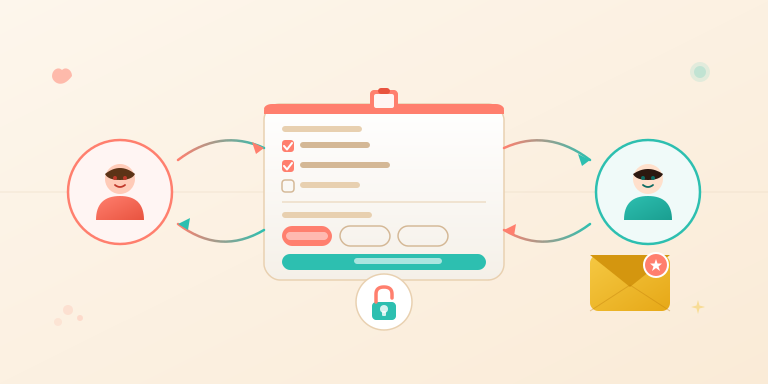
A robust preference center allows customers to curate their own experience. By giving them control over content topics, communication frequency, and formats, you build a foundation of trust. Subscribers who update their preferences are telling you, "I want to hear from you, but on my terms." That is not an annoyance; it is a sign of an invested customer.
Implementation: Turning Data into Revenue
Collecting data is merely the preamble; the real challenge is operationalizing it. Every piece of zero-party data must be tied to a specific segment, automated flow, or content decision.
Building Dynamic Automations
If your data doesn’t change the email a customer receives, you are collecting it for no reason.
- Segmented Welcome Flows: A first-time visitor who identifies as a "beginner" should receive a different onboarding series than a "power user."
- Contextual Feedback: If a customer notes a delay in shipping via a post-purchase survey, that information should be visible to your support team and used to trigger a personalized apology or discount code in their next email.
Combining zero-party data with behavioral first-party signals creates a "full-picture" view of the customer. When you pair what a customer told you they want with what they actually bought, you achieve a level of precision that competitors cannot match.
Implications for the Future of E-commerce
The winners in the next era of e-commerce will not be the brands with the largest email lists. They will be the brands with the most actionable data and the sophisticated infrastructure to act on it.
The Role of Technology
Modern tools like Omnisend are essential for this scale. By storing custom properties at the subscriber level and triggering automations based on specific, user-provided answers, these platforms move data out of spreadsheets and into active marketing campaigns.
For founders looking to transition or upgrade, the barriers to entry have never been lower. Many platforms now offer free migration services, moving complex flows, lists, and templates in as little as five days. With SMS and email integration becoming increasingly cost-efficient, the financial argument for upgrading your tech stack is stronger than ever.
The Ethical Shift
Ultimately, zero-party data is a signal of trust. When a customer tells you their skin type, their budget, or their preferred email frequency, they are giving you permission to serve them better. If you treat that information with respect—by sending them only what is relevant—you earn the right to remain in their inbox.
As the industry moves away from the "broadcast-and-pray" model of the past, the brands that thrive will be those that view every interaction as a conversation. By building tools that facilitate this exchange, you are not just optimizing for conversions; you are building a resilient, customer-centric business that can survive the shifting tides of digital privacy and market competition.
Key Takeaways for Founders
- Stop the Broadcast Mentality: Stop treating your subscribers as a monolith. The relevance gap is costing you money.
- Prioritize Zero-Party Data: Use quizzes and surveys to let customers tell you exactly what they want, rather than inferring it from potentially inaccurate click data.
- Optimize Your Quizzes: Ensure they provide immediate value to the user and map directly to your automated email flows.
- Empower the User: Replace "unsubscribe" with "preference management" to build trust and reduce list churn.
- Leverage Modern Tech: Use platforms that support custom properties and dynamic segmentation to ensure your data is always working for you.
By prioritizing transparency and direct communication, you transform your email program from a digital billboard into a personalized concierge service. This is the new gold standard for e-commerce, and it begins the moment you stop guessing and start listening.



