






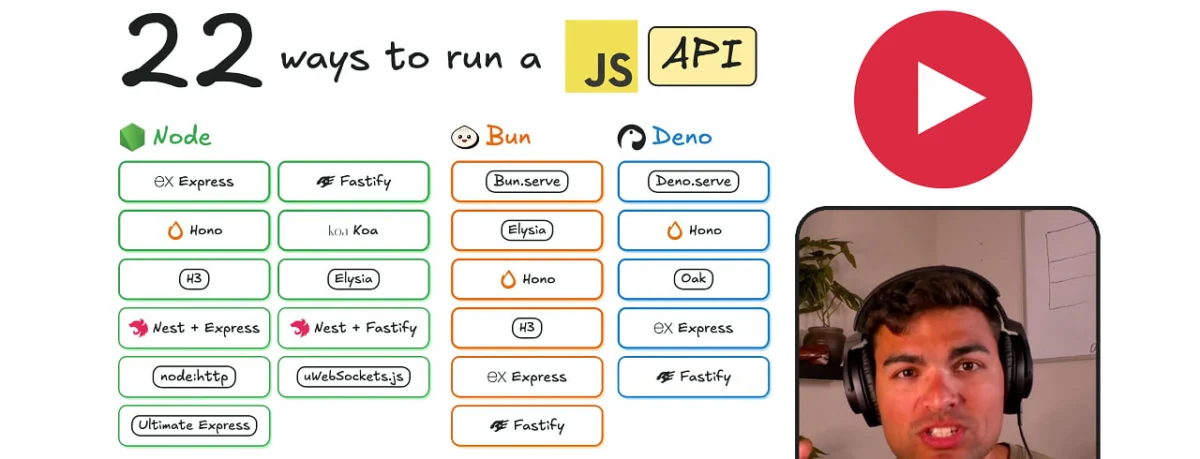
The web development ecosystem is currently undergoing a structural transformation, marked by a departure from legacy monolithic architectures toward high-performance, native-compiled, and streaming-oriented systems. From the radical re-engineering of social media giants to the rise of Rust-based tooling, developers are prioritizing raw execution speed and developer experience more than ever.
Main Facts: The Shift Toward High-Performance Infrastructure
Recent developments across the industry underscore a collective movement toward efficiency. Three key pillars define this shift: the modernization of large-scale platforms, the migration of build tools to system languages, and the experimentation with memory-safe multithreading.
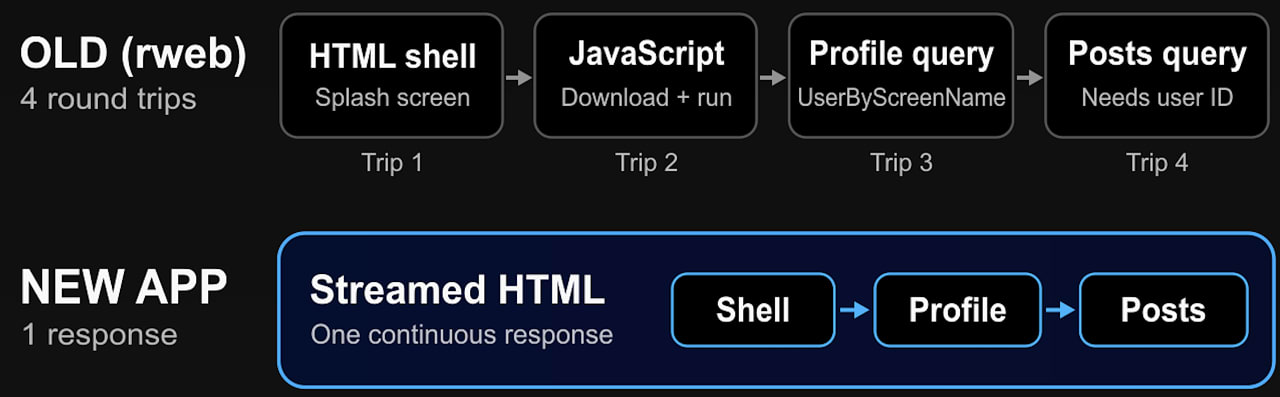
At the center of this narrative is X (formerly Twitter), which has initiated a sweeping rebuild of its global web application. By collapsing three disparate server layers into a single, cohesive application built on React, Vite, and Fastify, the engineering team is moving toward a streaming-first architecture. This transition is not merely cosmetic; it is a fundamental refactoring of how data reaches the client.

Simultaneously, the build-tooling sector is witnessing a massive performance leap. The release of Parcel 3 Alpha, rewritten entirely in Rust, signals the end of the "JavaScript-only" era for heavy-duty build processes. With performance gains reported up to 100x over its predecessor, Parcel 3 demonstrates that the future of web infrastructure lies in binaries that operate outside the Node.js runtime, leveraging native speed for critical operations.
Chronology of Technical Advancement
The trajectory of these advancements reflects a decade of accumulation in web performance engineering:
- 2021: Ryan Carniato introduces the concept of ReactiveScript, an experimental reactive UI language aimed at solving the inefficiencies of current state-management paradigms.
- 2024–2025: As web applications grow increasingly complex, the overhead of thousands of small JavaScript files becomes a bottleneck for startup times, prompting major platforms to re-evaluate their bundling strategies.
- Late 2026:
- November 2: Erik Arvidsson publishes his findings on multithreaded JavaScript, exploring ways to enable shared object access between threads.
- Node.js Evolution: The release of Node 27 Alpha introduces V8 15.6, bringing sophisticated new methods like
Math.sumPreciseand refined iterator handling to the runtime. - Parcel 3 Alpha: The Parcel team announces a ground-up rewrite that replaces traditional JavaScript bundling with a Rust-based core, effectively resetting expectations for build speeds.
Supporting Data and Technical Deep Dives
The X Engineering Overhaul
Yagiz Nizipli, a renowned figure in Node.js performance, has spearheaded the technical breakdown of X’s new architecture. The core problem was an architectural bloat: managing hundreds of tiny JavaScript files induced significant latency during the initial page load. By moving to a streaming-first architecture, X is able to deliver content as it becomes available, bypassing the traditional "wait-for-bundle" bottleneck. The integration of Fastify provides the high-throughput server-side foundation necessary to handle the scale of a global town square.
Rust and the "Bundler Wars"
The performance metrics provided by the Parcel team are staggering. In benchmarks involving React Spectrum, Parcel 3 achieved cold build speeds up to 100 times faster than Parcel 2. This is achieved through a multi-pronged execution strategy:
- Native Core: The bundler operates as a standalone binary, removing the Node.js overhead.
- Plugin Interoperability: While native plugins are written in Rust, Go, or Swift, the system maintains flexibility by running JavaScript plugins via an embedded QuickJS runtime.
Multithreading: The TC39 Structs Proposal
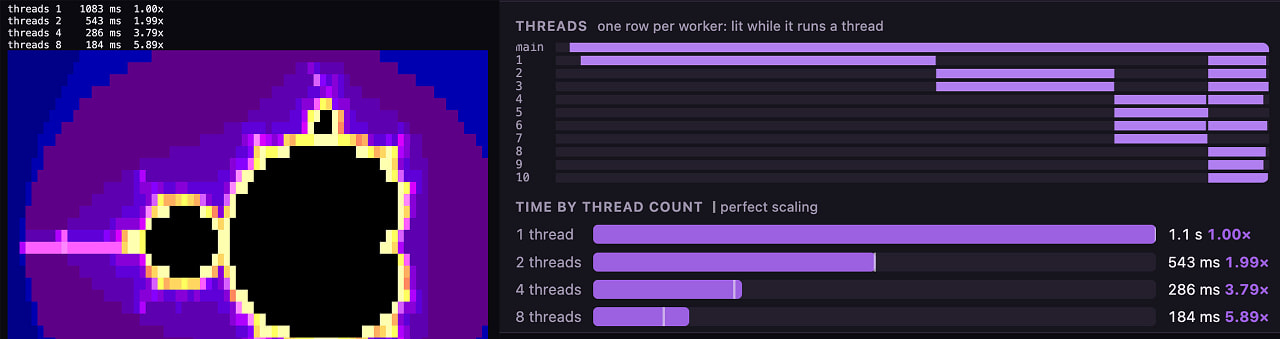
One of the most persistent limitations of JavaScript is its single-threaded nature. Erik Arvidsson’s recent experiments have revitalized the conversation around the TC39 structs proposal. By exploring how threads might share objects directly—rather than through expensive serialization via postMessage—developers are looking at ways to bring high-performance computing to the browser. Arvidsson’s work includes a playground featuring a TypeScript library with an ownership checker, providing a glimpse into a future where JS might support more granular memory management.
Official Responses and Industry Sentiment
The engineering community has responded with cautious optimism to these shifts. The consensus among lead maintainers is that while the transition to Rust-based tooling and streaming architectures introduces complexity, the trade-off in startup performance and developer iteration speed is necessary for the next generation of web applications.
Regarding the new V8 features in Node 27, Joyee Cheung’s documentation of the transition from V8 14.6 to 15.6 highlights a significant refinement in how the runtime handles promises and date objects. Developers are particularly enthusiastic about Math.sumPrecise, which addresses long-standing floating-point precision issues that have historically plagued financial and scientific applications built on the web stack.
Ryan Carniato’s recent stream on ReactiveScript also highlights the industry’s hunger for innovation in UI languages. By revisiting his 2021 proposal, Carniato is forcing a dialogue about whether current reactive frameworks (like React or Solid) have reached their theoretical limit, or if a dedicated language is required to push the performance envelope further.
Implications for the Future of Web Development
The shift toward these technologies has profound implications for the industry:
- The Death of the "Slow Build": As tools like Parcel 3 become standard, the "wait time" during development will shrink to near-zero. This will force a shift in how developers structure their codebases, as the cost of recompilation will no longer be a primary deterrent to modularization.
- Native Runtime Integration: The success of embedding QuickJS within Rust binaries suggests that the future of tooling is "polyglot." We are moving away from the paradigm where everything must be written in JavaScript, toward one where JavaScript is merely the orchestration layer for high-performance native modules.
- Advanced Performance Optimization: As demonstrated by Mohsen Fallahnejad’s analysis of V8 hidden classes, developers are increasingly required to understand the underlying engine mechanics. The "A Fifth Object Shape Made the Same Loop Twice as Slow" phenomenon serves as a warning: as we build more complex abstractions, the cost of "de-optimization" becomes higher. Understanding how engines cache object shapes and inline functions is no longer an academic pursuit—it is a production requirement.
- The Streaming Web: The move by X to a streaming architecture is likely to become the blueprint for large-scale social and media platforms. By delivering content in chunks, developers can prioritize "time-to-first-meaningful-paint" over total payload size, fundamentally changing how users perceive the speed of the web.
Conclusion: A Maturing Ecosystem
We are witnessing the end of the "Wild West" era of web development, characterized by loosely managed dependencies and reliance on heavy, unoptimized runtimes. The current trend toward Rust, streaming architectures, and deeper integration with engine internals signifies a maturing ecosystem. While these changes increase the bar for entry for junior developers, they provide the necessary stability and performance required to maintain the "Global Town Square"—and the broader web—as a viable platform for the next decade of digital growth.
As we look toward 2027 and beyond, the focus will undoubtedly remain on the intersection of human-centric developer experiences and machine-centric performance. The tools are getting faster; the challenge now lies in how effectively we can wield them to build the next generation of resilient, high-speed, and accessible web experiences.