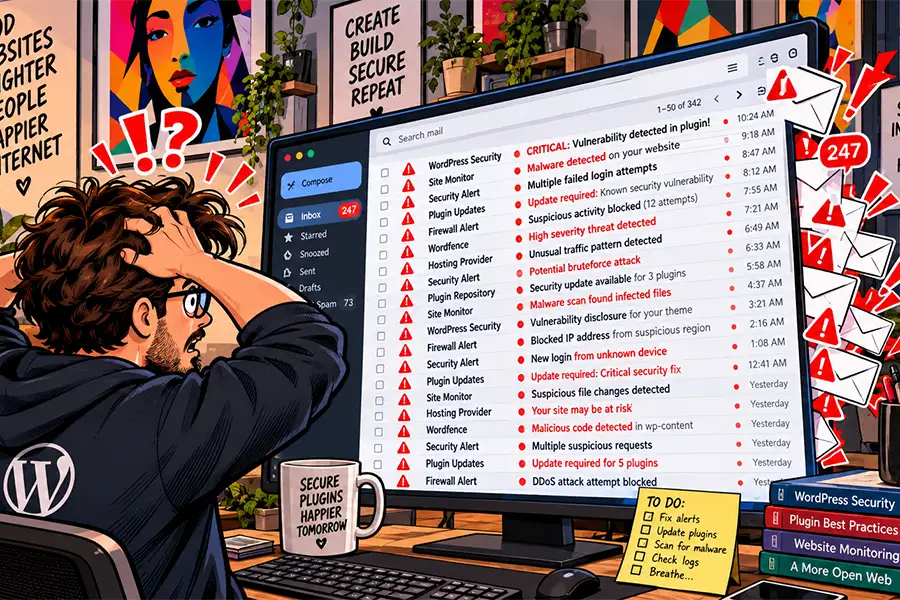






In the modern digital landscape, there is a recurring, almost ritualistic moment that defines the career of every web designer, developer, and agency owner. The project has concluded: the design is pixel-perfect, the code is clean, the invoice has been settled, and the client is ecstatic. However, approximately three weeks after launch, the first notification pings in the inbox. It is a minor request—a mobile display quirk, a plugin requiring an update, or a vague question about site speed.
You take a look because you are a professional and because the task takes all of ten minutes. You do it for free. A month later, another email arrives. Then another. Within a year, you are effectively running a pro-bono managed hosting service for a dozen past clients, providing high-value technical support while receiving zero compensation for your time. This is the industry’s most prevalent, yet most irrational, pricing error.
The Evolution of the "Quick Look" Problem
The professional life cycle of a web project has historically been treated as a discrete event rather than a long-term partnership. Agencies and freelancers focus their pricing strategy on the "invisible" work—strategy, architecture, and aesthetic design—because these are the deliverables the client feels they are buying.
Yet, the service clients value most viscerally is not the typography or the color palette; it is the fundamental assurance that the site will remain online, performant, and secure. When a client expresses fear regarding their digital presence, they are rarely concerned with design nuances. They are terrified of the "white screen of death"—the moment a site goes down and their business effectively vanishes from the internet. By failing to monetize the maintenance of that uptime, agencies are leaving their most stable, high-demand product on the table.
Why We Avoid: The Psychology of Resistance
For over a decade, the industry has collectively avoided selling maintenance and hosting, driven by three distinct, historically valid concerns:
1. The 2 a.m. Anxiety
The specter of being "on call" 24/7 is a primary deterrent for many creative professionals. Most freelancers did not launch their agencies to babysit servers, manage DNS records, or troubleshoot database crashes in the middle of the night. The fear of perpetual service obligations acts as a barrier to entry for offering recurring support.
2. The Liability Trap
Many developers fear the legal and professional implications of hosting. The logic follows that if you host the site, you are responsible for its failures. Consequently, many designers refer clients to massive, impersonal hosting conglomerates. While this feels "safer," it creates a fractured experience: when the site eventually slows down or breaks due to poor hosting, the client doesn’t blame the hosting company—they blame the person who built the site.
3. The Identity Crisis
There is a prevailing sentiment that maintenance is not "real work." It lacks the creative fulfillment of a portfolio piece and is often viewed as a mundane, administrative chore. Because it is viewed through this lens, it is treated as an afterthought, priced at zero, and eventually becomes a source of quiet resentment.
The Technological Shift: Why 2010 Logic Fails in 2026
The primary arguments against maintenance—liability, sleepless nights, and low-value work—have been rendered obsolete by modern managed infrastructure.

The landscape has shifted from manual server management to highly automated, intelligent ecosystems. Monitoring tools now alert developers to potential failures long before the client is even aware of an issue. Furthermore, the integration of Managed AI Agents—such as those pioneered by Cloudways—has revolutionized the troubleshooting process. These agents can proactively diagnose issues, handle security patching, and manage scaling, effectively acting as an automated technical support team.
The role of the agency has evolved from being the "server babysitter" to the "infrastructure coordinator." You own the client relationship and the standards of quality, while the hosting platform owns the pager. This fundamental shift turns a high-liability task into a high-margin, low-effort recurring revenue stream.
The Economic Implications: Turning Favors into Products
The shift toward a productized care plan has profound implications for business stability.
Smoothing the "Feast and Famine" Cycle
Project-based income is inherently volatile, creating periods of intense financial pressure followed by lulls. Recurring care revenue provides a predictable "floor" for an agency’s monthly income. This stability makes hiring, long-term planning, and operational growth significantly less terrifying.
The Retention Multiplier
Data consistently shows that clients who rely on their developer for ongoing maintenance are exponentially more likely to return for their next major build. By becoming the custodian of their digital health, you eliminate the temptation for clients to shop around. They aren’t just buying a website; they are buying an ongoing partnership.
Valuation and Asset Building
From a business valuation perspective, recurring revenue is the most attractive metric to potential buyers. If an agency owner ever chooses to sell their studio, the value is not in the portfolio of past projects, but in the recurring contracts that guarantee future cash flow.
Productizing Your Care Plans
To transition from free support to a professionalized model, agencies should move away from ad-hoc favors and toward a tiered "Care Plan" structure. A standard, effective model includes:
- Essential Tier: Focuses on core updates, security monitoring, and uptime checks.
- Performance Tier: Adds speed optimization, performance reporting, and priority support.
- Strategic Tier: Includes ongoing content updates, SEO audits, and quarterly consulting sessions.
The Two Golden Rules
- Stop the "Quick Look": New proposals must include a care plan as a default component of the project. A website without a maintenance plan is an incomplete product.
- Formalize the Transition: For existing clients, send a transparent, professional communication. Frame it not as an "extra cost," but as an upgrade in service. State clearly that the era of "ad-hoc quick looks" is ending to make room for a more robust, formalized support structure.
Conclusion: Responsibility is a Value-Add
The psychological hurdle for most agencies is the belief that charging for maintenance is "upselling" a service the client didn’t ask for. In reality, the client has been asking for this service since day one; they just didn’t know it could be bought. They were never asking for free labor; they were asking for someone to be responsible for the health of their digital business.
When you offer a care plan, you aren’t just selling updates; you are selling the professional peace of mind that allows a business owner to sleep at night. You are already doing the work. The only remaining question is whether you will continue to treat that work as an unpaid favor, or if you will finally elevate it to the product it deserves to be.