






As the digital marketplace approaches its most frantic seasonal period, website owners are under immense pressure to ensure their platforms are not only functional but fully optimized for search engines and inclusive for all users. In a strategic move to address these needs, Yoast has unveiled its latest suite of updates across the Yoast SEO and Yoast WooCommerce SEO ecosystems. The release, headlined by version 28.9 for Yoast SEO and 17.1 for Yoast WooCommerce SEO, prioritizes accessibility, leverages generative AI for site management, and patches critical security vulnerabilities.
Main Facts: A Comprehensive Toolset for Modern Webmasters
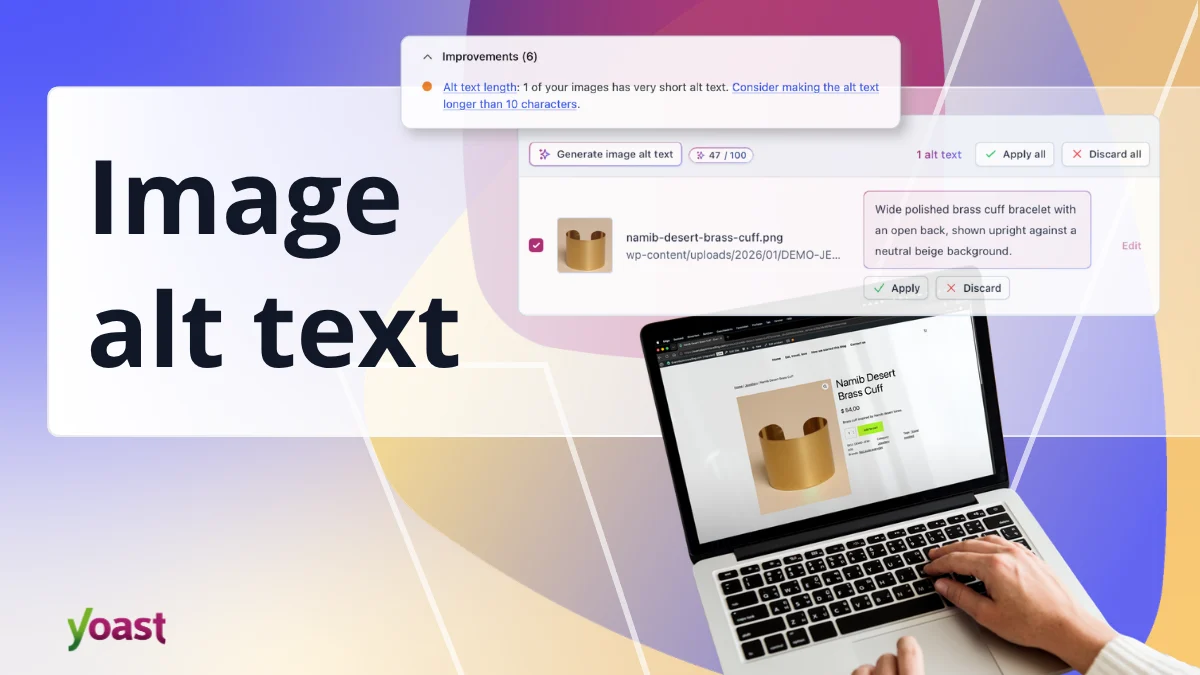
The cornerstone of this update is the introduction of five new, sophisticated assessments dedicated to image alt text. Recognizing that alt text is the bridge between visual content and both accessibility tools (like screen readers) and search engine crawlers, these assessments aim to eliminate common pitfalls that hinder user experience and SEO performance.
Unlike previous iterations that focused heavily on keyword density, these new assessments emphasize the descriptive quality of image attributes, ensuring that every visual asset is accurately interpreted by the diverse array of users and bots navigating the modern web. Furthermore, the update introduces "Fix with AI" capabilities for e-commerce store owners, allowing them to mass-remediate product image descriptions before the peak traffic season commences.
Chronology: The Evolution of the Update
The development of these features follows a deliberate trajectory aimed at modernizing the Yoast infrastructure ahead of industry-wide shifts.
- Pre-Release Phase: Yoast identified a reliance on outdated XSLT technology for XML sitemaps, which modern browsers have begun flagging as legacy or insecure.
- The Development Cycle: Throughout the recent development sprint, the team focused on transitioning from rigid keyword-focused alt text analysis to more human-centric, descriptive analysis.
- Security Audit: Simultaneously, a vulnerability in the
get_headREST endpoint was identified, prompting an immediate prioritization of a security patch to prevent the leakage of private or protected content metadata. - Implementation: The final release was rolled out across the WordPress and Shopify ecosystems, ensuring that both traditional CMS users and headless-site operators could benefit from the new API capabilities and security hardening.
Supporting Data and Technical Enhancements
The technical backbone of this update is designed to handle the complexity of large-scale e-commerce sites.
The Shift in Image Accessibility
The new assessments are not merely suggestions; they are diagnostic tools that monitor posts, pages, and products for compliance with accessibility standards. These assessments flag potential issues without the use of the traditional "green light" system—if the tool does not display a notification, the user can be confident that the alt text is sufficient. By moving away from the "keyphrase in alt attributes" model, Yoast is signaling a shift toward semantic search optimization, where search engines prioritize the relevance of the image description over the inclusion of specific, sometimes forced, keywords.
XML Sitemap Modernization
A significant, albeit invisible, change involves the removal of XSLT from XML sitemaps. Previously, this allowed browsers to render a user-friendly table when a sitemap URL was opened. However, as browser manufacturers move to deprecate this technology for security and performance reasons, Yoast has pivoted to serving raw XML code. This ensures that while the visual presentation of the sitemap in a browser is now "code-heavy," the functionality for search engine crawlers remains entirely uninterrupted.
AI Integration and API Capabilities
The introduction of extended SEO settings for AI tools allows users to integrate their own AI models into the Yoast framework. By utilizing the Yoast SEO Abilities feature, site owners can delegate the task of updating SEO metadata to their preferred AI models. This process adheres to existing WordPress user permission hierarchies, ensuring that site security is maintained while delegating administrative tasks to automated systems.
Official Perspectives and Strategic Rationale
According to Beth Parker, Product Marketing Manager at Yoast, this release is a direct response to the "seasonal rush." The strategic rationale is clear: by automating the mundane aspects of SEO—such as writing alt text for hundreds of product images—Yoast enables business owners to focus on higher-level strategy during critical sales periods.
"Good alt text has always been about people first," notes Parker. "What helps a screen reader describe an image also helps search engines and AI systems understand it." This sentiment highlights a shift in SEO philosophy from "gaming the algorithm" to "optimizing for clarity," which aligns with the evolving standards of both Google’s search algorithms and the Web Content Accessibility Guidelines (WCAG).
Implications: What This Means for Your Site
The impact of this release is twofold: it provides immediate relief for operational bottlenecks while preparing site owners for a more secure, AI-driven future.
For E-Commerce Store Owners
The integration of "Fix with AI" in Yoast WooCommerce SEO 17.1 is arguably the most impactful change for retailers. In an industry where product counts often number in the thousands, the manual effort required to optimize alt text is prohibitive. By providing a "Fix with AI" button that generates descriptive, relevant alt text, Yoast reduces the barrier to entry for accessibility compliance. This not only benefits users with visual impairments but also significantly boosts the likelihood of product images appearing in visual search results, such as Google Lens or Pinterest.
For Developers and Security Professionals
The security fix involving the get_head REST endpoint is critical. For developers managing headless WordPress sites, this endpoint is frequently used to fetch SEO metadata. The bug, which potentially allowed the exposure of private or protected post/page descriptions, posed a significant risk to site confidentiality. The immediate update to version 28.9 is strongly recommended for any site using REST-based data fetching.
For Shopify Users
The performance improvements for Yoast SEO for Shopify come at an opportune time. As page speed remains a core pillar of Google’s Core Web Vitals, the reduction in load times ensures that the plugin does not become a drag on site performance during high-traffic surges. Furthermore, the persistence of filters, search, and sort order in the content list provides a streamlined user experience, saving valuable time during bulk editing sessions.
Looking Ahead: The Role of MyYoast and Future Optimization
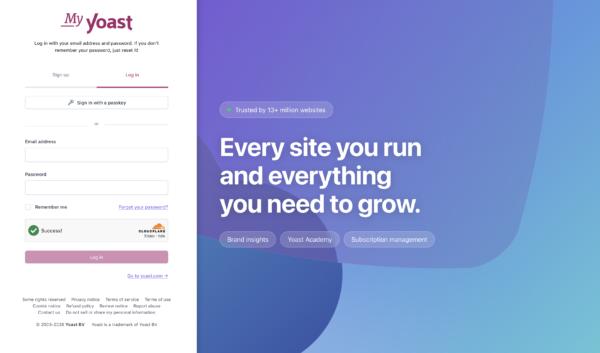
The refresh of the MyYoast portal is more than just a cosmetic upgrade; it signifies the platform’s ambition to become a centralized dashboard for all things SEO. By integrating features like "Yoast AI Brand Insights," the company is positioning itself to help site owners monitor not just how search engines see them, but how the entire landscape of AI-driven tools perceives their brand.
As the industry continues to move toward a future where AI handles the heavy lifting of metadata generation and content analysis, tools like those released in this update will become increasingly vital. The shift from manual keyword-stuffing to intelligent, automated, and accessibility-compliant optimization is not just a trend—it is the new baseline for professional web management.
In conclusion, the latest release from Yoast is a well-rounded update that addresses the immediate technical needs of a diverse user base. Whether you are a small business owner preparing for a holiday sale or a developer securing a complex headless architecture, these updates provide the necessary tools to maintain a competitive, secure, and inclusive digital presence. Site administrators are encouraged to review their existing content through the new diagnostic filters and leverage the AI-driven remediation tools to ensure that their site is ready for the challenges of the current digital landscape.