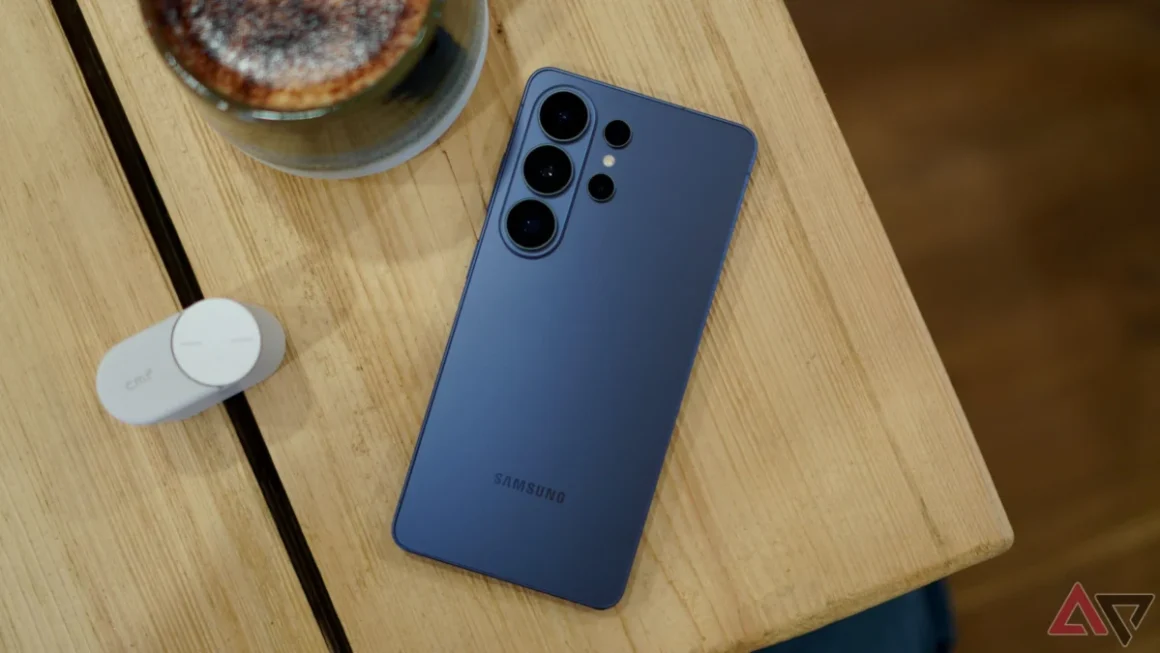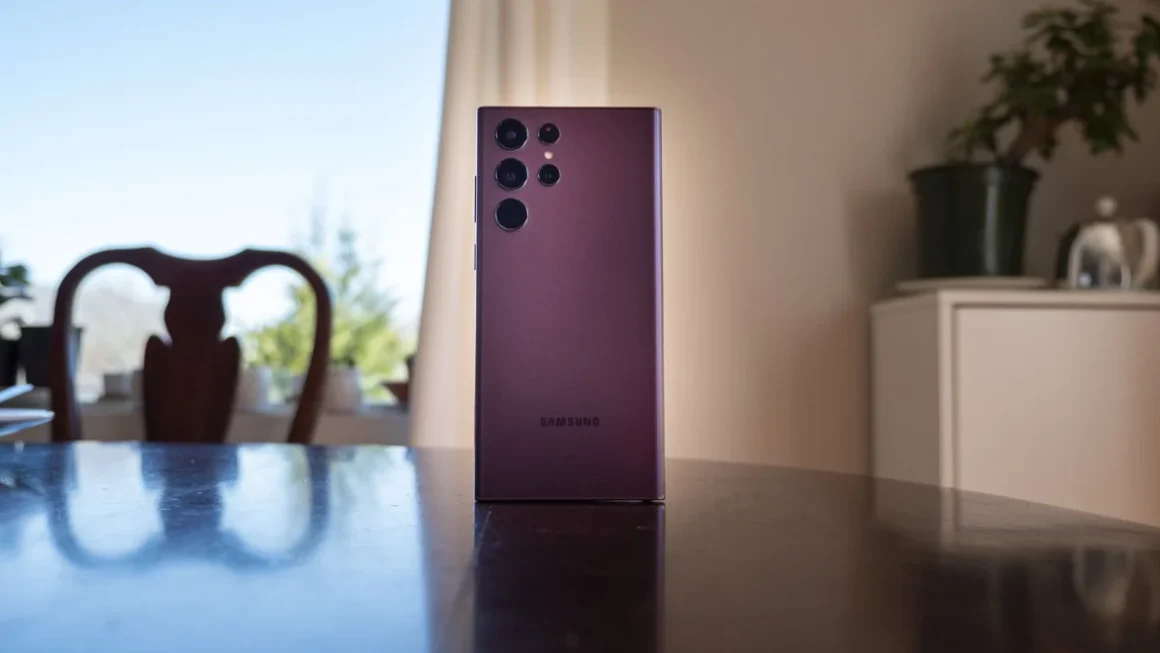






Following Samsung’s recent rollout announcement of the One UI 9.5 beta program for the flagship Galaxy S26 series, a deeper technological dive into the software’s underlying architecture has revealed major upcoming additions. Beyond headline features like the newly introduced App Lock and floating shortcuts, code-level analysis of the One UI 9.5 Camera application points toward advanced, professional-grade multimedia tools: native Open Gate video recording and dual-cam panorama capabilities.
Discovered via a thorough APK teardown conducted by Android Authority, these buried strings and assets outline how Samsung intends to redefine mobile videography and creative capture for its user base. As the technology moves from development strings to the public beta phases, mobile enthusiasts and content creators alike are taking note of what promises to be one of the most flexible camera workflows ever brought to Android hardware.
Main Facts
The discovery of native Open Gate video recording and dual-cam panorama within the One UI 9.5 ecosystem highlights Samsung’s ongoing push to bridge the gap between consumer smartphones and professional cinema equipment.
- Open Gate Video Recording: This feature leverages the entire imaging surface of the camera sensor rather than cropping the feed dynamically to conventional 4:3 or 16:9 aspect ratios. By capturing the full sensor area, users retain maximum flexibility during post-production, allowing a single source video to be reframed flexibly into a horizontal YouTube video (16:9 or 4:3) and a vertical Instagram Reel or TikTok (9:16) without resolution loss from traditional digital zooming.
- Granular Frame-Rate Support: Code strings indicate support for six distinct frame rates under Open Gate mode: 24 fps, 25 fps, 30 fps, 48 fps, 50 fps, and 60 fps.
- Guided Capture and Optimization: The camera interface will actively assist users by displaying on-screen toasts regarding full-sensor resolution, recommending the deactivation of digital video stabilization, and advising the use of a tripod or gimbal. Furthermore, optional "Frame guides" allow creators to preview how the uncropped frame translates across multiple aspect ratios simultaneously.
- Dual-Cam Panorama: Utilizing both the front and rear cameras concurrently, this feature captures a true 360-degree immersive panoramic view. The system relies on specific directional guidance, haptic feedback, and portrait orientation alignment to stitch together a seamless compound panorama.
Chronology of the Leak and Beta Rollout
The timeline leading to the unearthing of these features began with Samsung’s official communication channels before shifting to software analysis:
- The Beta Announcement: Samsung officially launched the One UI 9.5 beta program tailored for the Galaxy S26 series. Initial patch notes highlighted quality-of-life additions such as App Lock and Floating shortcuts, establishing the baseline scope for the early beta build.
- The APK Teardown: Shortly after the beta software became accessible to developers and analysts, Android Authority performed a deep code inspection of the updated Camera application package.
- Discovery of Open Gate Strings: Analysts first isolated string parameters tied to "Open Gate," revealing references to full-sensor utilization, frame-rate limits, tripod recommendations, and framing overlays.
- Discovery of Dual-Cam Panorama Logic: Subsequent analysis of the same application package uncovered animation files and logic parameters dedicated to simultaneous front-and-rear sensor stitching, along with directional prompts and hand-orientation detection.
- Public Dissemination: Comprehensive breakdowns of both features were published, mapping out the functional workflows and hardware prerequisites needed to run these advanced modes.
Supporting Data and Technical Breakdown
To fully appreciate the significance of these additions to One UI 9.5, it is vital to examine how Open Gate and Dual-Cam Panorama function mechanically within the modern smartphone processing pipeline.
Understanding Native Open Gate Video
Traditionally, when a smartphone records video, the image signal processor (ISP) crops the physical sensor’s pixel grid to fit standard display dimensions—most commonly 16:9 for widescreen video or 4:3 for standard photographic capture. While this simplifies immediate playback, it discards valuable visual data at the top and bottom of the sensor.
+---------------------------------------------------+
|               Full Sensor Area                    |
|           (Native Open Gate Capture)              |
|   +-------------------------------------------+   |
|   |          16:9 Widescreen Crop             |   |
|   |   +-------------------+                   |   |
|   |   |   9:16 Vertical   |                   |   |
|   |   |      Crop         |                   |   |
|   |   +-------------------+                   |   |
|   +-------------------------------------------+   |
+---------------------------------------------------+
Open Gate recording bypasses this initial crop. By recording the maximum physical dimensions of the sensor:
- Post-Production Reframing: Editors can shoot a single master take and punch in, pan, or reframe dynamically in editing software like Adobe Premiere Pro or DaVinci Resolve.
- Multi-Platform Optimization: A single horizontal take can supply assets for YouTube, Twitter/X, and vertical platforms (Instagram Reels, YouTube Shorts, TikTok) without forcing creators to shoot multiple redundant takes at different angles or focal lengths.
The One UI 9.5 implementation will reportedly manifest as a dedicated toggle inside the Camera settings, which must subsequently be enabled directly from the live camera preview interface. Because of the heavy computational overhead required to process an uncropped, high-resolution sensor feed at high frame rates (spanning from cinematic 24 fps up to smooth 60 fps), the application features built-in guardrails. It warns users to turn off standard electronic image stabilization (EIS) and mount the device on a stabilization apparatus like a gimbal or tripod to preserve image fidelity.
Mechanics of Dual-Cam Panorama
Panoramic photography on mobile devices has historically relied on sweeping the rear camera across a horizontal plane, which typically restricts vertical field-of-view and cannot capture the photographer’s environment or perspective.
Dual-Cam Panorama solves this limitation by creating a unified 360-degree environment using both the front-facing and rear-facing cameras simultaneously. According to the discovered APK logic:
- Handedness Selection: Upon initiating the mode, the app prompts the user to specify whether they are holding the phone with their left or right hand.
- Orientation Lock: The feature enforces a strict portrait orientation constraint. If the device is detected in landscape mode, the user interface requests a physical rotation before capture can begin.
- Interactive Feedback: As the user rotates through the panorama circle, the device delivers precise vibration (haptic) feedback when sufficient rotation has been achieved to finalize the shot. Rotating the phone in the wrong direction immediately aborts the capture sequence, while insufficient rotation results in a partial save, preventing corrupted or incomplete stitches.
Official Responses and Ecosystem Context
As of publication, Samsung has not issued a formal standalone press release confirming the definitive retail launch timelines for Open Gate recording or Dual-Cam Panorama outside of their inclusion in early One UI 9.5 beta code repositories. Historically, features discovered via APK teardowns in major beta branches represent capabilities actively undergoing internal stress-testing, optimization, and validation. While most features found in such developer previews eventually make their way to stable public releases, Samsung retains the right to alter, delay, or gate specific functionalities based on device tier performance metrics.
Industry analysts note that these features represent Samsung’s strategic counter to advanced pro-res and log-recording capabilities popularized across rival flagship ecosystems. By equipping its ecosystem with professional toolsets, Samsung aims to secure a dominant foothold among mobile content creators who prioritize workflow efficiency over basic point-and-shoot simplicity.
Market Implications and Availability
The introduction of these features raises important questions regarding hardware segmentation across Samsung’s vast device portfolio.
- Flagship Exclusivity: Current technical indicators suggest that native Open Gate video recording will likely remain restricted to top-tier flagship devices—primarily the Galaxy S series and potentially upcoming foldables—due to the immense processing power, bandwidth, and thermal management required to handle uncropped high-frame-rate sensor data.
- Mid-Range Prospects: The hardware constraints for Dual-Cam Panorama are slightly more flexible, though it remains unconfirmed whether Samsung will push the dual-sensor stitching algorithms down to mid-range Galaxy A-series handsets or reserve it strictly for premium models.
For professional creators, mobile journalists, and everyday enthusiasts running the One UI 9.5 beta on supported Galaxy S26 hardware, these upcoming additions signal a paradigm shift. By turning the smartphone into a truly versatile multi-format capture device, Samsung is empowering users to do more with a single take, streamlining the transition from capture to multi-platform publication.