






Seoul, South Korea — In a regulatory crackdown highlighting the growing tension between marketing claims and real-world hardware constraints, Samsung Electronics has been slapped with a hefty 20 billion KRW (approximately $15 million USD) fine by South Korea’s Fair Trade Commission (FTC).
The penalty stems from allegations that the tech giant engaged in deceptive trade practices by heavily advertising top-tier gaming capabilities for the Galaxy S21, Galaxy S22, and Galaxy Tab S8 series, while simultaneously utilizing background software that throttled performance without adequately informing consumers.
The ruling brings renewed scrutiny to how smartphone manufacturers balance thermal management, hardware longevity, and aggressive marketing. While Samsung maintains that the software in question was vital for system stability, the FTC’s decision emphasizes a fundamental consumer right: buyers should get the performance they were promised when purchasing high-end devices.
Main Facts
The core of the dispute centers around a pre-installed background utility known as the Game Optimizing Service (GOS). According to investigators at the South Korean FTC, Samsung marketed the Galaxy S21, Galaxy S22, and Galaxy Tab S8 lineups using high-octane gaming demonstrations characterized by rapid screen transitions, complex graphical rendering, and fluid frame rates.
However, the regulatory body concluded that these promotional materials painted a picture of a user experience that buyers rarely, if ever, received during heavy daily usage.
Rather than serving purely as a helpful optimization utility, the GOS actively hampered the potential of the central processing unit (CPU) and graphics processing unit (GPU) whenever a designated mobile game was launched. This throttling manifested as unexpected frame rate drops, screen freezing, and noticeable lag. Most damningly, the FTC noted that the GOS restricted hardware performance regardless of whether the device was actually running hot or remained completely cold, contradicting the narrative that it was strictly a reactive thermal safeguard.
Chronology of the Controversy
The fallout surrounding Samsung’s Game Optimizing Service is not an overnight development; it is the culmination of years of user frustration and investigative pressure.
- Early 2021 – Early 2022: Samsung launches the Galaxy S21 and subsequently the Galaxy S22 series alongside the Galaxy Tab S8 lineup, heavily promoting their processing power and suitability for high-end mobile gaming.
- Late February to Early March 2022: Tech enthusiasts and benchmark communities in South Korea and globally discover that the GOS software is intentionally throttling performance on thousands of apps and games—while notably leaving out popular benchmarking applications like Geekbench. This discrepancy triggers widespread community backlash online.
- March 2022: Facing mounting public pressure, Samsung issues a formal apology to consumers and releases a software update for the Galaxy S22 series. The patch gives users a manual toggle within the Game Booster settings to prioritize performance over thermal management.
- Mid-2022 to 2025: Consumer advocacy groups press regulatory bodies to investigate whether Samsung’s marketing prior to the discovery constituted false advertising or deceptive trade practices.
- October 2026: The South Korean FTC officially concludes its multi-year investigation, issuing a $15 million fine against Samsung and formally citing misleading representations of device capabilities.
Supporting Data and Technical Context
To understand the gravity of the FTC’s fine, one must look at how modern mobile chipsets handle thermal dissipation. Premium smartphones pack immense computing power into remarkably thin chassis, leaving little room for active cooling systems like fans. Consequently, smartphones rely on passive cooling—such as vapor chambers and thermal paste—to disperse heat away from the silicon.
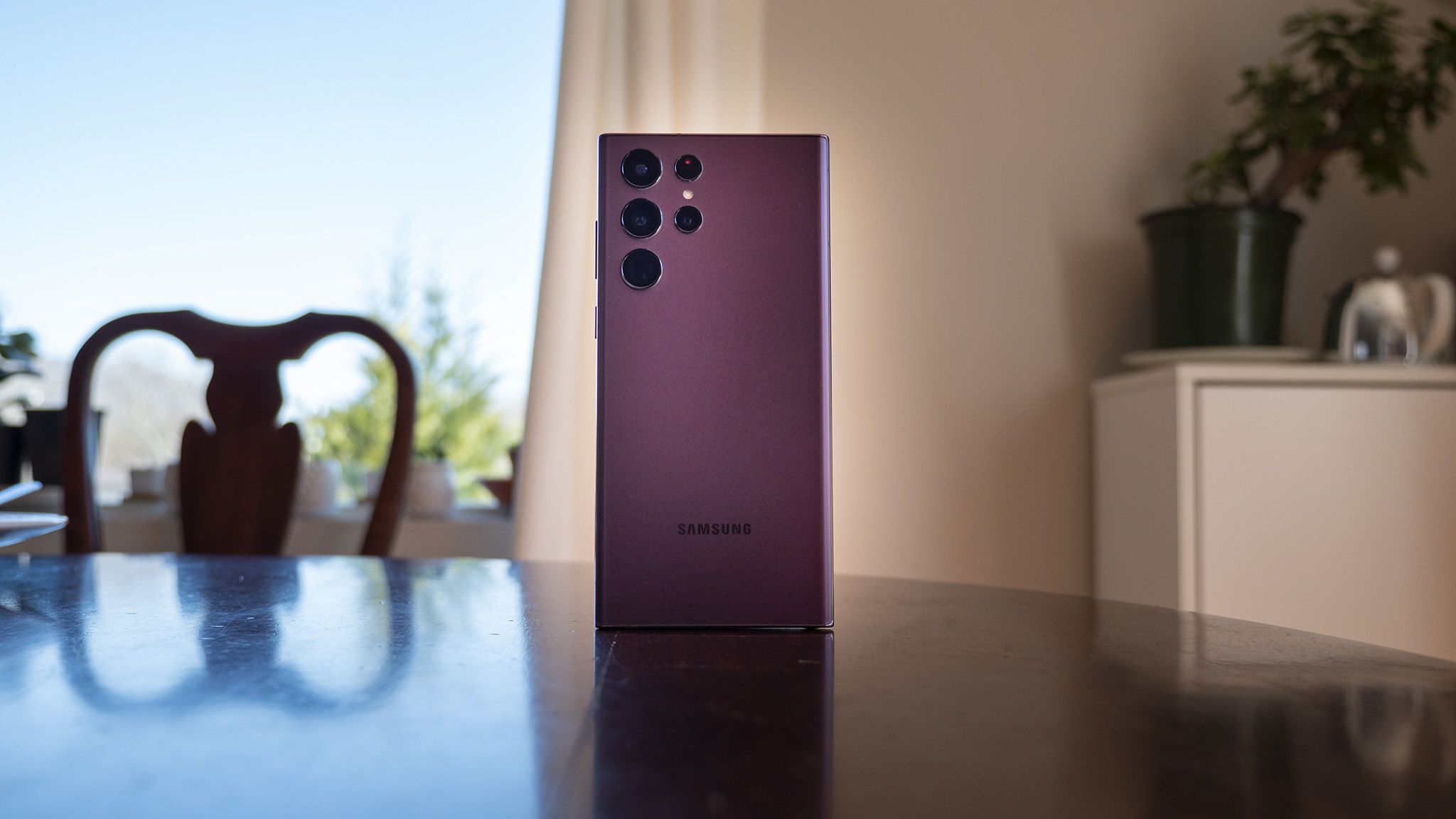
When a device gets too hot, thermal throttling is an industry-standard practice. Left unchecked, extreme heat can degrade battery health, cause system instability, or even cause internal components to fail. Consumers generally expect a phone to dial back its performance slightly during extended gaming sessions if the device becomes uncomfortably warm.
However, the FTC’s grievance with Samsung lies in the preemptive and indiscriminate nature of the GOS. Investigators found that the software throttled hardware performance from the moment a game was opened, long before thermal thresholds were actually crossed. By neutering the CPU and GPU preemptively, Samsung ensured the device stayed cool and stable, but it did so by sacrificing the very performance levels that justified the phones’ premium price tags.
Furthermore, the controversy highlighted historical concerns surrounding Samsung’s proprietary Exynos processors. Historically, Exynos-powered variants of Samsung flagships (sold in international markets outside North America) have faced criticism for running noticeably hotter and throttling more aggressively than their Qualcomm Snapdragon counterparts. Although Samsung has made significant strides in thermals with recent generations—such as the Exynos 2600 and forthcoming rumors surrounding the Exynos 2700—the past hardware vulnerabilities exacerbated the user experience issues tied to the GOS.
Official Responses
The divergence in perspective between South Korea’s top antitrust regulator and the world’s largest smartphone manufacturer highlights a gray area in consumer tech marketing.
The FTC’s Stance
In its official statement, the South Korean FTC was unequivocal about the necessity of transparent consumer communication:
"Gaming performance was one of the most effective indicators for showcasing the capabilities of premium smart devices through rapid screen transitions and elaborate graphical effects… This ruling reaffirms the need for companies to clearly inform consumers of important factors affecting performance."
The regulatory body views the omission of performance-limiting software disclosures as a direct violation of consumer trust, effectively arguing that marketing a sports car while secretly engaging a permanent speed governor without telling the buyer constitutes misleading advertising.
Samsung’s Defense
Samsung has firmly rejected the FTC’s characterization of the events and has indicated plans to challenge the ruling through legal avenues. In a statement obtained by Yonhap News, a Samsung representative defended the implementation of the software:
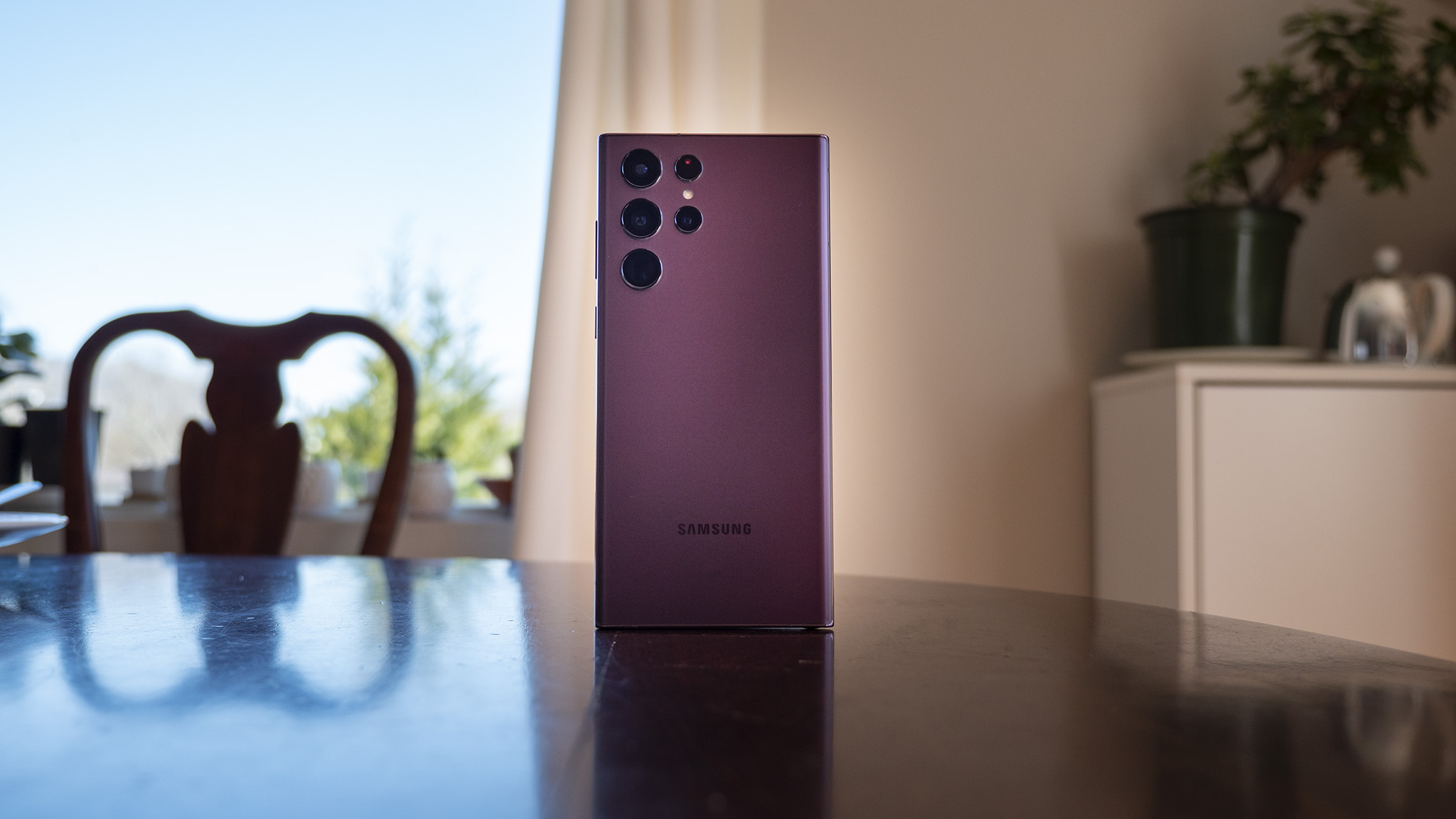
"The Game Optimizing Service was put in place to allow users to enjoy games stably for extended periods."
Samsung maintains that the feature was engineered with user safety and device longevity in mind, arguing that preventing overheating is a necessary engineering measure to ensure a reliable user experience across the device’s lifecycle.
Broader Implications for the Mobile Industry
The $15 million fine carries ramifications that extend far beyond Samsung’s headquarters in Suwon. It serves as a regulatory warning shot to the entire consumer electronics ecosystem.
1. Transparency in Software-Hardware Synergy
As smartphones increasingly rely on software algorithms (including artificial intelligence and dynamic performance tuning) to manage resources, manufacturers will face heightened scrutiny regarding how these background processes alter user-facing capabilities. Companies can no longer hide aggressive thermal management or battery-saving restrictions behind silent updates or buried system apps without risking regulatory penalties.
2. The Evolution of Mobile Gaming
Mobile gaming has evolved into a multi-billion-dollar industry, with titles like Genshin Impact, Wuthering Waves, and Call of Duty: Warzone Mobile pushing hardware to its absolute limits. Flagship devices today—such as the Galaxy S25 Ultra—handle these demanding titles far better than their predecessors, often requiring users to toggle specific performance profiles or utilize external phone coolers for sustained high frame rates.
However, incidents like the GOS controversy remind the industry that consumers who pay upwards of $1,200 for a flagship device expect brutal honesty about what sustained workloads the hardware can actually endure.
3. A Precedent for Global Regulators
While this specific penalty was levied by South Korea’s FTC, consumer protection agencies worldwide watch these precedents closely. If local regulatory actions successfully penalize manufacturers for failing to disclose performance throttling, similar class-action lawsuits or regulatory probes could gain momentum in North America, Europe, and other major tech markets.
The Road Ahead
For Samsung, the immediate task involves preparing its legal defense against the 20 billion KRW fine. For consumers, the takeaway is a reminder of the delicate physics governing modern pocket computers: sleek designs and immense power always exist in a delicate tug-of-war with thermal limits. Moving forward, the industry will likely see clearer disclosures, more robust manual controls for power profiles, and a higher standard of transparency when tech giants market the ultimate mobile gaming experience.