The Content Creator’s Playbook: 27 Advanced, Data-Driven Strategies to Overcome Writer’s Block and Generate Winning Blog Topics
WASHINGTON, D.C. — For digital publishers, content marketers, and professional bloggers, the blank page remains an enduring occupational hazard. While inspiration can strike effortlessly, the rigid demands of a consistent publishing schedule often turn creative writing into a grueling exercise. When deadlines loom and brainstorming sessions yield nothing, staring at a flashing cursor becomes an exercise in frustration.
Standard search engine queries offer little relief. Generic topic generators and fill-in-the-blank templates—such as "X Reasons You Should Never X"—often bypass the core problem: the difficulty of executing those very templates. Furthermore, most surface-level research tools suggest types of posts (reviews, rants, comparisons) rather than the specific, audience-driven subjects readers actively seek.
In content creation, a fundamental dichotomy exists: there is the content creators want to write, and the content audiences want to find. Overcoming chronic writer’s block requires shifting the focus entirely to the latter. Below is an exhaustive, professional framework of 27 advanced, data-driven methodologies designed to systematically uncover high-value blog topics, revive aging assets, and align editorial calendars with actual audience demand.
I. Main Facts: The Anatomy of Modern Topic Generation
The traditional approach to ideation relies heavily on intuition. However, modern digital publishing demands empirical validation. Identifying what an audience needs requires moving beyond basic keyword volume and analyzing user intent, search behaviors, and structural gaps in competitor content.
Content generation frameworks can be broadly categorized into three pillars:
Audience Interrogation: Directly or indirectly extracting questions from the communities where target demographics spend their time.
Competitive Intelligence: Leveraging technical SEO tools to reverse-engineer competitor success and identify unexploited keyword gaps.
Asset Upcycling: Upgrading, modernizing, and expanding historical content—both internal and external—to capture higher search rankings and deliver superior user experiences.
II. Chronology: The Evolution of Ideation Methodologies
Over the past two decades, the toolset available to content creators has evolved dramatically:
The Early 2000s: Ideation relied almost exclusively on basic manual keyword research through tools like the early Google Keyword Planner and primitive forum browsing.
The 2010s: The rise of social listening tools, Q&A platforms (such as Quora), and advanced SEO suites (SEMrush, Ahrefs, BuzzSumo) transformed ideation into a science of data metrics, backlink profiles, and social sharing trends.
The Present Era: Today’s content strategists integrate algorithmic search console analytics, automated content scrapers, and granular audience segmentation to predict and answer user intent before competitors can.
III. Supporting Data & Tactical Frameworks: 27 Ways to Find Winning Topics
1. Mine Question-Based Queries via Answer the Public
Advanced search listening tools like Answer the Public act as expansive visualizations of Google and Bing suggest data. By inputting a core keyword and filtering by region, creators can instantly access segments of questions, prepositions, and alphabetical queries. While these tools save time compared to manually combining modifiers in basic tools like Ubersuggest, pairing them with traditional search operators yields comprehensive modifier lists for tutorials, guides, and listicles.
2. Execute Traditional Keyword Research
The bedrock of web content remains disciplined keyword research. Industry standards like SEMrush and Spyfu offer deep, reliable data metrics for competitive difficulty and search volume. For bootstrapped creators, Keywordtool.io and the Google Keyword Planner serve as viable free alternatives. Newcomers to the space can leverage structured educational resources, such as Authority Labs’ free email keyword training course, to master the fundamentals.
3. Upcycle High-Performing Content
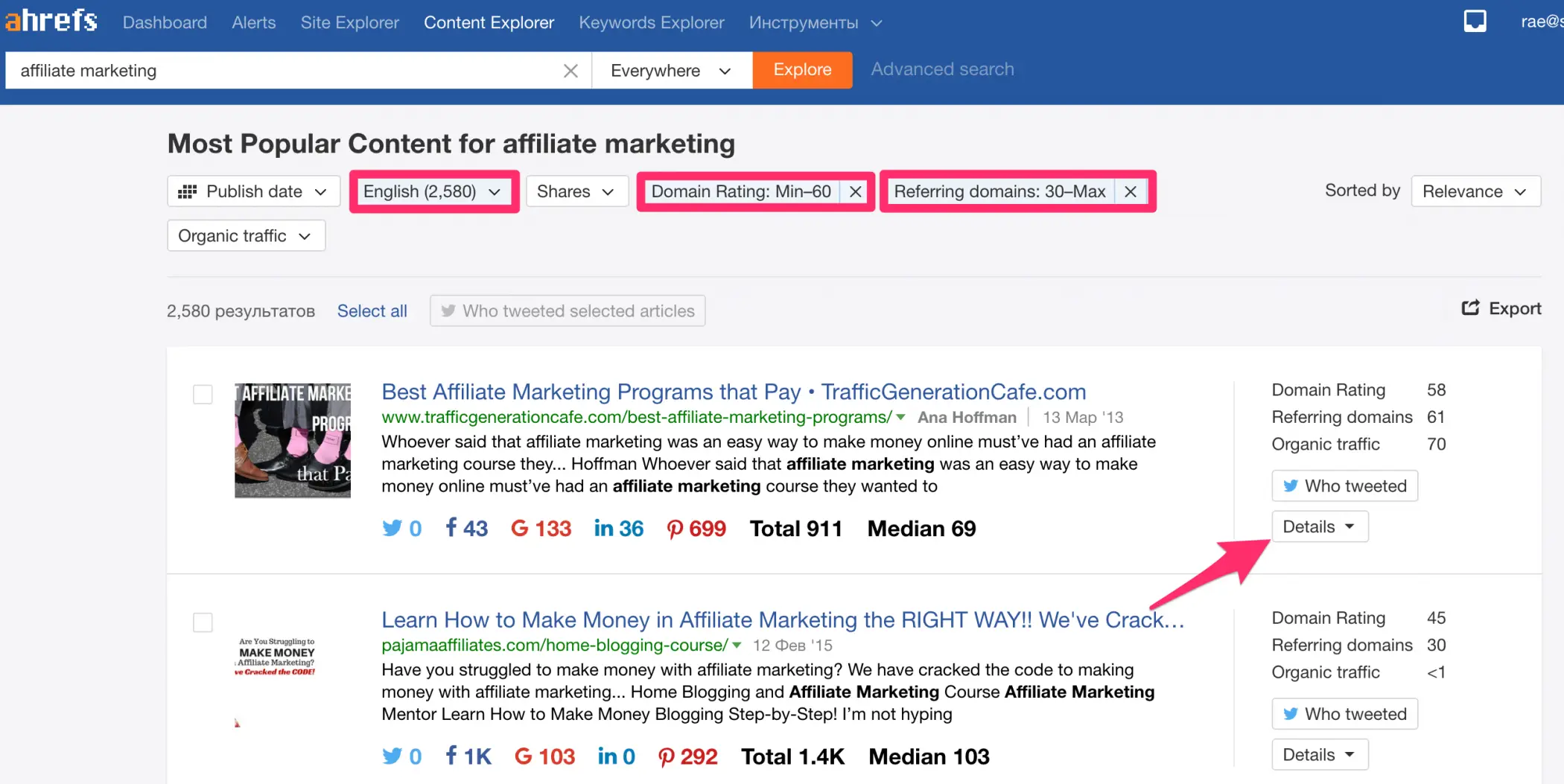
"Upcycling" involves taking discarded or outdated materials and transforming them into products of higher quality. In digital publishing, content upcycling means finding older, historically successful pieces across the web, identifying a fresh angle, and writing a comprehensive, modern version. Using SEO suites like Ahrefs, creators can filter English-language content with domain ratings under 60 (to avoid massive authority sites ranking solely on brand weight) and a high referring domain count (30+) to find proven concepts ripe for reinvention.
4. Reverse-Engineer Competitor Success
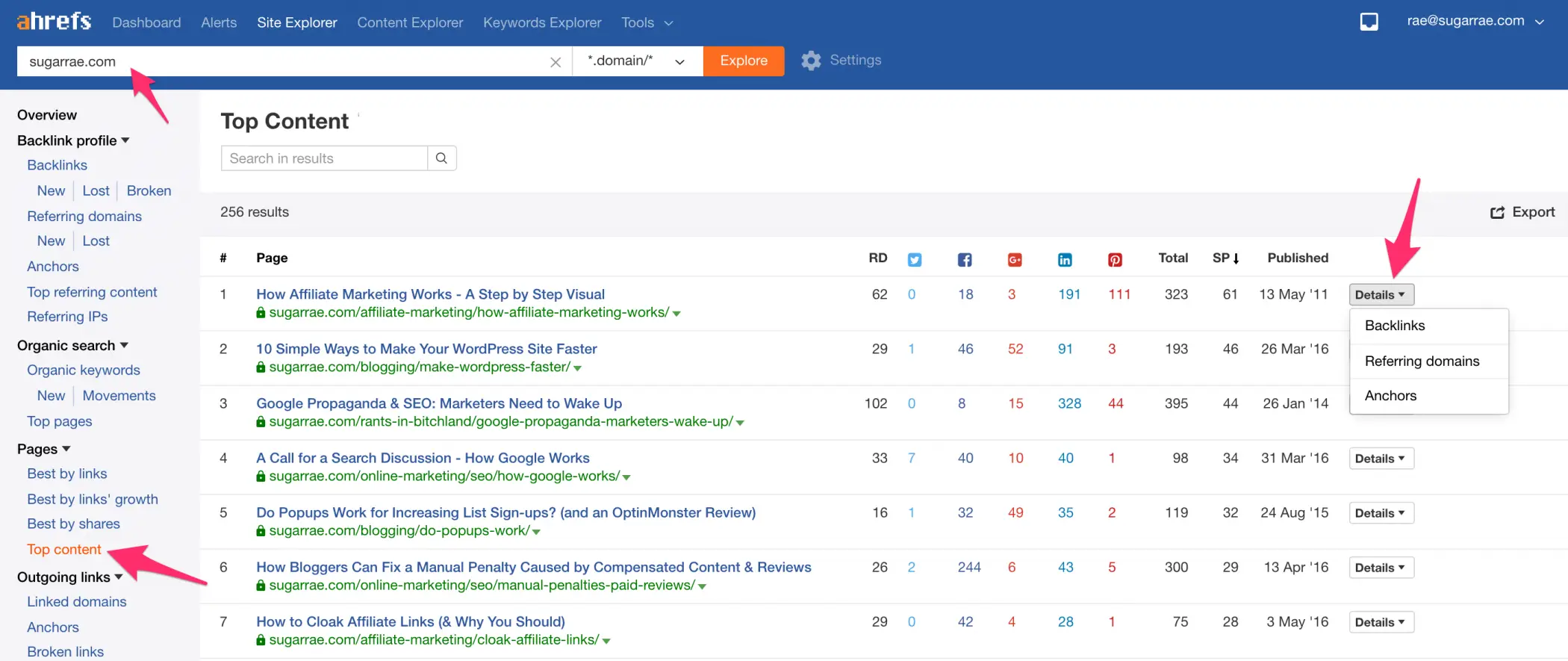
Competitor analysis goes beyond checking traffic estimates. By inputting a competitor’s domain into Ahrefs and navigating to Pages > Top Content, publishers can view an exact breakdown of a rival’s most linked-to and shared pages. Sorting these results by publication date highlights older, high-performing content that is vulnerable to being outranked by a superior, updated asset.
5. Reinvigorate and Modernize Legacy Assets
Creators frequently overlook the goldmine sitting in their own archives. Old posts with outdated information, low-resolution imagery, or thin content can be overhauled. Rather than letting old URLs rot, publishers can rewrite the piece to reflect current methodologies, expand its scope, and set up permanent redirects (or update the existing evergreen URL) to deliver a vastly superior user experience while retaining historical authority.
6. Engage Direct Audience Inquiries
Asking the audience directly is frequently neglected. Beyond broad social media prompts, publishers should deploy targeted micro-surveys using tools like SurveyMonkey or prompt new newsletter subscribers to reply to confirmation emails with their single biggest challenge. To maximize response rates, segment email lists based on prior user behavior (e.g., asking subscribers who clicked an SEO link about their primary link-building hurdle).
7. Leverage Q&A Platforms
Platforms designed specifically for inquiries—such as Quora, Yahoo Answers, Ask Metafilter, and Fluther—provide a direct window into consumer pain points. Searching these platforms for niche-specific keywords reveals long-tail queries and clusters of related questions that can form the backbone of comprehensive, authoritative content.
8. Repurpose Multi-Platform Content
Creators often assume that content published in one format (podcasts, webinars, videos, newsletters) has already been consumed by their entire audience. In reality, consumption habits vary widely. Taking a transcript from a webinar or a script from a video, expanding upon it, and publishing it as a blog post captures search traffic and reaches audience segments that prefer reading over watching or listening.
9. Mine Presentation-Sharing Networks
Platforms like Slideshare, Slideserve, and Authorstream house professional slide decks rich with conceptual frameworks. Searching these repositories within a specific niche—such as real estate—can reveal national trend decks (e.g., top-performing neighborhoods) that can be localized and adapted into targeted regional guides.
10. Audit Internal Site Searches
For sites equipped with a native search bar, internal search logs represent an unexploited blueprint of audience demand. By configuring Google Search Console or Google Analytics (via Site Search tracking parameters like s for WordPress), or by installing a dedicated plugin like Search Meter, publishers can identify precisely what users are looking for but failing to find on the site.
11. Scrape Niche Reddit AMAs
Reddit’s "Ask Me Anything" (AMA) threads feature domain experts answering granular user questions. By executing a targeted Google search using the operator site:reddit.com AMA [your topic], creators can access threads packed with authentic, highly specific questions from real consumers.
12. Search Specialized Niche Forums
Beyond Reddit, dedicated online message boards remain vital community hubs. Using Google operators like [topic] forum alongside intent-driven modifiers such as "need advice," "how do I," "what is the best way to," or "need help" allows publishers to extract exact pain points and community discussions suitable for editorial coverage.
13. Deploy Automated Google Alerts
Google Alerts extend far beyond brand monitoring. By setting up hyper-specific query strings—such as site:reddit.com [topic] AMA or filtering alerts by "Discussions" with exact-phrase operators—creators can automate the delivery of fresh, real-time topic inspiration directly to their inbox.
14. Analyze Pinterest for Visual and Conceptual Trends
Pinterest is not merely a mood board; it is a powerful visual search engine. Searching generic keywords or evaluating competitor pinners reveals trending topics. Furthermore, viewing functional items—such as PVC pipes—through the lens of Pinterest DIYers rather than industrial retailers can unlock creative, cross-industry content angles.
15. Subscribe to Niche Print and Digital Magazines
Traditional print and digital magazines operate under strict word-count limits, frequently preventing authors from exploring complex topics in exhaustive detail. Reviewing these publications provides high-level topic sparks that independent bloggers can expand into definitive, long-form guides.
16. Utilize Automated Topic Generators
While low-effort tools from platforms like Hubspot or Content Forest often yield generic suggestions, they can occasionally spark unexpected creative angles. Because these tools are widely used, however, their suggestions require substantial editorial enhancement to stand out.
17. Analyze Google Search Console Overall Keywords
Logging into Google Search Console and reviewing Search Analytics reveals the organic search terms currently driving traffic. Identifying keywords where a site ranks on the second page (or low on the first page) highlights existing authority that can be leveraged by updating and expanding the corresponding content.
18. Audit Page-Level Search Console Data
Drilling down into individual URLs within Search Console’s page-level analytics exposes secondary keywords that a post is ranking for unintentionally. Discovering that a post ranks in the top twenty for a semi-related query signals an opportunity to build a dedicated, optimized piece of content targeting that specific keyword.
19. Read the Comment Sections
High-ranking competitor posts and historical archives on a creator’s own site often harbor active comment sections. Readers frequently pose follow-up questions, request clarifications, or debate nuances that can serve as springboards for entirely new articles.
20. Perform Competitor Gap Analyses via SEMrush
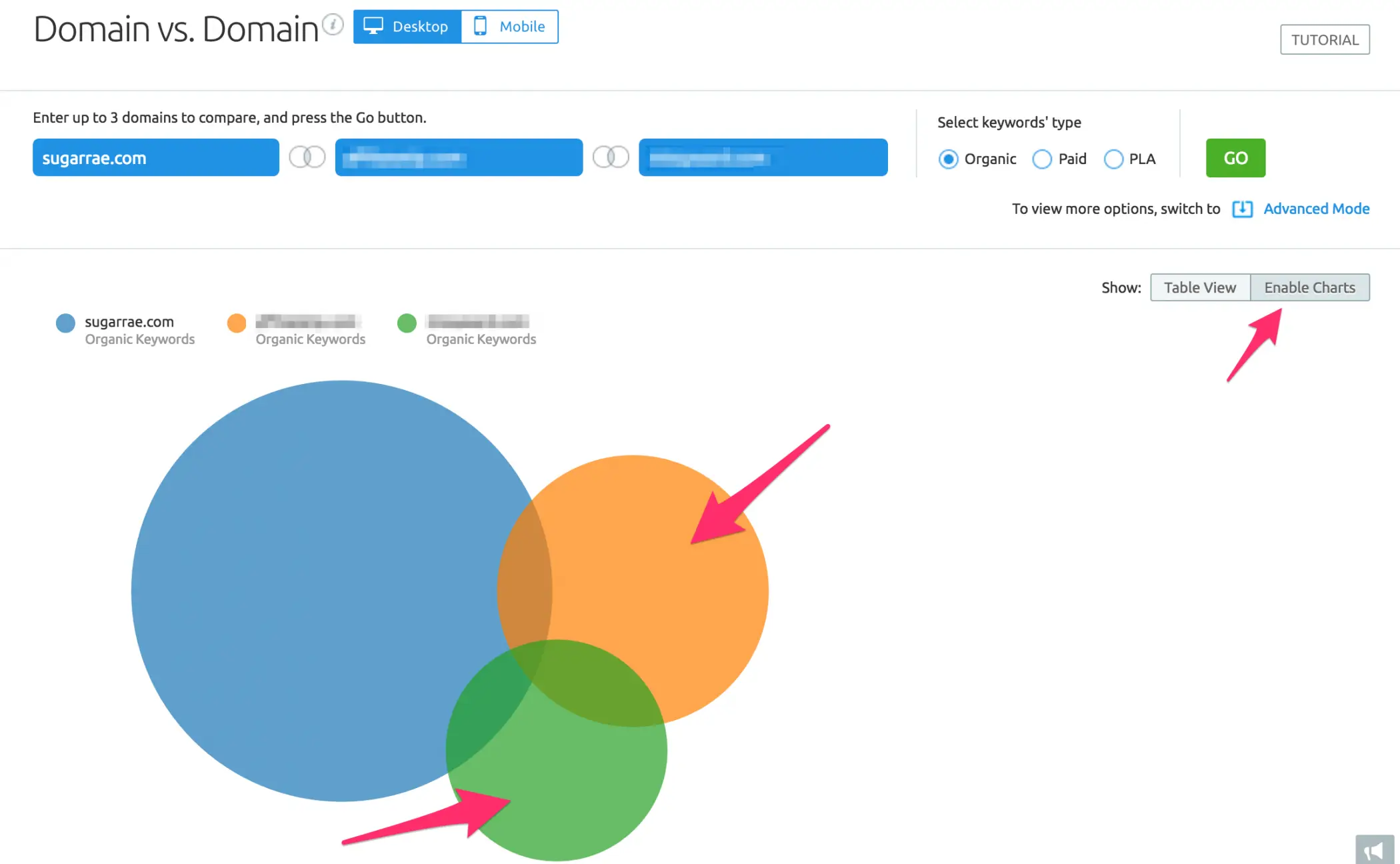
The Domain vs. Domain report in SEMrush allows publishers to input their domain alongside two competitors. By examining the non-overlapping sections of the keyword comparison charts, creators can identify hundreds of keywords and associated topics that competitors rank for but they do not.
21. Convert Used Products into Problem-Solving Guides
Standard product reviews often underperform compared to problem-centric content. Instead of simply reviewing an item, publishers should dissect the specific problems the product solves, evaluate alternative solutions, and walk readers through the implementation process (e.g., transforming a stand-stopper review into a guide on "how to avoid lumps in cake batter").
22. Leverage Amazon Book Titles and Q&A Sections
Amazon’s book search function provides structural blueprints for niche topics. By reviewing book titles and checking the "Look Inside" table of contents—coupled with analyzing the Questions & Answers sections on popular product pages—creators can uncover consumer curiosities and comprehensive chapter outlines.
23. Track "Threepeats"
When an audience or client base asks the exact same question three separate times, it hits "Threepeat" status. Implementing a spreadsheet tracking system to log recurring inquiries ensures that content creation is driven by genuine, repeated demand rather than guesswork.
24. Monitor Niche Twitter Chats
Scheduled Twitter chats organized around specific hashtags are live discussion forums where industry professionals and consumers debate trends and pose questions. Searching these chats using the hashtag combined with a question mark (?) filters out noise and highlights direct user inquiries.
25. Capitalize on Industry Conferences and Q&A Sessions
Live industry events feature expert presentations followed by targeted Q&A sessions. Whether attending in person, reviewing post-conference YouTube recordings, or scanning live-blog coverage, tracking the questions asked by attendees reveals pressing industry concerns.
26. Mine Expert Interview Transcripts
Interviews featuring recognized industry leaders often feature rapid-fire questions where authorities provide brief, high-level summaries. Creators can take these condensed answers and expand them into fully fleshed-out, comprehensive masterclasses on their own platforms.
27. Resurrect Defunct Competitor Sites via Archive.org
When competing websites or businesses shut down, their historical value does not vanish. By using Archive.org alongside bulk-download tools like Wayback Downloads and crawling the recovered files with Screaming Frog, publishers can analyze the title tags and heading structures of dead sites to unearth viable, upcyclable content ideas.
IV. Official Responses & Industry Perspectives
Industry veterans emphasize that content ideation is not a passive creative art, but an active logistical discipline.
"Opportunity is missed by most people because it is dressed in overalls and looks like work," noted Thomas Edison—a sentiment that rings acutely true for modern content strategists.
Leading SEO practitioners reinforce that relying solely on intuition results in publishing content into a vacuum. By anchoring editorial calendars in empirical data—such as internal search queries, competitor keyword gaps, and direct audience feedback—publishers eliminate the friction of the blank page and ensure long-term organic growth.
V. Implications
The transition from intuitive brainstorming to data-driven content mining carries profound implications for digital publishers:
Resource Efficiency: Writers spend less time contemplating what to write and more time executing high-impact, high-intent pieces.
Algorithmic Alignment: Content aligned with actual user queries, Q&A forums, and search console data naturally satisfies search engine ranking criteria.
Sustainable Growth: By systematically upcycling aging assets and filling competitor keyword gaps, publications build enduring digital equity, insulating themselves from volatile algorithm shifts and chronic writer’s block.