Everything in life is defined by partnership. As a creator, you have spent countless hours honing your craft, building your voice, and fostering a dedicated community. You are already in a successful partnership with yourself—the engine of your creative output—and with your audience, the fuel that keeps your brand alive.
But there is a final, vital frontier: the strategic partnership with brands. Moving from a passion project to a sustainable business means learning how to connect with the companies that align with your vision. This week, we dive deep into the mechanics of securing brand deals, mastering the art of the pitch, and negotiating the compensation you truly deserve.
The Rise of the "Small Yet Mighty" Influencer
For years, the creator economy was obsessed with the cult of the "mega-influencer." Brands poured millions into accounts with millions of followers, often chasing reach at the expense of resonance. However, the market has shifted. Today, the most valuable currency in influencer marketing is not sheer volume—it is trust.

The Shift in Market Dynamics
Nano and micro-influencers are currently outpacing their larger counterparts in terms of engagement rates and conversion efficiency. Jacquelyn White, a senior content manager at Impact.com, notes that brands are pivoting away from broad, celebrity-style endorsements toward niche experts who possess a deep, localized connection with their followers.
For the small creator, this is a transformative moment. You do not need to wait for a million followers to be "brand-ready." You need a clear niche, consistent quality, and a highly engaged audience. If you can prove that your community trusts your recommendations, you are exactly what modern marketing departments are looking for.
Why Engagement Trumps Reach
Data consistently shows that as follower counts rise, engagement rates tend to dip. A creator with 5,000 followers who receives hundreds of comments per post is often more valuable to a brand than an account with 500,000 followers that generates only a handful of likes. Brands are looking for "influence," not just "audience." When you pitch, your primary selling point should be the depth of the relationship you have built with your readers or viewers.

Building Your Professional Foundation: The Media Kit
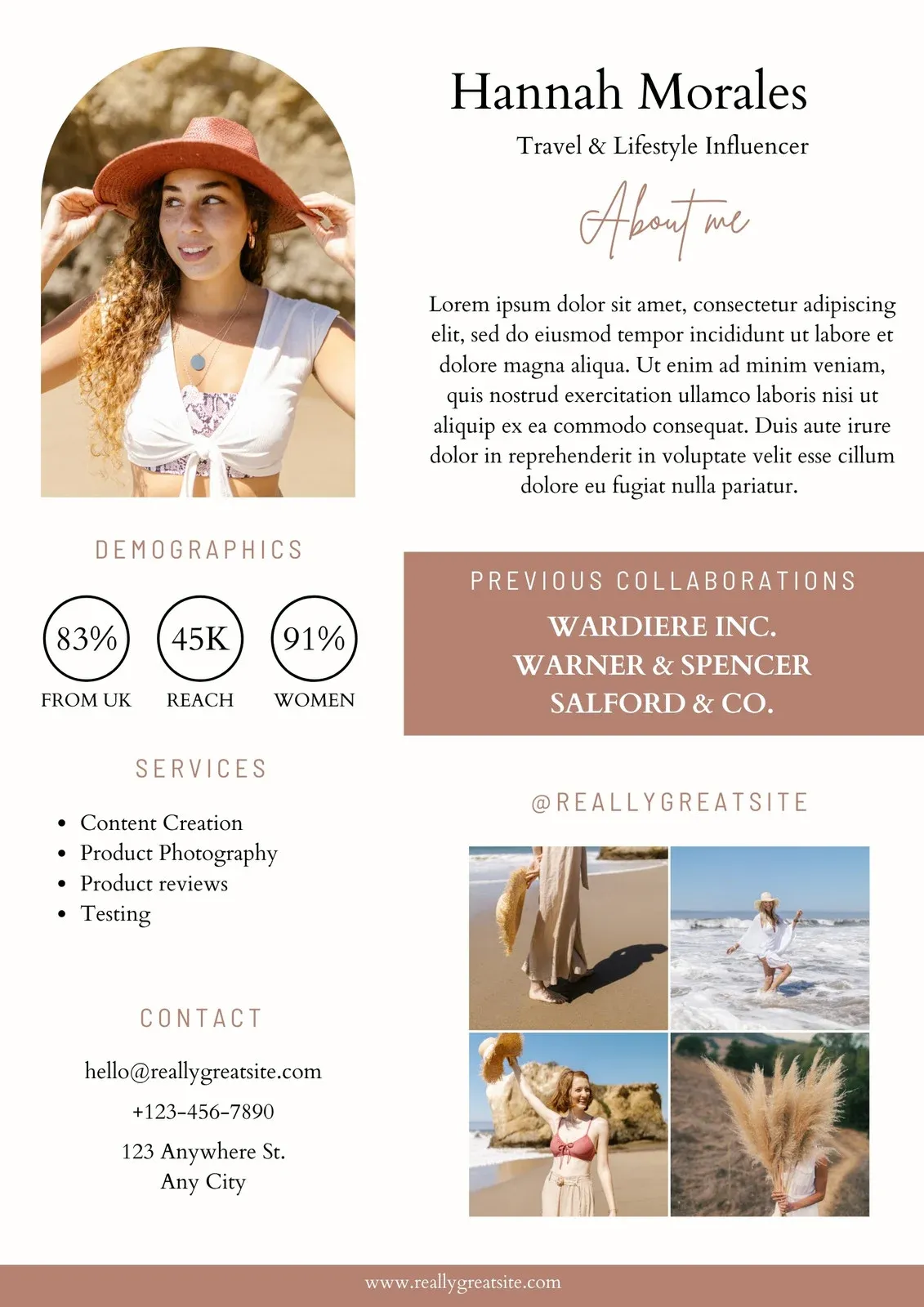
If you want to be treated like a business, you must present yourself like one. A media kit is the cornerstone of your professional toolkit. It is essentially a living document—a "style guide" for your professional brand—that allows prospective partners to understand who you are, what you stand for, and why they should invest in you.
Essential Components of an Effective Media Kit
According to experts at Skillshare, a robust media kit should be concise, visually appealing, and data-driven. Whether you host it as an "About" page on your website or a downloadable PDF, it must include:
- The Bio: Craft a compelling narrative. Are you an industry expert, a lifestyle curator, or a specialized educator? Include high-quality headshots and examples of your best visual work.
- Contact Information: This sounds obvious, but it is frequently overlooked. Make it frictionless for a brand representative to reach out to you via email, social media, or through your management team.
- Mission Statement: Brands want to know your "Why." Clearly articulate your goals and the specific value you bring to your audience.
- Content Overview: Provide a curated portfolio of your best work. Don’t just show them what you’ve done; show them the results of what you’ve done.
- Hard Data: Include your most recent analytics—follower demographics, reach, engagement rates, and website traffic. Contextualize this data; explain who your audience is, not just how many there are.
- Case Studies: If you have worked with brands before, showcase them. This acts as "social proof," signaling to future partners that you are a reliable, professional, and results-oriented creator.
The Art of the Deal: Mastering Negotiation
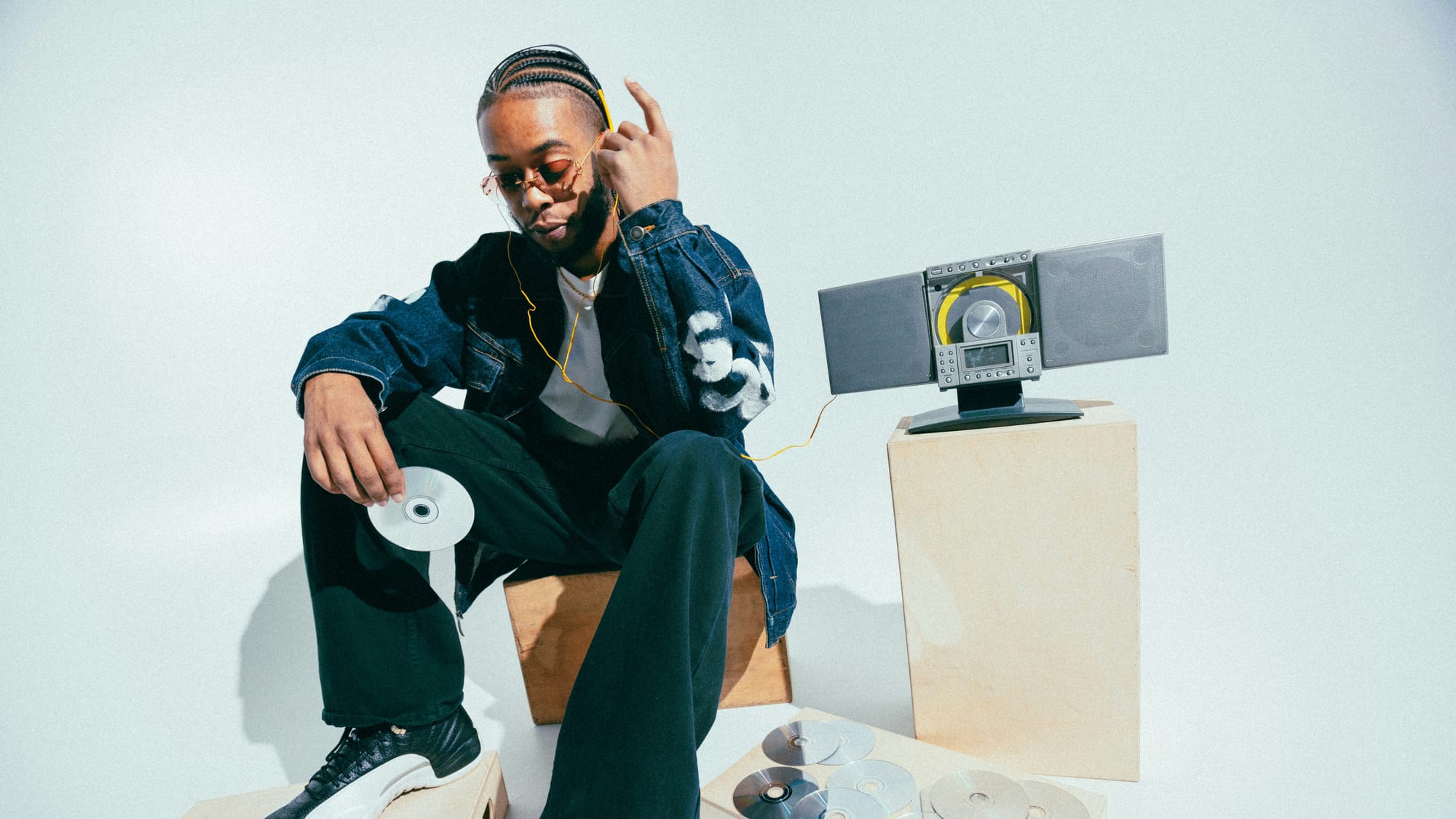
Negotiation is where most creators feel the most anxiety, but it is where you exert your true power. The common misconception is that the brand holds all the cards. In reality, once a brand reaches out to you, they have already identified you as a solution to one of their problems. You are the captain of that conversation.
Strategies for High-Stakes Negotiation
Kwame Christian, CEO of the American Negotiation Institute, suggests that successful negotiation is less about aggression and more about information gathering.
- The "First Offer" Dilemma: As a rule of thumb, seasoned creators may choose to set the price. However, if you are new to the space, it is often wise to let the brand lead with their budget. Use this as an opportunity to ask probing questions: "What are your primary KPIs (Key Performance Indicators) for this campaign?" or "What does success look like for this partnership?" The more information you gather, the stronger your counteroffer will be.
- Look Beyond the Dollar: If a brand cannot meet your financial requirements, look for "value-adds." Can they provide long-term usage rights? Can they promote your content on their own massive social channels? Can they provide product for future giveaways or exclusive access to events? A deal is the sum of its parts, not just the base fee.
- The Exclusivity Trap: Exclusivity clauses—where a brand demands you don’t work with competitors—can be lucrative, but they are also restrictive. Be wary of locking yourself into long-term exclusivity with a brand you haven’t fully vetted. Start with a 30-to-90-day window to "test the waters" before committing to a long-term ban on working with similar companies.
Building Relationships, Not Transactions
The biggest mistake a creator can make is treating a brand deal as a one-time transactional event. Marketing departments are often overworked and understaffed. If you make the brand manager’s job easy—by providing timely assets, clear communication, and high-quality deliverables—you become an asset they want to retain. Treat every deal as the pilot episode for a long-term series of partnerships.
Chronology of a Successful Partnership
- Preparation (Pre-Outreach): Audit your social presence. Ensure your media kit is updated with the latest analytics.
- The Pitch/Inbound: Whether you are reaching out or receiving an offer, verify the brand’s alignment with your values. Does this product actually benefit your audience?
- Discovery (The Call): Ask questions. Understand their pain points. Define the deliverables clearly.
- Negotiation: Present your rate card, but be prepared to discuss the scope. Protect your exclusivity rights.
- Execution: Deliver on time, communicate proactively, and exceed expectations.
- Reporting: After the campaign, send the brand a summary of the results. This builds credibility and sets the stage for the next, higher-paying contract.
Supporting Data and Industry Implications
Recent industry reports from the Influencer Marketing Benchmark Report indicate that the creator economy is trending toward "Performance Marketing." Brands are moving away from flat-fee "pay for post" models and toward outcomes-based compensation.
Why Data Matters
When you present your analytics to a brand, you are providing them with the justification they need to explain their budget to their internal stakeholders. By showing that your audience is, for example, 70% female, aged 25–34, and located in urban centers, you are helping the brand reach a specific target segment with high precision. This is the difference between a "hobbyist" and a "professional creator."
The "Small Creator" Advantage
The implication of this data is clear: the era of the "faceless" influencer is ending. We are entering the era of the "Community Leader." If you have 5,000 followers who trust you implicitly, you have a more sustainable business model than an influencer with 500,000 followers who ignore their posts.
Final Thoughts: Getting Started
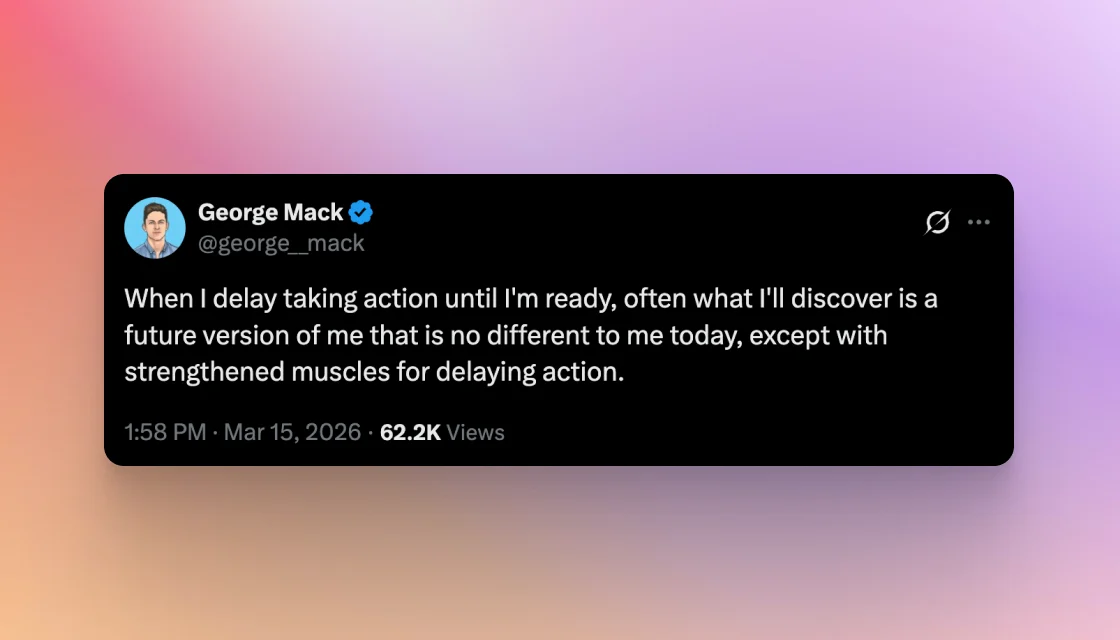
The most common reason creators fail to secure brand deals is not a lack of talent—it is a lack of action. You do not need to wait until you are "perfect" to start pitching. In fact, starting with smaller brands that offer smaller budgets is the best way to gain the experience required to negotiate with global corporations later on.

Experience is your best teacher. Each time you negotiate, you learn more about your worth, your audience’s value, and the specific metrics that brands care about.
If you are currently waiting for the "right time," consider this your sign to start. Build your media kit, refine your mission, and start the conversation. The partnership you are looking for is likely looking for you, too.
Was this issue helpful? If you found these insights useful, please forward this newsletter to a fellow creator. We thrive on community, and we don’t bite! For more in-depth tutorials, browse our extensive library of creator resources or join our professional community to connect with like-minded creators who are building their businesses in real-time.