










In the high-stakes world of global industrial manufacturing, reputation is a fragile asset. For a conglomerate like Atlas Copco Group—a powerhouse spanning air compression, vacuum solutions, and industrial power technology—the sheer scale of operations presents a monumental challenge: how do you maintain a unified brand voice when your teams are scattered across dozens of countries, divisions, and digital channels?
The answer, as it turns out, lies in moving beyond the reactive "whack-a-mole" tactics of traditional reputation management. By embracing a proactive, data-driven framework known as "reputation intelligence," Atlas Copco Group has not only mitigated risk but transformed how they govern their digital footprint, earning them the 2026 Predictive Edge Award from Sprout Social.
The Architecture of Risk: Why "Monitoring" Is No Longer Enough
For years, corporate communications teams have relied on "reputation monitoring." This is the practice of tracking brand mentions, online reviews, and sentiment spikes. While necessary, it is inherently reactive. By the time a sentiment spike hits the dashboard, the narrative has often already taken hold, and the damage—whether to stock price, customer trust, or employee morale—is already underway.
Reputation risk rarely announces itself with a thunderclap. It begins as a series of whispers: a localized customer complaint in a European market, a slight inconsistency in messaging on a regional LinkedIn page, or a subtle uptick in unanswered inquiries. Individually, these signals are dismissed as "noise." Collectively, they are the early warning system of a brewing crisis.
The challenge, according to Sprout Social’s Social Intelligence Report, is that most organizations are chronically slow to react. A staggering 86% of enterprises admit that siloed data and slow-moving insights have caused them to miss critical opportunities, while 26% report that preventable customer issues escalated into full-blown crises simply because the initial signals were ignored or mismanaged.

A Five-Step Paradigm: The Atlas Copco Group Model
Atlas Copco Group recognized that to scale effectively, they needed to move from monitoring what has happened to predicting what might happen. Their five-step model provides a blueprint for any global enterprise looking to professionalize its reputation governance.
1. The Pursuit of "Weak Signals"
The team at Atlas Copco Group shifted their focus toward "weak signals"—the subtle indicators of declining account health or brand misalignment. This involves working backward from known risks. By identifying the behaviors that precede a negative trend (e.g., a dip in engagement rates or an increase in off-brand content), the team can intervene before a minor issue becomes a systemic failure. Using social listening tools, they correlate patterns across disparate channels to see the "big picture" that local teams might miss.
2. The Governance Matrix
Early signals are useless without a clear protocol. Atlas Copco Group implemented a social media action matrix that provides a roadmap for accountability. This document clearly defines account ownership, mandates daily content audits, and utilizes biannual "account health scorecards." This framework transforms abstract safety goals into actionable, measurable tasks.
3. Standardizing Health Metrics
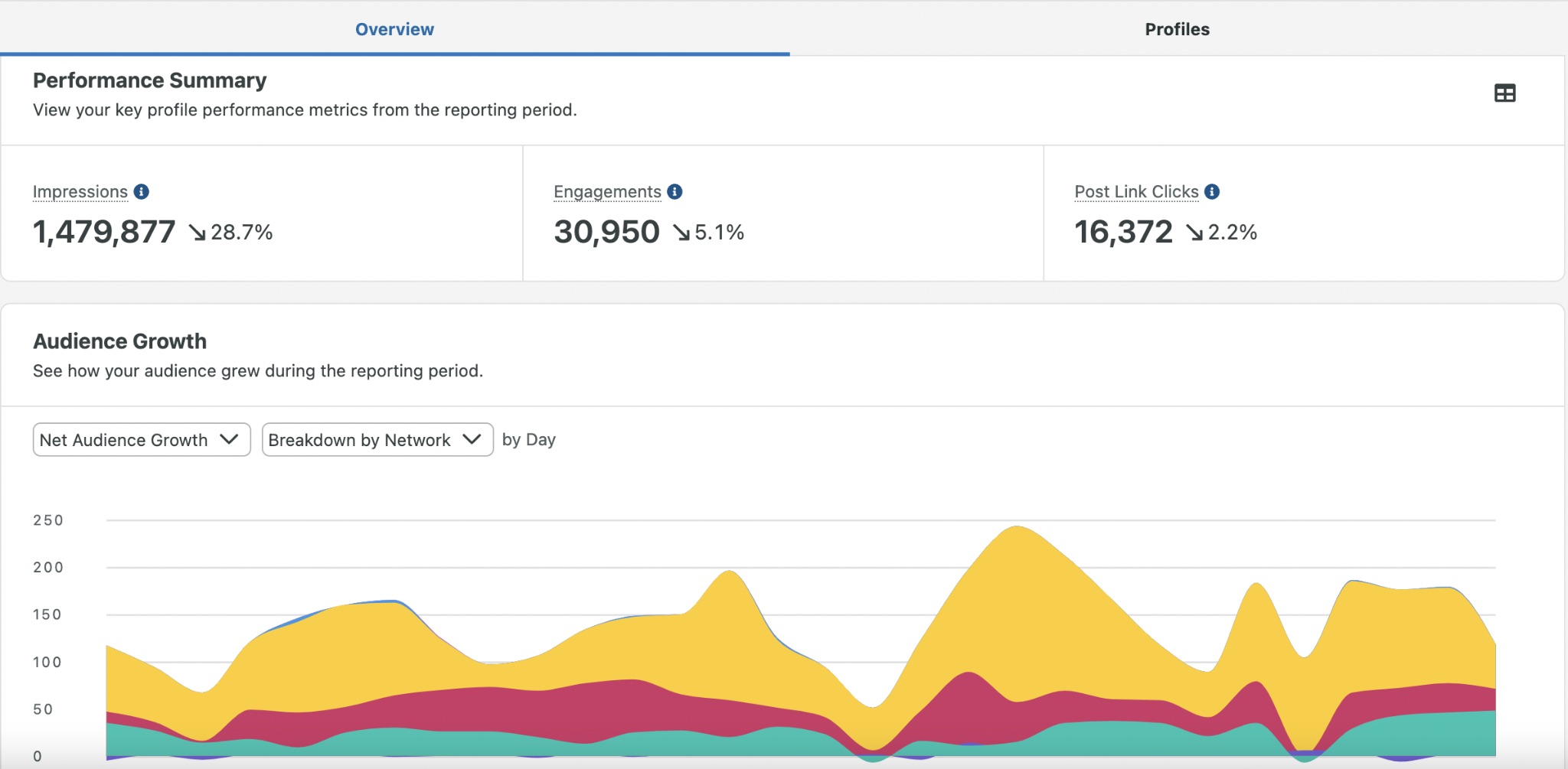
Consistency is the bedrock of reputation. By applying a uniform set of metrics—including response times, engagement quality, and brand compliance—across all global profiles, the organization can objectively compare performance. This standardization allows leadership to pinpoint exactly where training or additional resources are required, replacing subjective "gut feelings" with cold, hard data.
4. Bridging the Gap to Leadership
One of the most persistent hurdles in modern business is the "silo effect." Social data is frequently trapped within the marketing department. However, only 36% of organizations successfully integrate social data into broader business strategy. Atlas Copco Group has broken this mold by feeding reputation intelligence directly into risk management and communications planning, ensuring that C-suite decisions are informed by real-time public perception.
5. Operationalizing Internal Support
Finally, the model treats governance as a support system rather than a disciplinary one. When the central team identifies a decline in a local account, the response is not a reprimand, but an intervention. This might involve additional training, clearer guidelines, or temporary hands-on support. This creates a culture of partnership where local teams feel empowered rather than policed.
The Role of AI in the Intelligence Equation
As the velocity of digital information increases, human oversight alone is becoming insufficient. The rise of Generative AI has further complicated the landscape, making it easier for both malicious actors and well-meaning employees to generate massive amounts of content, some of which may be off-brand or factually incorrect.
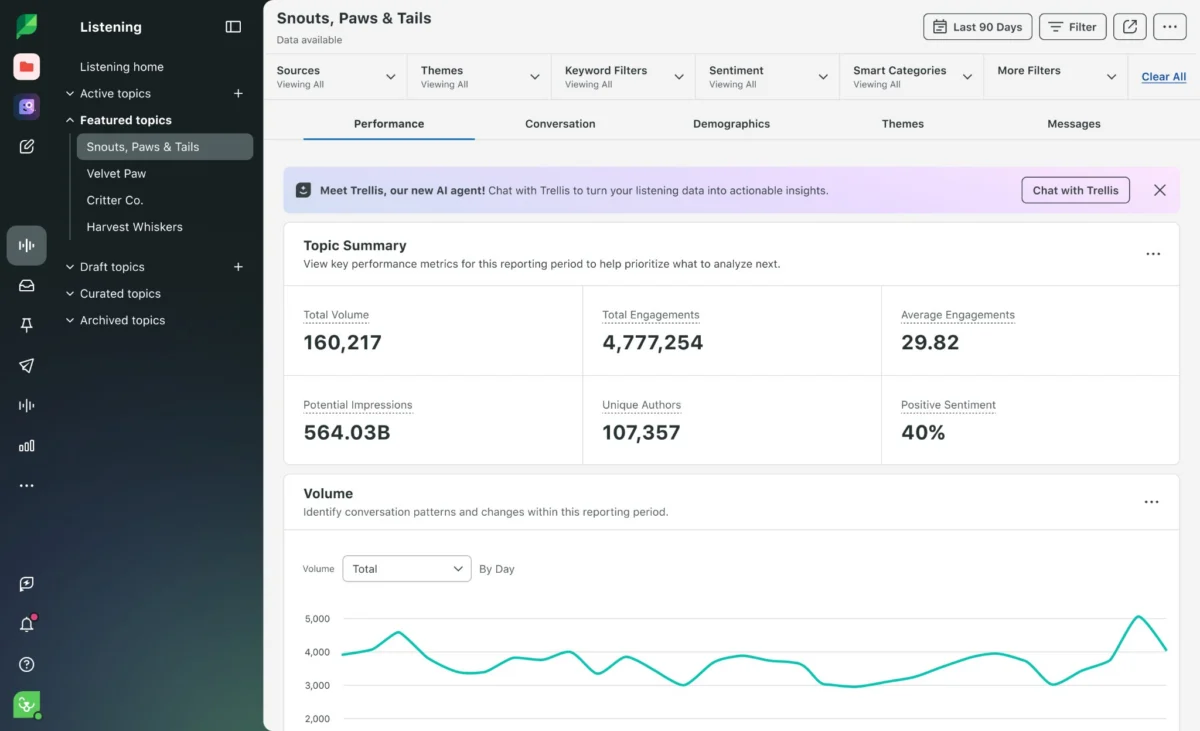
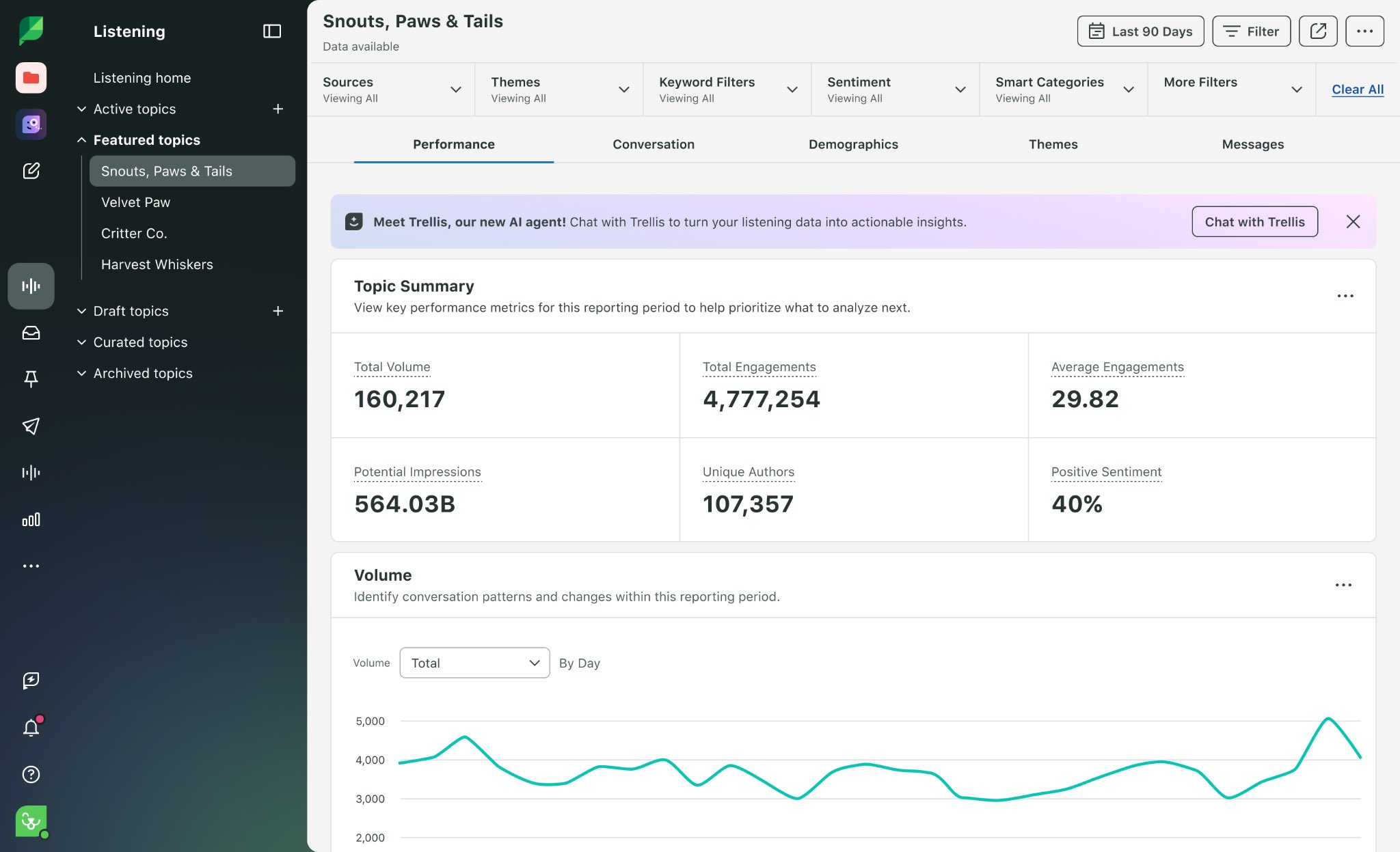
AI acts as the force multiplier in the Atlas Copco Group’s strategy. While the sheer volume of data is too large for any human team to parse manually, AI-driven agents—such as Sprout’s Trellis—can aggregate massive datasets, identify sentiment shifts, and surface trending narratives in seconds.
However, the technology does not replace the human element; it elevates it. AI identifies the "what," but human experts must still interpret the "why." Cultural context, historical nuances, and internal strategic goals remain the domain of human judgment. By offloading the data-crunching to AI, the Atlas Copco team gains the time to focus on strategic, high-level decision-making.
Chronology of a Transformation: From Fragmentation to Unity
The journey for Atlas Copco Group did not happen overnight. It began with an audit of their digital presence, which revealed a fragmented landscape where divisions operated in isolation.
- Phase 1 (Assessment): The team mapped every social account globally, identifying "zombie" pages and inconsistent brand assets.
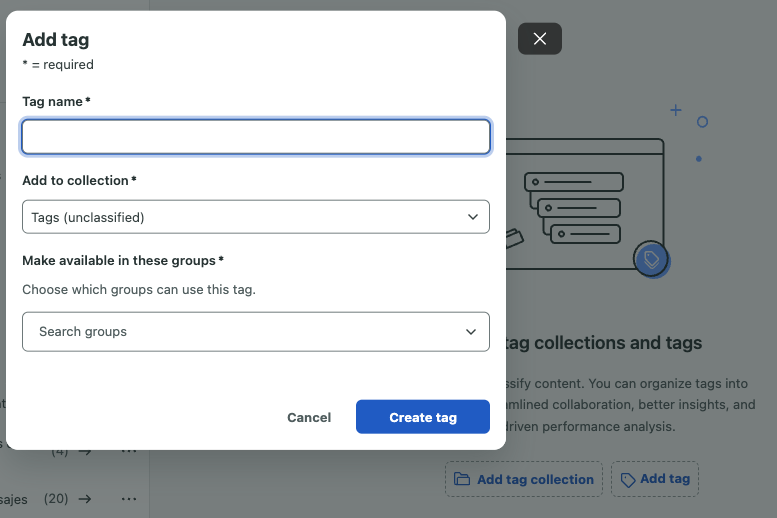
- Phase 2 (Standardization): They implemented a central management platform, ensuring all teams used the same tagging taxonomies and compliance protocols.
- Phase 3 (Predictive Integration): They moved from reactive monitoring to proactive intelligence, incorporating AI to scan for emerging risks.
- Phase 4 (Expansion): The model was socialized across the company, linking social data to broader enterprise risk management (ERM) frameworks.
Implications for the Modern Enterprise
The implications of this shift are profound. For the modern enterprise, "brand safety" is no longer just about avoiding offensive content; it is about protecting the integrity of the corporate narrative in an era of rapid information flow.
When organizations fail to monitor their reputation intelligently, they lose their ability to control the narrative. They become spectators to their own brand’s decline. By contrast, the approach adopted by Atlas Copco Group demonstrates that visibility is the precursor to control. When a company can see the entire landscape of its digital reputation, it can make informed decisions about how to engage with customers, how to respond to criticism, and how to communicate its value proposition to the world.
Frequently Asked Questions
What is the core distinction between monitoring and intelligence?
Reputation monitoring is descriptive—it tells you what happened after the fact. Reputation intelligence is diagnostic and predictive—it connects data points across time and channels to explain why something is happening and what might happen next.
Why is social intelligence critical for the C-suite?
Traditional KPIs like revenue and churn are lagging indicators. Social data is a leading indicator. It provides the earliest possible window into changing consumer sentiment, market trends, and emerging threats, making it an invaluable asset for executive decision-making.
How does AI change the risk landscape?
AI enables the rapid creation and dissemination of information. It increases the volume of "noise" that companies must sift through. However, it also provides the tools necessary to filter that noise, allowing organizations to maintain focus on the signals that actually impact business performance.
Can small-to-mid-sized businesses adopt this model?
Absolutely. While Atlas Copco Group is a global giant, the principles of clear governance, standardized metrics, and proactive signal tracking are scalable. The primary investment is not in massive technology budgets, but in the cultural shift toward treating reputation as a data-driven business function.
In conclusion, the era of "set it and forget it" reputation management is over. In a hyper-connected, AI-accelerated world, the winners will be those who, like Atlas Copco Group, recognize that reputation is not a static state to be defended, but a living, breathing ecosystem that must be carefully cultivated, monitored, and understood.



