










If you find yourself feeling the early-year fatigue of 2026, you are far from alone. As the digital publishing landscape grows increasingly crowded and the pressure to monetize creative output intensifies, many writers are finding their "spark" replaced by a sense of obligation. Whether you are a seasoned newsletter author or an aspiring blogger, the feeling of burnout is an occupational hazard. However, it is essential to remember that the remedy for professional exhaustion is often found in the very thing that started your journey: the act of writing itself.
When the machinery of publishing—SEO, audience growth, paywalls, and platform algorithms—begins to overshadow your creative intent, it is time to recalibrate. Reconnecting with the craft is not merely a nostalgic exercise; it is a vital survival strategy for the modern creator.
The Myth of the Perfect Page
In an era dominated by rapid-fire AI content generation, the pressure to produce "flawless" copy has never been higher. Yet, ironically, this has created a market premium for human imperfection. Readers are increasingly seeking the raw, unfiltered voice that algorithms struggle to replicate.

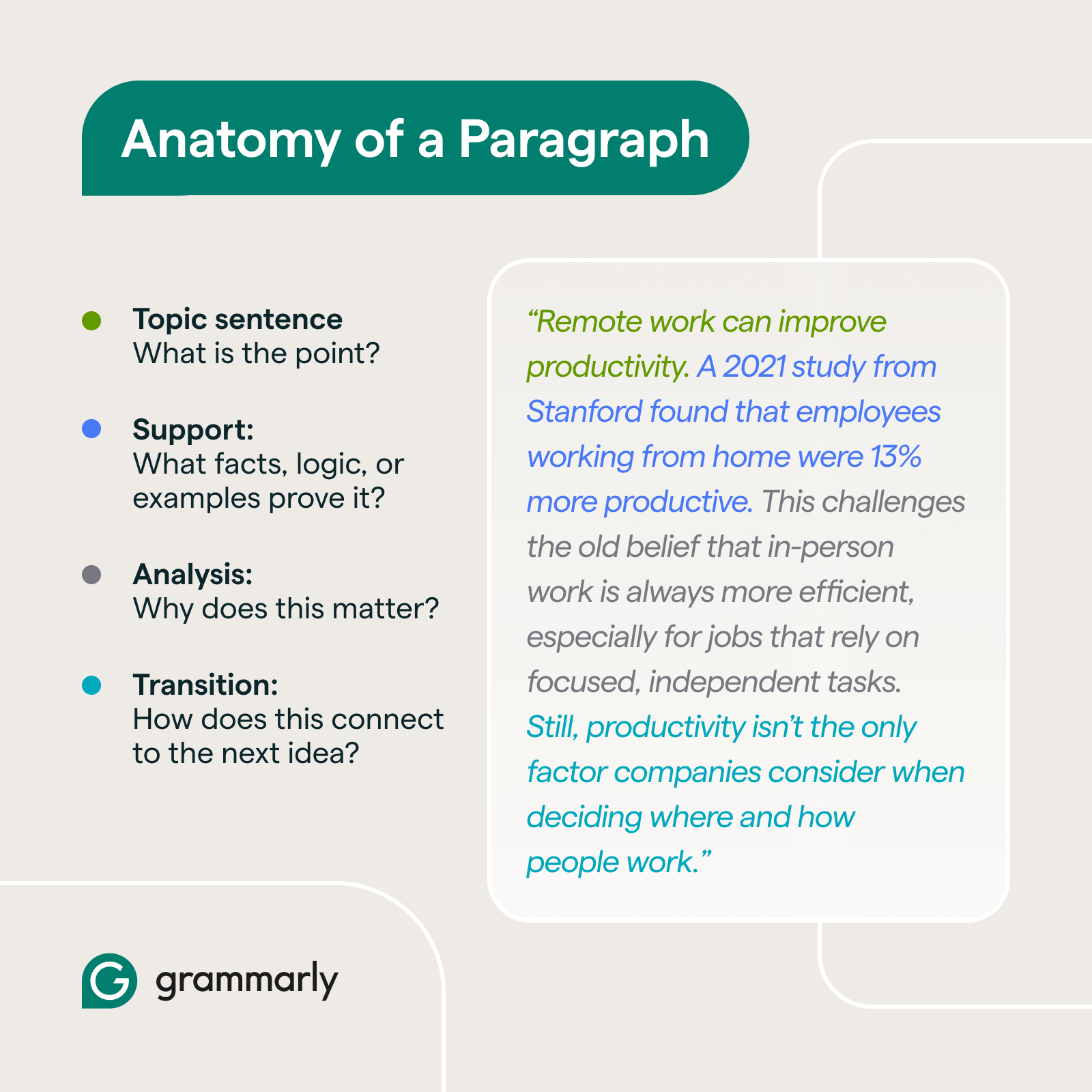
For many, the "blank page" is the ultimate adversary. Perfectionism acts as a paralyzing force, preventing the first word from ever hitting the screen. Industry experts, including the team at Grammarly, advocate for the "rough draft" as a sanctuary for the mind. By giving yourself permission to write poorly, you bypass the inner critic that prioritizes structure over substance.
The Anatomy of a Rough Draft
- The Introduction: Start with the "why" rather than the "what." Why does this story matter to you?
- The Body: Allow your thoughts to meander. Use this space for exploration rather than conclusion.
- The Roadblocks: Identify where you feel the most friction and write through it, even if you just note, "I need to clarify this later."
- The Conclusion: Summarize the takeaway, but only after you’ve allowed your ideas to breathe on the page.
By treating the rough draft as a private space, you allow your creative muscles to lead, relegating your anxiety to a secondary role.
Chronology of a Creative Slump
The trajectory of a writer’s career often follows a predictable arc. Understanding this timeline can help you identify when you are drifting away from your core purpose:

- The Honeymoon Phase: The initial period where ideas flow freely and the act of writing feels like an infinite resource.
- The Professional Pivot: The moment you begin to monetize or build a brand, shifting the focus from "what I want to say" to "what the audience wants to hear."
- The Routine Trap: The phase where writing ceases to be an act of discovery and becomes "homework"—a checklist item dictated by deadlines and editorial calendars.
- The Reckoning: The onset of burnout, where the lack of intrinsic joy makes it difficult to produce high-quality work.
Recognizing these stages allows you to intervene before your passion is fully extinguished. If you find yourself in the "Routine Trap," you must pivot back to the fundamentals of your craft.
Strategies for Reclaiming Your Flame
If the act of writing has become a chore, consider these evidence-based strategies to reignite your interest, as highlighted by Famous Writing Routines:
1. The Goal-Free Session
Strip away word counts and publication metrics. Write for the sake of expression. Journaling or free-writing without an audience in mind reminds your brain that writing is, at its heart, a tool for processing reality.
2. Embrace the "Off-Niche"
Niche fatigue is real. If you feel constrained by the subject matter of your publication, step outside of it. Write about a hobby, a memory, or a frustration that has nothing to do with your professional brand. Curiosity is the fuel of creativity; if you stop being curious, your writing will inevitably turn stale.
3. Change Your Environment
Physical environment is deeply tied to cognitive output. If you have written from the same desk for three years, your brain associates that space with the stress of production. Moving to a park, a library, or even a different room in your home can trigger a fresh sensory response that breaks the creative block.
4. Re-engage as a Reader
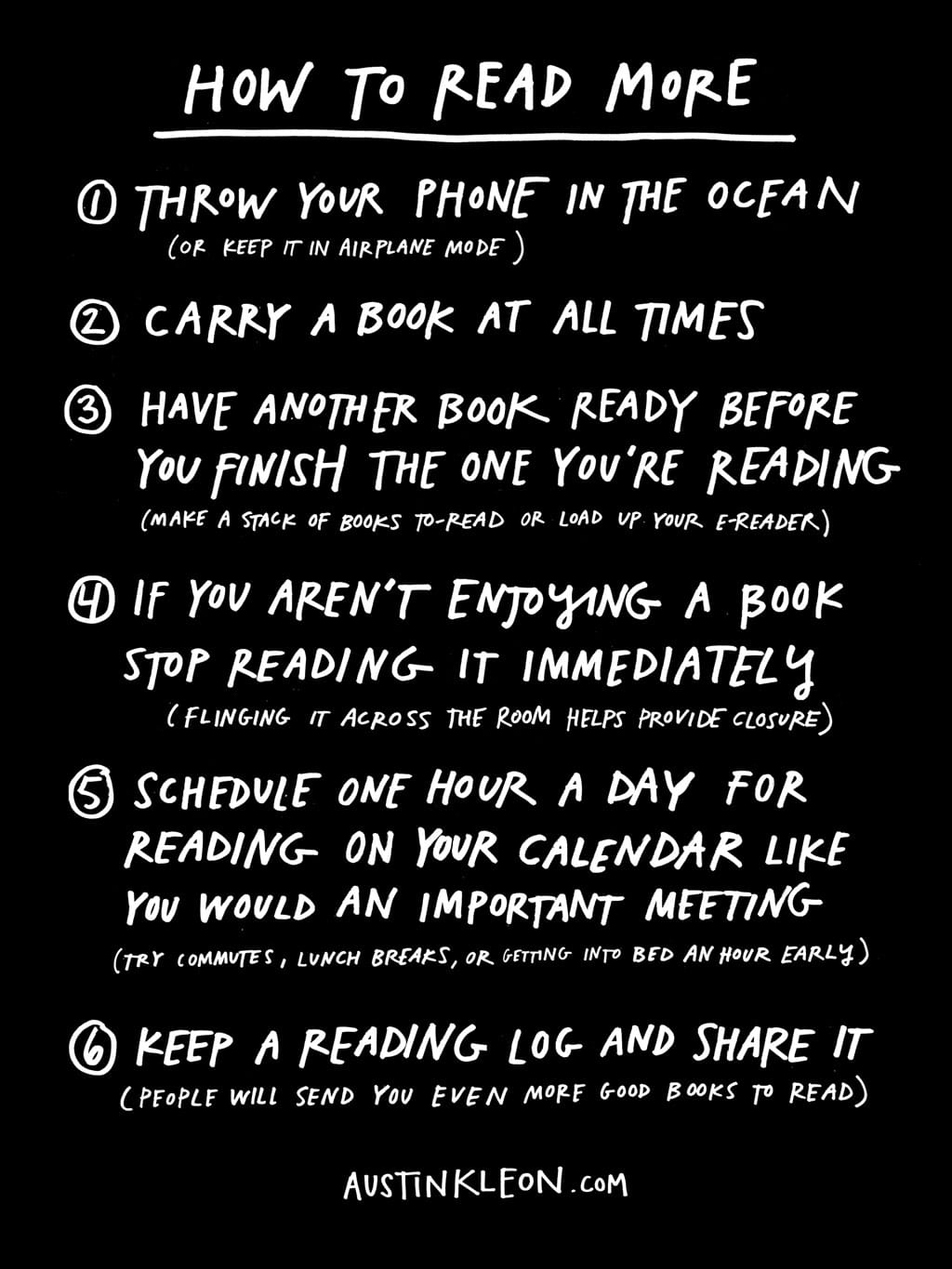
You cannot pour from an empty cup. If you are not consuming work that moves you, your own output will suffer. Dedicate time to read works that challenge your perspective or delight your sensibilities. As Austin Kleon has frequently noted, the input of diverse, quality information is the prerequisite for output.

5. Shift to Short-Form
The pressure to produce long-form, "definitive" content is exhausting. Try publishing smaller, punchier pieces across different platforms. Reducing the scale of your projects makes the barrier to entry lower and the act of "finishing" more frequent.
The Fear of Being Seen
Beyond the act of writing lies the hurdle of sharing. Many creators harbor a deep-seated insecurity about their work—the "Imposter Syndrome" that suggests you aren’t "enough" to be heard.
Simon K. Jones, in his analysis of creator anxiety, emphasizes that the fear of public scrutiny is often a fear of vulnerability. To overcome this, one must internalize the following principles:
- Own the Identity: If you write, you are a writer. It is not a title bestowed by an editor or a subscriber count; it is a habit. The sooner you claim this identity, the more resilient your output becomes.
- Accept Imperfection as Evolution: Look back at your work from three years ago. If you don’t find it slightly embarrassing, you haven’t grown. Your current work is simply a snapshot in a long process of evolution.
- The "Hater" Reality: Every successful piece of writing divides an audience. If you are trying to write something that everyone loves, you are writing something that is likely mediocre. Focus on the audience that connects with your truth, not the critics who find fault with it.
Implications for the Future of Publishing
The digital publishing landscape of 2026 is shifting toward a model of "radical authenticity." As AI becomes the standard for commodity content, the "human premium"—the value of a singular, flawed, and honest voice—will continue to rise.
For creators, the implication is clear: Success is not a destination, but a relationship with your own process.
If you are currently struggling, know that it is not a sign of failure; it is a sign of transition. You are moving from a phase of "producing content" back to a phase of "communicating ideas." By prioritizing your own joy, ignoring the performative metrics of social media, and focusing on the consistency of your voice, you can sustain a career that is as fulfilling as it is impactful.

As you look toward the remainder of the year, treat your writing not as a test you must pass, but as a conversation you are having with yourself and your readers. It is okay to be tired, it is okay to be messy, and it is absolutely okay to change your mind about what you write. Your subscribers follow you not for the perfection of your grammar or the optimization of your SEO, but for the honesty of your perspective. Keep showing up, not because you have to, but because you have something to say.



