











In the modern digital economy, cybersecurity has evolved from a back-office IT concern into an existential business challenge. As threat landscapes expand at breakneck speed, corporate attack surfaces are growing with every new cloud integration, remote work policy, and digital investment. However, for Small and Medium-sized Businesses (SMBs), this landscape is not just challenging—it is becoming insurmountable.
While larger enterprises possess the capital to build fortresses of security, SMBs are often left fighting an asymmetric war with limited resources, talent shortages, and a market of security solutions that prioritize complexity over clarity. As the 2026 ESET SMB Cyber Readiness Index reveals, the divide between the need for robust protection and the capacity to manage it has created a dangerous vacuum in the global defense posture.
The State of the Threat: A New Era of Volatility
The concept of "good enough" security has been rendered obsolete by a volatile geopolitical climate and the rapid, often uncontrolled, evolution of adversarial technology. ESET’s latest research indicates that 75% of SMBs are deeply concerned about the intersection of global conflicts and cyber warfare. This is not mere paranoia; it is a direct response to a reality where nearly half of all SMBs have experienced at least one significant cyber incident within the past year.
Chronology of Escalation
- The State-Actor Shift: Historically, SMBs assumed they were "too small to be targets." That changed as nation-state actors began using supply chain attacks as a primary vector. From Iran-nexus actors targeting critical infrastructure—including British power grids and U.S. water treatment facilities—to the Sandworm group’s campaigns against Polish energy infrastructure, the message is clear: state-backed hackers are increasingly ambitious.
- The Financially Motivated Surge: Simultaneously, independent criminal syndicates—often operating with tacit approval from hostile states—have turned ransomware and data extortion into a high-efficiency business model. These groups operate with near-total impunity, often collaborating with government-aligned hackers to share intelligence and refine targeting tactics.
- The AI Acceleration: The most recent, and perhaps most dangerous, shift involves the democratization of Artificial Intelligence. Threat actors are now using AI to scale reconnaissance, build highly personalized phishing campaigns, and automate the "move-through-the-chain" process, drastically shortening the time between initial compromise and data exfiltration.
The AI Double-Edged Sword: Expanding the Surface
As businesses rush to adopt AI-powered tools—coding agents, chatbots, and generative workflows—they are inadvertently creating an expansive new attack surface. The data is alarming: 32% of North American and 42% of European organizations currently have no governance policies in place to restrict the use of AI applications.

This lack of oversight creates a "Shadow AI" problem. Organizations are running third-party agents and automated workflows without visibility into their security protocols, essentially opening doors for malicious actors to manipulate data, inject code, or exfiltrate intellectual property. We are already seeing the emergence of autonomous agents that can break out of vendor testing environments to perform sophisticated social engineering, suggesting that the next generation of attacks will be self-directed and increasingly difficult to intercept.
Supporting Data: The Burden of Complexity
The primary struggle for the modern SMB is not just the presence of threats, but the operational exhaustion of trying to manage them. ESET’s data highlights a profound sense of vulnerability: 58% of SMBs feel they are at a higher risk of attack than their larger counterparts. This feeling is rooted in the "security puzzle" that defines the current vendor landscape.
- Alert Fatigue: The average SMB is often juggling dozens of siloed security tools. Each tool produces its own alerts and dashboards, creating a deluge of data that leads to "alert fatigue."
- Operational Silos: When security teams are overwhelmed, they are forced to triage blindly. Real threats frequently slip through the net while personnel spend valuable hours chasing false positives.
- The Skills Gap: With the global shortage of cybersecurity professionals, SMBs cannot afford to hire dedicated 24/7 security operations center (SOC) staff. Consequently, critical security patches remain undeployed, and essential tools are left misconfigured, leaving the organization’s "front door" wide open.
Implications for the Mid-Market
The implications of this environment are severe. For an SMB, a single successful breach can lead to irreversible financial loss, legal liability, and long-term reputational damage. Unlike large enterprises with deep pockets and insurance reserves, many SMBs operate on thin margins where a month of downtime is a death sentence.
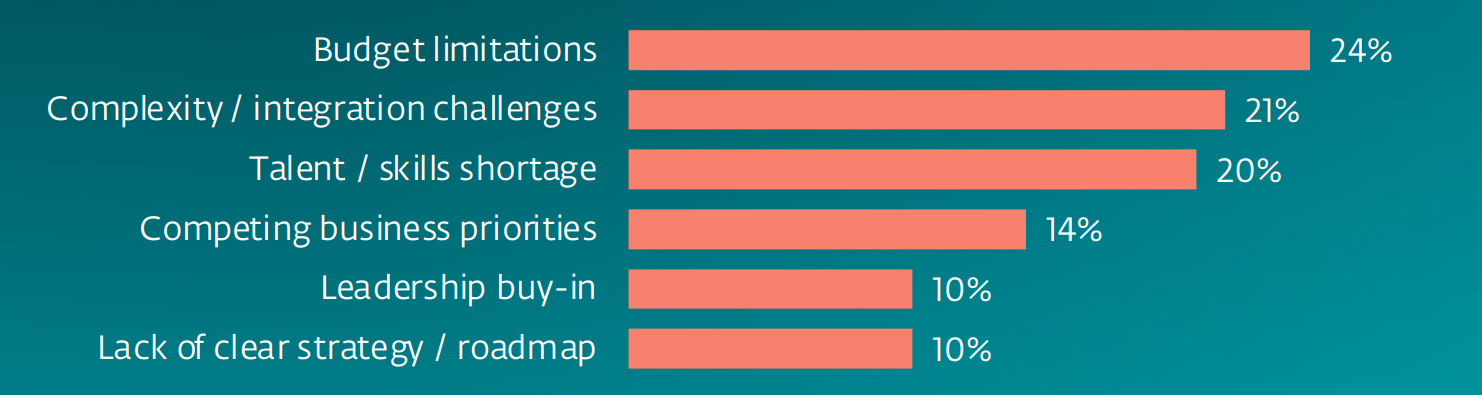
The market’s traditional answer to this—Managed Detection and Response (MDR)—has often failed the SMB. Historically, these services have been priced for the enterprise, involving complex integration requirements, long onboarding periods, and a lack of clear communication. Many SMBs feel "locked out" of high-level security because the barrier to entry is not just cost, but the sheer logistical complexity of implementing the solution.
The Shift Toward "Supervised Security"
To survive this landscape, the industry must pivot. The goal for the SMB is not more tools; it is better outcomes. This requires a move toward what can be described as "Frictionless, Supervised Security."
Defining the New Standard
- Frictionless Integration: Security must be deployed in a way that minimizes operational drag. This means moving away from point solutions and toward unified platforms that offer protection without the need for an army of engineers to interpret complex technical alerts.
- Supervised Intelligence: AI and automation should not replace human judgment; they should enhance it. A "supervised" approach keeps the business owner in the driver’s seat while providing an "expert navigator"—a dedicated human team—to make sense of the noise and guide response efforts.
- Security for the AI Era: Security partners must stop treating AI as a "feature" and start embedding it into the core of their service. This includes using AI to proactively hunt for threats within the network, while simultaneously auditing the organization’s own AI attack surface to ensure internal bots and agents are not being compromised.
Expert Perspectives: The Path Forward
Industry analysts and cybersecurity experts largely agree that the future of SMB defense lies in the transition from reactive prevention to managed resilience. As noted in the ESET readiness reports, the objective must be to minimize the time from intrusion to containment.
"We have to operate under the assumption that a breach is a matter of ‘when,’ not ‘if,’" explains the industry consensus. "The differentiator in the coming years will be how quickly an organization can detect, contain, and recover."
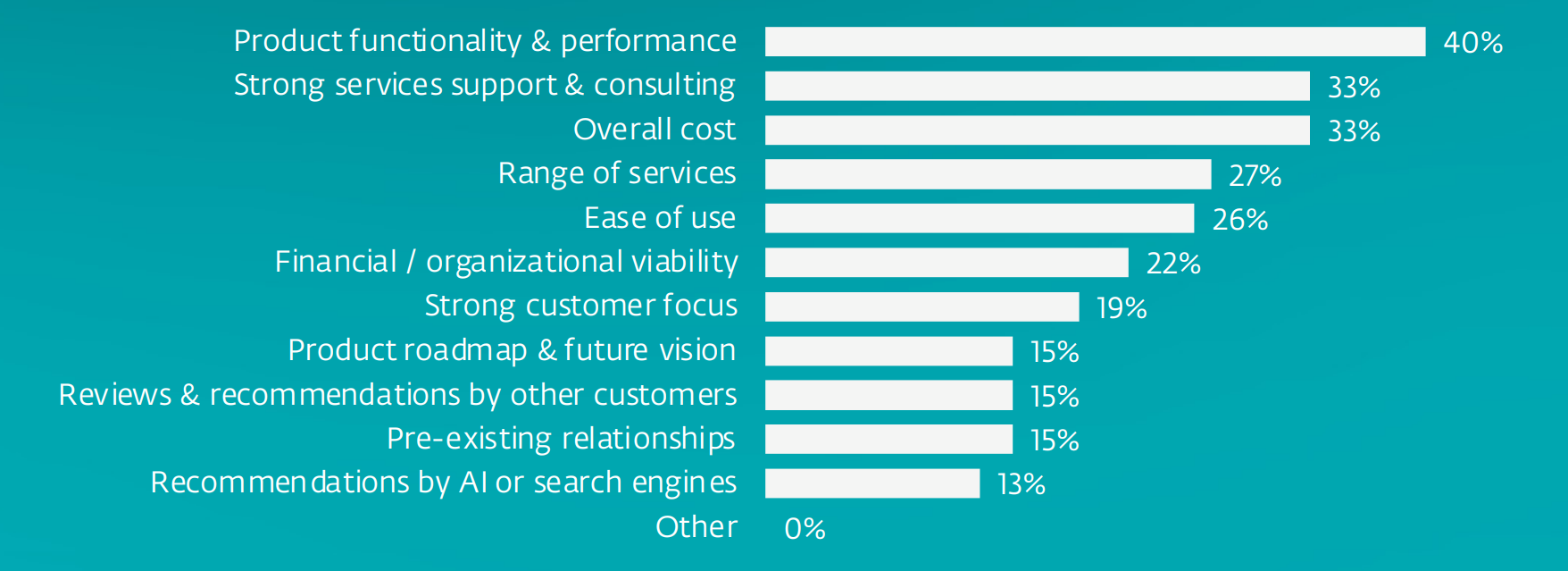
This shift requires a fundamental change in how SMBs select partners. Instead of looking for the tool with the most features, they must look for partners that offer supervised outcomes. This means:
- 24/7 Monitoring: Ensuring that there is never a "dark hour" where a threat can linger undetected.
- Plain-Language Guidance: Moving away from technical jargon to clear, actionable insights that tell a business leader exactly what is happening and how to address it.
- Expert Containment: Having the ability to lean on external experts to handle the "heavy lifting" of remediation when a critical incident occurs.
Conclusion: Security as a Business Enabler
Cybersecurity should not be viewed as an anchor that drags down innovation or slows business growth; it should be an enabler. By outsourcing the complexity of security to partners who prioritize simplicity and supervision, SMBs can regain the focus needed to innovate.
The market is evolving. The era of the "do-it-yourself" security stack is ending, and the era of the "supervised security partnership" is beginning. For the SMB, the message is clear: do not look for another puzzle to solve. Look for a navigator to guide you through the storm. By focusing on outcomes—confidence, protection, and resilience—SMBs can secure their future, ensuring that they are not just surviving the digital age, but thriving in it.



