


GLOBAL CONTENT STUDIOS — In the modern digital landscape, the biggest misconception plaguing marketing teams is deceptively simple: they treat video production as an exercise that always starts from zero. For years, the playbook has demanded a clean slate—writing a fresh script from scratch, planning an entirely new production shoot, and designing bespoke graphics for every single post.
Yet, the macro-level reality of social media consumption has undergone a massive tectonic shift. Over the past two years, algorithmic priorities—most notably on Meta’s Instagram—have heavily favored video content, driving organic reach almost exclusively toward moving imagery. For most brands, agencies, and digital creators, keeping pace with this perpetual hunger for video through traditional, fresh production alone is financially and logistically impossible.
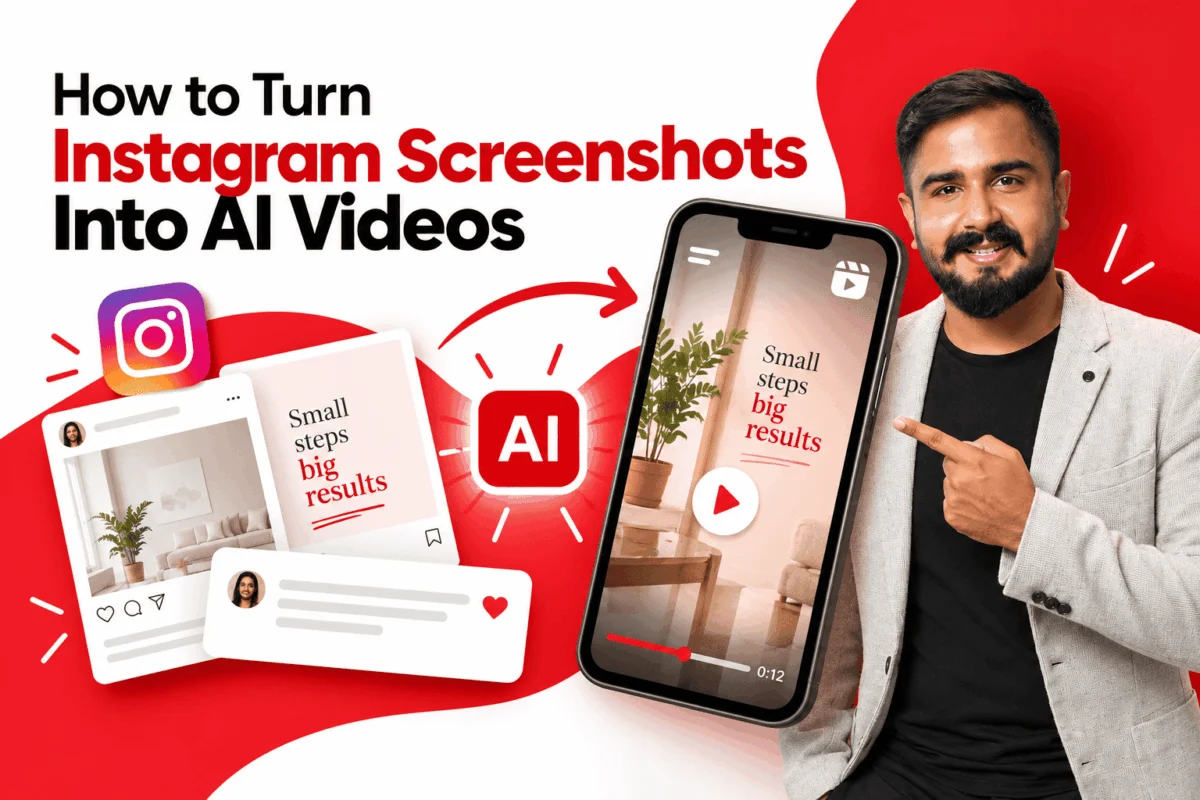
Enter the newest operational paradigm in digital marketing: turning static screenshots into dynamic, high-performing AI videos. Rather than treating a screenshot as a dead end, forward-thinking brands are recognizing it as a pre-vetted asset—one that already features an established hook, a proven message, and, in many cases, historical data proving that it resonated with an audience once before.
Chronology of a Paradigm Shift: From Static Feeds to AI Motion
The evolution of social media content creation has moved at a dizzying pace over the last decade, transitioning through distinct phases that have ultimately led to the current AI-driven automation boom.
Phase 1: The Era of the Static Feed (2012–2019)
For much of Instagram’s early history, success was measured in high-resolution photography, aesthetic grid layouts, and sharp quote graphics. Content planning relied heavily on graphic designers spending hours in Adobe Photoshop crafting static carousel slides, text blocks, and promotional flyers. Video production was treated as a rare, high-budget luxury event reserved for major brand campaigns.
Phase 2: The Reel Revolution and the Production Bottleneck (2020–2022)
Following the explosive growth of TikTok, Instagram aggressively pivoted toward short-form video by introducing Reels. Organic reach for static posts plummeted. Marketing teams were suddenly forced to pivot their entire calendars toward video production. However, the operational pipeline remained stuck in the past. Agencies found themselves constantly burning out trying to script, shoot, edit, and publish multiple videos per week, leading to diminished content quality and soaring production costs.
Phase 3: The Rise of Content Repurposing (2022–2023)
Recognizing the unsustainable nature of shooting fresh video daily, smart marketers began focusing on repurposing. Long-form podcasts were chopped into micro-clips; webinars were turned into carousel posts. However, transforming a static piece of text—such as a customer review or a viral comment—into a video still required tedious manual editing, green screens, or hiring talking-head actors.
Phase 4: The Image-to-Video AI Disruption (2023–Present)
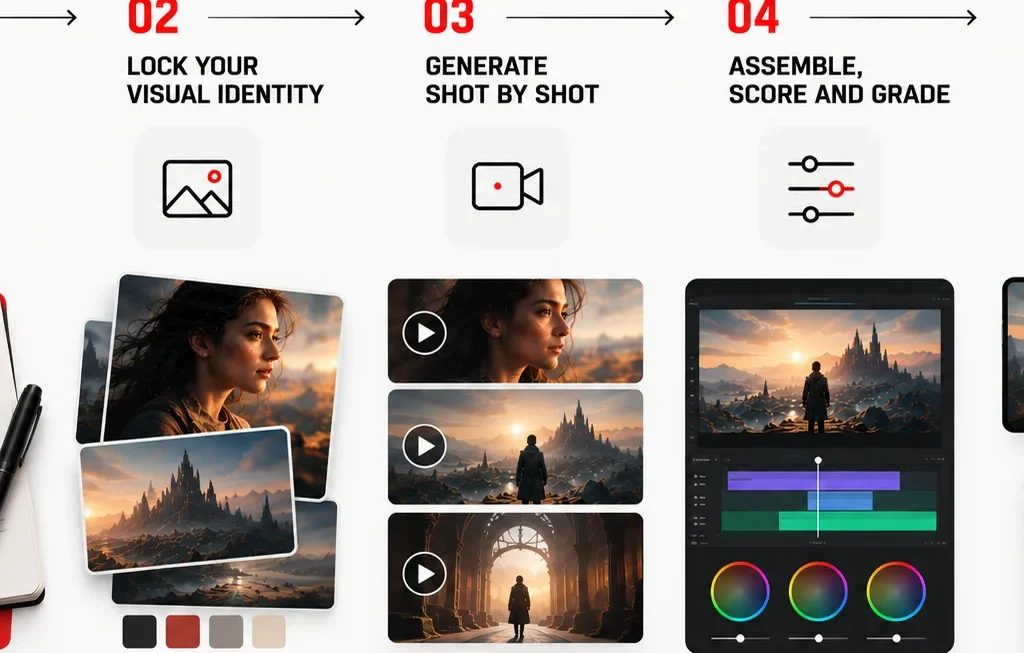
The current era is defined by generative AI image-to-video models. Tools capable of taking a static image file and applying sophisticated camera motion, parallax shifts, and generative scene continuations have effectively closed the gap between static design and dynamic video. Marketers can now take a piece of content that already performed well in a static format and inject it with motion in a matter of minutes, completely bypassing traditional shooting schedules.
Supporting Data & Market Dynamics
The economic and operational arguments for adopting AI-driven asset repurposing are backed by compelling shifts in digital engagement metrics:
- The Organic Video Divide: Internal platform data consistently shows that Instagram Reels receive significantly higher non-follower reach compared to static image posts. Brands relying solely on static images face stagnant follower growth.
- Production Cost Reduction: According to internal operational audits at leading digital agencies, transitioning from fresh-shoot video workflows to AI-assisted screenshot animation reduces content production costs by upwards of 70%.
- Viewer Retention Rates: Data from modern content pipelines indicates that repurposed client wins and customer testimonials animated with subtle cinematic motion loops retain viewers 35% longer than static screenshots of the exact same text.
- Velocity Multipliers: While a traditional video shoot requires days of coordination, lighting setup, filming, and post-production, an AI-animated screenshot workflow allows a single marketer to produce a batch of 5 to 10 distinct, platform-ready Reels in under an hour.
Step-by-Step Guide: How to Turn Instagram Screenshots Into AI Videos
Transforming a static asset into a high-performing video asset is not a matter of random experimentation; it requires a disciplined, repeatable workflow.
Step 1: Choose the Right Screenshot
Not every piece of content deserves to be converted into a video. Successful practitioners filter their archives looking for specific psychological triggers:
- Historical Proof: A post, quote card, or carousel slide that previously achieved high engagement, saves, or shares.
- Social Proof: Glowing customer reviews, impactful client testimonials, or insightful direct messages (DMs) received after a public speaking event or webinar.
- Unresolved Moments: A paused, dramatic, or curiosity-inducing image that naturally sets up a "what happens next" narrative arc.
Step 2: Pick the Right Tool for the Job
Just as traditional filmmaking requires different lenses for different shots, AI image-to-video tools serve distinct operational purposes. Selecting the correct platform depends entirely on your campaign goal:
| Goal | What to Use It For | Output Style |
|---|---|---|
| Subtle Cinematic Motion | Add a slow zoom, parallax effect, or gentle camera push to a quote card or carousel slide. | Polished, brand-safe, low risk. |
| Full Scene Generation | Use the screenshot as a reference frame and let an AI video model build motion and continuation around it. | More dramatic, higher novelty. |
| Character Animation | Animate a person in a screenshot into full-body motion using a trending platform template. | High engagement, trend-driven. |
| "What Happens Next" Twist | Upload a paused, dramatic screenshot and let AI generate a surprising continuation. | Built for virality and shares. |
Step 3: Upload and Set the Motion Prompt
Once the target tool is open, upload the high-resolution screenshot. Write a concise, effective motion prompt. Avoid over-complicating the instructions; direct the AI on specific camera movements (e.g., “slow dolly forward, subtle parallax depth on text” rather than vague artistic descriptions). Generate two to three variations to ensure you capture the cleanest possible loop.
Step 4: Layer In Captions, Sound, and a Hook
A moving screenshot on its own is rarely a finished Reel. To achieve maximum retention, this generated clip must be processed through a standard editing application to add:
- A Pattern-Interrupt Hook: Text overlay addressing the viewer immediately.
- Auto-Captions: Dynamic, high-contrast subtitles for sound-off viewing.
- Trending Audio: An embedded background track or trending sound matching the brand’s tone.
Step 5: Export for the Destination Platform
Always generate and export your final assets directly in 9:16 vertical format for Instagram Reels, TikTok, and YouTube Shorts. Cropping a landscape video down to vertical ruins the AI-calculated framing and motion paths.
Industry Applications: How Leading Agencies Are Deploying the Workflow
The practical application of this methodology has already been integrated into major digital marketing ecosystems.
1. Reviving Old Client Wins at echoVME Digital
Every thriving digital agency sits on a massive, unexploited backlog of testimonial screenshots, glowing client feedback, and high-performing static graphics from past quarters. Rather than letting these assets sit idle, agencies now run a systematic monthly pass through their archives. By picking the two or three strongest historical assets and translating them into dynamic Reels, agencies consistently produce high-retention content with near-zero fresh production overhead.
2. Teaching Content Repurposing as a Discipline at Digital Scholar
In educational environments, the core philosophy has shifted away from volume-based creation toward efficiency and asset extraction. Students are taught that the digital brands winning today are not necessarily the ones inventing the most new ideas, but rather the ones extracting the absolute maximum value out of content they have already built. The screenshot-to-video workflow serves as a primary, highly teachable case study in modern content multiplication.
3. Maintaining Personal Brand Momentum
For thought leaders, founders, and creators, the pressure to maintain a consistent publishing schedule can lead to acute burnout. By funneling strong comments, public feedback, and professional milestone DMs into automated image-to-video pipelines, individuals can sustain a vibrant, moving content presence without requiring a weekly video shoot.
Implications for the Future of Digital Marketing
The mainstream adoption of AI image-to-video repurposing carries profound implications for the marketing industry at large.
The Democratization of High-Production Value
Historically, creating dynamic motion graphics required specialized software expertise, expensive motion designers, or large agency budgets. Generative AI tools level the playing field, allowing solopreneurs, small local businesses, and lean marketing teams to produce professional-grade video content that rivals enterprise-level studios.
The Shift from Creation to Curation
As AI tools become more sophisticated, the core competitive advantage for marketers will no longer be execution speed or technical software proficiency. Instead, success will be determined by taste, data analysis, and curation—knowing which existing assets possess the psychological weight, emotional resonance, and narrative tension required to captivate an audience once they are set in motion.
Ethical Considerations and Platform Guidelines
As with all generative AI advancements, questions surrounding copyright, commercial usage rights, and disclosure transparency remain critical. Industry leaders emphasize that marketers must maintain strict governance: ensuring clear ownership of original assets, securing explicit permission before repurposing third-party testimonials, and adhering to regional advertising standards regarding AI-modified creative content.
Frequently Asked Questions
1. What does “turning an Instagram screenshot into an AI video” actually mean?
It means uploading a static screenshot—such as a post, comment, customer testimonial, or quote card—into an AI image-to-video software tool. The tool adds motion mechanics, such as a camera push, parallax depth effect, or generative scene continuation, converting a still image into a short, dynamic clip. Once scored with music and captioned, it can be published as a Reel, Short, or TikTok.
2. Do I need advanced video editing skills to execute this?
No. Most image-to-video generation platforms require only an uploaded image file and a brief descriptive text prompt. While basic familiarity with cutting clips and adding auto-captions in a mobile editor will elevate the final product, professional editing software is entirely unnecessary.
3. Which types of screenshots generate the best performance?
Screenshots with proven historical engagement work best—such as high-performing quote cards, glowing customer DMs, or community comments with strong social proof. Images featuring dramatic poses or unresolved moments are also exceptional candidates for viral AI continuation formats.
4. Is it legally permissible to turn another creator’s post into a video?
It depends entirely on ownership and consent. Your own brand’s assets and client testimonials are entirely safe to repurpose. Content belonging to third-party creators or external accounts requires explicit permission, especially when deployed within paid advertising campaigns.
5. How long does the entire production process take?
Generating a base animated clip takes only a few minutes. Factoring in prompt testing, captioning, and audio selection, a complete, platform-ready Reel can typically be produced in 10 to 15 minutes, allowing marketers to batch an entire week’s worth of video content in a single hour.