










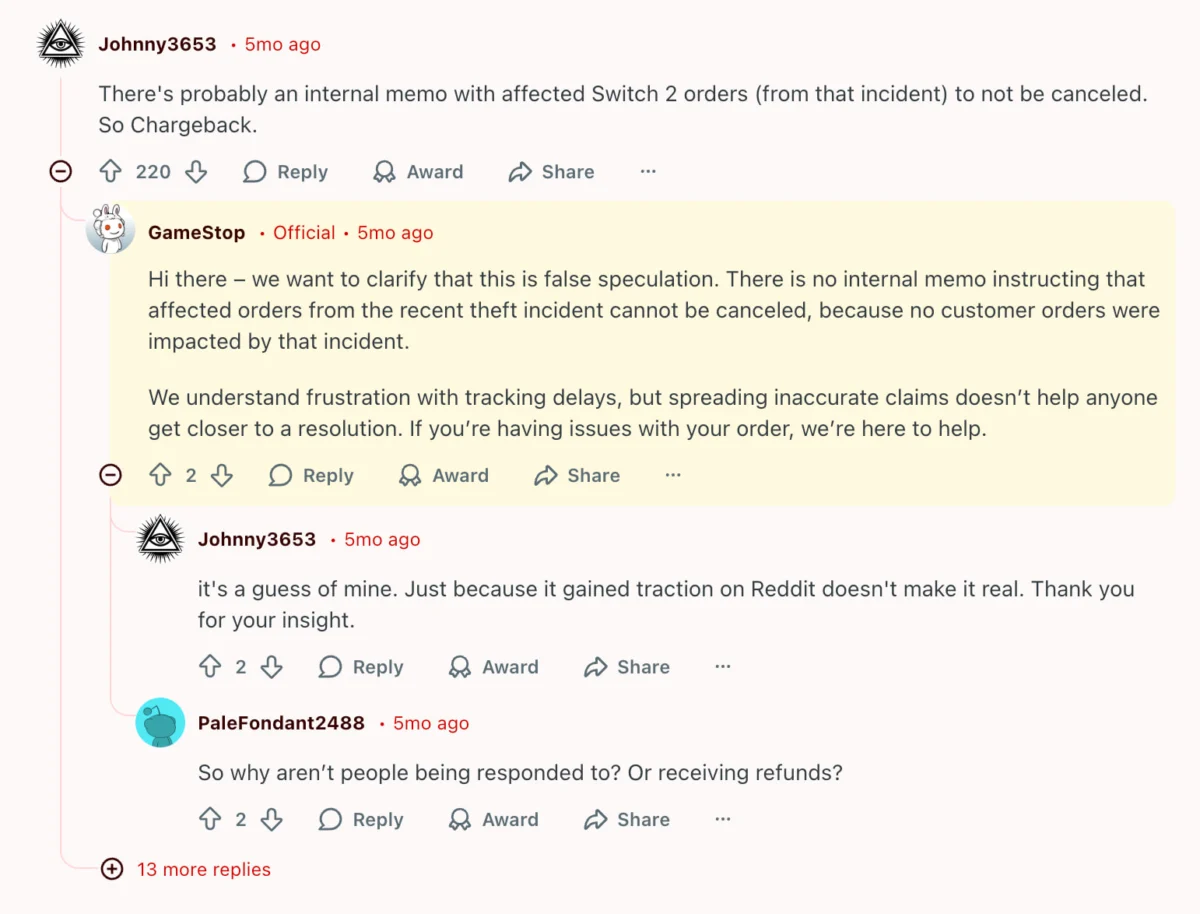
In the modern marketplace, a brand’s reputation is its most valuable—and most volatile—asset. You may spend decades meticulously crafting a positive brand image, delivering impeccable customer experiences, and cultivating deep-seated loyalty. Yet, in the current digital landscape, that hard-earned equity can evaporate in the span of a single viral post.
The stakes have never been higher. According to the 2025 Axios Harris Poll, 46% of corporate reputations have seen a decline between 2019 and 2025. For marketing leaders, this trend signals a sobering reality: reputation is no longer a static byproduct of success, but a dynamic, daily battleground that requires an aggressive, proactive management strategy.
Defining the New Standard: What is Corporate Reputation Management?
Corporate reputation management is the proactive practice of influencing and maintaining the public’s perception of an organization. Historically, this was the domain of public relations firms managing press releases. Today, it has evolved into a 24/7 digital discipline. It encompasses active social listening, rapid-response crisis resolution, and the strategic amplification of positive brand narratives.
In this era, "online reputation management" and "corporate reputation management" are synonymous. Modern consumers do not look to websites or official newsrooms to verify a brand’s integrity; they look to social media. A Q2 2026 Sprout Social Pulse Survey revealed that social media is the primary channel where consumers first encounter a brand crisis. Furthermore, 64% of respondents believe it is mandatory for brands to address these crises publicly on social channels rather than relying on sanitized website statements.
The Chronology of Crisis: From #ChickenCrises to Modern Heists
To understand the necessity of modern reputation management, one must look at the evolution of crisis response.
The 2018 #ChickenCrises
The seminal case study for modern digital reputation management remains the 2018 KFC "Chicken Crisis" in the UK. When a supply chain failure left 750 stores without chicken, the brand was faced with a public relations nightmare. Instead of hiding behind legalistic apologies, KFC leveraged social listening to gauge the public’s mood. Their response—a now-iconic image of a chicken bucket rearranged to spell a mild curse word—was a masterclass in self-awareness. By owning the mistake with humor, they defused the tension, turned a negative into a viral moment of brand humanity, and set the gold standard for authentic crisis communication.
The 2025 GameStop Incident
Fast-forward to 2025, where the speed of information has accelerated exponentially. Following a $1.4 million merchandise heist, rumors circulated on Reddit that GameStop was charging customers for unreceived Nintendo Switch consoles. Rather than waiting for a formal internal audit, the company’s social team intervened immediately. They utilized real-time data to clarify that no customer orders were impacted. This rapid, fact-based engagement prevented a localized misinformation spike from spiraling into a systemic loss of consumer trust.
Supporting Data: Why Trust is the Modern Economy’s Currency
The financial implications of reputation are profound. The Phillips Group notes that 63% of investors and stakeholders cite trust as a critical factor in business-related decisions. The Harvard Business Review has long argued that 70–80% of market value in the modern economy is derived from "hard-to-assess intangible assets," such as brand equity.
When brand equity is compromised, the business suffers directly. Aon’s Global Risk Management Survey currently ranks "damage to reputation or brand" as the eighth most significant risk to global corporations. The data points are clear:
- The Trust Mandate: 93% of customers believe companies should actively address misinformation.
- The Authenticity Requirement: Consumer research from Q3 2026 identifies "authenticity" as the single most important trait consumers want to see from brands online.
- The Speed Imperative: 70% of consumers expect a response to social media inquiries within 24 hours. A failure to meet this window directly correlates with negative brand sentiment.
The Mechanics of Proactive Management
Effective reputation management is built on three pillars: listening, engaging, and measuring.
1. The Power of Predictive Listening
Manual monitoring is a relic of the past. Today’s leaders utilize sophisticated social listening tools and predictive analytics—such as NewsWhip—to scan the digital horizon. These platforms provide early warnings, allowing brands to see a story "primed" for virality before it reaches the mainstream news cycle. As one marketing executive noted, the ability to identify who is sharing a story and how far it is likely to spread allows a company to decide between "strategic silence" or immediate, aggressive intervention.
2. Operationalizing Authenticity
Authenticity is not a buzzword; it is an operational strategy. It involves personalizing responses, using the customer’s name, and demonstrating genuine empathy. Behind the scenes, this requires robust workflow management. Tools like Sprout Social’s "Case Management" allow teams to categorize inquiries, assign them to subject matter experts, and ensure that no thread is left hanging. Without clear internal governance, even the best intentions can be derailed by bureaucratic delays.

3. The Social Media Newsroom Model
To manage crises effectively, companies must move away from siloed departments. The "social media newsroom" model centralizes inputs from customer service, PR, and marketing. This structure defines clear roles: who leads the communication, who signs off on messaging, and how internal updates are disseminated. By preparing for the "when" rather than the "if," organizations ensure that their response is unified, accurate, and swift.
Implications for the Future of Brand Health
The implications of these findings are stark: if you are not managing your reputation, you are ceding control of your narrative to the loudest voice in the room.
Revenue and Growth
The correlation between brand presence and revenue is undeniable. Academic studies on platforms like Yelp have shown that simple, well-managed business listings can boost revenue by an average of 5%. When this is scaled across social media—where brand narrative is built and defended—the impact on the bottom line is exponential.
The Role of Leadership
For CMOs and marketing directors, the challenge is to move reputation management from a "defensive" cost center to a "proactive" growth engine. This involves:
- Investing in Tech Stacks: Utilizing unified platforms to monitor sentiment across Reddit, X, LinkedIn, and Instagram simultaneously.
- Training for Governance: Ensuring local markets and internal teams understand the brand voice and the protocols for handling inconsistencies.
- Measuring Impact: Linking sentiment analysis to hard business KPIs, such as conversion rates, customer lifetime value, and net promoter scores.
Conclusion: The Path Forward
Corporate reputation is no longer a passive result of good business; it is the active output of a sophisticated, technology-driven strategy. The brands that win in the coming decade will be those that treat social listening as a core business function and view crisis management as an opportunity to reinforce their values.
By integrating daily monitoring, rapid response workflows, and a commitment to radical transparency, companies can safeguard their most precious asset. Whether it is a supply chain failure or a misinformation campaign, the ability to control your brand’s story—or at least influence it—remains the difference between institutional longevity and digital obsolescence.
As the landscape continues to evolve, the tools you choose today will define your resilience tomorrow. The question is no longer whether your brand will face a reputation challenge, but whether you have the tools and the team to emerge from it stronger.
Frequently Asked Questions (FAQs)
How can my business pick the best online reputation management tool?
Start by auditing your current pain points. If your team struggles with fragmented communication across multiple platforms, prioritize a tool like Sprout Social that offers a unified inbox. You need a solution that integrates listening, publishing, and engagement in one dashboard to prevent messages from falling through the cracks.
What features should I look for in enterprise-grade software?
Prioritize advanced social listening and sentiment analysis. You need the ability to track brand mentions, identify emerging trends, and set alerts for specific keywords. Crucially, look for "Case Management" features that allow for team collaboration, internal notes, and performance reporting on response times.
How can I measure the ROI of these initiatives?
Measure ROI by linking reputation health to business outcomes. Track metrics like "Share of Voice," "Sentiment Score," and "Average Response Time." Over time, correlate improvements in these areas with increases in website traffic, lead generation, and customer retention metrics.
What is the best way to handle a brand crisis?
Preparation is key. Develop a crisis communication plan that outlines your chain of command and pre-approved messaging templates. When a crisis hits, use data to verify the facts, respond with empathy, and be prepared to take the conversation offline if necessary. Authenticity is your most powerful tool in regaining public trust.



