










In the digital landscape, the page title tag is often the smallest piece of code with the largest potential for impact. It is the virtual handshake between a brand and a potential visitor, yet it remains one of the most overlooked elements in modern search engine optimization (SEO). While many site owners treat title tags as a "set it and forget it" task, the reality is that the stakes have never been higher.
Today’s search environment has shifted from simple keyword-matching algorithms to sophisticated AI-driven answer engines. A successful title tag can no longer just target traditional crawlers; it must signal deep contextual relevance to AI systems while triggering a genuine, immediate emotional response from human searchers. This guide explores the foundational best practices and the cutting-edge strategies required to dominate in this new era of search.

What Are Page Title Tags? A Technical Foundation
It is a common misconception that the "title" of a page is merely the text entered into a CMS like WordPress. While that text often populates the title, the true title tag is an HTML element that serves as a critical bridge between your content and the outside world.
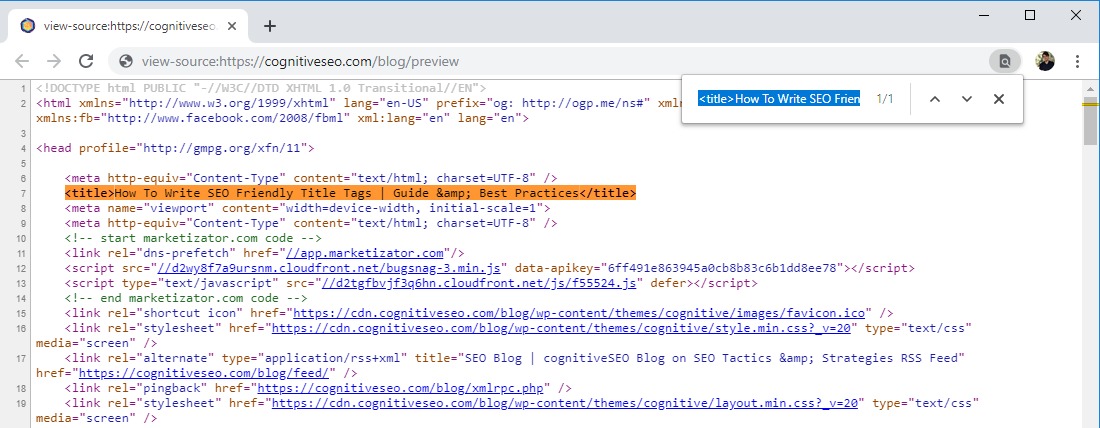
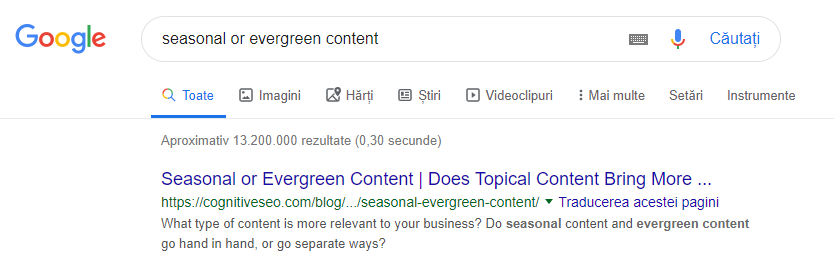
Surrounded by <title> and </title> tags within the <head> section of your website’s source code, this element provides search engines and browsers with a concise summary of what a page is about. To see it in its raw form, one can use the CTRL + U shortcut on a browser to view the page source and search for the <title> element.

The title tag is not merely a metadata label; it is the primary anchor for:
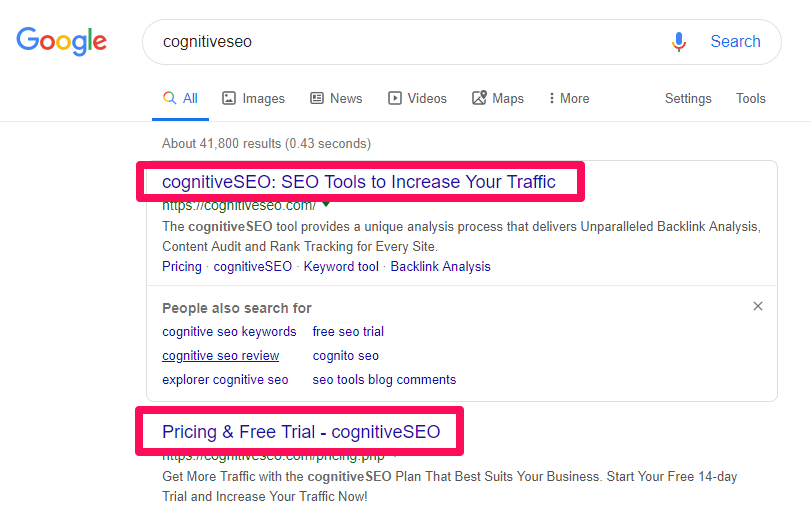
- Search Engine Result Pages (SERPs): The clickable headline in Google or Bing results.
- Browser Tabs: The text displayed on the tab at the top of a user’s browser, which helps users identify your page when they have dozens of windows open.
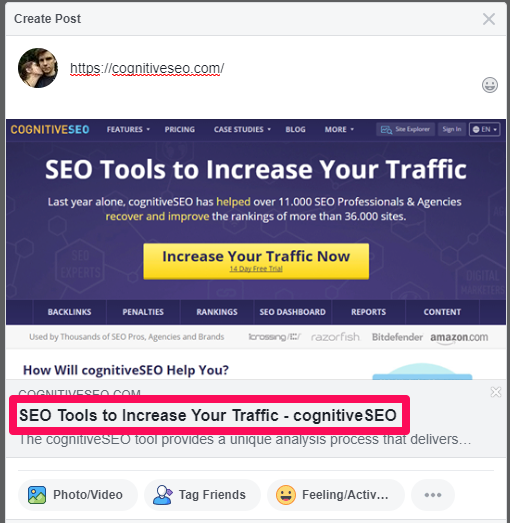
- Social Media Sharing: The default text used when a link is shared on platforms like Facebook, Twitter, or LinkedIn.
Chronology of SEO Strategy: From Keyword Stuffing to Semantic Intent
To understand why title optimization is evolving, one must look at the history of search.
The Early Days: The "Keyword Era"
In the early 2000s, SEO was binary. If you wanted to rank for "best shoes," you simply placed "best shoes" in your title tag five times. Search engines were literal; they indexed strings of text. The quality of the content was secondary to the presence of the keyword.
The Middle Period: The "Quality Era"
As Google introduced algorithms like Panda and Penguin, the focus shifted toward user experience. Keyword stuffing became a liability. The focus turned to clear, descriptive titles that accurately represented the page content. During this time, the "long-tail" keyword strategy became the industry standard.

The Modern Era: The "AI & Semantic Era"
Today, we are in the era of generative AI and Large Language Models (LLMs). Answer engines like Google’s SGE (Search Generative Experience) do not just look for keywords; they look for entities and context. They assess the intent behind a query. A title tag must now function as a semantic beacon, telling the AI that your content is the most authoritative, relevant, and emotionally resonant answer to a user’s specific problem.
The Strategic Pivot: Emotional Intelligence in SEO
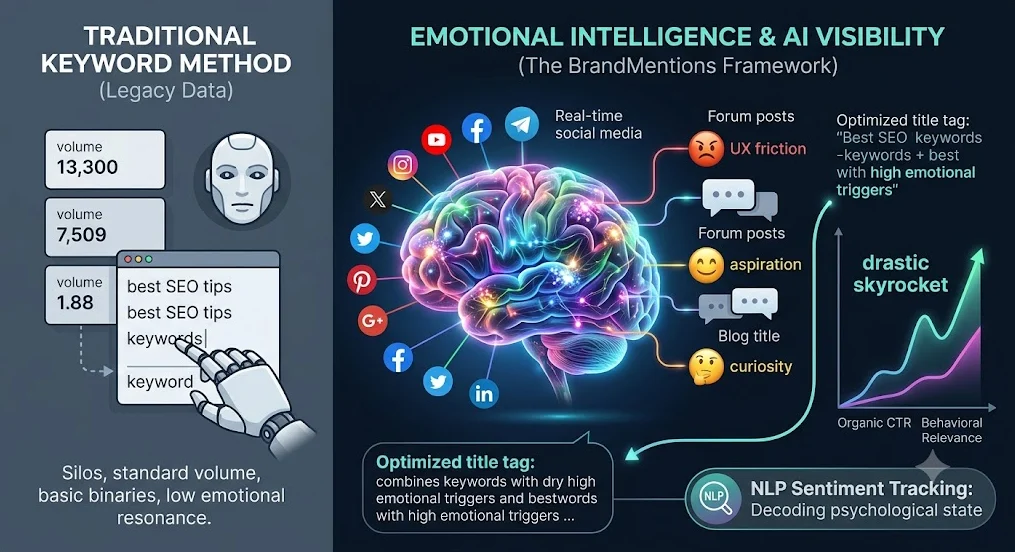
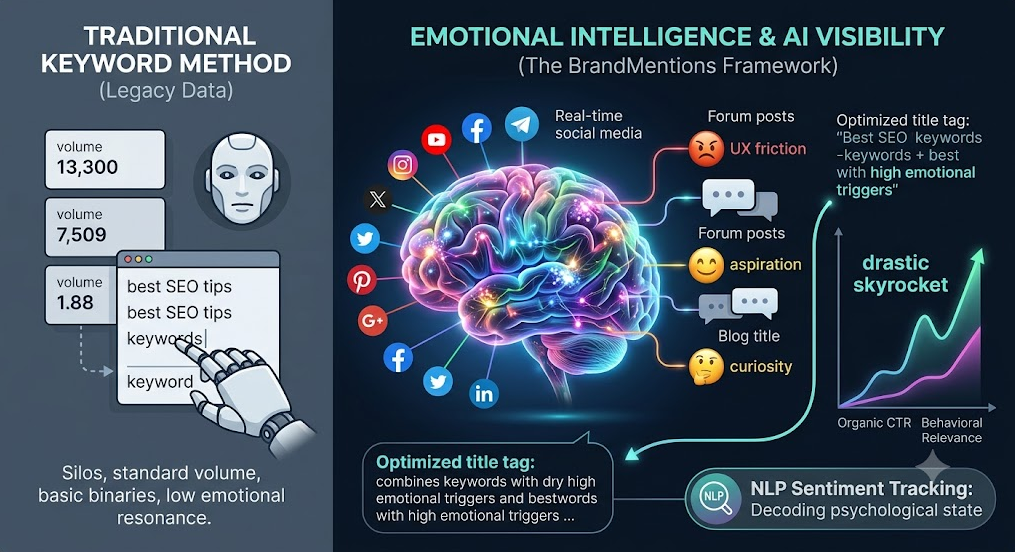
Optimizing for exact-match keywords is still essential for traditional crawlers, but securing a human click requires emotional resonance. The highest-converting titles tap into the real-time friction, aspirations, or explicit intent of the user.
Decoding the Psychological State
How does a business move beyond guessing what users want? By leveraging advanced tools like BrandMentions, which utilize Natural Language Processing (NLP) to perform sentiment tracking. Unlike legacy tools that only track search volume, these AI-driven platforms analyze linguistic context across forums, blogs, and social ecosystems. They map whether a market is experiencing "frustration," "curiosity," or "skepticism" regarding a topic.
By integrating these insights, a title tag evolves from a static keyword string into a high-converting entity signal that captures attention in both traditional SERPs and AI-generated responses.
Why Title Tags Are a Critical Ranking Factor
The title tag remains a top-tier ranking signal for three primary reasons:
- CTR (Click-Through Rate): Google uses user behavior as a signal. If your title is compelling enough to drive a higher-than-average CTR for your position, the algorithm perceives your content as more relevant and will often boost your rankings.
- Social Authority: When your content is shared, the title tag is the first thing a user sees. A strong, emotional title increases the likelihood of social distribution, which indirectly helps SEO through increased brand visibility.
- Google Rewrites: It is important to note that Google often ignores your custom title tag if it believes it can write a better, more relevant title based on the user’s search query. This is common with homepage titles or when a title is poorly optimized.
The H1 vs. Title Tag Distinction
A common point of confusion for beginners is the difference between an H1 tag and a <title> tag.
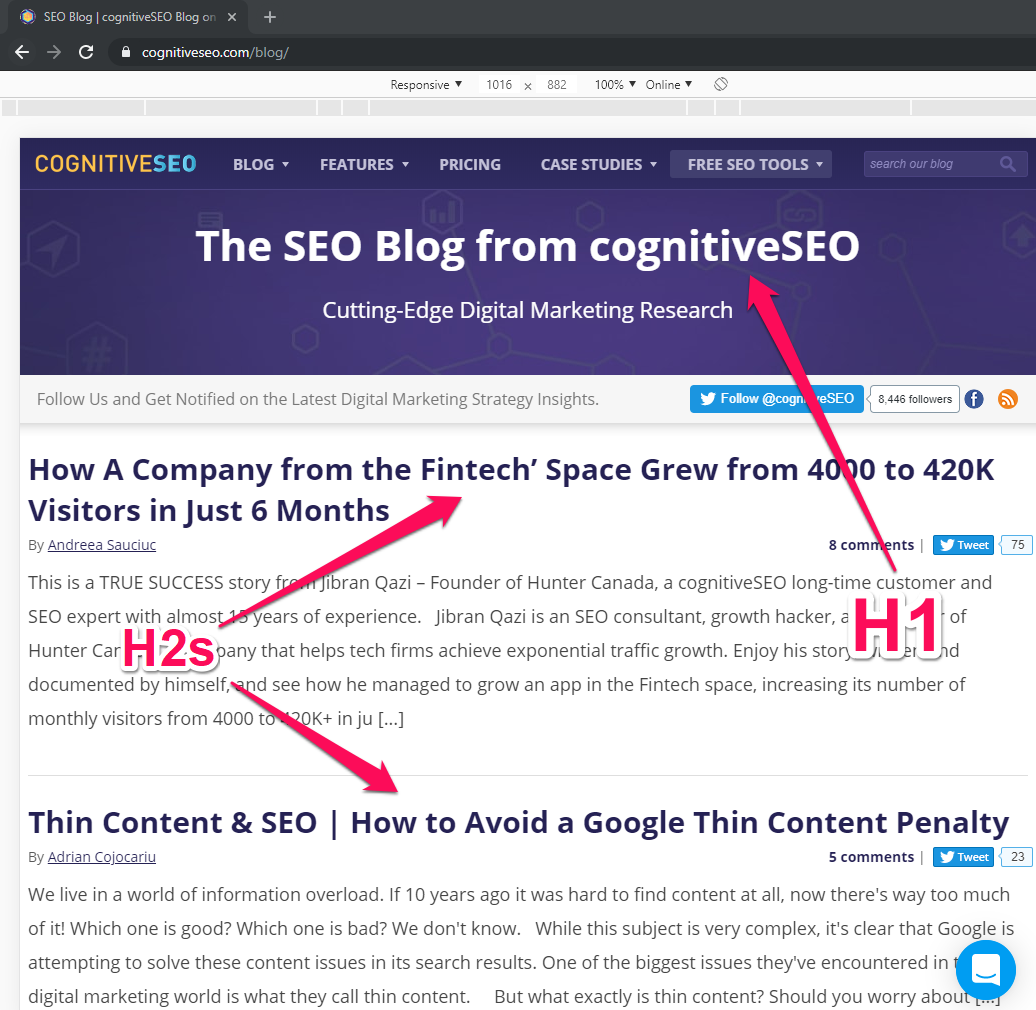
- The Title Tag: Does not appear on the webpage itself. Its primary purpose is for search engines and external references.
- The H1 Tag: Is the main heading that appears on the webpage. It is the first thing a human reader sees when they land on your site.
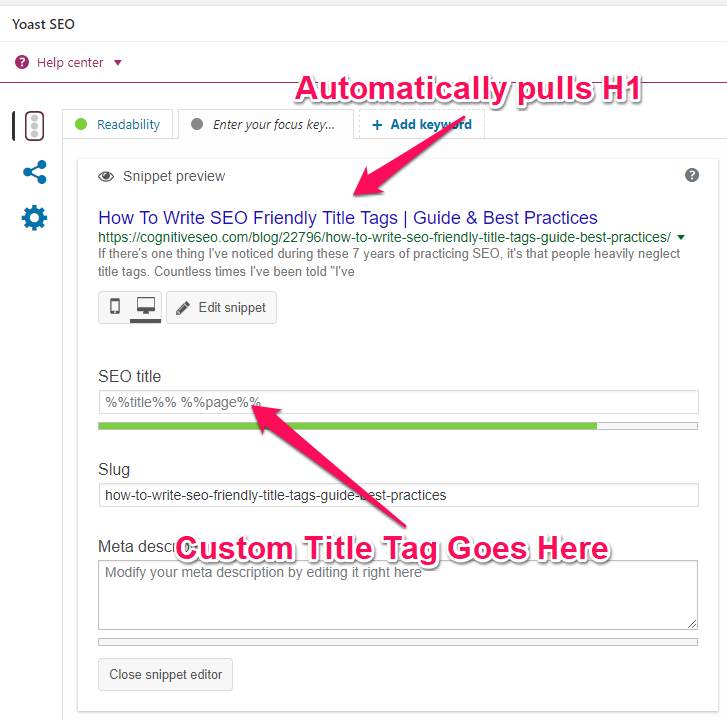
While many CMS platforms default to using the same text for both, using an SEO plugin (like Yoast or RankMath) allows you to create a specific, keyword-rich title for search engines while keeping your H1 tag catchy and readable for your on-site audience.
Best Practices for Crafting Perfect Titles
To build a strategy that satisfies both algorithms and humans, follow these proven guidelines:
1. Write for Humans First
If you stuff keywords into a title, the algorithm might rank you, but humans will scroll past you. Always prioritize readability. If a user doesn’t click, your ranking will eventually decline.
2. Mind the Pixel Width
Google truncates titles that exceed approximately 600 pixels. A title that is cut off with "…" loses its impact. Aim for 60-70 characters, but prioritize visual clarity. Use the | (pipe) separator instead of - (hyphen) to save pixel space.
3. Front-Load Your Keywords
Google places more weight on the first few words of a title tag. If your target keyword is "SEO consulting," ensure it appears as early in the title as possible.
4. Avoid Keyword Cannibalization
Before writing, search your own site. If you have two articles targeting the same keyword, they will compete against each other. Instead of writing a new article, update and expand the existing one. This consolidates your authority and prevents ranking fragmentation.

5. Leverage "Freshness"
For topics that evolve, include the current year in your title (e.g., "Best SEO Practices for 2024"). This immediately signals to users that your content is up-to-date, which significantly improves CTR.
Implications for the Future: The AI Answer Engine
As we move forward, the "blue link" is no longer the only goal. Generative AI engines are increasingly providing answers directly in the search interface. When an AI builds a response, it pulls from authoritative sources.
A title tag that balances technical structure with conversational sentiment tells the AI that your page is the definitive source. If your title successfully identifies the "pain point" and provides a "solution-oriented" promise, the AI is far more likely to cite your website as a footnote or a primary reference.
Final Takeaways for SEO Professionals:
- Conduct thorough keyword research to identify the primary and secondary phrases your audience uses.
- Audit your existing pages to ensure titles are unique and not cannibalizing other content.
- Monitor CTR in Google Search Console. If a page has a low CTR despite a high ranking, rewrite the title to be more emotionally engaging.
- Use schema and structured data to complement your title tags, providing the machine with even more context about your content.
The web belongs to the brands that write for the human mind while structuring data cleanly for the machine. Master both, and you will dominate the rankings, whether they show up as legacy blue links or the authoritative citation in an AI response.
How do you approach your title tag optimization? Are you still relying solely on legacy search volume, or are you optimizing for the new generation of AI answer engines? Let us know your strategy in the comments below.



