










In the high-stakes world of digital marketing, the "link-in-bio" is more than just a navigational shortcut—it is the digital storefront of the modern era. Social media platforms, particularly Instagram, have historically maintained restrictive policies regarding clickable links in post captions. This limitation creates a friction point for brands and creators: how do you convert an engaged audience into active website traffic when the platform itself prevents direct navigation?
The solution has manifested in the form of "link-in-bio" tools. These dynamic landing page solutions serve as centralized hubs, housing an array of URLs that allow social media managers to bypass platform limitations. By utilizing a single, static link in a bio, brands can provide a gateway to infinite destinations, ensuring that every post has a clear path to conversion.
The Evolution of Social Navigation: A Chronology
The necessity for link-in-bio tools arose from the platform-first design philosophies of the early 2010s.

- 2010–2015: The Static Era: Instagram launched with a singular focus on visual storytelling. During this period, the "link in bio" was a manual, often frustrating process. Users had to manually update their bio URL every time they posted new content, and if they forgot, the traffic from that post was effectively lost.
- 2016–2018: The Rise of Aggregators: As social commerce began to take root, third-party developers recognized the inefficiency of manual updates. Linktree and similar platforms emerged, offering a simple, one-page list of links that acted as a persistent "menu" for followers.
- 2019–2022: The Creator Economy Pivot: Tools like Beacons and Stan Store began to redefine the category. They transitioned from simple link lists to "creator-commerce" suites, integrating payment processing, booking calendars, and digital storefronts directly into the social workflow.
- 2023–Present: Workflow Integration: Today, the industry has shifted toward seamless ecosystem integration. Solutions like Sprout Social’s SproutLink have moved the needle, embedding the link-in-bio functionality directly into enterprise-grade social media management software, eliminating the need for fragmented third-party subscriptions.
Supporting Data: Why "Link-in-Bio" is Mandatory
The data surrounding user behavior on social platforms suggests that friction is the enemy of conversion. According to internal analyses from social media management leaders, the implementation of a dedicated link-in-bio tool can result in a 17% average lift in daily profile engagement.
This is largely due to the "shoppable grid" effect. By creating a landing page that mirrors the visual layout of an Instagram feed, brands reduce the cognitive load on the user. When a user clicks a photo in the app, they expect to see that same photo on the landing page, allowing for a frictionless transition from discovery to purchase. Without this visual continuity, bounce rates increase as users become disoriented by navigating to a generic, unoptimized home page.
Detailed Review of Industry-Leading Tools
1. Sprout Social (SproutLink)
Best for: Social teams requiring enterprise-level integration.
SproutLink distinguishes itself by functioning as a native component of a broader publishing workflow. Unlike standalone tools that require external account management, SproutLink allows users to add destination URLs while drafting and scheduling posts. This creates a cohesive "publish-to-page" pipeline.
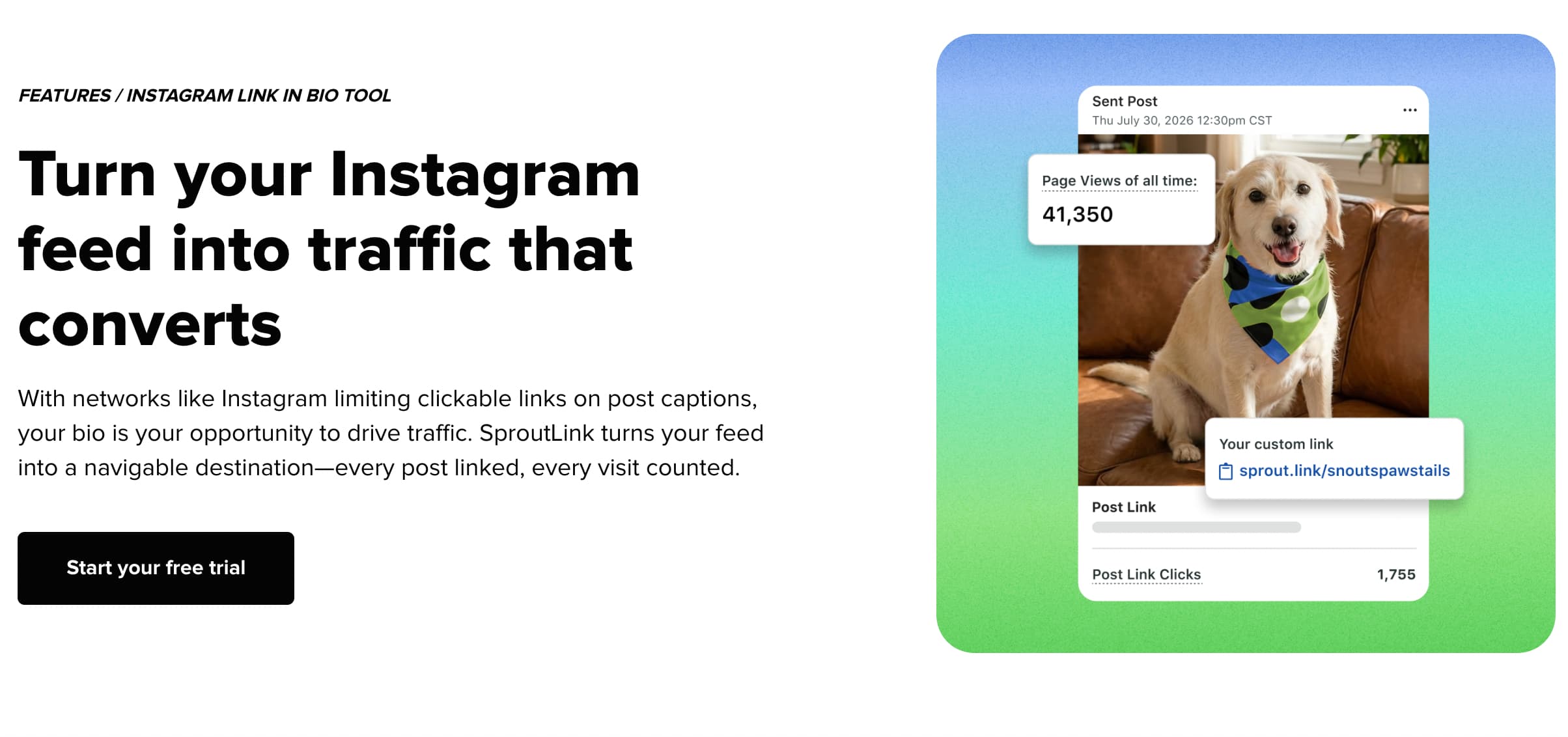
- Strategic Advantage: Data centralization. By keeping links within the same ecosystem as your scheduling and analytics, you gain a holistic view of the customer journey from social click to website conversion.
2. Linktree
Best for: Solopreneurs and creators seeking rapid deployment.
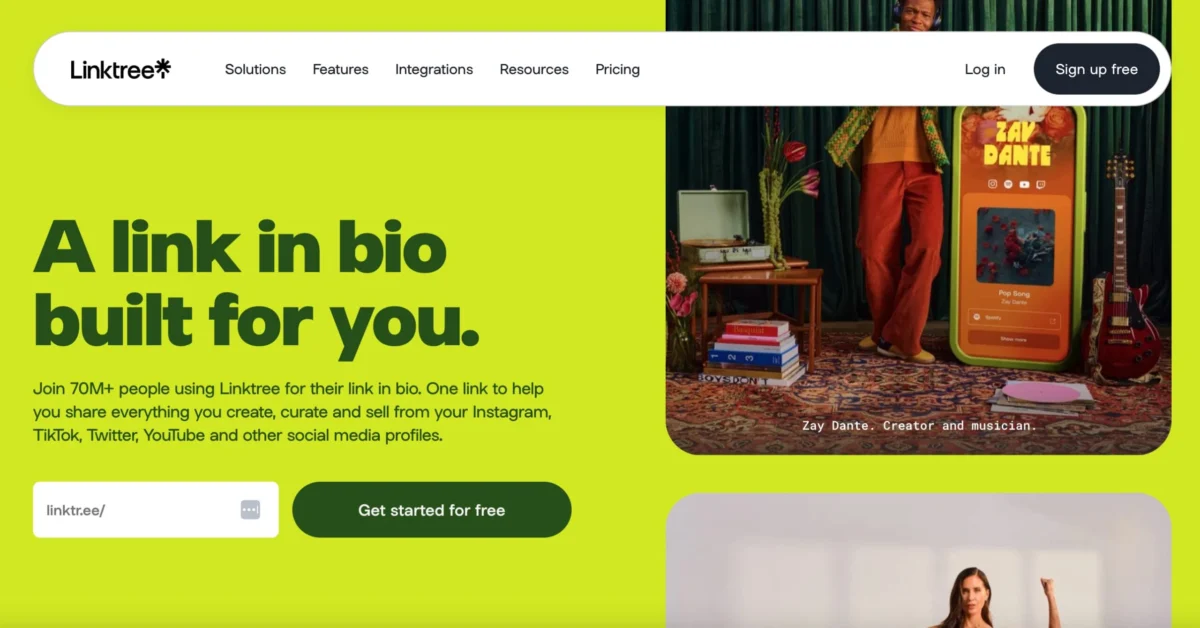
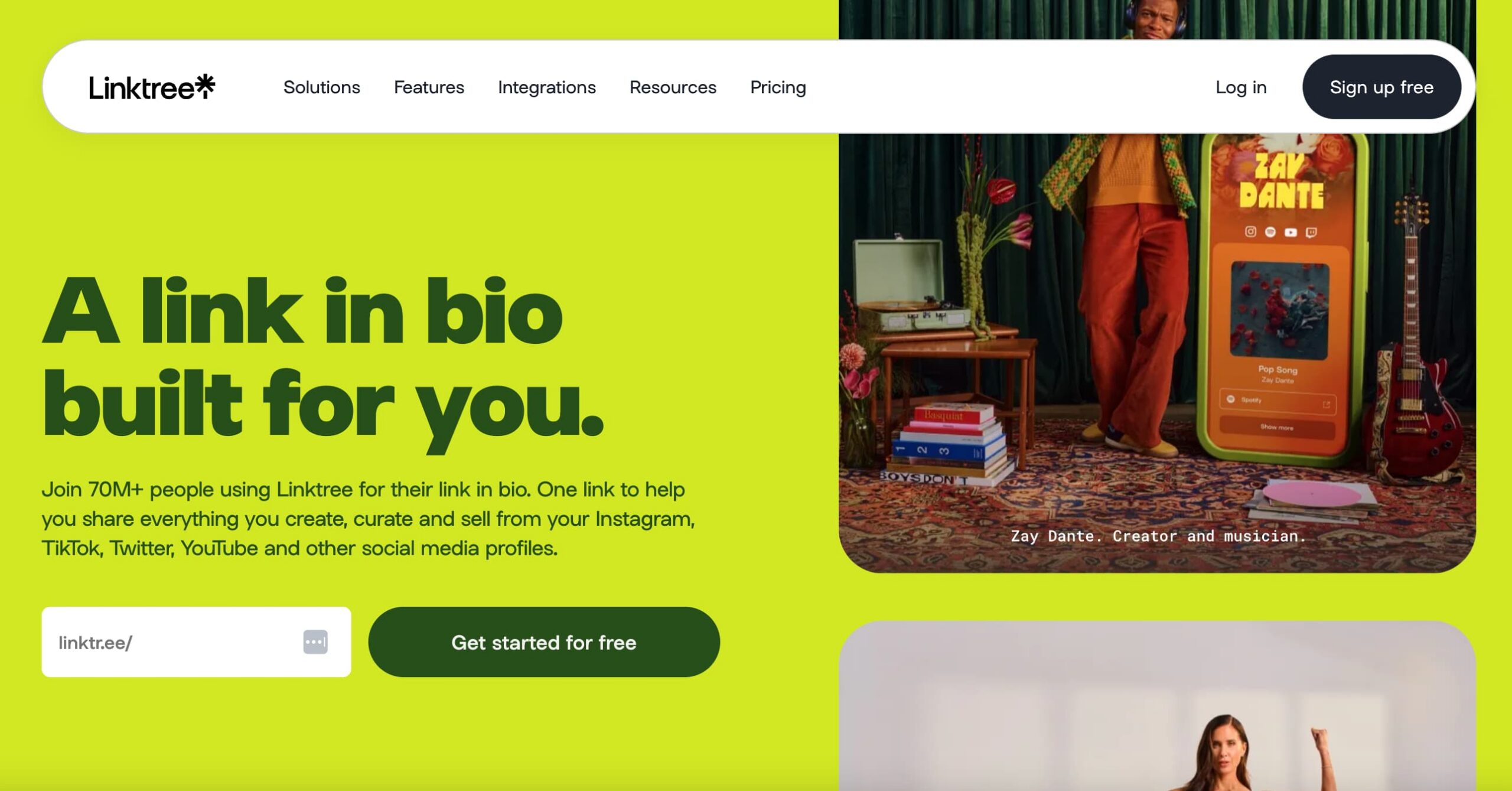
Linktree remains the industry standard for simplicity. Its intuitive interface and "no-frills" setup process make it the ideal choice for individuals who need to get up and running in minutes. While the free tier is generous for basic users, the real value lies in its premium tiers, which offer granular tracking for those scaling their brand.
3. Beacons
Best for: Creators focused on monetization.
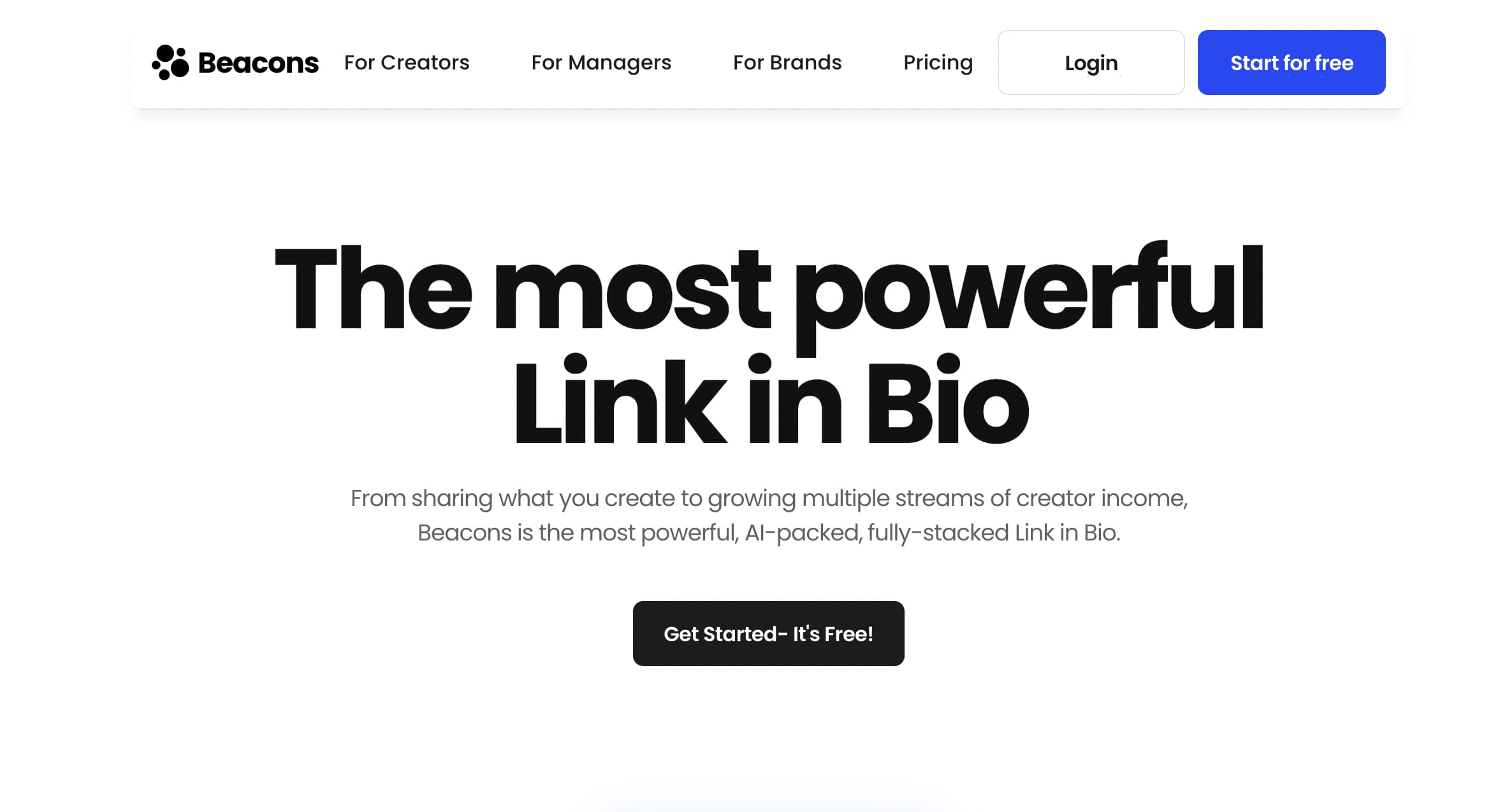
Beacons functions more like a digital business card than a link list. It offers a suite of tools for selling digital products, hosting newsletters, and even music integration. For the creator who views their social media as a full-time business, Beacons offers the infrastructure to host a brand ecosystem rather than just a navigation page.
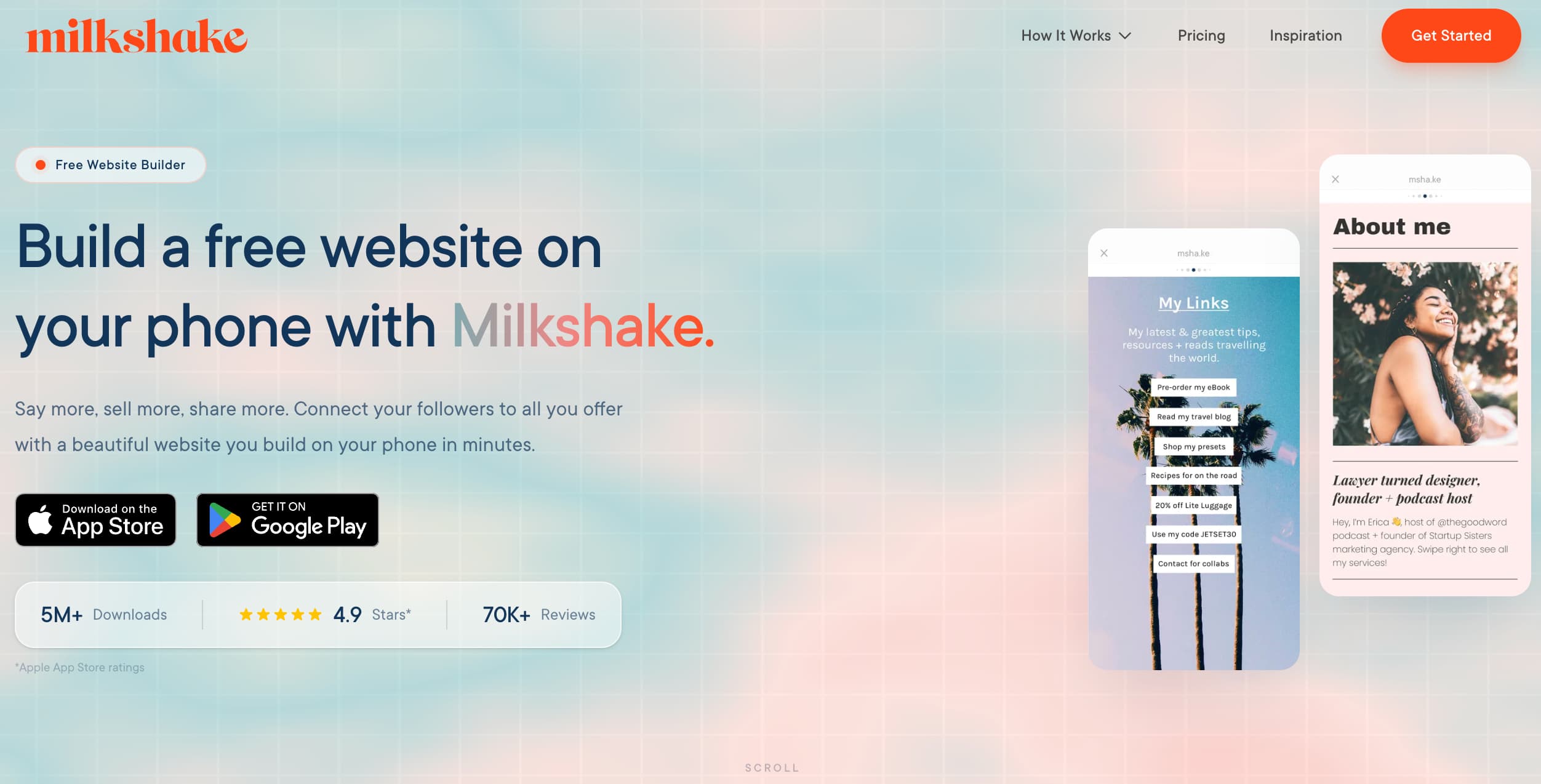
4. Milkshake
Best for: Mobile-first, visual storytellers.
Milkshake rejects the "list" format in favor of a "card" system. Each card acts as a mini-page, making the experience feel like an app rather than a website. This mobile-native design is particularly effective for Gen Z audiences who are accustomed to swipeable, short-form content.
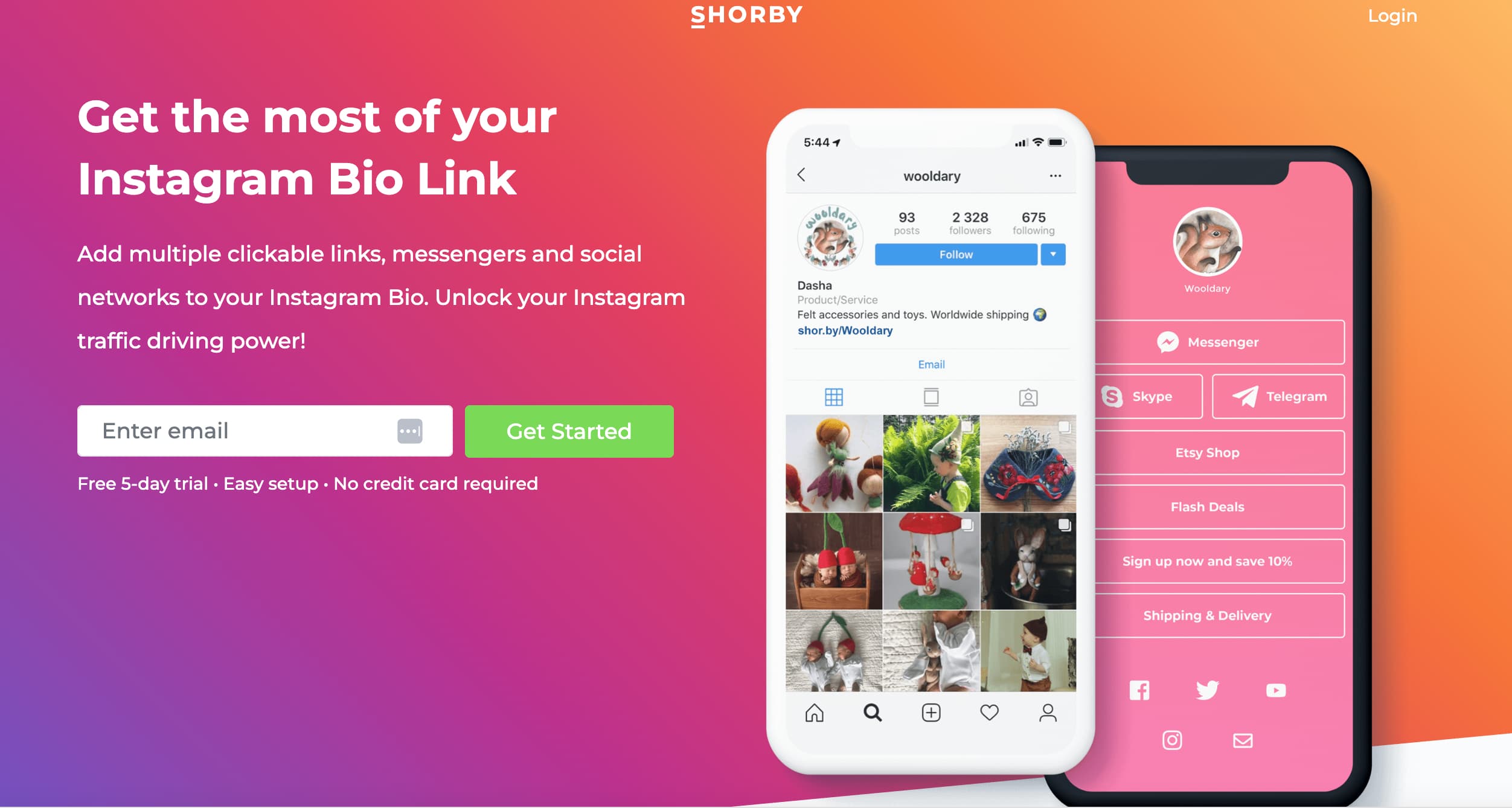
5. Shorby
Best for: Data-driven marketers.
Shorby excels in the realm of retargeting. By allowing users to integrate tracking pixels, it enables marketers to build custom audiences based on who clicked which specific link. This is an essential feature for teams running paid social campaigns that require high-precision attribution.
6. Carrd
Best for: Design-conscious brand builders.
Carrd provides a middle ground between a simple link-in-bio tool and a full website builder. With its robust template library and responsive design capabilities, it is perfect for brands that want a unique look that doesn’t scream "third-party tool."
7. Stan Store
Best for: Direct-to-consumer (DTC) sales and coaching.
Stan Store represents the modern "storefront in a bio." It is designed to remove as much friction as possible, featuring one-tap checkouts. For consultants and digital course creators, this is the gold standard for turning followers into paying clients without forcing them to leave the social ecosystem.
8. Lnk.Bio
Best for: Minimalists.
When functionality outweighs form, Lnk.Bio is the go-to. It provides a clean, fast-loading list of links without the bloat of excessive design elements. It is highly reliable for users who want a no-nonsense approach to link management.
Official Perspectives: The Value of Streamlined Journeys
Industry experts consistently emphasize that the goal of a link-in-bio strategy is not just "clicks," but "intent."
"The modern consumer is incredibly impatient," says a leading digital marketing strategist. "If you force them to go to your home page and search for the item they just saw in a post, you have already lost them. A link-in-bio tool acts as a bridge. It maintains the momentum of the initial engagement and delivers the user exactly where they intended to go."
Implications for Future Social Strategy
The proliferation of these tools has changed the way social media managers approach their monthly content calendars. It is no longer enough to craft a compelling caption and a high-resolution image; every post must now have a designated "destination strategy."
Implications for brands include:
- Attribution Modeling: Because link-in-bio tools now provide robust analytics, brands are beginning to shift their budget allocation based on which posts drive the highest conversion rates, rather than just vanity metrics like "likes."
- The Rise of Micro-Sites: We are seeing a shift away from massive, clunky websites toward optimized, single-page landing experiences that are specifically designed for mobile users.
- The Death of the "Link in Bio" Bottleneck: As platforms like Instagram continue to experiment with more commerce-friendly features, the link-in-bio tool will likely evolve into a more sophisticated "social storefront" that handles complex checkout processes natively.
Conclusion: Making Every Click Count
The digital landscape is inherently fragmented, but the link-in-bio tool acts as the glue that holds a brand’s online presence together. Whether you are an individual creator selling a course or a global brand driving traffic to a seasonal sale, the right tool is the difference between a fleeting impression and a lasting customer relationship.
By selecting a tool that aligns with your specific operational needs—be it the workflow integration of SproutLink, the creative flexibility of Carrd, or the commerce power of Stan Store—you can ensure that your social media efforts generate measurable ROI. As social commerce continues to mature, the "link in bio" will remain the most critical piece of real estate in your digital portfolio. Do not let it go to waste.



