







As the software development landscape continues its rapid evolution, staying abreast of the latest tools, frameworks, and utilities is a vital yet challenging endeavor for modern engineers. June introduces a diverse and powerful batch of resources catering to every facet of the development lifecycle—spanning GPU-accelerated terminal utilities, AI-driven code auditing frameworks, declarative typesetting systems, and next-generation containerization architectures.

Whether your daily focus lies in high-performance front-end engineering, robust backend infrastructure, or seamless developer experience (DevEx), this curated compendium explores the definitive tools making waves this month.
1. Main Facts: The Scope of June’s Tooling Landscape
The tools released and updated this June emphasize a distinct industry shift toward local-first privacy, high-performance rendering, and the integration of artificial intelligence into automated development pipelines.
Key themes defining this month’s release cycle include:
- AI-Assisted Workflows: Moving past basic code completion, new utilities focus on multi-agent orchestration, cost-optimized code auditing, and programmatic media generation.
- Performance Optimization: A strong emphasis on sub-millisecond rendering, predictive user-intent prefetching, and hardware acceleration across the stack.
- Infrastructure Independence: A rise in self-hosted orchestration platforms, portable dev environments, and lightweight containerization engines that bypass traditional heavy ecosystems like Docker Desktop.
2. Chronology and Evolution: From Static Scripts to Smart Workflows
The tools highlighted this month represent the culmination of years of iterative progress in developer tooling. Over the past several decades, the developer toolkit has evolved through distinct generational shifts:
- Phase 1 (The Imperative Era): Early web scraping, deployment, and configuration required heavy imperative coding, complex Makefiles, or rigid, monolithic IDEs.
- Phase 2 (The Containerized Era): The rise of Docker, complex CI/CD pipelines, and cloud-heavy environments standardized deployment but introduced significant local overhead and configuration bloat.
- Phase 3 (The Modern Local-First & AI-Augmented Era – Present): Today’s ecosystem, showcased throughout June, favors zero-dependency client-side execution, decentralized self-hosted orchestration, declarative domain-specific languages (DSLs), and tightly integrated AI skill modules.
Tools like Devbox and Apple Container represent a direct response to the complexity of Phase 2, offering lightweight, native alternatives that prioritize speed and developer autonomy.
3. Supporting Data and Deep Dive: The June Tooling Breakdown
The following comprehensive breakdown details the standout resources released or updated this month, categorized by their primary domain.
Front-End Engineering & Creative Tech
Lumen (Browser-Based Shader Playground)
- What it does: Lumen is a client-side WebGL shader playground designed for generating looping abstract generative art. Operating with zero external dependencies, it utilizes a seed-based sharing system and allows instant exports to PNG, video, or GIF.
- Why it matters: It bridges the gap between frontend web development and creative coding, offering artists and UI engineers an accessible sandbox without heavy graphics library overhead.
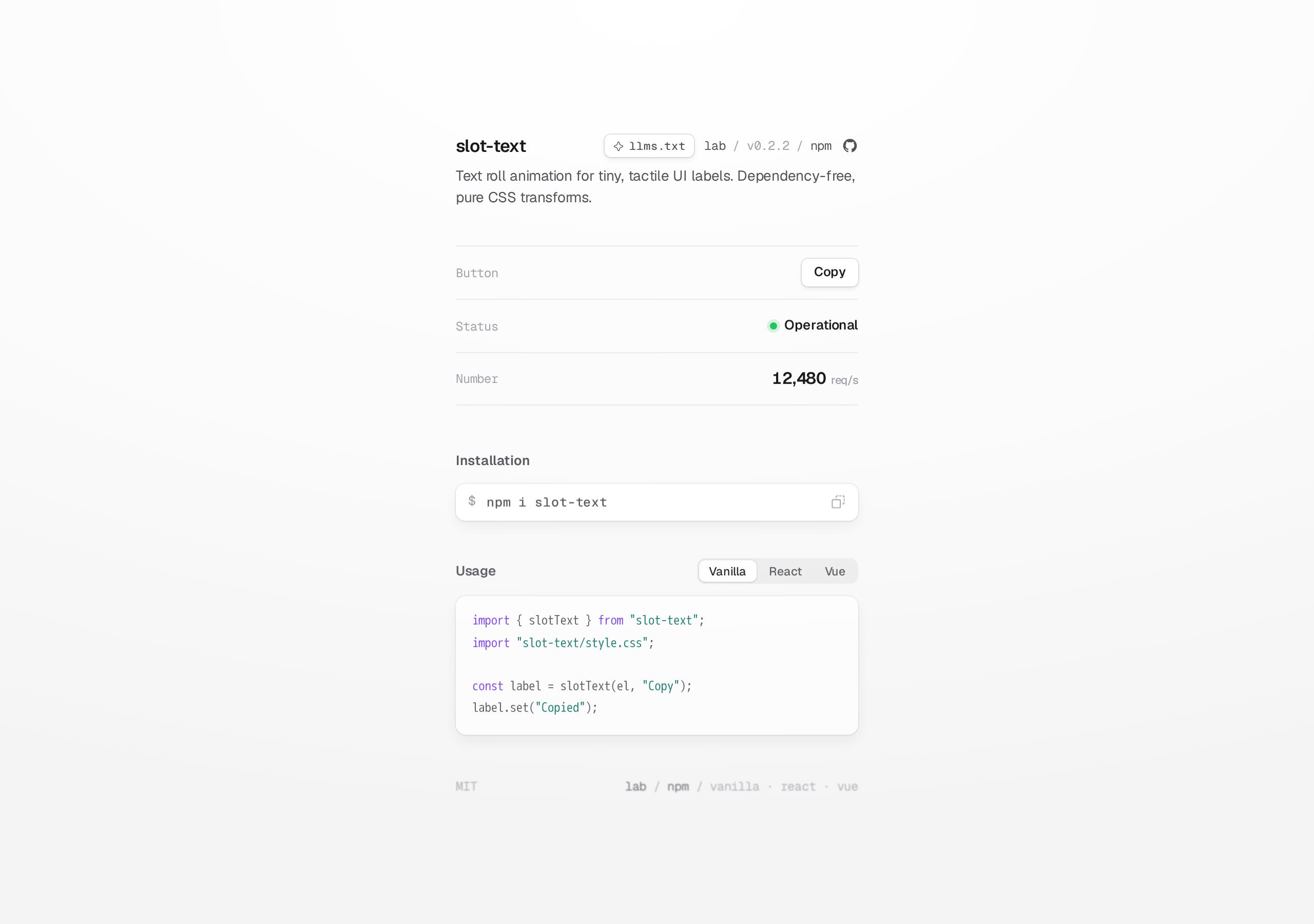
TextMotion (Slot-Machine Label Transitions)
- What it does: A dependency-free library utilizing pure CSS transforms to create smooth, slot-machine-style text roll animations. It features native integration for React and Vue via NPM.
- Why it matters: UI developers can achieve polished, hardware-accelerated micro-interactions without importing massive animation suites.
ForesightJS (Predictive User-Intent Prefetching)
- What it is: A lightweight JavaScript library that analyzes mouse movement vectors and keyboard navigation patterns to predict user intent and prefetch resources proactively.
- Why it matters: It drastically enhances perceived performance and page load responsiveness on both desktop and mobile platforms with minimal configuration.
AI Integration & Agent Orchestration
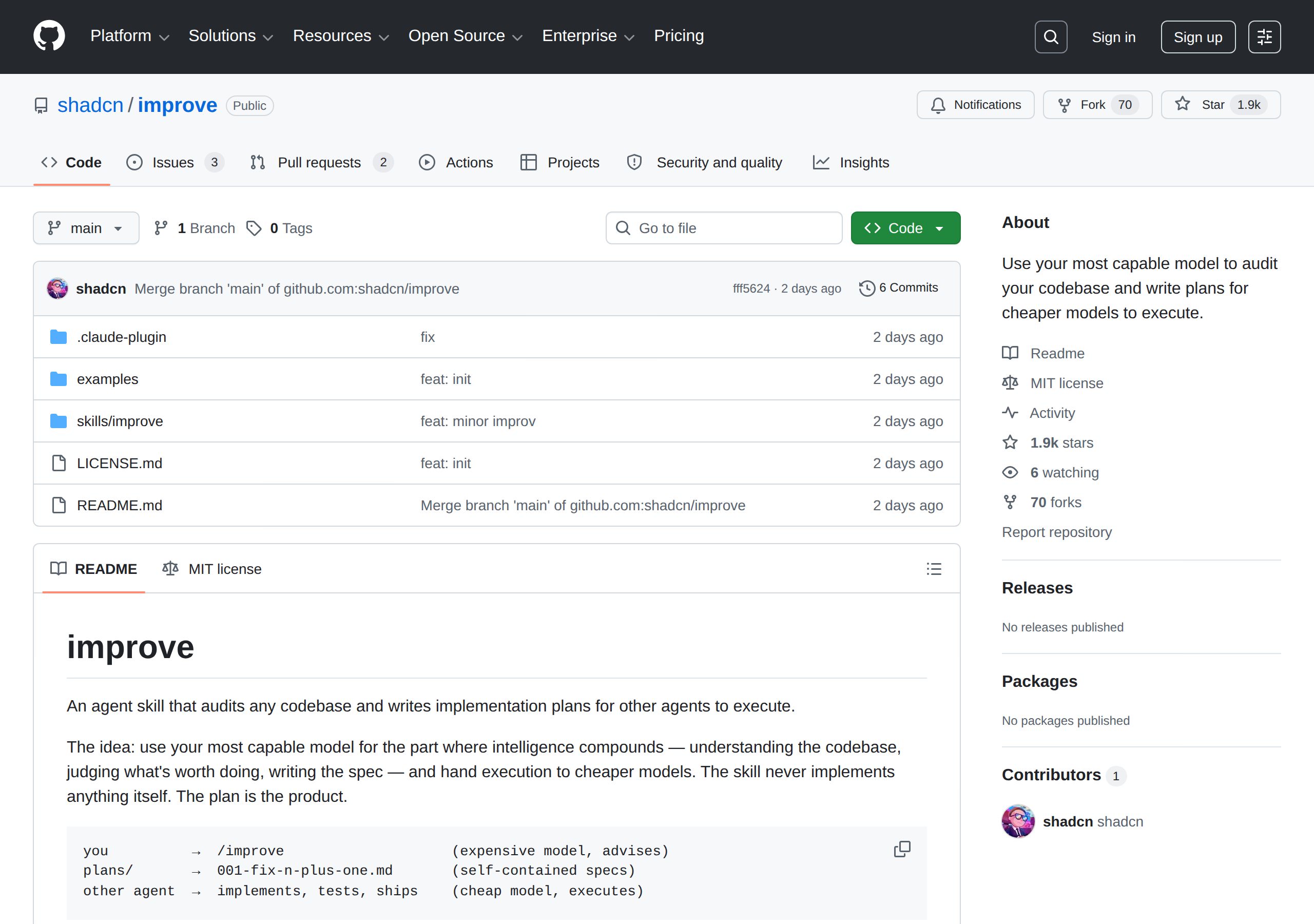
shadcn/improve (Cost-Optimized AI Code Auditing)
- What it does: A specialized skill for AI coding agents that evaluates an existing codebase, constructs a prioritized findings table, and generates concise implementation markdown specs (
plans/) tailored for execution by cheaper AI models. - Why it matters: Engineering teams can dramatically cut operational token and API costs for AI-assisted development without sacrificing code quality or structural oversight.
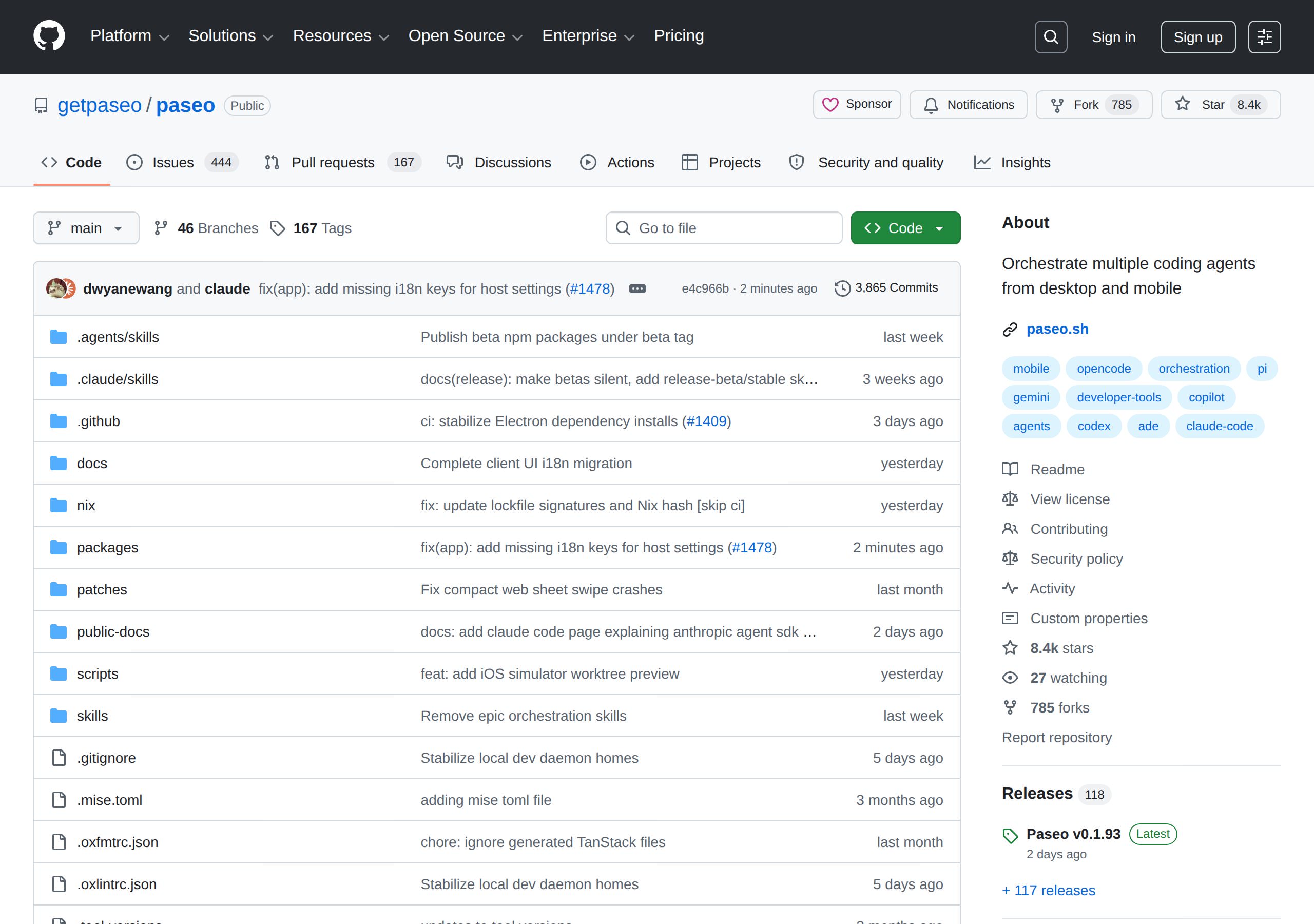
Paseo (Multi-Agent CLI and Dashboard)
- What it does: A self-hosted orchestrator for running prominent coding agents—including Claude Code, Codex, Copilot, OpenCode, and Pi—across desktop, mobile, and CLI environments. It runs via a local daemon, supports iOS/Android voice dictation, and operates entirely offline without telemetry.
- Why it matters: Developers juggling multiple AI tools gain a unified, privacy-focused dashboard to manage autonomous tasks seamlessly.
html-video (Programmatic Video Generation via AI)
- What it does: Acting as a meta-layer over advanced frameworks like Hyperframes, Remotion, and Motion Canvas, html-video enables AI agents to transform raw prompts, articles, or code repositories into rendered MP4 videos.
- Why it matters: It automates the storyboard-to-render pipeline using local headless Chromium instances, eliminating cloud video processing lock-in.
Infrastructure, Containers, & Dev Environments
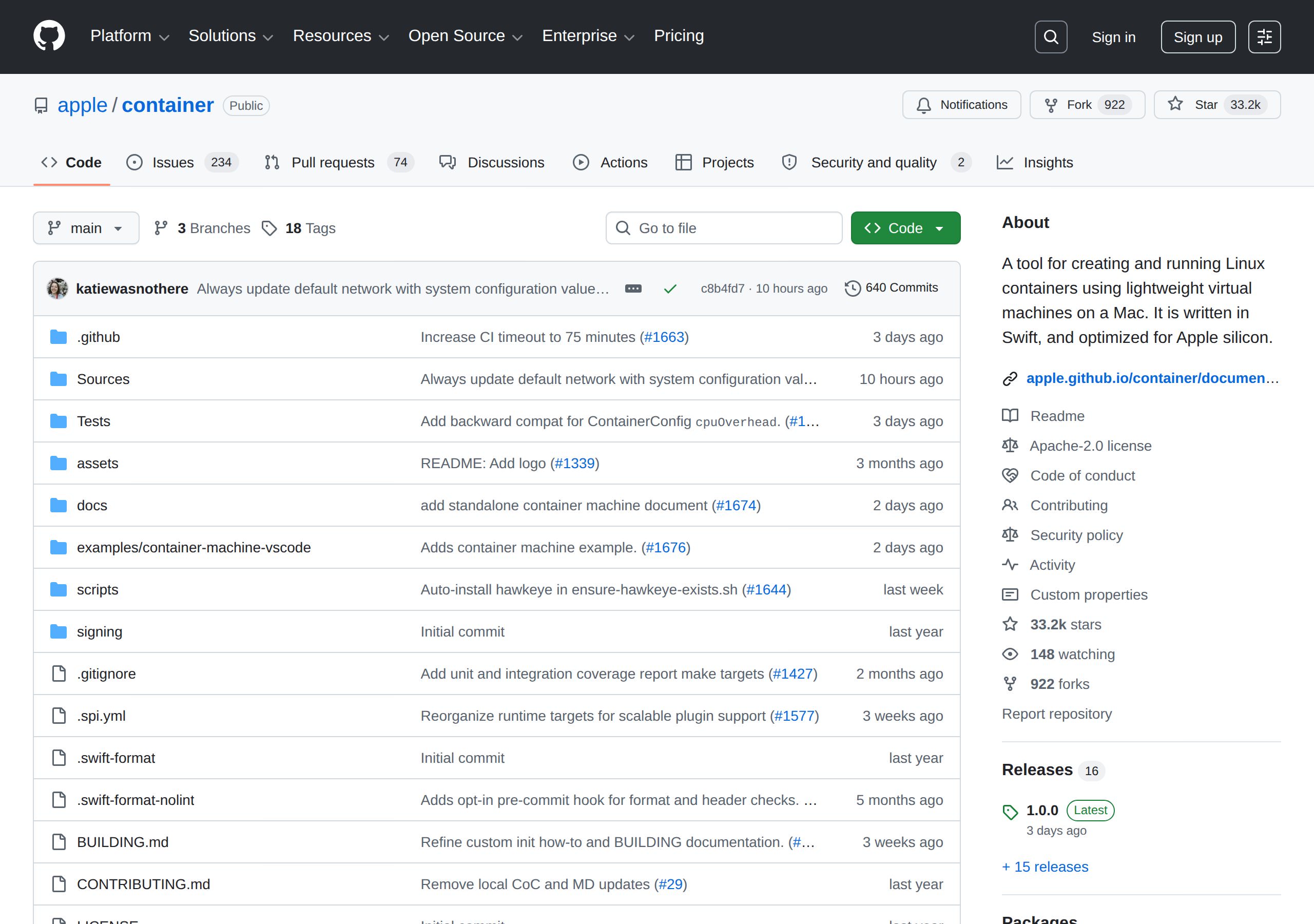
Apple Container (Lightweight Linux VMs for Mac)
- What it is: Apple’s native Swift-written utility for running Linux containers as lightweight virtual machines directly on Apple Silicon, producing OCI-compliant images under macOS 26.
- Why it matters: Mac-based developers gain a streamlined, native method for managing Linux container environments without relying on third-party layers like Docker Desktop.
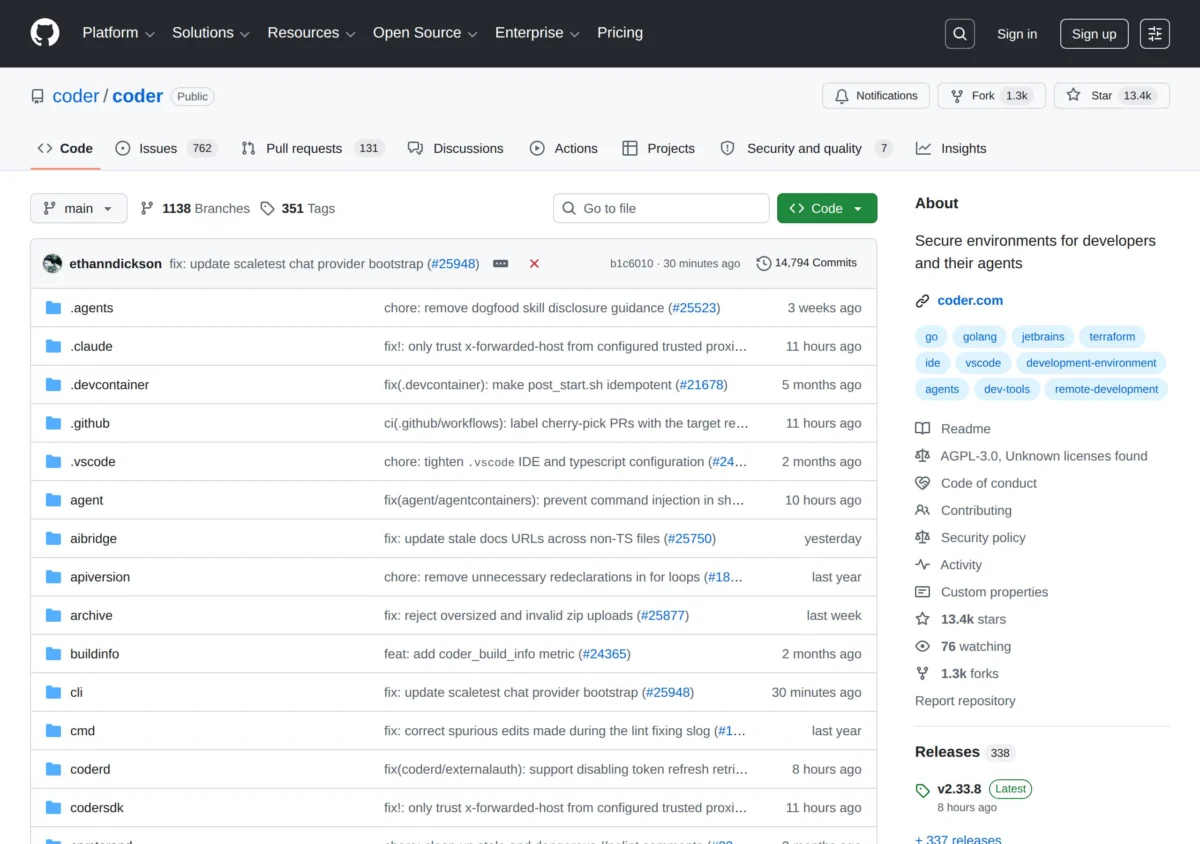
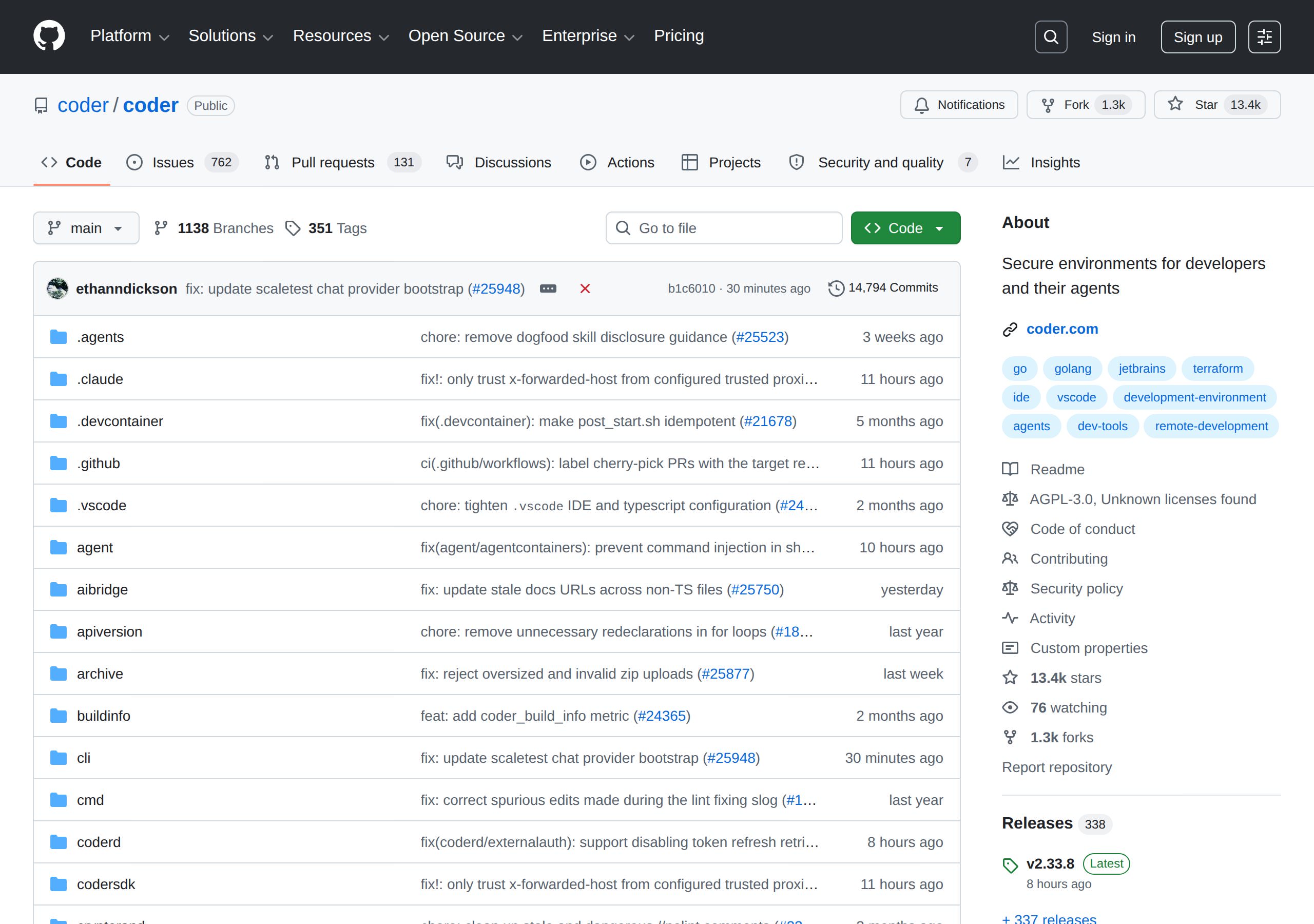
Coder (Terraform-Defined Cloud Environments)
- What it does: A self-hosted platform allowing teams to define cloud development environments using Terraform, secured via WireGuard. Workspaces scale across EC2, Kubernetes, or Docker with automatic idle shutdown and integrated Coder Agents.
- Why it matters: It solves the "it works on my machine" dilemma while ensuring API keys remain secure and isolated away from raw workspace environments.
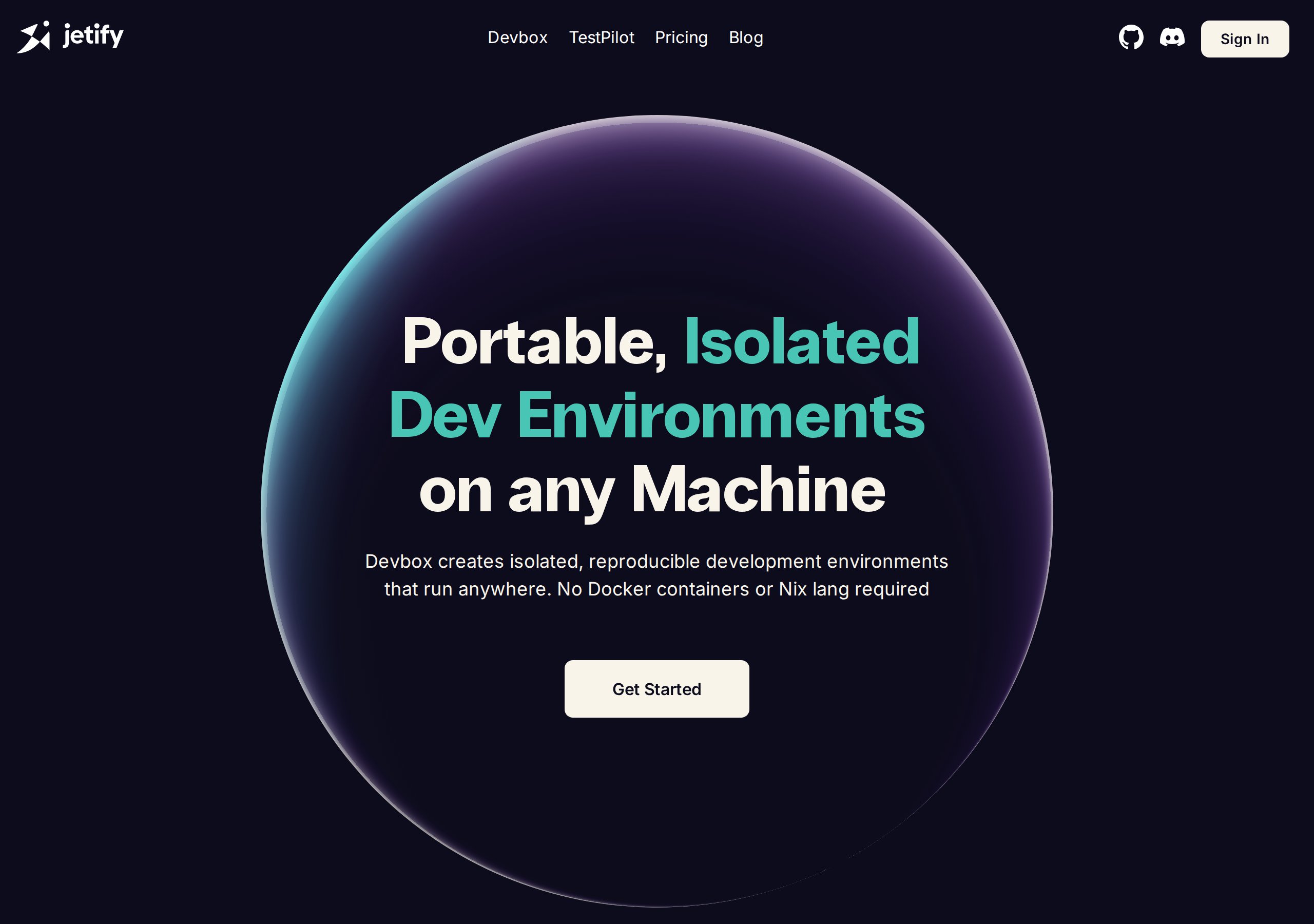
Devbox (Isolated, Portable Environments)
- What it is: A tool that spins up reproducible environments from a simple JSON configuration, granting access to over 400,000 package versions via
devbox shellwithout requiring Nix or Docker mastery. - Why it matters: It offers portable, Git-synced environment version control with virtually zero configuration friction.
CLI Productivity & System Utilities
Alacritty (GPU-Accelerated Terminal Emulator)
- What it does: A cross-platform terminal utilizing OpenGL/Vulkan rendering for ultra-smooth, sub-millisecond visual performance. It features Vi mode, RegEx hints, multi-window support, and customizable YAML configurations.
- Why it matters: For power users spending hours in the terminal, it eliminates input lag and rendering bottlenecks.
Zoxide (Smarter Filesystem Navigation)
- What it is: A fast, Rust-based replacement for the traditional
cdcommand. It learns navigational habits over time to execute instantaneous fuzzy-matched directory jumps. - Why it matters: It drastically accelerates command-line workflows across Bash, Zsh, Fish, and PowerShell.
bottom (btm) & Sheets (Terminal Insights)
- What they do: bottom offers a rich TUI system monitor surpassing traditional tools with modular CPU, memory, and process widgets. Sheets provides a Go-based terminal spreadsheet utility with Vim keybindings for inspecting and manipulating CSV data natively.
- Why they matter: They allow developers to monitor system resources and edit structured data without context-switching away from the command line.
4. Official Developer Perspectives and Community Response
Initial community reception across platforms like GitHub, Hacker News, and developer subreddits has been overwhelmingly enthusiastic, particularly toward tools addressing AI cost management and local-first infrastructure.
- On AI Orchestration: Early adopters of Paseo and shadcn/improve have praised the shift toward local-first AI management. Industry analysts note that as API usage fees scale within enterprise environments, solutions that decouple code auditing plans from expensive frontier models will become standard practice.
- On Hardware-Native Tools: Apple Silicon developers have widely welcomed Apple Container, noting its impressive boot speeds and low resource overhead compared to legacy virtualization engines. Similarly, frontend engineers have embraced ForesightJS for offering an intelligent, predictive layer to perceived latency reduction.
5. Implications for the Future of Web Development
The tooling ecosystem observed this June signals broader structural changes heading into the latter half of the decade:
- The Maturation of AI Agents: Engineering workflows are transitioning from experimental chat prompts to structured, programmatic agent pipelines. Tools like shadcn/improve and Paseo indicate that teams are building rigorous governance and cost-control frameworks around AI integration.
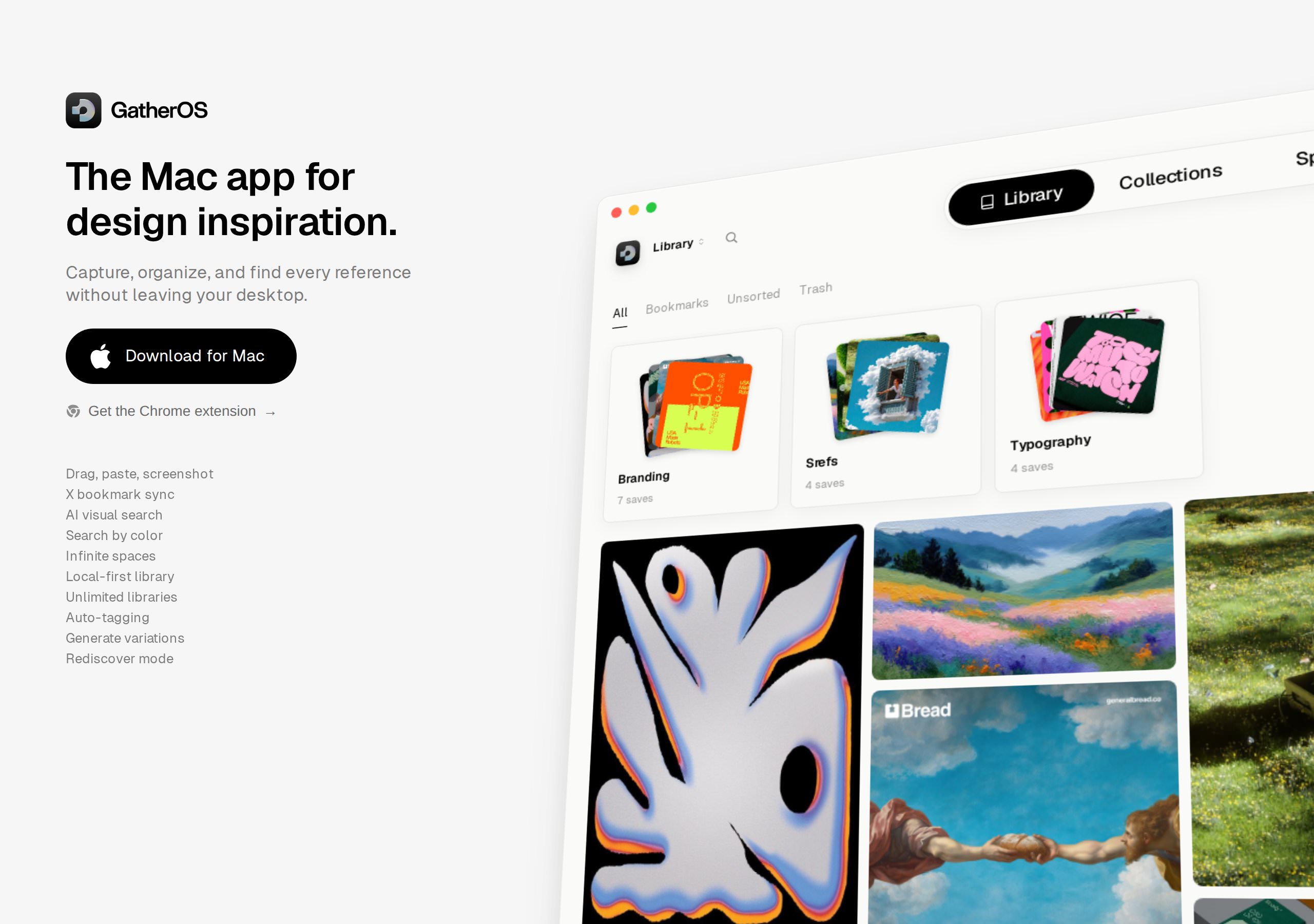
- Reclaiming Local Control: The proliferation of self-hosted, offline-capable utilities—such as Restic, GatherOS, and Apple Container—highlights a growing developer demand for data sovereignty, privacy, and protection against cloud vendor lock-in.
- Frictionless Developer Experience: Complexity is actively being abstracted away. Whether through the declarative data extraction of Ferret, the instant configuration of Devbox, or the elegant typesetting of Typst, modern tooling prioritizes intuitive intent over tedious boilerplate setup.
As these resources continue to mature, developers who integrate these high-performance, AI-augmented, and local-first utilities into their daily workflows will undoubtedly find themselves equipped for a faster, smarter, and more efficient era of software engineering.