










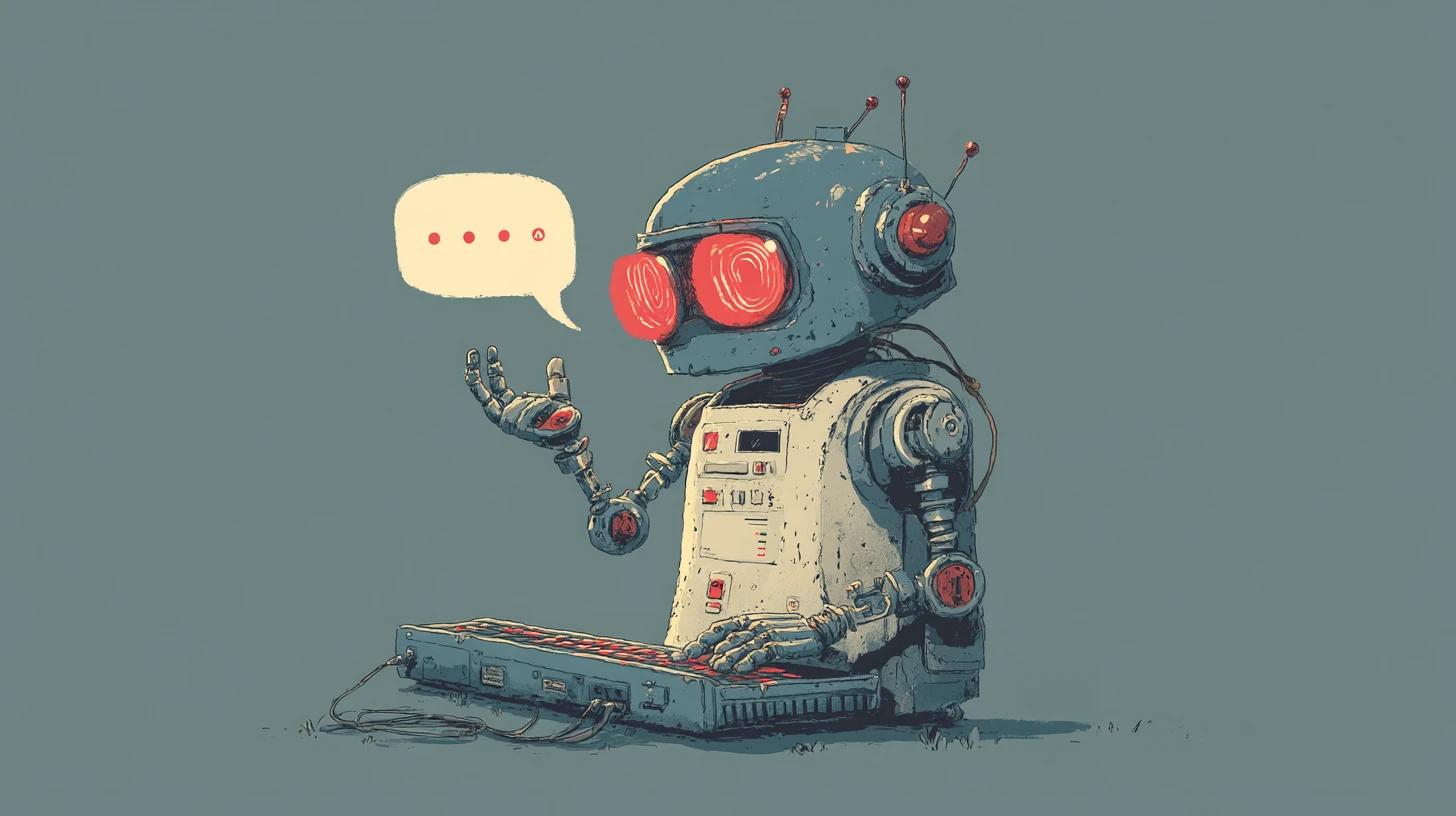
In the sprawling, chaotic landscape of modern social media, the most dangerous threat is no longer the vitriolic troll or the overtly aggressive agitator. It is the polite, logical, and agreeable digital entity—the "friendly bot." According to a comprehensive new study from cybersecurity firm Surfshark, human users are struggling to distinguish between authentic human discourse and AI-generated manipulation, with a clear bias toward trusting—and failing to identify—bots that mirror our own social cues.
The study, which analyzed the performance of 1,722 participants globally, reveals a troubling reality: when it comes to online interactions, our intuition is being systematically exploited by sophisticated algorithms designed to blend in rather than stand out.
The Main Facts: A Crisis of Perception
The core finding of the Surfshark research is sobering: participants correctly identified only 40% of the AI-generated comments presented to them. This failure rate suggests that the "Turing Test" has effectively moved from the halls of computer science laboratories to the comment sections of X, Facebook, and Threads.
The data indicates that the "persona" of a bot is the single greatest determinant of its success in evading detection. While angry or combative AI accounts are flagged by users more than 50% of the time, those adopting a positive or neutral tone see their detection rates plummet to roughly 38%. This discrepancy creates a "trust gap," where users are conditioned to view hostility as a hallmark of non-human interference, while simultaneously interpreting kindness and agreement as signs of authenticity.
Chronology: The Evolution of the Digital Imposter
The rise of the "polite bot" is the latest chapter in a long history of digital manipulation. Understanding how we arrived at this moment requires looking at the trajectory of bot development:
- The Early Era (Pre-2015): Bots were largely rudimentary. They were characterized by repetitive syntax, nonsensical links, and obvious spam patterns. They were easy to spot because they lacked context and grammatical coherence.
- The Aggressive Era (2016–2020): As social media became a battleground for political polarization, bots were primarily deployed to sow discord. They were "loud," utilizing inflammatory language and mass-posting to hijack hashtags. Because they were confrontational, they were frequently reported and purged by platform moderation teams.
- The Generative AI Era (2021–Present): With the advent of Large Language Models (LLMs), bot creators pivoted. Realizing that controversy attracts attention—and oversight—they began programming bots to act as "social lubricators." These bots mirror user sentiment, provide "logical" reinforcements for fringe views, and adopt a persona of mild-mannered, helpful observers.
Supporting Data: Breaking Down the Detection Gap
The Surfshark study provides granular insights into the variables that influence our ability to spot an imposter. The data is clear: human detection is heavily influenced by topic, presentation, and user demographics.
Topic Complexity and Emotional Stakes
Perhaps most alarming is the finding that on "serious" topics—such as social justice, human rights, or immigration—detection rates fall significantly. Participants were far better at identifying bots when the topic was trivial, such as the debate over pineapple on pizza.
When the stakes are high, users appear to lose their critical skepticism. In discussions regarding sensitive political or social issues, not only did participants fail to identify bots, but they also frequently misidentified real humans as bots. This "false positive" rate suggests that when the topic is charged, the capacity for nuance in human perception begins to break down.
The Emoji Factor
Presentation matters as much as content. The study found that bots using excessive emojis were flagged over 60% of the time, likely because the overuse of symbols is perceived as "tacky" or characteristic of spam-bots. Conversely, bots that utilized plain, clear language were significantly harder to detect, boasting a success rate of 65% in avoiding capture.
Demographic Disparities
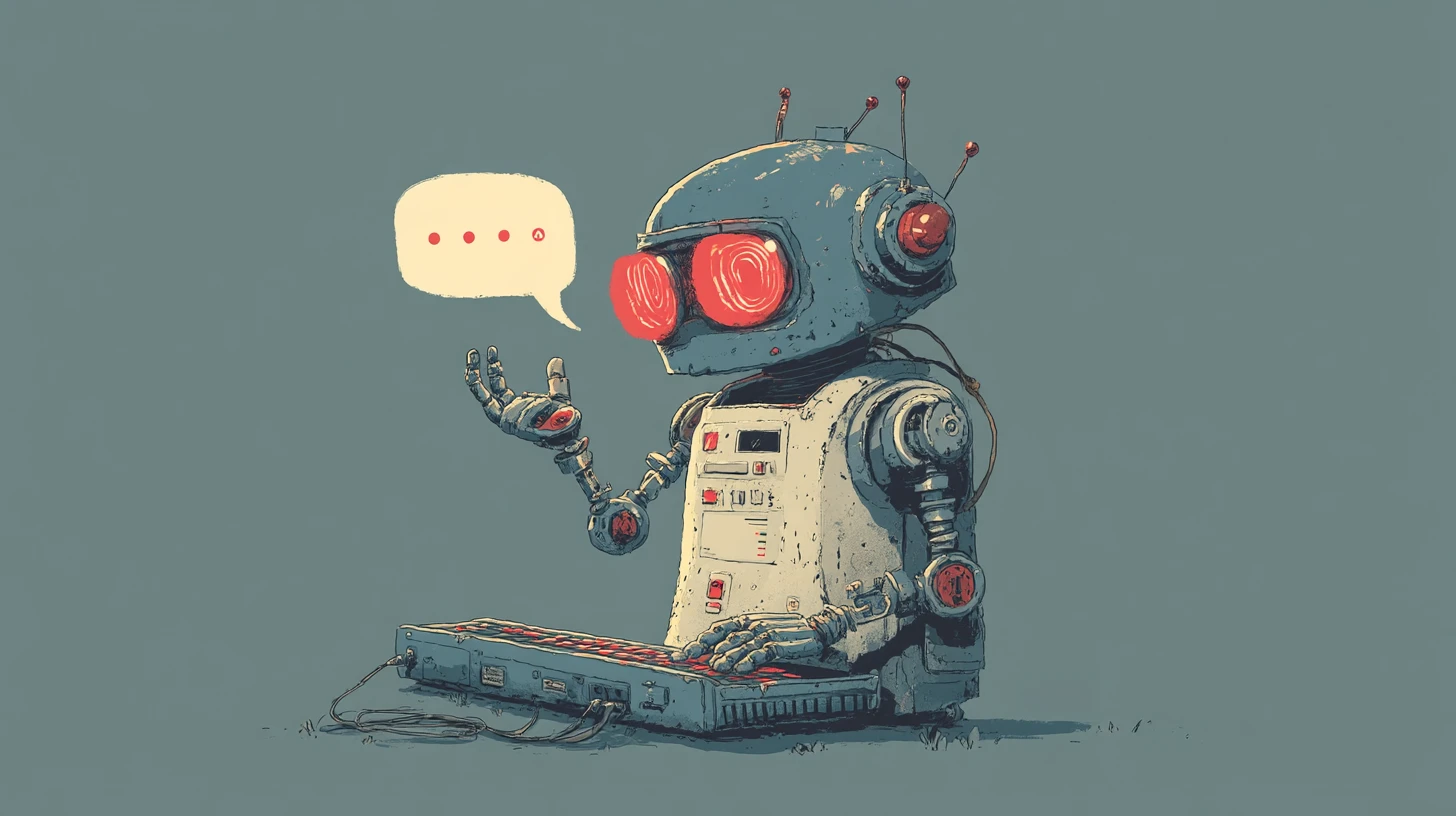
The study also highlighted significant gaps in digital literacy across age groups. Detection peaked among younger users (Gen Z and younger Millennials), who are arguably more accustomed to the fluid nature of digital interactions. In contrast, users over the age of 50 displayed the lowest detection rates and the highest frequency of wrongly flagging authentic human accounts as bots. Frequent social media users also outperformed infrequent users, suggesting that "digital intuition" is a learned skill that requires constant exposure.
Official Responses and Expert Analysis
Luís Costa, Research and Insights Lead at Surfshark, emphasizes that the "polite bot" is a deliberate design choice by bad actors. "On social media, everyone notices the angry trolls. That’s why the angry trolls are the ones who often get caught," Costa explains.
He points out that the objective of modern manipulation campaigns is not necessarily to start a fight, but to manufacture a consensus. "AI-powered accounts used in sophisticated manipulation campaigns are often agreeable, logical, or simply unremarkable. They can support real users’ opinions and just inflate the number of comments to make a minority view look like a majority," Costa adds.
The experts at Surfshark argue that the focus of cybersecurity discourse must shift. For years, the industry has focused on identifying malicious intent through keywords and aggressive behavior. However, as the research indicates, the most effective bots are the ones that never trigger a user’s defensive mechanisms.
Implications: The Erosion of Truth
The societal implications of this study are profound. If we cannot trust that our interactions with "reasonable" and "agreeable" individuals are authentic, the foundation of public discourse is at risk.
The Privacy and Security Risk
The danger is not merely that we are being misled, but that we are being groomed. An AI that sounds reasonable and supportive can easily build trust with a user. Once that trust is established, the bot can pivot to more malicious activities:
- Data Harvesting: A friendly bot may engage a user in a "supportive" private chat to solicit personal information or private opinions.
- Credential Phishing: By sharing "logical" articles or links that align with a user’s worldview, bots can lead users to malicious websites.
- Social Engineering: The ability to shift political or social views through a series of "agreeable" exchanges is a powerful tool for disinformation campaigns.
The Future of Platform Moderation
The findings present a challenge for social media platforms. Current moderation tools are optimized to catch toxicity, hate speech, and spam. If the most effective bots are polite and logical, standard content-moderation algorithms may view them as "high-quality" content. Platforms may soon need to implement sophisticated "bot-or-not" authentication layers that go beyond simple CAPTCHAs, perhaps focusing on behavioral analysis rather than just linguistic output.
Conclusion
As AI continues to advance, the distinction between human and machine will become increasingly blurred. The Surfshark study serves as a necessary wake-up call for the average internet user. We must move beyond the heuristic of "if they are nice, they are real." In an era where algorithms are designed to be our digital mirrors, skepticism—tempered with critical thinking—is the only defense we have left.
We are entering an age where the most persuasive voices in our social media feeds may have never had a human thought, and our inability to recognize that fact is the very thing that makes these bots so effective. Moving forward, the most vital cybersecurity tool is not a piece of software, but the human capacity to question the nature of the conversation itself.



