










After a three-year hiatus from the competitive Indian smartphone landscape, Alcatel—now operating under the umbrella of TCL Communication—is officially poised for a strategic comeback. The announcement, which has sent ripples through the tech industry, centers on the upcoming launch of the Alcatel V3 Ultra. This device represents more than just a new product; it signals the brand’s intent to reclaim its footprint in one of the world’s most dynamic and demanding mobile markets.
The Tease: Unboxing the Future
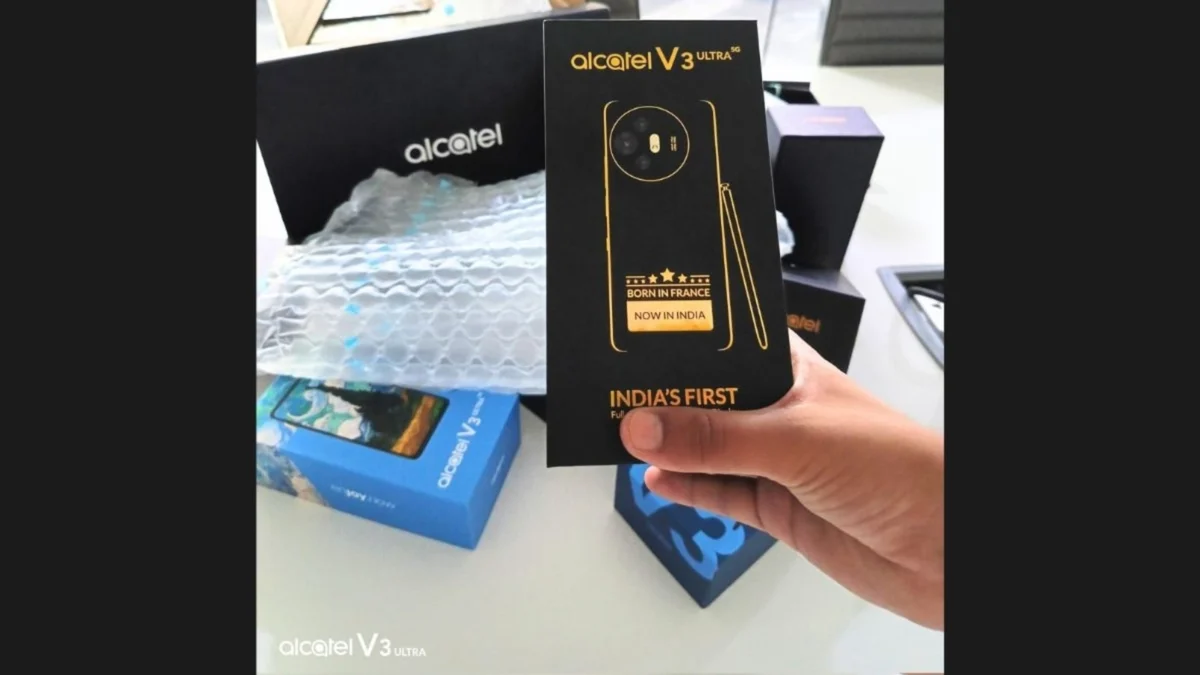
The excitement surrounding the V3 Ultra began in earnest when Madhav Sheth, a prominent figure associated with the brand’s Indian operations, shared a glimpse of the retail packaging on social media. The image, which has since been analyzed by industry experts, serves as the first official confirmation of the device’s design philosophy.
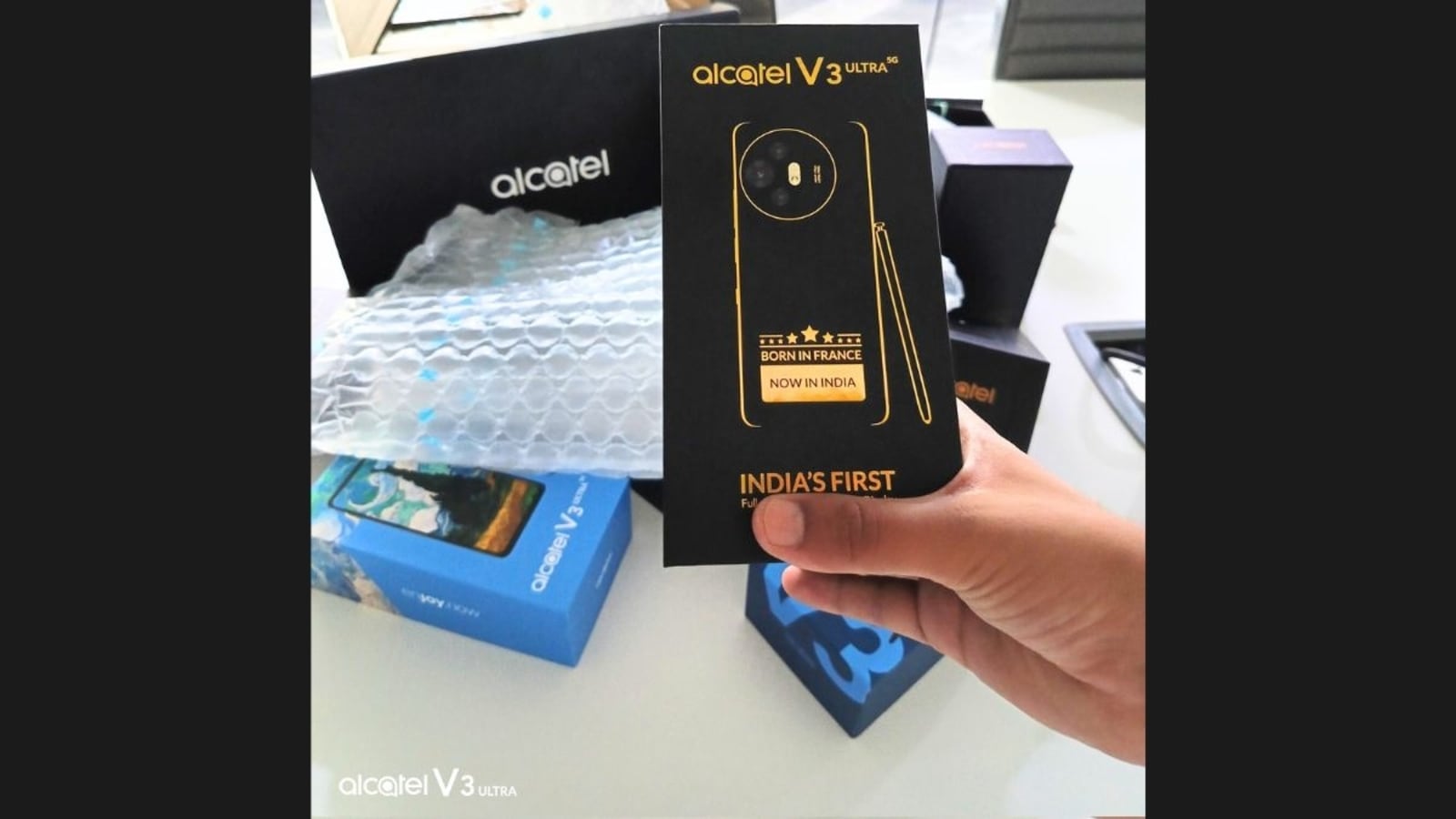
The packaging—a sleek black box featuring the product name in vibrant yellow—highlights a clear focus on utility and aesthetics. Most notably, the box prominently displays a stylus icon, confirming that the V3 Ultra will be a productivity-focused handset. This move is a bold one, as it targets a niche segment of users who prioritize note-taking, digital art, and precise navigation, a feature set rarely found outside of flagship-tier devices.
A Legacy Renewed: The Chronology of Alcatel in India
To understand the significance of this launch, one must look at the timeline of Alcatel’s journey in India.
- The Early Years: Alcatel was once a household name, synonymous with accessible technology and robust build quality. Throughout the early 2000s and into the mid-2010s, the brand enjoyed a strong following, particularly in the feature phone and entry-level smartphone segments.
- The Strategic Retreat: Around 2021, the brand scaled back its presence in India, opting to focus on global markets and other regional priorities. The competitive pressure from Chinese OEMs (Original Equipment Manufacturers) made the Indian market a difficult landscape to navigate, leading to a period of silence.
- The Re-emergence (April 2024): In early April, the company signaled its intent to return. Under the stewardship of TCL Communication, the brand began laying the groundwork for a phased re-entry.
- The Current Phase: With the V3 Ultra, the company is shifting its strategy from "volume-driven" to "value-driven," focusing on premium features and localized manufacturing to appeal to the modern Indian consumer.
Design and Specifications: What the V3 Ultra Brings to the Table
While the company has been tight-lipped about the internal hardware, the retail packaging and teasers have provided significant clues.
The Display Technology
The most compelling piece of information is the inclusion of TCL’s proprietary NXTPAPER display technology. Unlike traditional smartphone screens that rely on harsh backlighting, NXTPAPER offers a paper-like, matte finish that minimizes blue light and glare. This is a massive selling point for users who spend hours reading or working on their phones, as it significantly reduces eye strain. The V3 Ultra is expected to feature a flat display with a centrally located hole-punch cutout, ensuring a clean, modern aesthetic.
Camera and Aesthetics
The back of the device, as suggested by the packaging design, will house a circular camera module containing three distinct sensors and an LED flash. While the megapixel counts remain unconfirmed, the triple-camera setup is expected to offer versatile shooting modes, including wide-angle and macro capabilities. The blue packaging variant also hints at a stylish, potentially matte-finished rear panel that will likely resist fingerprints.
The Stylus Integration
The inclusion of a stylus is the device’s "X-factor." By integrating a stylus into a mid-range device, Alcatel is positioning the V3 Ultra as a "productivity companion." Whether the stylus will include advanced features like Bluetooth connectivity or pressure sensitivity remains to be seen, but its presence immediately elevates the device above generic mid-range smartphones.
The "Make in India" Commitment
A critical component of Alcatel’s re-entry is its alignment with the Indian government’s "Make in India" initiative. In an era where supply chain resilience is paramount, the brand has confirmed that its new lineup of smartphones will be manufactured locally.
This decision serves two purposes: it mitigates import duties, allowing for more competitive pricing, and it demonstrates a long-term commitment to the Indian economy. Furthermore, the company is investing heavily in a robust service network. One of the primary criticisms of smaller or returning brands in India is the lack of after-sales support; by establishing a widespread service infrastructure, Alcatel is aiming to build trust with a consumer base that has grown wary of brands that disappear after a few quarters.
Market Implications: The Battle for the Mid-Range
The Indian smartphone market is currently saturated, dominated by brands like Xiaomi, Samsung, Vivo, and Motorola. However, the premium mid-range segment (the ₹20,000–₹30,000 bracket) remains a battleground where consumers are increasingly looking for features that differentiate their devices from the crowd.
Competition and Positioning
The Alcatel V3 Ultra is expected to enter the market at a price point likely to challenge the Motorola Edge 60 Stylus, which currently retails for approximately ₹22,999.

By competing in this space, Alcatel is targeting the "prosumer"—the user who wants a high-quality display and creative tools without paying the premium price tag of a flagship Samsung Galaxy S-series or an Apple iPhone. The inclusion of the NXTPAPER display gives Alcatel a unique technological moat that its competitors currently lack.
The Distribution Strategy
The brand has opted for a digital-first approach, leveraging the massive reach of Flipkart. By launching on both the main platform and the rapid-delivery "Flipkart Minutes" service, Alcatel is tapping into the growing trend of instant gratification. This indicates that the company is not just selling a phone; it is selling a streamlined, modern shopping experience.
The Road Ahead: Potential Challenges
Despite the excitement, Alcatel faces an uphill battle. The Indian consumer is highly brand-conscious and extremely tech-literate.
- Software Optimization: Hardware is only half the battle. Alcatel must ensure that its user interface (UI) is clean, bloatware-free, and optimized for long-term updates. The Indian market has shown a strong preference for "near-stock" Android experiences.
- Brand Recall: While the name "Alcatel" carries nostalgia, it is not a brand that the Gen-Z demographic in India is intimately familiar with. Rebuilding that brand equity will require a massive marketing spend and a clear communication strategy.
- The Competitive Ceiling: Brands like iQOO and Motorola have set a high bar for performance at this price point. If the V3 Ultra is perceived as underpowered in terms of its processor or battery life, the "stylus" and "display" features may not be enough to drive mass adoption.
Conclusion: A Calculated Risk
The Alcatel V3 Ultra is a bold, calculated risk. By leaning into its heritage while embracing modern display technologies and local manufacturing, the brand is attempting to thread the needle between legacy reliability and modern innovation.
If the device lives up to the expectations set by its teaser campaign—specifically regarding the performance of the NXTPAPER display and the versatility of the stylus—it could very well become a dark horse in the Indian smartphone market. For now, all eyes are on the official launch event, where the brand will finally reveal if the V3 Ultra has the substance to match its ambitious re-entry strategy.
As the Indian smartphone market continues to evolve, the return of a veteran player like Alcatel serves as a reminder that in this industry, the only constant is change. Whether this marks a permanent comeback or a fleeting attempt, it is a development that every tech enthusiast in the country will be watching closely.



