
Main Facts: A Quarter-Century of Pocket-Sized Audio Revolution
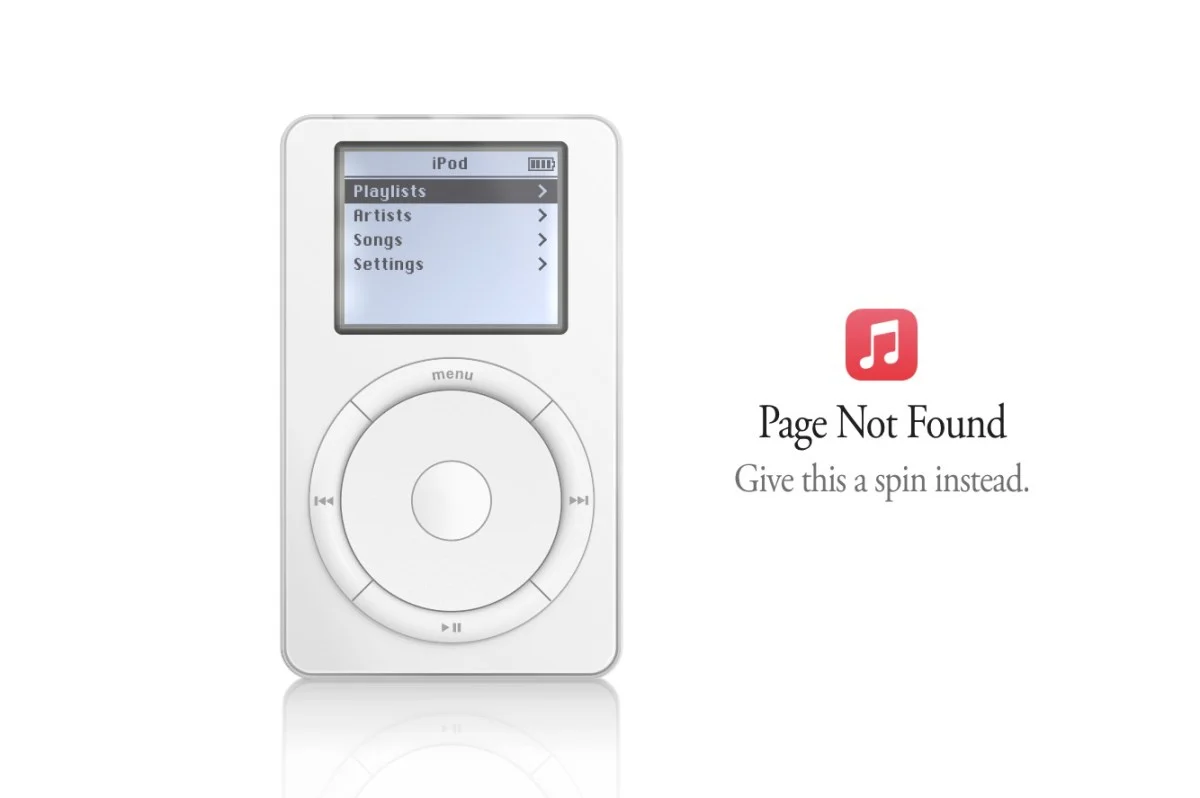
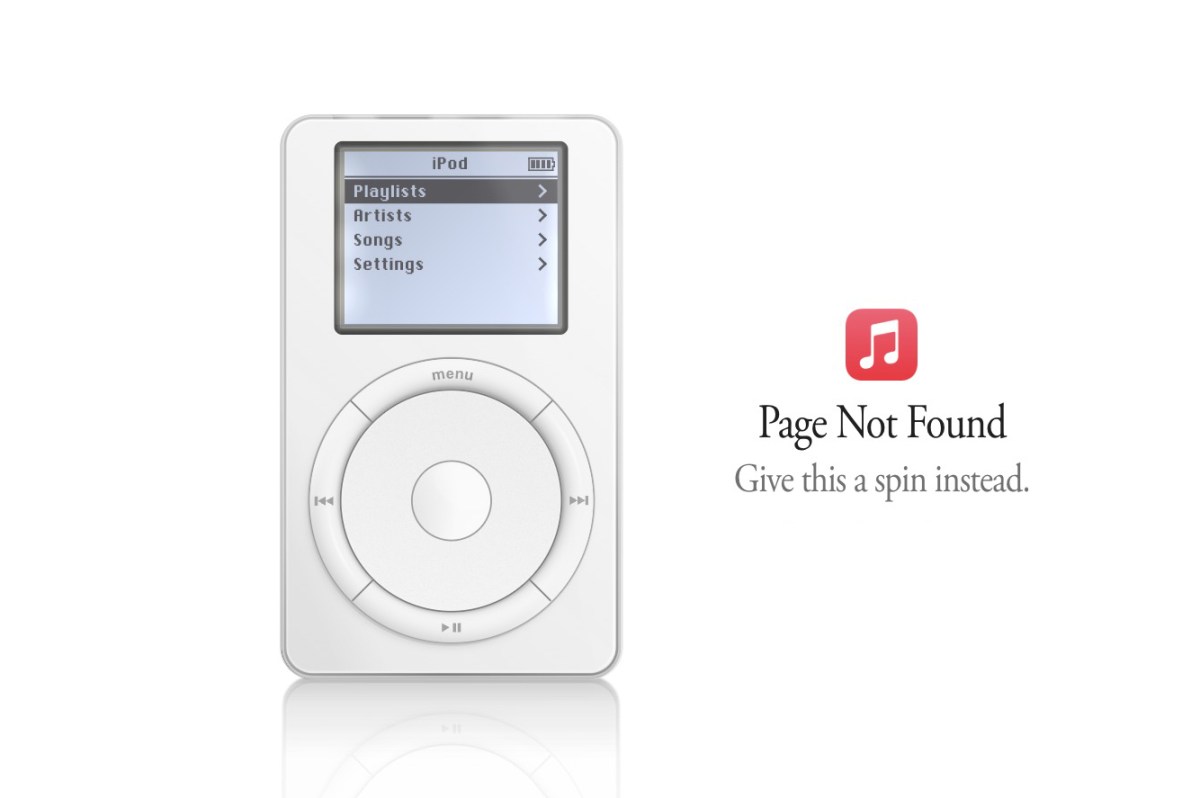
Twenty-five years ago, the landscape of personal audio changed forever. To mark the milestone anniversary of the device that fundamentally reshaped how humanity consumes music, Apple has rolled out a delightful, fully interactive tribute. Visiting a special page on the Apple Music website (music.apple.com/us/ipod) transports users back to the early 2000s via a meticulously rendered digital replica of the original first-generation iPod.
Complete with the iconic, tactile-inspired mechanical scroll wheel and a monochrome LCD interface, this digital time capsule isn’t just for show. Apple has preloaded the virtual player with a curated selection of 90-second sample tracks from the era, allowing enthusiasts and younger generations alike to experience the thrill of thumb-wheeling through a playlist. This clever Easter egg serves as both a nod to the device’s legendary design heritage and a reminder of Apple’s unmatched capacity for cultural storytelling.
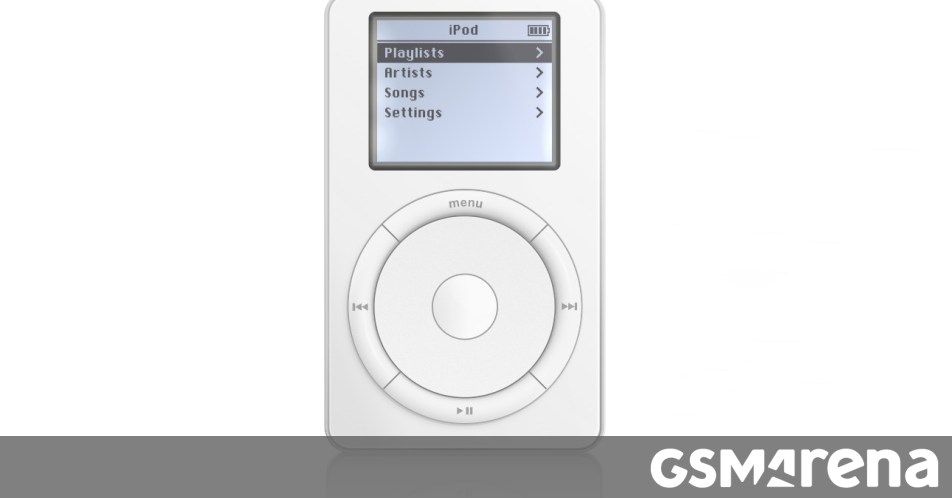
When the original iPod was first unveiled by Steve Jobs on October 23, 2001—followed by its official retail rollout on November 10 of that same year—it was accompanied by a marketing promise that sounded hyperbolic at the time: "1,00ongs in your pocket." Yet, that simple phrase understates the monumental shift the device provoked. It bridged the gap between the waning days of physical media and the dawn of the digital streaming age, eventually paving the way for the iPhone, the App Store, and Apple’s modern dominance in services. Though Apple officially retired the final vestige of the brand—the iPod touch—in 2022, the digital resurrection on Apple Music proves that the cultural footprint of the silver-and-white music player remains as indelible as ever.
Chronology: The Rise, Evolution, and Sunset of the iPod Family
To understand the profound impact of the iPod, one must trace its journey from a niche Mac accessory to a ubiquitous global phenomenon. The timeline of the iPod family reflects not only Apple’s hardware evolution, but also the broader trajectory of digital media in the 21st century.
2001–2003: The Genesis and Windows Expansion
- October 23, 2001: Steve Jobs introduces the original iPod at a small press event on Apple’s Cupertino campus. Equipped with a 5GB mechanical hard drive, a FireWire 400 port, and the revolutionary scroll wheel, it launches exclusively for Mac users at a price point of $399.
- July 2002: Apple releases a 10GB variant and, crucially, introduces a Windows-compatible version utilizing Musicmatch Jukebox, expanding the device’s addressable market exponentially.
- April 2003: The introduction of the third-generation iPod brings a slimmer profile, touch-sensitive buttons, a dock connector, and the debut of the iTunes Music Store, creating a seamless ecosystem of hardware and legal digital downloads.
2004–2006: Diversification and Miniature Marvels
- January 2004: Apple launches the iPod mini, sporting an anodized aluminum shell in vibrant colors and a revolutionary "Click Wheel" (where the physical buttons were integrated directly beneath the rotating touch surface). It instantly becomes a runaway hit.
- February 2005: The minimalist iPod shuffle arrives, ditching the screen entirely in favor of random playback, appealing to fitness enthusiasts and budget-conscious buyers.
- September 2005: The iPod nano replaces the mini. Thinner, lighter, and eventually featuring a full-color screen, the nano becomes one of Apple’s best-selling hardware lines across multiple redesigns.
- October 2005: The fifth-generation iPod (often dubbed the "iPod video") debuts, introducing video playback capabilities on a bright 2.5-inch color display.
2007–2019: The Touchscreen Era and Gradual Decline
- September 2007: Capitalizing on the revolutionary interface of the newly launched iPhone, Apple introduces the iPod touch. Running iOS, featuring a multi-touch display, and offering Wi-Fi connectivity, it redefines what a portable media player can do, effectively serving as an "iPhone without the phone contract."
- September 2014: Apple quietly discontinues the beloved iPod classic (the direct descendant of the 2001 original), marking the definitive end of the mechanical hard-drive era in consumer electronics.
- July 2017: Apple pulls the plug on the iPod nano and iPod shuffle, leaving the iPod touch as the sole remaining standard-bearer for the brand.
2022: The Final Curtain
- May 10, 2022: Apple officially announces the discontinuation of the iPod touch, writing the final chapter in a 21-year product lineage. Company executives note that the core functionality of the iPod—carrying an entire music library anywhere—now lives on inside the iPhone, the Apple Watch, and via cloud-based streaming on Apple Music.
Supporting Data: Specifications and Market Dominance
The technical specifications of the original 2001 iPod read like an archaeological artifact by modern standards, yet they represented cutting-edge engineering at the turn of the millennium.
Original iPod (1st Generation) Specifications Table
| Feature | Specification |
|---|---|
| Release Date | November 10, 2001 |
| Launch Price | $399 USD |
| Storage Capacity | 5GB (later supplemented by a 10GB option) |
| Display | 2-inch diagonal monochrome LCD (160 x 128 pixels) with LED backlight |
| Audio Formats | MP3 (up to 320 Kbps), MP3 VBR, WAV, AIFF, Audible |
| Battery Life | Up to 10 hours of continuous playback |
| Connectivity | 6-pin FireWire 400 port, 3.5mm headphone jack |
| Dimensions | 4.0 x 2.4 x 0.78 inches (100 x 62 x 20 mm) |
| Weight | 6.5 ounces (184 grams) |
Market Impact and Sales Milestones
Beyond hardware metrics, the iPod’s financial and cultural statistics tell the story of a monopoly forged through design superiority:

- The Milestone Mark: In February 2007, Apple sold its 100 millionth iPod, making it the fastest-selling music player in history up to that point.
- Revenue Driver: By 2006 and 2007, the iPod division accounted for nearly 40% of Apple’s total annual revenue, fueling the cash reserves that allowed the company to gamble on high-risk projects like the iPhone.
- The iTunes Flywheel: The symbiotic relationship between the device and the iTunes Music Store resulted in billions of song downloads, legally rescuing an entire music industry that had been spiraling into piracy via peer-to-peer networks like Napster and Limewire.
Official Responses and Industry Reflections
As tech historians, former Apple executives, and musicians reflect on the 25th anniversary of the device, the consensus remains unanimous: the iPod was a rare intersection of industrial design, software engineering, and cultural timing.
Though current Apple executives have kept formal statements regarding the anniversary focused on the interactive web tribute, archival interviews with figures like Tony Fadell—often referred to as the "father of the iPod"—shed light on the grueling engineering sprints required to bring the device to life in less than a year. Tasked by Steve Jobs in early 2001 to assemble a team and build a portable hard-drive-based music player, Fadell’s team had to license Toshiba’s miniature 1.8-inch hard drive, adapt PortalPlayer’s reference design, and invent an entirely new navigation paradigm.

Industry analysts note that the iPod also transformed Apple from a beloved, niche computer manufacturer into a global lifestyle brand. Former Apple marketing chief Phil Schiller famously noted in past retrospectives that the iPod changed how people perceived Apple products, making them personal, emotional, and desirable to consumers who had never touched a Macintosh computer.
Musicians and producers have similarly weighed in on anniversaries past, crediting the device with altering the architecture of popular music. The physical limitation of carrying a specific set of tracks, followed later by the shift toward shuffle culture, fundamentally changed song structures—artists no longer felt pressured to write filler tracks for CD albums when consumers could curate individualized, single-song playlists on the fly.

Implications: How the iPod Built the Modern Apple Ecosystem
It is impossible to overstate the structural implications of the iPod’s success for Apple as a corporate entity. Without the iPod, the modern, trillion-dollar tech giant simply would not exist.
1. The Blueprint for the iPhone
When Steve Jobs introduced the iPhone in January 2007, he famously described it as three devices: "a widescreen iPod with touch controls, a revolutionary mobile phone, and a breakthrough internet communicator." The interface architecture, supply chain management, and retail store strategy (Apple Stores were largely built out to showcase the burgeoning iPod ecosystem) served as the direct testing ground for the smartphone revolution. Without the capital generated by iPod sales, Apple’s transition into a mobile communications powerhouse would have faced insurmountable financial hurdles.

2. Shifting from Hardware Ownership to Access
The iPod was the physical anchor of the digital music revolution, but it also sowed the seeds for today’s subscription economy. By conditioning consumers to manage their media digitally via iTunes, Apple prepared the global market for the eventual transition from downloading files to streaming them. Apple Music—the very platform hosting today’s 25th-anniversary digital tribute—is the direct philosophical descendant of the iTunes-iPod nexus.
3. Cultural Preservation and Nostalgia
As technology becomes increasingly cloud-based, invisible, and homogenous, devices like the original iPod represent a golden era of tactile industrial design. The viral enthusiasm surrounding Apple’s web-based Easter egg highlights a powerful consumer hunger for tangible design heritage. In an era where tech gadgets are often sealed, utilitarian slabs of glass, the physical joy of the mechanical scroll wheel serves as a poignant reminder of a time when technology felt deeply personal, playful, and wonderfully distinct.