







The landscape of modern web development is currently undergoing a period of intense consolidation and performance-oriented optimization. As frontend applications grow in complexity, the industry is shifting away from fragmented, "do-it-yourself" toolchains toward cohesive, high-performance ecosystems. This week’s developments—ranging from Anthropic’s massive gains in application speed to the debut of comprehensive meta-frameworks like Vite+—highlight a clear trend: the era of "configuration fatigue" is ending, and the era of "performance by default" has begun.
Main Facts: A Shift Toward Cohesion and Speed
The current trajectory of the JavaScript ecosystem is being defined by three major pillars: radical performance optimization, the unification of build tooling, and the maturation of frontend architecture.
Anthropic’s Performance Sprint
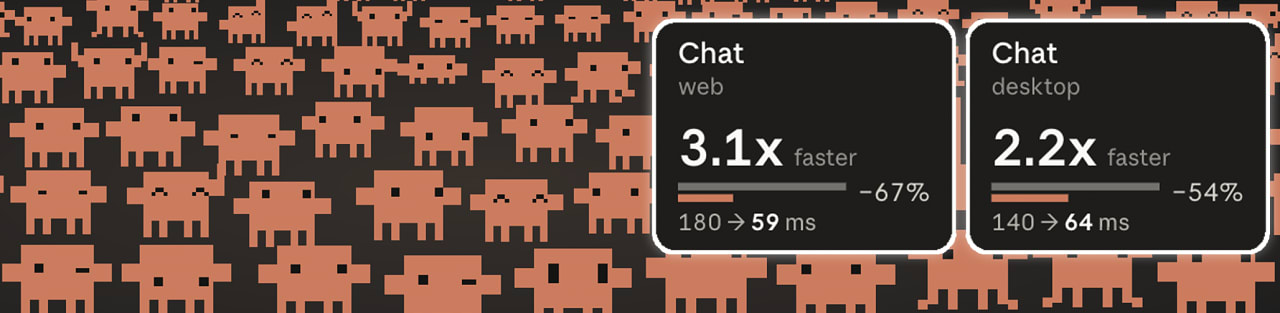
Anthropic recently shared a masterclass in frontend performance engineering. By conducting a targeted two-week sprint, the engineering team behind Claude successfully reduced the p75 "time-to-typeable" metric from 3.1 seconds to a blistering 0.55 seconds. This wasn’t achieved through a rewrite, but through surgical precision in debugging. The team uncovered bizarre performance bottlenecks, such as the use of em dashes triggering inefficient paths in the V8 regex engine, and a stray location.reload() call that was inadvertently triggering half a million hidden page refreshes daily.

The Rise of Vite+
Perhaps the most significant shift in developer experience is the introduction of Vite+ (vp). Aiming to act as a single CLI for the entire JavaScript lifecycle, Vite+ consolidates package management, dev servers, linting, formatting, testing, and building under one command. By leveraging vite.config.ts as a unified source of truth, VoidZero is signaling that the industry is tired of managing dozens of disparate configuration files.
Chronology of Recent Ecosystem Evolution
To understand how we arrived at this moment, one must look at the progression of the last several months of web infrastructure development:
- Mid-2024: The industry reaches "Peak Tooling Fatigue." Developers report significant friction in maintaining ESLint, Vitest, tsup, and bundler configurations separately.
- Late 2024: Cloudflare doubles down on the VoidZero initiative. Evan You leads a push to integrate Oxc (the high-performance Rust-based compiler) into the core workflow, focusing on stable type-aware linting and Vitest 5.
- September 2026: The release of Vite+ 1.0 marks a milestone in toolchain convergence. Simultaneously, the discourse surrounding "The Grand Unifying Architecture" gains momentum, as creators like Ryan Carniato (SolidJS) articulate that the divide between "Server-Side" and "Client-Side" frameworks is largely a matter of orchestration, not technology.
- Current Date: The focus shifts toward "Agentic" workflows. With platforms like Expo enabling AI agents to autonomously code, test, and ship mobile applications, the role of the developer is rapidly evolving from manual coder to architectural orchestrator.
Supporting Data and Technical Deep Dives
The V8 Optimization Puzzle
Performance is often hidden in the engine’s internal behavior. Matteo Collina’s recent exploration of object prototypes highlights this perfectly. In V8, objects created with null prototypes often drop into "dictionary mode," a memory-intensive state that slows down property access. Collina demonstrates that creating a plain object first and then nullifying its prototype preserves "fast properties," allowing developers to squeeze more performance out of standard JavaScript patterns.
The CSS-in-JS Reversal
A major data point in the performance conversation comes from GitHub. The engineering team reported significant site-wide speed improvements after moving away from CSS-in-JS patterns. By shipping more static CSS, GitHub reduced the runtime overhead on the client, proving that while CSS-in-JS offers developer-friendly scoping, the cost in hydration time and bundle size is increasingly difficult to justify in performance-critical applications.
Performance Budgeting with "Size Limit"
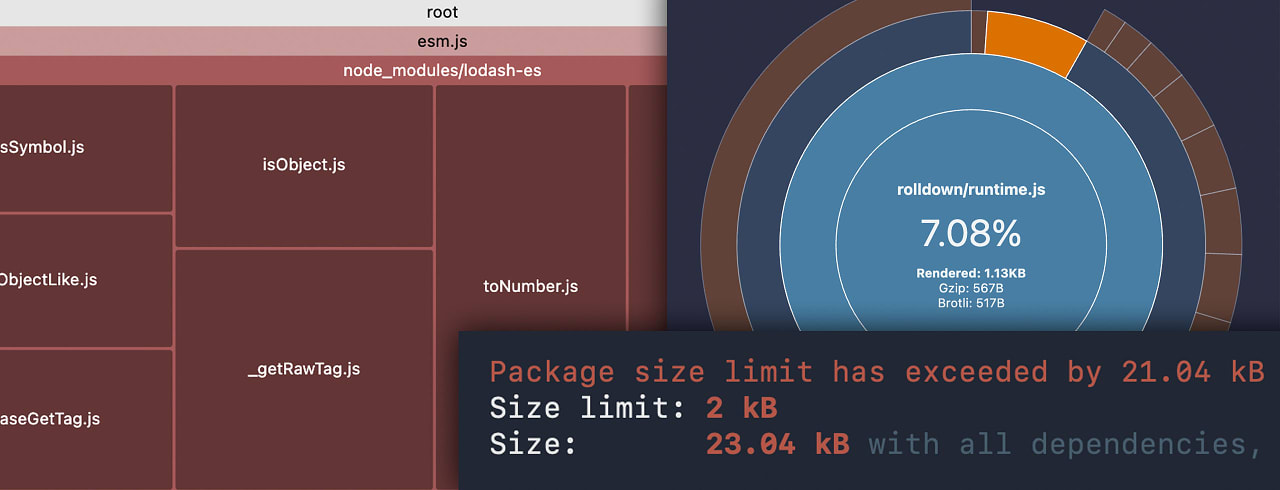
As bundle sizes continue to be a primary concern, tools like Andrey Sitnik’s Size Limit are becoming essential. By setting a hard budget—and failing CI pipelines if that budget is exceeded—teams are reclaiming control over the "bloat" that often creeps into modern web applications.
Official Perspectives and Industry Response
The discourse among framework maintainers and industry leaders reflects a move toward pragmatism.

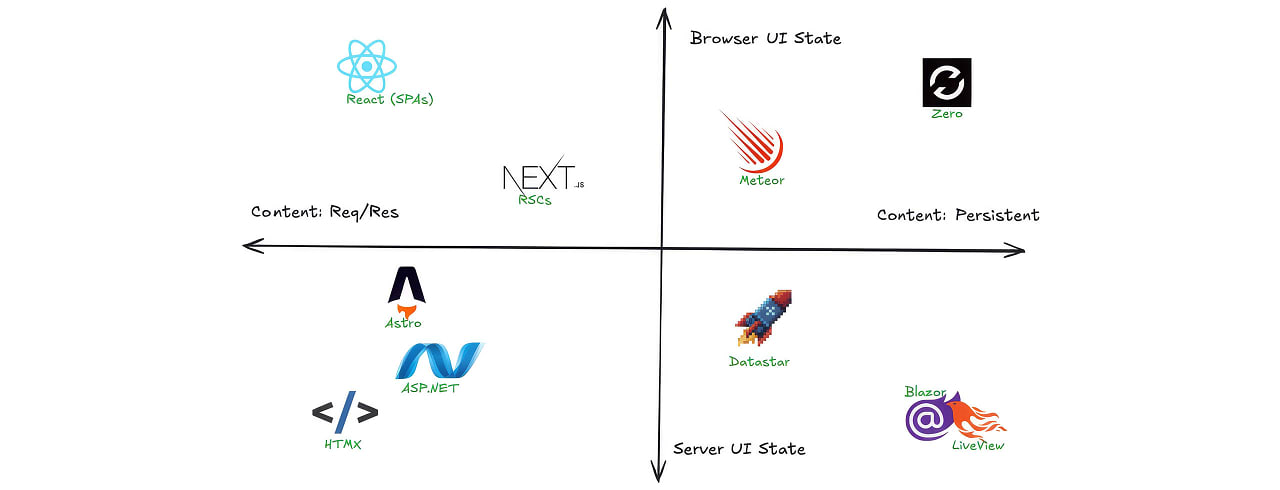
The "Grand Unifying" Theory: Ryan Carniato argues that the current "war" between architectures (HTMX vs. React vs. LiveView) is largely semantic. He posits that every frontend framework is ultimately trying to solve the same three problems: Navigation, Content delivery, and Instant UI feedback. By focusing on these three pillars, Solid 2.0 aims to provide a framework that doesn’t force a choice between server-side rendering and client-side interactivity, but rather provides a seamless spectrum.
The VoidZero Mission: Evan You, reflecting on four months of development at Cloudflare, emphasized that the goal isn’t just to make things faster, but to make them stable. The integration of type-aware linting and the Oxc compiler into the Vite ecosystem is a direct response to the community’s demand for professional-grade, reliable tooling that "just works" out of the box.
Implications for the Future of Web Development
The synthesis of these developments points to several inevitable shifts in how software will be built over the next few years.
1. The Death of Configuration Management
As Vite+ and similar meta-tools gain traction, the "config-heavy" era of frontend development is sunsetting. In the future, developers will likely spend less time tuning webpack.config.js or eslint.config.mjs and more time focusing on business logic. The "batteries-included" approach is no longer a luxury; it is becoming a requirement for maintaining developer velocity.
2. The Agentic Frontier
The mention of AI agents "coding, testing, and shipping" on platforms like Expo is not just marketing hyperbole; it is a preview of the next stage of software engineering. If an agent is writing the code, the underlying framework must be predictable and highly performant. AI agents struggle with "magic" and complex, hidden configuration bugs; they thrive on standard, unified toolchains. Consequently, the push toward standardization (like Vite+) is a necessary prerequisite for the agentic future.
3. The Performance-First Mindset
The success of Anthropic’s performance sprint serves as a wake-up call for the entire industry. It demonstrated that performance is not a "feature" to be added at the end of a project, but a continuous engineering discipline. Companies that fail to monitor their "time-to-typeable" or ignore the runtime costs of their CSS strategy will find themselves at a competitive disadvantage.
4. Pragmatism Over Dogma
Finally, the industry is shedding its dogmatic attachment to specific libraries. Whether it is moving away from CSS-in-JS or embracing Node.js built-ins over npm packages (as highlighted by Flavio Copes), the trend is toward using the platform effectively. Developers are realizing that the standard library is often more robust, performant, and stable than the latest "hyped" package on npm.
Conclusion
The web development community is currently in a state of productive maturation. By tackling technical debt, unifying fragmented toolchains, and critically evaluating the performance costs of modern abstractions, the ecosystem is preparing itself for a new wave of scale. As we look toward the horizon, the combination of AI-assisted development and highly optimized, unified build systems promises a future where the friction of "setting up the environment" is replaced by the joy of building the product.
The lessons of the last month are clear: when we reduce complexity, we increase speed. When we unify our tools, we empower our developers. And when we prioritize the user’s experience—as Anthropic did with Claude—we set a new standard for what the web can be.