










In a normal economic ecosystem, the lifecycle of consumer electronics follows a predictable, well-worn path. When a tech manufacturer launches a flagship smartphone, consumers expect a premium price tag that reflects the bleeding-edge research, development, and marketing poured into the device. However, as the months tick by, depreciation sets in. Half a year after launch, customary retail physics take over: prices drop, promotional bundles emerge, and early adopters watch as their high-end investments become slightly more accessible to the broader public.
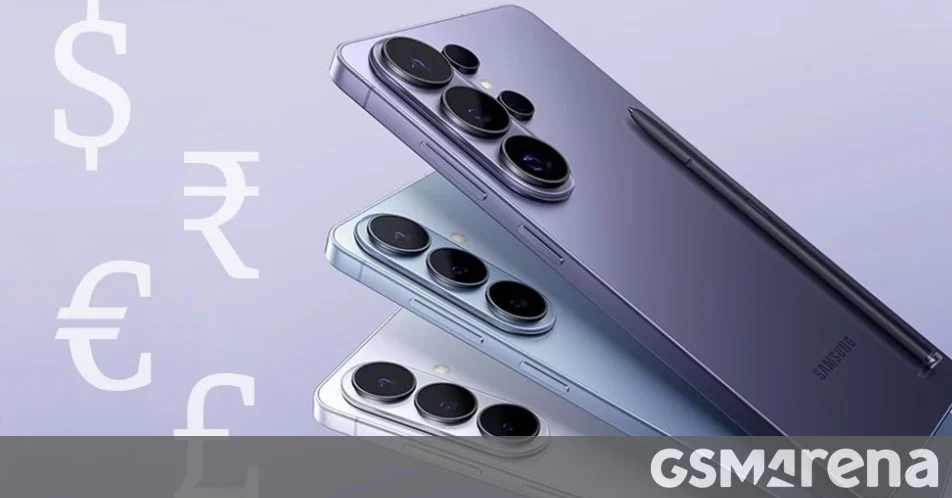
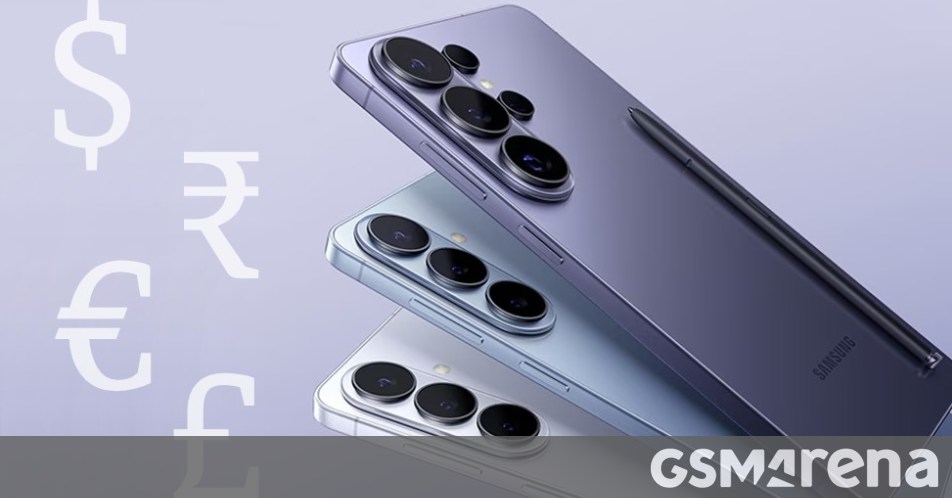
For the Samsung Galaxy S26 lineup, however, consumer expectations have been thoroughly upended. In a move that has baffled industry analysts and frustrated prospective buyers, Samsung has officially bucked historical trends by raising the prices of its flagship Galaxy S26 series devices by at least $100 globally—with certain top-tier configurations seeing dramatic spikes of up to $200.
This unexpected mid-cycle price correction is not a localized glitch or an isolated regional anomaly. A comprehensive review of Samsung’s official online storefronts reveals a widespread, coordinated pricing adjustment affecting major markets including the United States, Canada, the United Kingdom, mainland Europe, and India. As inflation bites, supply chains remain pressurized, and major tech conglomerates recalibrate their profit margins, the smartphone industry is entering a strange new era where flagship devices actually appreciate—or at least hold unyielding lines—months after hitting shelves.
Main Facts: The Anatomy of the Galaxy S26 Price Surge
The scope of Samsung’s unexpected pricing revision is remarkably broad. Buyers visiting regional Samsung webstores will find that the Galaxy S26, Galaxy S26+, and Galaxy S26 Ultra are noticeably more expensive than they were when they debuted just months ago.
While the Fan Edition variant—the Galaxy S26 FE—has mercifully escaped this wave of increases, the core flagship trio has absorbed heavy blows across almost all storage tiers.
- The United States: Base prices for the Galaxy S26 models have jumped by $100 across the board. The 1TB variant of the flagship Galaxy S26 Ultra has seen an even steeper $200 surge, pushing the direct manufacturer price to a staggering $2,000.
- Europe: European consumers, already accustomed to steep import and value-added taxes, are facing uniform €100 bumps on standard configurations, with the ultra-high-end storage models climbing even higher.
- The United Kingdom: British buyers are seeing proportional increases in British Pounds (£), echoing the upward trajectory observed across the Atlantic and compounding an already costly tech-buying environment.
- India and Canada: Both regions report similar upward adjustments, proving that Samsung’s new pricing strategy is truly global in scale and deeply intentional.
To fully understand the weight of this hike, one must remember that the Galaxy S26 series was already introduced at a higher baseline than its predecessor, the Galaxy S25 series, in several markets. Layering an additional mid-cycle price increase on top of an already expensive launch lineup has transformed these devices into luxury investments rather than standard consumer upgrades.
Regional Price Comparison Breakdown
| Region & Model | Storage Tier | Previous Generation (S25) | S26 Launch Price (Before) | Current S26 Price (Now) |
|---|---|---|---|---|
| US: Galaxy S26 Ultra | 256GB / 512GB / 1TB | $1,300 / $1,420 / $1,660 | $1,300 / $1,500 / $1,800 | $1,400 / $1,600 / $2,000 |
| US: Galaxy S26+ | 256GB / 512GB | $1,000 / $1,120 / — | $1,100 / $1,300 / — | $1,200 / $1,400 / — |
| US: Galaxy S26 | 256GB / 512GB | $860 / — / — | $900 / $1,100 / — | $1,000 / $1,200 / — |
| Europe: S26 Ultra | 256GB / 512GB / 1TB | €1,470 / €1,590 / €1,830 | €1,450 / €1,650 / €1,920 | €1,550 / €1,750 / €2,150 |
| UK: S26 Ultra | 256GB / 512GB / 1TB | £1,250 / £1,350 / £1,550 | £1,280 / £1,450 / £1,530 | £1,360 / £1,530 / £1,860 |
Chronology: How We Got Here
To trace the timeline of this pricing disruption, we must look backward to the initial launch windows of recent mobile generations.
Historically, smartphone manufacturers utilized a predictable depreciation schedule. A device would launch in the winter or spring, command top-dollar for its first quarter on the market, and then experience gradual retail discounts catalyzed by holiday sales, carrier promotions, and the introduction of mid-tier alternatives.
When Samsung unveiled the Galaxy S26 lineup, industry insiders noted an initial reluctance to offer deep early-bird discounts. Unlike previous years, where trade-in values and bundle deals heavily subsidized the cost of upgrading, the S26 series debuted with tighter margins and higher baseline figures than the Galaxy S25 family.
Despite consumer grumbling, buyers assumed the market would eventually self-correct. Summer approached, and analysts anticipated the customary price cuts designed to clear inventory ahead of foldable phone releases and autumn product cycles. Instead, silence from Samsung’s marketing departments was broken by quiet backend updates to regional pricing portals. Overnight, price tags on official online stores were adjusted upward.
This move did not happen in a vacuum. It represents the culmination of a broader industry shift that has been building momentum over the past twenty-four months.
Supporting Data: A Wider Industry Trend
Samsung is not acting as a rogue agent in an otherwise stable market. The company’s decision to hike mid-cycle prices is part of a sweeping, macro-level realignment across the entire consumer electronics sector.
Analyses of competitor pricing models demonstrate a unified front among major hardware manufacturers:
- Apple: Cupertino made waves with grand price increases across its flagship lineups, proving that the demand for premium mobile hardware is perceived as price-inelastic by market strategists.
- Google: Mountain View followed suit, confirming widespread price hikes across its Pixel hardware ecosystem, citing increased production complexities and component overhead.
- The Road Ahead: Market intelligence and supply chain leaks suggest that relief is nowhere in sight. Early rumors concerning the upcoming Galaxy S27 series indicate that next year’s generation will launch with yet another baseline price increase, cementing these elevated costs as the new industry standard.
When every dominant player in the smartphone duopoly (and their primary Android competitor) moves in lockstep to raise prices, consumers are left with few viable alternatives if they wish to remain on the cutting edge of mobile technology.
Official Responses and Market Rationalization
As consumer backlash mounted across forums, tech blogs, and social media channels, tech giants have offered various justifications for these unprecedented shifts. While Samsung has largely allowed the updated webstore prices to speak for themselves, corporate communications from major electronics manufacturers over the past year have consistently pointed to several systemic pressures:
- Rising Silicon and Component Costs: The integration of advanced AI coprocessors, next-generation camera sensors, and high-density memory modules (RAM and storage) has driven up bill-of-materials (BOM) costs significantly.
- Global Currency Fluctuations: With the US dollar experiencing volatility against regional currencies in Europe, the UK, and Asia, maintaining static international pricing has become financially untenable for multinational corporations trying to protect their profit margins.
- Extended Support Lifecycles: Manufacturers argue that extended software support windows—often promising up to seven years of major OS upgrades—require heavier upfront investments in long-term infrastructure, engineering, and security maintenance, costs that are increasingly being baked into the initial and ongoing hardware pricing.
Despite these corporate rationalizations, consumer advocacy groups and everyday buyers remain unconvinced, viewing the hikes as a predatory response to captive markets where smartphones have transformed from optional luxury gadgets into indispensable daily utilities.

Implications: What This Means for Consumers and the Market
The decision by Samsung and its peers to raise prices months after a product launch carries profound implications for the future of the mobile ecosystem.
1. The Stagnation of Upgrades
With a base Galaxy S26 or an Ultra model demanding significantly more capital, casual upgraders are expected to hold onto their existing devices for much longer. The traditional two-year upgrade cycle—already stretching toward three or four years—will likely see a dramatic expansion. Consumers simply cannot justify paying upward of $1,000 to $2,000 for incremental annual improvements.
2. The Rise of the Secondary and Refurbished Markets
As brand-new flagships drift further out of reach for the average wage earner, the market for certified refurbished devices and previous-generation hardware (such as the Galaxy S25 series or discounted FE models) is poised for explosive growth. Savvy shoppers are increasingly realizing that buying a lightly used phone from a generation prior offers 90% of the experience at a fraction of the cost.
3. Shift Toward Third-Party Retailers and Alternative Deals
While Samsung’s official webstore may display these inflated prices, consumers are turning to alternative procurement methods. Savvy buyers are leveraging third-party platform deals, carrier-specific trade-in programs, and affiliate promotions to bypass manufacturer price gouging. (For instance, independent retail channels and online marketplaces occasionally list hardware well below official direct-to-consumer rates, providing a much-needed financial safety valve for budget-conscious tech enthusiasts).
4. A Permanent Baseline Shift
Perhaps the most worrying implication for consumers is that prices rarely retreat once they are artificially inflated. By successfully pushing higher price points onto the market mid-cycle, Samsung is testing the absolute ceiling of what consumers are willing to pay. If the strategy succeeds—or if sales volume remains steady enough among enterprise buyers and affluent early adopters—these elevated figures will serve as the permanent floor for all future smartphone generations.
Conclusion
Samsung’s mid-cycle price hike on the Galaxy S26 series serves as a stark reminder that the consumer electronics landscape has fundamentally changed. The days of predictable depreciation, where waiting six months meant scoring a bargain on a slightly older flagship, are officially behind us.
As Samsung, Apple, and Google lock arms in favor of higher margins and more expensive product tiers, consumers must navigate an increasingly costly digital world. Whether through extended device retention, a pivot toward the booming refurbished market, or a careful hunt for third-party affiliate discounts, buyers will need to adapt quickly to Opposite World—where flagship phones defy gravity and only ever climb higher.



