Main Facts
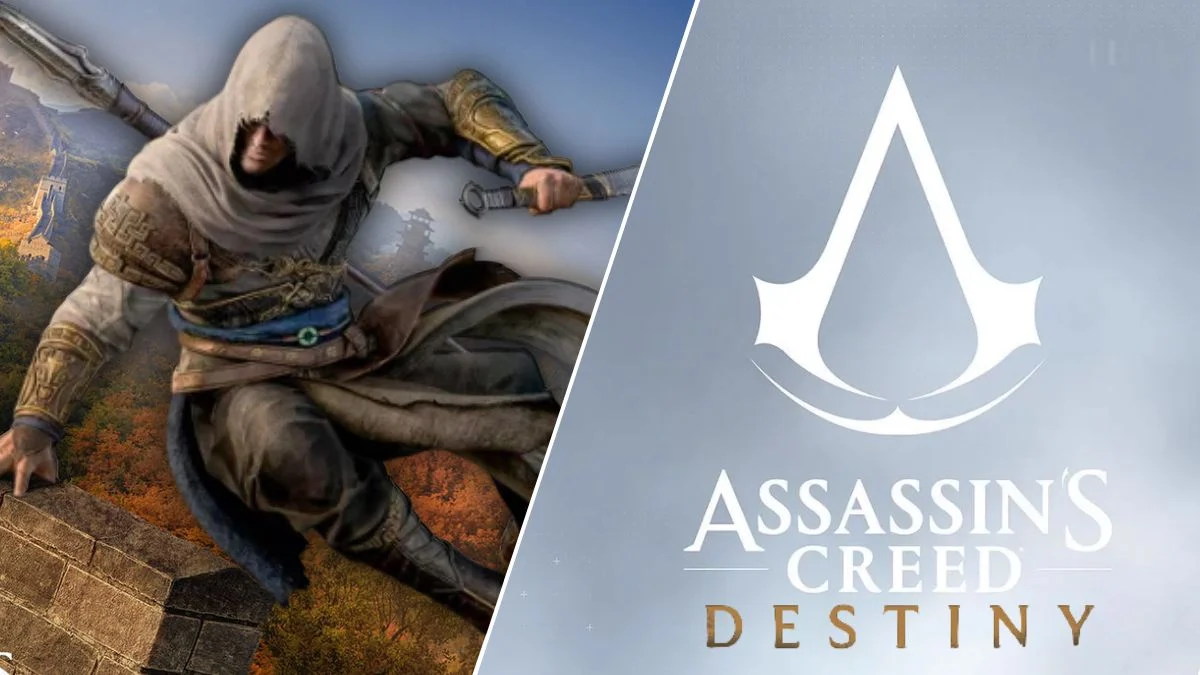
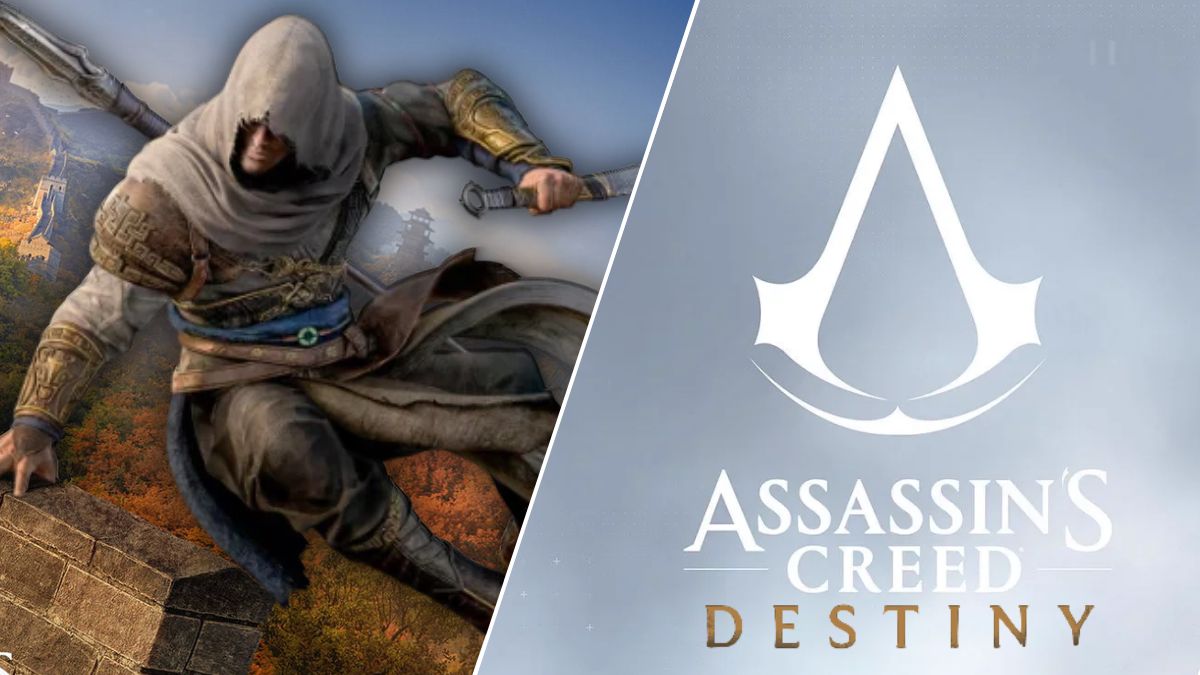
The Assassin’s Creed franchise has long captivated global audiences by transporting players to meticulously recreated historical epochs, from ancient Egypt to the golden age of piracy and feudal Japan. However, the sprawling historical sandbox almost featured another journey deep into ancient China. Newly surfaced gameplay footage, concept art, and internal documentation have brought to light Assassin’s Creed Destiny—an ambitious, unannounced project that never saw the light of day.
Developed as a collaborative venture between French gaming titan Ubisoft and a specialized branch of Chinese tech conglomerate Tencent, Destiny was positioned to be a major narrative-driven installment rather than a casual mobile spin-off. The game was set during one of the most volatile and culturally transformative eras in Chinese history: the Qin Dynasty in 206 BCE.
Leaked internal builds, predominantly originating from a February 2025 prototype, showcase a wealth of core gameplay pillars familiar to the franchise alongside striking regional innovations. Players would have stepped into the boots of a lethal female assassin tasked with infiltrating heavily guarded military palaces, executing silent stealth takedowns, and tracking down a powerful, mysterious Isu artifact. The project’s unique identity was further emphasized by distinct cultural aesthetics, including ability icons styled after traditional ink-brush artwork, heads-up display (HUD) elements inspired by the Yin-Yang philosophy, and a devastating spinning umbrella weapon that blended deadly martial utility with period-appropriate grace.
Despite showing immense promise—complete with high-fidelity parkour, classic Assassin’s Creed stealth mechanics, breathtaking architectural design, and a cinematic boss encounter against the legendary historical warlord Xiang Yu—the project was quietly shelved. The cancellation followed internal corporate restructuring at TiMi Studio Group, a subsidiary of Tencent.
While Assassin’s Creed Destiny will never grace store shelves, its unearthing offers a rare, fascinating glimpse into the volatile behind-the-scenes realities of AAA game development, cross-continental partnerships, and the shifting strategies of the modern gaming industry.
Chronology of Development and Cancellation
To understand how Assassin’s Creed Destiny came to be—and why it ultimately vanished—it is necessary to examine the timeline of its development, partnership dynamics, and sudden termination.
The Genesis of a Sino-Western Alliance
The origins of Assassin’s Creed Destiny trace back to a broader strategic initiative by Ubisoft to expand its premier franchise into Asian markets through heavy collaboration with powerhouse Asian publishers. While Ubisoft was already developing Assassin’s Creed Jade—an open-world mobile game set in ancient China—leadership at Tencent recognized an appetite for a grander, more traditional console and PC experience tailored to the region’s rich historical tapestry.
By leveraging Tencent’s vast development infrastructure, specifically through structural units like the TiMi Studio Group, the partnership aimed to combine Ubisoft’s world-building expertise with Tencent’s production scale. Early conceptualization of Destiny began several years prior to its leak, targeting the turbulent collapse of the Qin Dynasty around 206 BCE—a period characterized by shifting loyalties, epic warfare, and the power struggles that eventually gave rise to the Han Dynasty.
The February 2025 Prototype
For a long time, Destiny existed purely as a whisper within industry inner circles. However, the project reached a critical milestone in early 2025. The recently leaked footage stems directly from a comprehensive internal development build dated February 2025.
This prototype was not a bare-bones conceptual pitch; it was a functioning vertical slice. It demonstrated advanced enemy artificial intelligence, complex interior and exterior palace infiltration routes, fully animated parkour systems, and the iconic Assassin’s Creed "Leap of Faith." Furthermore, the prototype featured early implementations of dynamic boss battles, most notably an interactive encounter with the iconic historical figure Xiang Yu, showcasing the game’s ambition to blend historical mythos with traditional franchise storytelling.
Restructuring and the Axe
Despite the positive trajectory of the February 2025 build, dark clouds were gathering on the corporate horizon. Tencent began undergoing a significant internal realignment. As part of a broader corporate strategy shift away from costly Western studio partnerships—and a pivot toward focusing internal resources on locally published, casual, and high-retention live-service games—subsidiaries like TiMi faced sweeping structural overhauls.
Projects that did not directly align with Tencent’s evolving financial matrix were subjected to intense scrutiny. Sometime following the compilation of the February 2025 prototype, the decision was made to pull the plug on Assassin’s Creed Destiny. Development was halted, the teams were reassigned, and the game was consigned to the growing graveyard of unreleased AAA video game concepts. The existence of the project only became public knowledge months later through investigative reporting by outlets like MP1st and subsequent data leaks that dumped screenshots, code snippets, and gameplay video into the public sphere.
Supporting Data and Technical Breakdown
The leaked assets for Assassin’s Creed Destiny provide a treasure trove of technical and design data that reveals how the developers intended to adapt the legendary franchise formula to ancient China.
Setting the Scene: The Qin Dynasty (206 BCE)
The choice of 206 BCE places Destiny at the absolute precipice of the fall of the Qin Dynasty. This era is historically rich, defined by the aftermath of Qin Shi Huang’s brutal unification of China, the standardization of laws and writing, and the subsequent peasant rebellions that tore the empire apart. In the leaked footage, this tension is reflected in the architectural design: imposing, brutalist stone palaces adorned with sweeping tiled roofs, red lacquer pillars, and heavily armored imperial guards patrol every corridor.
Core Gameplay Mechanics
The leaked gameplay validates that Destiny was designed to respect the traditional pillars of the Assassin’s Creed identity while carving out its own mechanical niche:
- Infiltration & Stealth: The unnamed female protagonist is shown navigating rafters, utilizing shadows, and executing seamless corner assassinations.
- Traversal: Fluid parkour animations allow the player to scale ornate Chinese palace walls, leap across tiled roofs, and execute the signature Leap of Faith into traditional haystacks or water carts.
- Combat Innovation: Moving away from standard sword-and-shield combat, the protagonist wields a distinctive spinning umbrella weapon. This item serves a dual purpose: acting as a defensive shield against incoming arrows and a lethal bludgeoning or slashing tool in close-quarters combat.
- Cultural UI Integration: The user interface heavily leaned into local motifs. Ability cooldowns and skill trees were framed by flowing ink-brush aesthetic strokes, while health and status meters utilized minimalist Yin-Yang iconography.
Comparative Scale: Destiny vs. Jade
Industry analysts and fans immediately drew comparisons between Destiny and Assassin’s Creed Jade, the mobile-focused title also set in ancient China. While Jade targeted iOS and Android platforms with touch-screen controls and a massive open-world structure, Destiny was unmistakably built for high-end hardware. The environmental fidelity, lighting models, texture resolutions, and complex physics interactions seen in the leaked February 2025 build clearly pointed toward a targeted release on current-generation consoles (PlayStation 5, Xbox Series X/S) and high-end PC rigs.
Official Responses and Corporate Silence
In the wake of major video game leaks, the standard industry playbook usually involves aggressive copyright strikes, swift DMCA takedowns, and blanket "no comment" statements from corporate communications departments. The emergence of Assassin’s Creed Destiny has largely followed this traditional, albeit muted, path.
Ubisoft’s Positioning
Ubisoft has maintained strict silence regarding the specific existence and cancellation of Assassin’s Creed Destiny. Given that the project was primarily spearheaded by Tencent’s TiMi branch with Ubisoft acting as an IP licensor and collaborative partner, the financial and operational burden of the cancellation fell heavily on the Chinese conglomerate’s shoulders.
Ubisoft’s official public relations strategy remains laser-focused on its heavily marketed, internally controlled roadmap. The French publisher is currently managing a massive portfolio of upcoming franchise entries, including the feudal Japan-set Assassin’s Creed Shadows, the mobile-focused Assassin’s Creed Jade, and the highly anticipated, non-RPG magical mystery Assassin’s Creed Hexe. Acknowledging a cancelled collaborative side-project would do little to serve Ubisoft’s current marketing objectives, leading corporate leadership to treat the leak as background noise.
Tencent and TiMi’s Realignment
Tencent has likewise declined to issue a detailed post-mortem regarding the closure of the project. However, industry insiders have corroborated that the cancellation aligns with Tencent’s broader corporate recalibration. Facing tightening regulatory scrutiny in domestic markets and shifting global economic headwinds, major Chinese tech giants have actively trimmed their sails. Cost-intensive ventures involving overseas intellectual property—especially those requiring years of expensive, iterative AAA development cycles without guaranteed live-service monetization models—have increasingly been sidelined in favor of leaner, more reliably profitable mobile titles and domestic IP creations.
Broader Implications for the Franchise and Industry
While Assassin’s Creed Destiny is dead, its brief emergence and untimely demise carry profound implications for both Ubisoft’s long-term franchise strategy and the broader economics of global game development.
Ubisoft’s Diversification and Creative Direction
The cancellation of Destiny highlights the complexities of Ubisoft’s multi-studio, cross-continental production model. In recent years, Ubisoft has aggressively sought to expand Assassin’s Creed into an omnipresent ecosystem, spearheaded by the Assassin’s Creed Infinity hub. This strategy involves farming out different eras and genres to various internal and external studios.
However, relying on external partners introduces inherent volatility. Cultural misalignments, shifting corporate priorities, and communication hurdles across continents can derail projects years into production. The fact that Destiny was axed despite showing a highly polished vertical slice proves that high quality alone is no longer enough to save a game in a risk-averse corporate climate; it must fit a precise strategic and financial puzzle.
The Shift Toward Linear Experiences
Interestingly, the leak of Destiny arrives at a time when the Assassin’s Creed fanbase is experiencing fatigue with the bloated, hundred-hour open-world RPG formula pioneered by Origins, Odyssey, and Valhalla. Fans have increasingly vocalized a desire for tighter, more narrative-focused, linear experiences reminiscent of the franchise’s golden era.
Ubisoft appears to be listening, albeit slowly. The upcoming Assassin’s Creed Hexe—slated tentatively for a late 2027 release window—is heavily rumored to abandon the traditional expansive RPG template in favor of a darker, more linear, and atmospheric witch-hunt narrative set in 16th-century Europe. In many ways, the stealth-heavy, palace-infiltration gameplay loop showcased in Destiny tapped directly into this desired classic style, making its loss all the more painful for purists who longed for a pure stealth-action adventure in ancient China.
What Remains for Fans of Ancient China?
Despite the heartbreak over Destiny, fans yearning to explore historical China within the Assassin’s Creed universe are not entirely out of options. Assassin’s Creed Jade remains actively in development, continuing to target mobile platforms with an open-world recreation of the Qin Dynasty.
However, for core console and PC gamers who prefer a traditional controller-in-hand experience without microtransactions or mobile UI constraints, the cancellation of Destiny leaves a gaping void. Whether Ubisoft will eventually pivot its own internal studios to revisit ancient China in a future mainline console release remains to be seen.
As the gaming industry continues to navigate waves of corporate restructuring, studio closures, and changing consumer habits, Assassin’s Creed Destiny will be remembered as a magnificent ghost—a glimpse of what could have been, lost to the shifting sands of corporate strategy and global economics.