






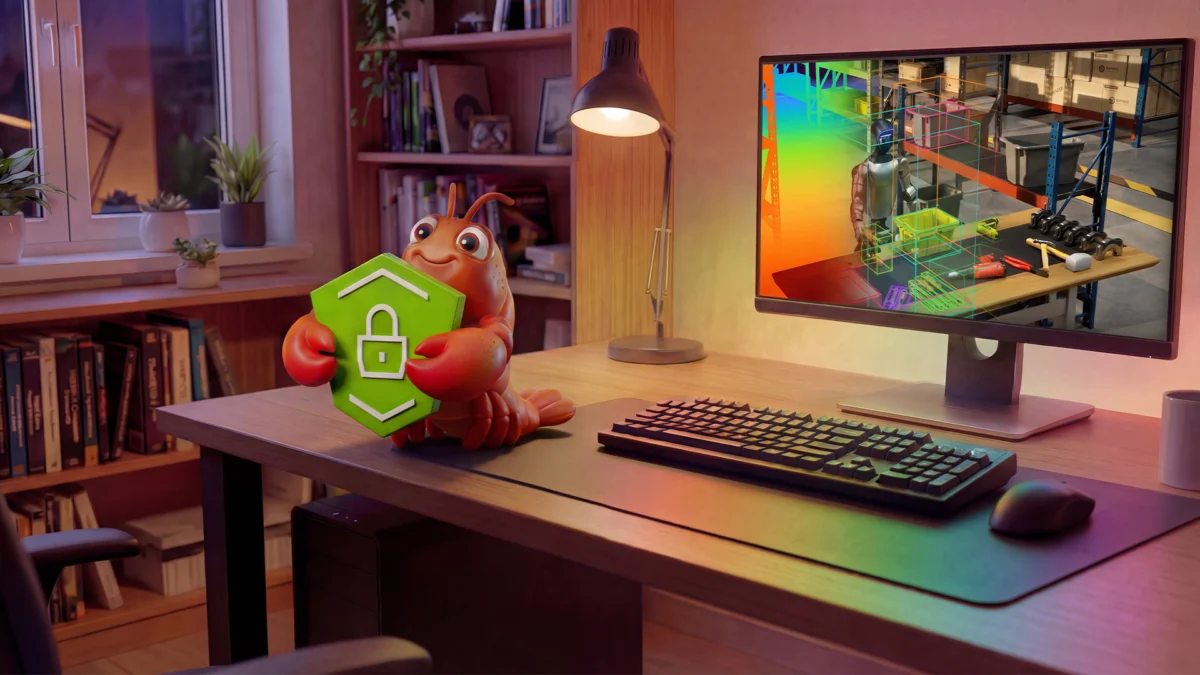
At this year’s SIGGRAPH conference in Los Angeles, running through Thursday, July 23, the boundaries between digital simulation and physical reality are dissolving. NVIDIA, a perennial leader in computer graphics, has utilized the industry’s premier stage to demonstrate how the convergence of neural rendering, world models, and generative AI is fundamentally transforming how both humans and machines create and inhabit virtual environments.
The conference, which serves as the global nexus for computer graphics and interactive techniques, is hosting a flurry of announcements from NVIDIA and its ecosystem partners. From real-time 4K neural rendering to on-device "super agents" for creative professionals, the narrative at SIGGRAPH 2026 is clear: we are entering the era of Physical AI.
The Keynote: Mapping the Next Era of Graphics
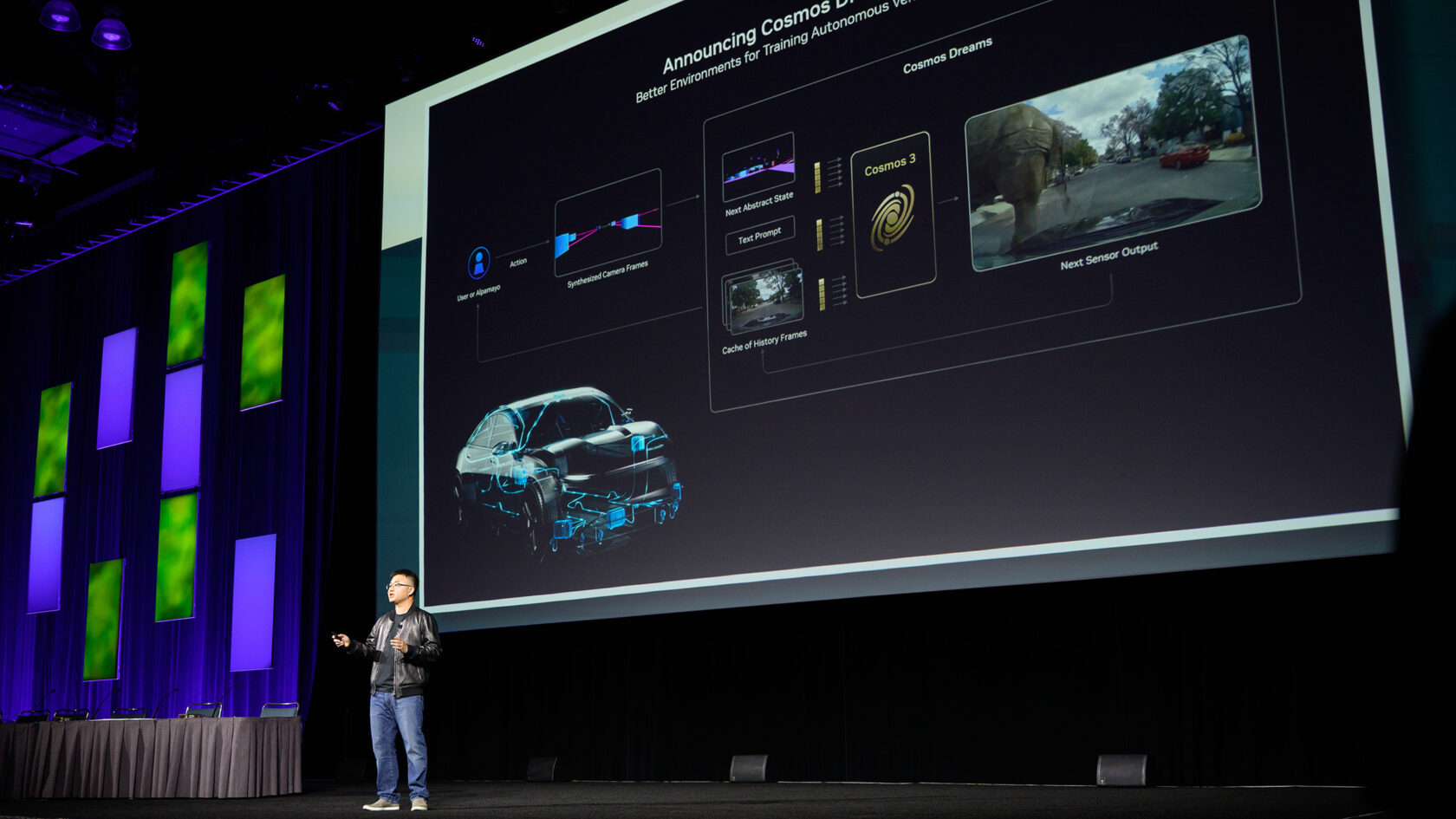
The central event of the conference, the NVIDIA keynote, featured a high-level briefing from AI research and engineering leaders Neil Ashton, Edward Liu, and Ming-Yu Liu. The trio detailed how NVIDIA’s latest innovations are being applied across creative tools, industrial design, and autonomous robotics.
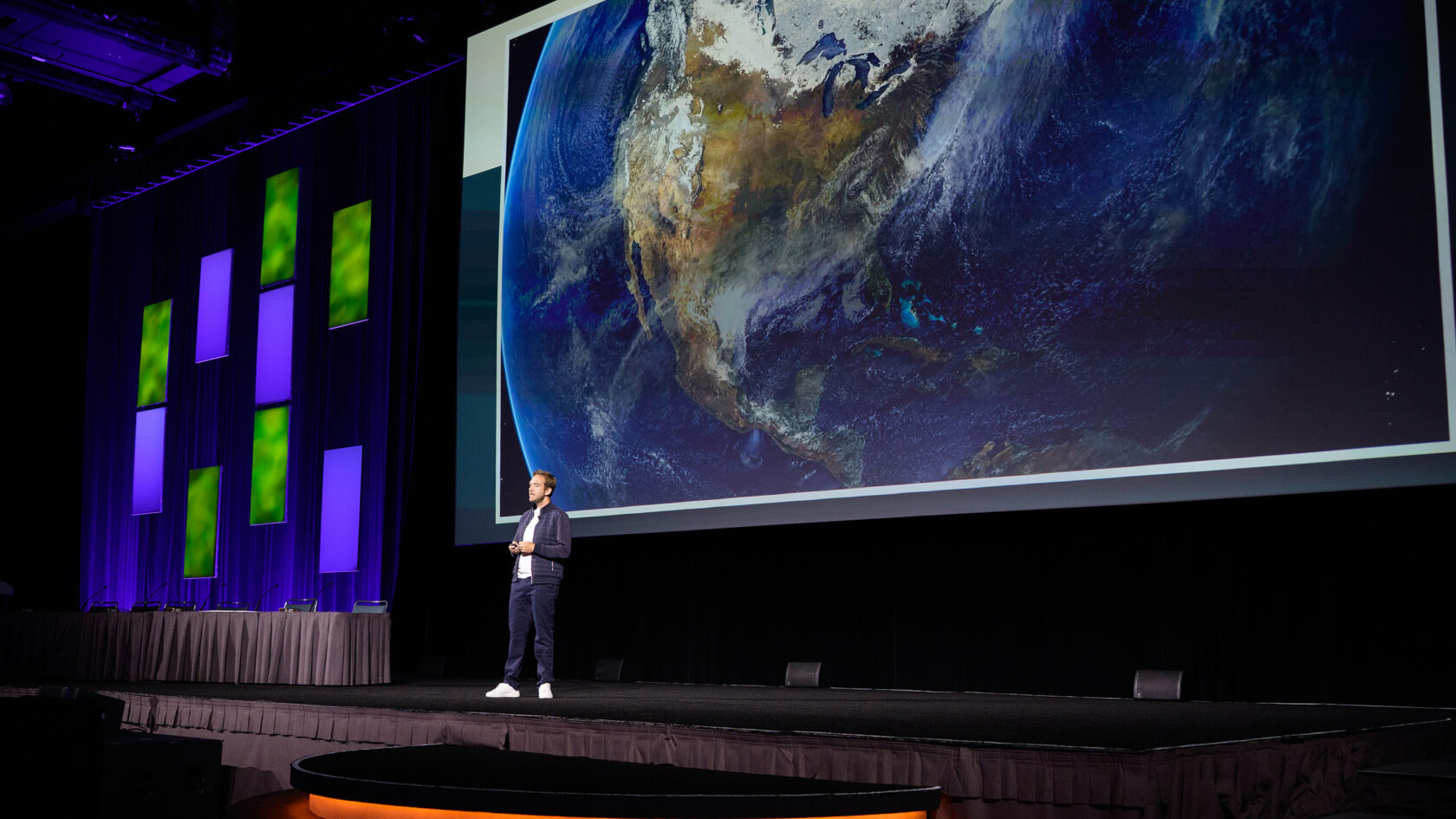
NVIDIA founder and CEO Jensen Huang set the stage via an introductory address, emphasizing that the mission is to create virtual worlds that possess the fidelity and realism of the physical world. "Creators and designers need tools powerful enough to expand their imagination, malleable enough to give them the freedom to shape ideas, and precise enough to realize their vision exactly as intended," Huang noted.
Bridging the Gap: Neural Rendering and Physics
Edward Liu, Director of Applied Deep Learning Research at NVIDIA, opened the technical deep dive by unveiling advancements in 3D-guided neural rendering. The research addresses three industry-defining hurdles: preserving precise artistic intent, ensuring temporal stability across video frames, and achieving real-time 4K rendering. "Simulation defines the world, generation enriches its appearance, and artists direct the outcome," Liu explained, positioning AI as the natural successor to programmable shaders and ray tracing.
Following this, Distinguished Engineer Neil Ashton shifted the focus to AI physics. The NVIDIA Earth-2 project, which uses AI models trained on massive simulation data, is now enabling climate scientists to run simulations at unprecedented resolutions. This success is being translated into industrial applications, including automotive aerodynamics and data center thermal design. Ashton highlighted that NVIDIA’s latest architectures can compress model checkpoints by a factor of one million, allowing for physically accurate visualizations to be generated in under a second.
The Rise of Agentic Workflows: MCP Integration
Perhaps the most practical development for creative professionals is the widespread adoption of the Model Context Protocol (MCP). For decades, NVIDIA has powered the "Digital Content Creation" (DCC) tools used by film and game studios. Now, those tools are becoming "agent-ready."
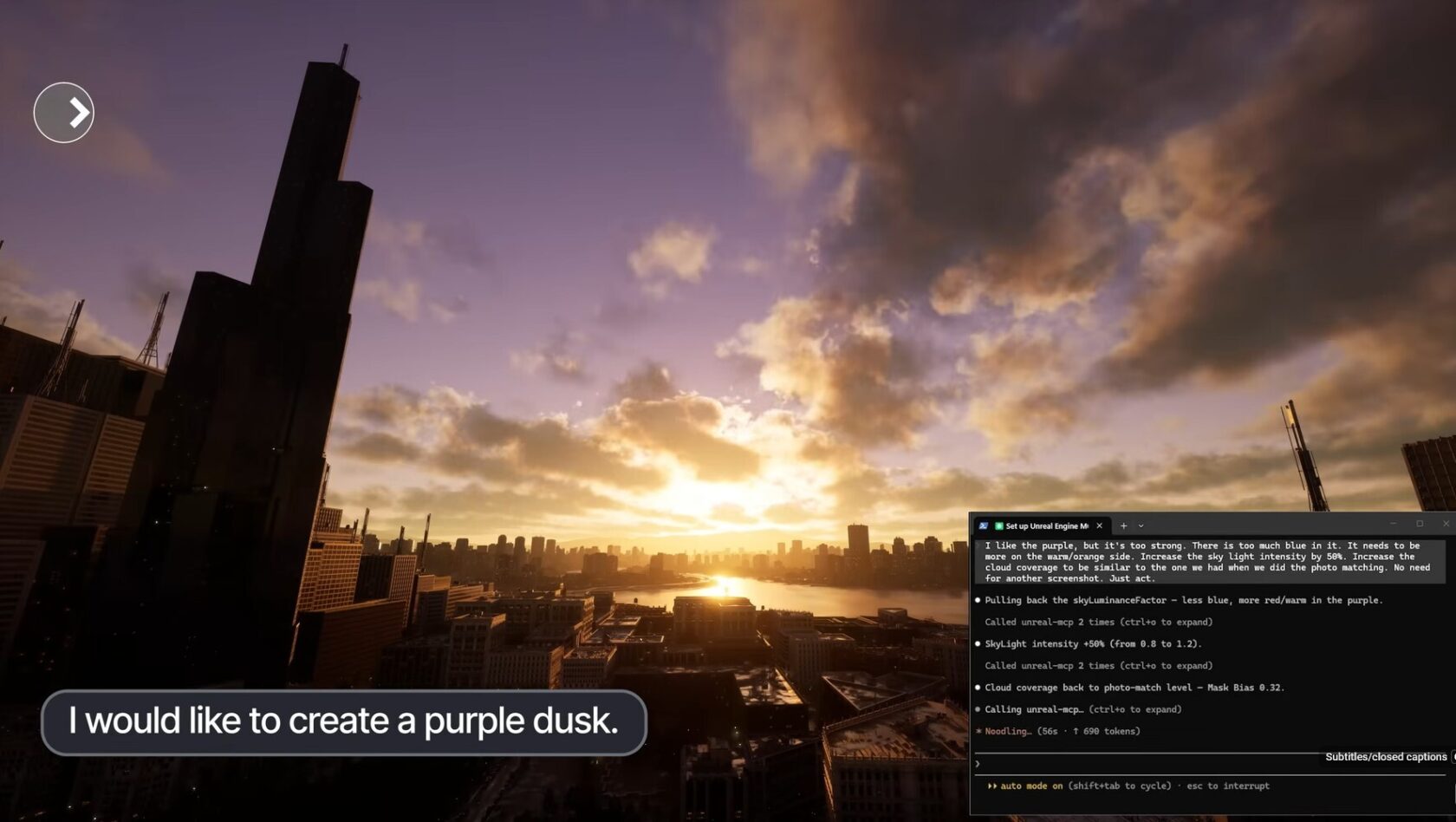
By opening MCP connections, applications like Adobe Creative Cloud, Blender, Boris FX Silhouette, and Unreal Engine are allowing AI agents to work directly within the software environments where edits happen. An artist can now ask an AI agent to inspect a scene for missing textures, flag color management errors, or generate playblasts, all while the human remains the final decision-maker.
The creative ecosystem is rapidly integrating this capability:
- Adobe: Expanding its creative agent across Firefly and Creative Cloud, allowing for multi-step workflow orchestration.
- Affinity by Canva: Introducing an AI Connector for Claude, enabling natural-language automation for repetitive production tasks.
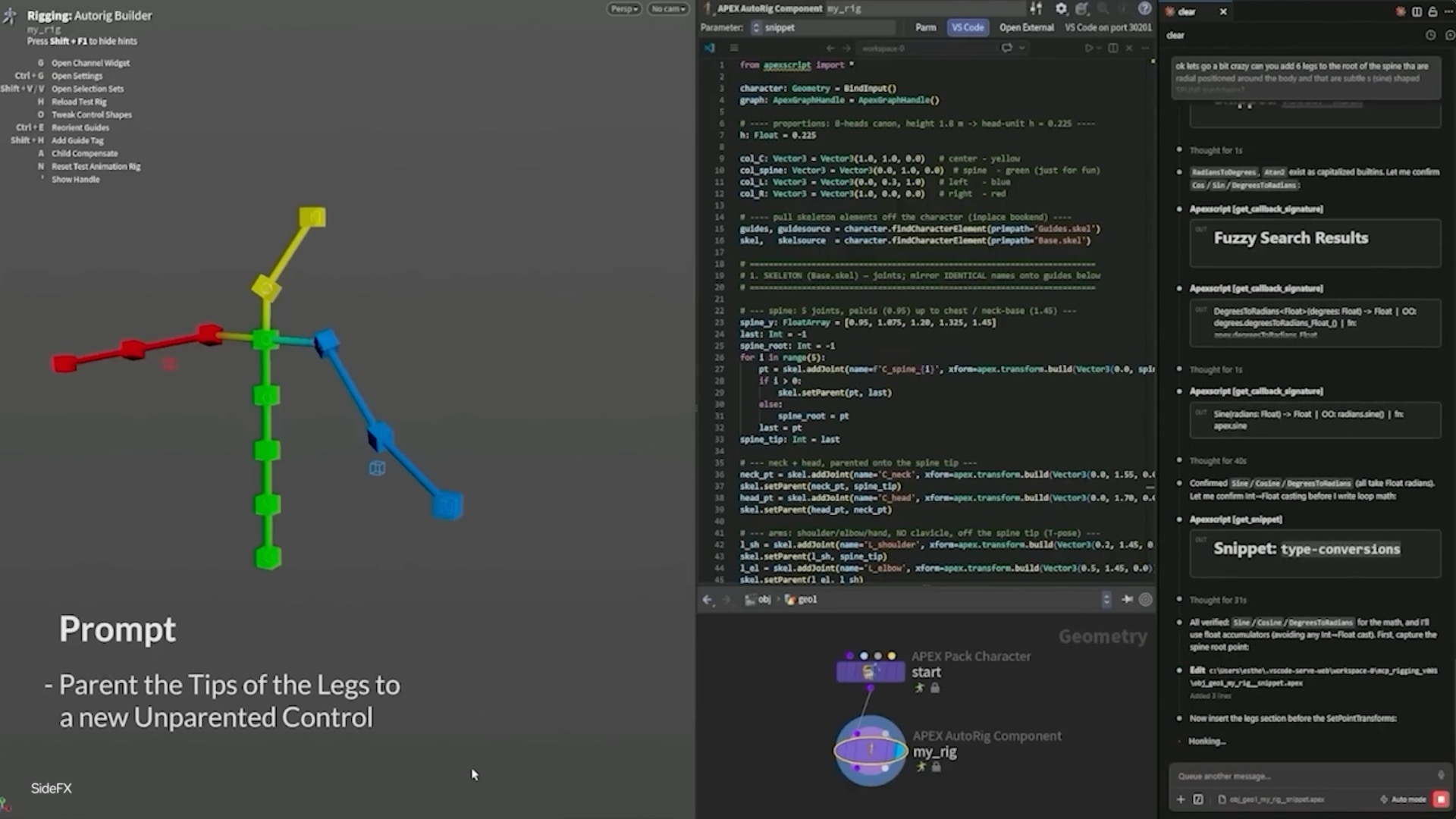
- SideFX: Bringing MCP support to Houdini 22, focusing on procedural character rigging through APEX Script.
- Unreal Engine: Enabling AI clients to interact with editor capabilities, allowing agents to reason over complex project states and assets.
Synthetic Video Detection: Preserving Editorial Trust
In an era of deepfakes and AI-generated content, verifying the authenticity of video has become a critical challenge for newsrooms and media organizations. NVIDIA introduced the Synthetic Video Detector NIM microservice, designed to provide a reliable signal for editorial teams.
Rather than acting as an automated "truth judge," the microservice provides a classifier score indicating the likelihood of synthetic content. The tool is robust enough to handle the compression and re-encoding typical of social media workflows, maintaining accuracy rates of up to 82% to 92% depending on the compression level. Partners like Wowza are already embedding this microservice into their video intelligence frameworks, allowing for real-time verification in live-streaming environments.
NVIDIA Cosmos 3 Edge: Frontier AI on Local Hardware
A significant portion of the SIGGRAPH technical agenda was dedicated to the NVIDIA Cosmos 3 platform. The highlight is the newly available Cosmos 3 Edge, a 4-billion-parameter "omnimodel" specifically optimized for memory-efficient deployment on edge devices like the NVIDIA Jetson and RTX PRO systems.
Cosmos 3 Edge is designed to understand and generate text, image, video, and action—effectively acting as the "brain" for physical AI systems. Its mixture-of-transformers architecture allows robots to perceive their surroundings and execute tasks in real time without relying on cloud connectivity. This is a paradigm shift for industries where latency and privacy are paramount, such as autonomous vehicles, warehouse robotics, and smart city infrastructure.
Companies like Agile Robots, Doosan Robotics, and Siemens are currently evaluating the platform, signaling a move toward decentralized, on-device intelligence.
DGX Station: The Deskside Supercomputer
To support this surge in local AI, NVIDIA is promoting the DGX Station as the ultimate deskside supercomputer. When paired with the NVIDIA Agent Toolkit, developers can set up a professional-grade agentic environment in approximately 30 minutes.
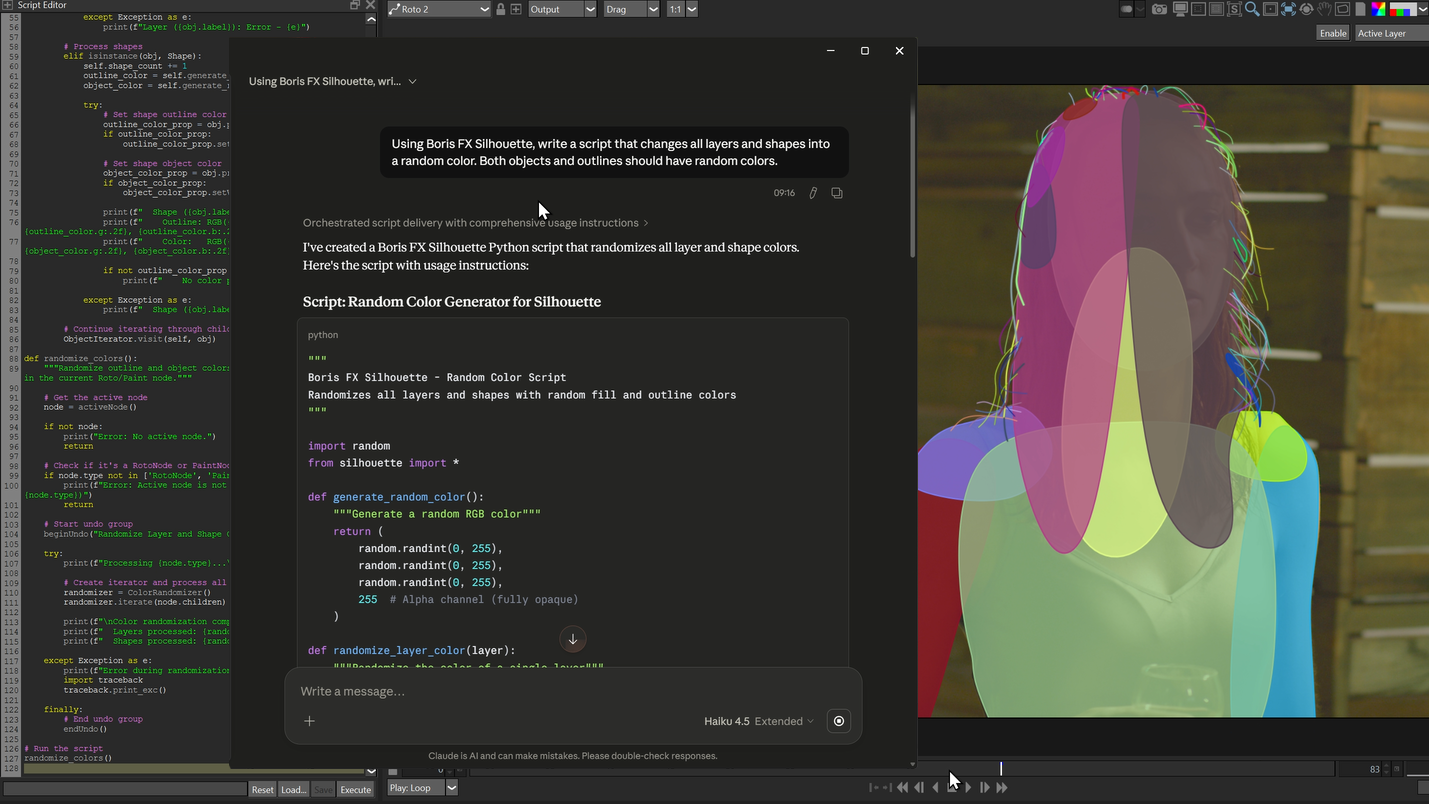
By running models like the Nemotron 3 Ultra locally, teams can avoid the recurring costs of cloud-based API tokens while keeping sensitive intellectual property—such as game assets or proprietary engineering designs—securely within their own infrastructure. The combination of hardware and software allows for "super agents" that can orchestrate specialized sub-agents, delegating complex 3D tasks to Omniverse tools while maintaining high-performance inference.
Research Breakthroughs: From Motion to Physics
NVIDIA’s commitment to academic rigor remains a cornerstone of its SIGGRAPH presence. With 21 accepted technical papers, the company is pushing the boundaries of what is possible in simulated motion and interaction.
Key Research Highlights:
- MotionBricks: A real-time motion model trained on over 350,000 clips that allows creators to direct character movements. Demonstrations showed the model driving both an on-screen avatar and a physical Unitree G1 humanoid robot simultaneously.
- GPC (Generative Physical Controllers): A framework that pretrains a single controller on large-scale human motion, giving robots transferable motor skills that carry over to entirely new tasks.
- ArtiFixer: A solution for transforming messy, real-world 3D scans into clean, complete virtual scenes, including a method for predicting photorealistic global illumination without ray tracing.
- Advanced Physics Solvers: New methods within the NVIDIA Newton engine that bring realistic behaviors to difficult materials like sand, snow, and elastic solids.
Implications for the Future
The announcements at SIGGRAPH 2026 reflect a transition from "AI as a tool" to "AI as an environment." By integrating foundation models directly into creative software (via MCP) and edge hardware (via Cosmos 3), NVIDIA is effectively standardizing the "physical" capabilities of digital systems.

For the creative professional, this means less time spent on the "plumbing" of production—renaming layers, resizing assets, or fixing broken textures—and more time on the conceptual side of design. For the robotics and industrial sectors, it means the ability to deploy sophisticated, world-aware AI in environments that were previously inaccessible due to latency or security constraints.
As the SIGGRAPH conference draws to a close, the consensus among attendees and industry analysts is clear: NVIDIA’s ecosystem of software, hardware, and research is not merely adding features to existing tools; it is building the foundational infrastructure for the next generation of reality, both virtual and physical. The era of the "super agent" has arrived, and it is running locally on a desk near you.