








Somewhere in your current customer database, there is a silent army of advocates. They have purchased your product multiple times, they have left glowing reviews, and they are essentially waiting for a reason to introduce your brand to their friends and colleagues. Yet, for many entrepreneurs and business owners, this potential remains entirely untapped.
Most founders treat referral programs like a forgotten gym membership: it exists, it’s technically active, but nobody has touched it since the beginning of the year. It sits as a static link in a website footer, gathering digital dust. This is a missed opportunity of massive proportions. In an era where customer acquisition costs (CAC) are skyrocketing across paid social and search engines, the referral remains the most cost-effective and highest-converting acquisition channel available.
The Anatomy of the Referral Paradox
The math behind referrals is, frankly, embarrassing for those ignoring it. When a trusted friend says, "You would love this product," the actual "selling" phase is effectively over before it begins. No amount of hyper-targeted Facebook ads or sophisticated retargeting algorithms can replicate the organic trust transfer that occurs during a peer-to-peer recommendation.
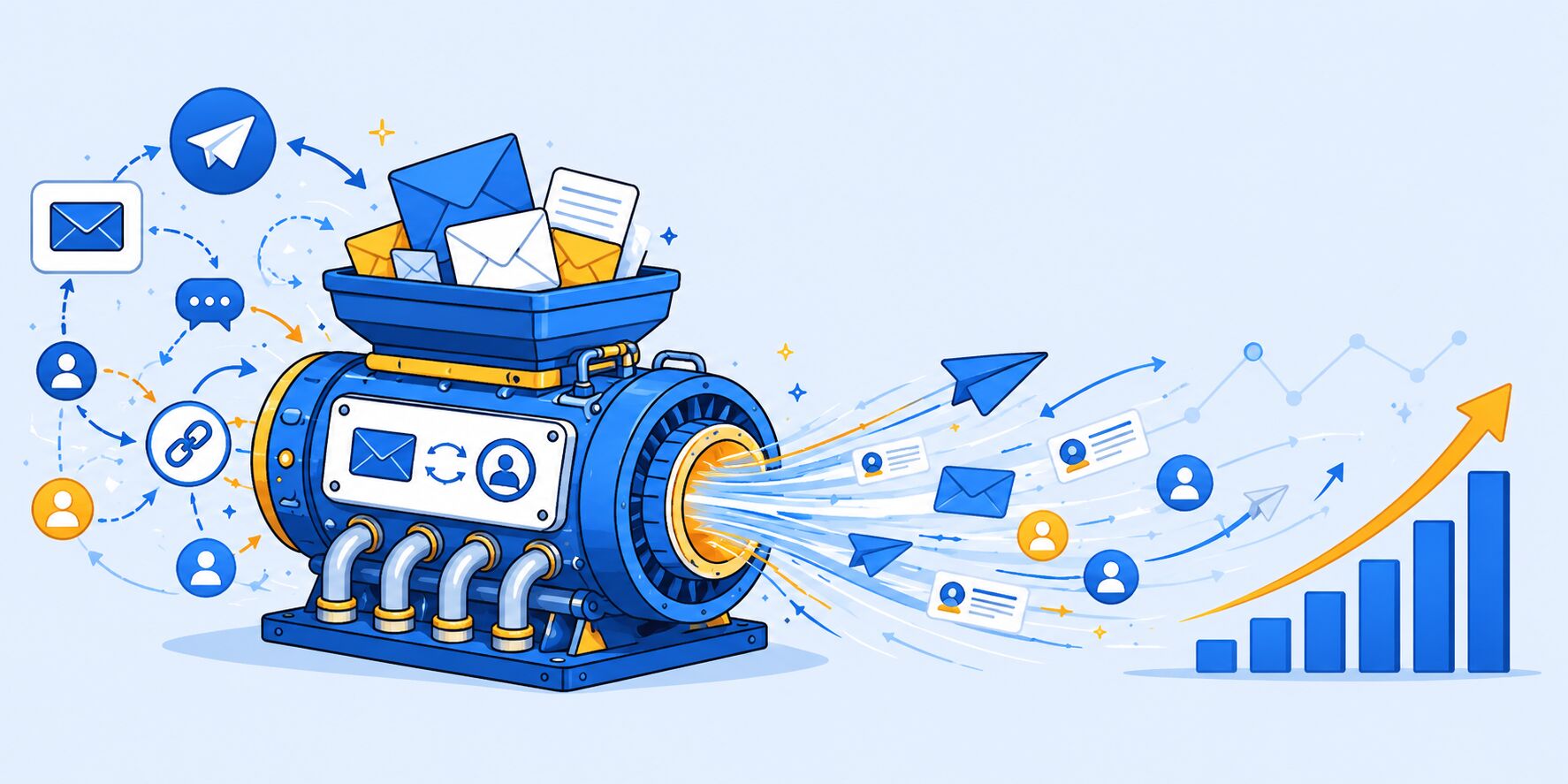
The problem, however, is that most businesses attempt to build a "referral page" rather than a "referral engine." A page is a static destination; an engine is a dynamic, automated, and integrated system that works in the background of your business 24/7.
Why Referrals Outperform Every Paid Channel
To understand the power of a referral, one must look at the psychology of the consumer. When a friend recommends a restaurant, a software tool, or a pair of sneakers, the recipient rarely spends time reading third-party reviews or comparing competitors. They have already received a "trust endorsement" from someone they value.
Referred customers consistently demonstrate higher lifetime values (LTV), lower churn rates, and significantly higher conversion rates than those acquired through traditional marketing funnels. Unlike an algorithm that casts a wide net, your existing customers perform their own highly refined, human-centric targeting. They know who in their social circle is a good fit for your brand.
The Chronology of an Effective Referral Strategy
Building an engine requires a shift in mindset—from viewing referrals as an "event" to viewing them as a "lifecycle event."
1. Identifying the "Moment of Delight"
The most common mistake founders make is the "random Tuesday" email. Sending a referral request in a generic weekly newsletter is ineffective because it lacks context. To be successful, you must time your request to coincide with the "Moment of Delight"—that specific window where your customer’s sentiment is at its peak.
These moments include:
- The confirmation of a second or third repeat purchase.
- The immediate aftermath of a customer leaving a five-star review.
- A positive, human response to a customer support ticket.
- The delivery of a highly anticipated product.
When you ask for a referral during these windows, it doesn’t feel like an "extraction attempt"; it feels like a natural continuation of a positive conversation.
2. Implementing the "Double-Sided" Incentive
One-sided rewards—where only the referrer receives a benefit—are essentially dead on arrival. They feel transactional and "grubby," turning the customer into a salesperson for your brand.
Conversely, a "Double-Sided" incentive (e.g., "Give $10, Get $10") creates a mutually beneficial social contract. The referrer feels empowered to give a gift to their friend, and the friend feels welcomed by a discount that reduces the friction of their first purchase. The incentive does not need to be extravagant; free shipping, small dollar credits, or early access to new releases are often sufficient to move the needle.
3. Eliminating Friction: The "Fifteen-Second Rule"
Friction is where referral programs go to die. If a customer has to log in, find a code, copy a link, and craft a message from scratch, they will simply move on with their day.
The modern referral engine must meet the user where their "thumbs live." This means:
- Unique Tracking Links: Every customer should have a personalized, trackable link that automates attribution.
- Pre-written Copy: Provide a short, human-sounding template that they can send with a single click.
- Omnichannel Integration: Ensure that share buttons for WhatsApp, SMS, and email are integrated directly into your post-purchase flow.
If it takes more than fifteen seconds to complete the referral process, you are losing the vast majority of your potential advocates.
Data-Driven Segmentation: Don’t Ask Everyone
A common pitfall is the "Full List Blast." Sending a referral request to a customer who hasn’t opened an email in eight months is not only ineffective—it is brand-damaging. It trains your audience to treat your outreach as noise.
Instead, build a "High-Engagement" segment. This group should consist of repeat buyers, frequent reviewers, and those who have actively engaged with your content. By isolating this group, you can tailor your messaging, offering them more frequent and personalized opportunities to advocate for your brand.
Tools like Omnisend have become the industry standard for this type of orchestration. By integrating with loyalty platforms like Smile or Yotpo, these systems automate the entire "plumbing" of the referral process—firing the right message at the right time, tracking the reward, and ensuring the user experience remains seamless.
Implications for Future Growth
The beauty of a referral engine is that it acts as "infrastructure for generosity." Word-of-mouth marketing is already happening around your brand, whether you acknowledge it or not. The difference between a stagnant brand and a viral one is the existence of a system that makes those mentions travel further and ensures the advocate is recognized.
As we move further into an AI-driven marketing landscape, the "human layer" of marketing—the recommendation—will only become more valuable. When every digital touchpoint can be faked or generated by a machine, a genuine recommendation from a peer becomes the ultimate currency.
Summary for Founders
- Stop treating referrals as a footer link. Build them into your automated email flows.
- Target the happy ones. Use data segmentation to ask only your most engaged customers.
- Make it easy. Use technology to remove the friction of sharing.
- Reward both sides. Ensure the incentive is a "win-win" to maintain social capital.
By implementing this infrastructure, you are not just hoping for growth; you are building a predictable, sustainable, and highly effective engine that turns your existing customer base into your most powerful marketing asset.
For those looking to get started, leveraging platforms that offer seamless migration of flows and lists can reduce the barrier to entry significantly. Whether you are using a tool like Omnisend to automate the process or building your own, the goal remains the same: empower your customers to do what they are already doing—just louder.