










By Tech Desk & Industry Analysis
Published: October 2023
Main Facts: The Return of a Digital Pioneer
More than a decade after its quiet descent into internet history, Orkut—the nostalgic social networking platform that once defined the digital social lives of millions across the globe—might finally be staging a comeback.
In a rallying cry issued across social media, founder Orkut Büyükkökten has called upon former users and digital natives alike to help breathe new life into the defunct platform. The envisioned revival carries a stark, deliberate mandate: to strip away the hyper-commercialized, algorithmic mechanics of modern social media and return to a simpler era focused on raw friendship, genuine community, and authentic human connection.
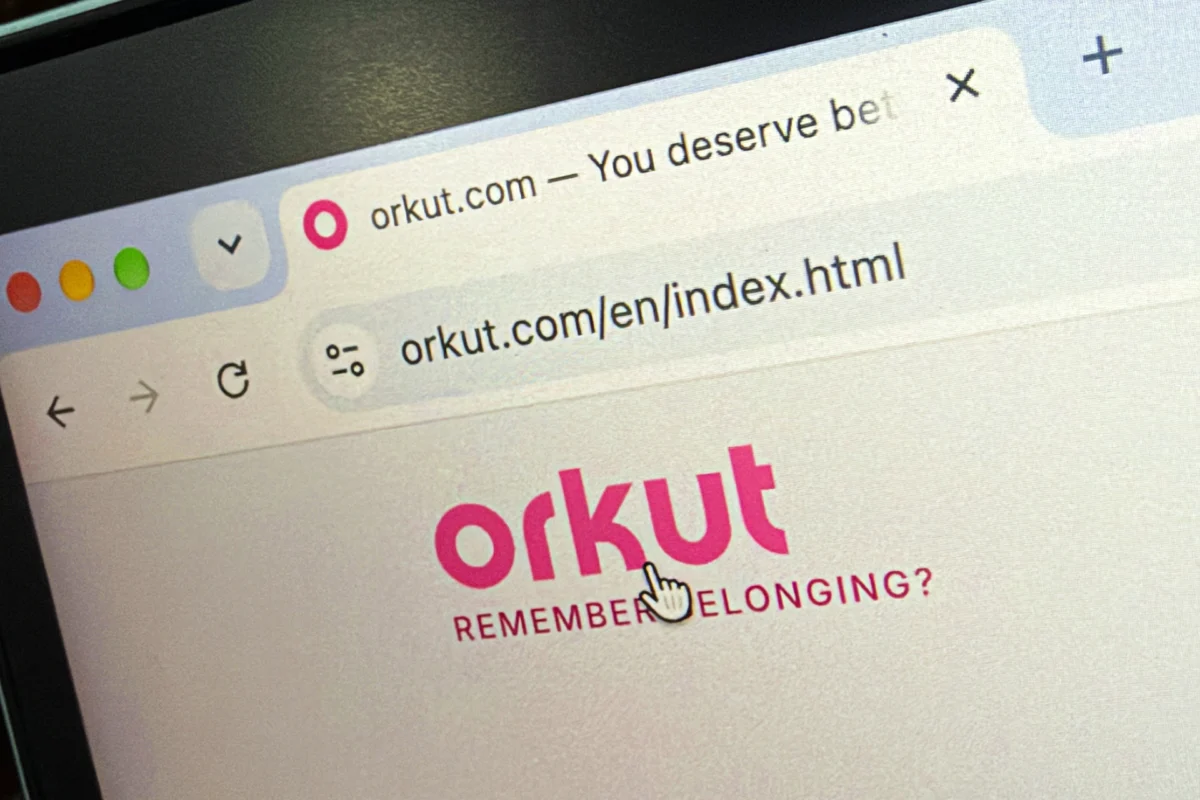
In a public post on X (formerly Twitter), Büyükkökten urged digital citizens to visit Orkut.com, pledge their names in support of the platform’s return, and rally their networks to join the cause. Accompanying this plea is a deeply reflective open letter published directly on the platform’s homepage, where the 51-year-old software engineer critiques the trajectory of modern digital communication.
According to Büyükkökten, today’s digital ecosystem has strayed dangerously far from its original promise. The proliferation of hyper-targeted algorithms, endless ad streams, and, most notably, the modern tide of artificial intelligence-generated content have fundamentally altered the social media landscape.
“Artificial intelligence is extraordinary technology,” Büyükkökten wrote, “but it’s dissolving the one premise that made social networking special and worth building: that there was a person on the other side.”
Despite the grand ambition of the pitch, the campaign currently remains a grassroots appeal. Büyükkökten has not yet clarified whether a fully realized successor to Orkut is already actively in development, nor has he provided a definitive timeline for a commercial launch. Nonetheless, the mere prospect of Orkut’s return has sent ripples of nostalgia through the tech community, sparking intense debate about the psychological toll of contemporary social media and our collective hunger for an unvarnished internet.
Chronology: The Rise, Fall, and Rebirth Attempts of Orkut
To understand the weight of Büyükkökten’s latest announcement, one must trace the winding trajectory of the platform from its humble beginnings in Mountain View to its ultimate obsolescence, followed by years of attempts to recapture lightning in a bottle.
2004: The Google Genesis
Orkut officially debuted in January 2004 as an experimental side project. Conceptualized and developed by Orkut Büyükkökten during his tenure as a software engineer at Google, the platform was named directly after its creator—a common practice for early Google Labs experiments.
Initially launched as an invitation-only network, Orkut arrived on the scene mere weeks before Mark Zuckerberg launched Facebook from his Harvard dorm room. While Facebook slowly expanded across Ivy League campuses in the United States, Orkut unexpectedly caught fire internationally.
2004–2010: The Golden Age of Communities
By the mid-2000s, Orkut had evolved into a cultural phenomenon. It captured the imagination of users globally, achieving viral, breakout popularity in two distinct major markets: Brazil and India.
The platform’s architectural crown jewel was its robust system of user-generated communities and forums. Long before subreddits or Facebook Groups dominated the web, Orkut users congregated in millions of niche micro-communities dedicated to everything from academic interests and regional pride to hyper-specific pop-culture fandoms and quirky inside jokes. Features like "testimonials"—public messages of appreciation left on friends’ profiles—and profile view tracking became foundational elements of early millennial digital socialization.
2011–2014: The Slow Decline and the Death Blow
Despite its immense regional dominance, Orkut eventually lost its footing in the global landscape. As Google shifted its strategic priorities toward unifying its product suite and combating the runaway success of Facebook, Orkut began to stagnate. Interface updates were sluggish, mobile optimization lagged behind competitors, and users steadily migrated to platforms with cleaner designs and more aggressive international expansion strategies.
Recognizing the writing on the wall, Google announced the official wind-down of the platform in June 2014. By September 2014, Orkut was permanently shut down. Google pivoted its social capital toward its newly minted enterprise, Google+, as well as the exponential scaling of YouTube, leaving millions of archived profiles, scraps, and communities locked away in digital purgatory.
2016: The ‘Hello’ Experiment
Büyükkökten was not ready to abandon the social networking space. In 2016, two years after Google pulled the plug on his namesake creation, he launched Hello, a fresh mobile-first social network.
Designed around the psychological premise of connecting individuals through shared passions rather than pre-existing social graphs, Hello sought to modernize the community-centric ethos of Orkut. However, despite generating more than 2 million app downloads globally, Hello struggled to achieve critical mass against entrenched social media giants and quietly faded into dormancy by 2020.
2022–Present: The Resurgence Campaign
In 2022, Büyükkökten dropped cryptic hints on Orkut.com, noting that he was “building something new.” This was followed by interviews in 2024 where he discussed experimenting with AI and machine learning to foster genuine community building. Now, in late 2023 and 2024, those experimental musings have crystalized into a direct, public petition for the revival of the original brand—setting the stage for what could be an improbable nostalgia-driven comeback.
Supporting Data: By the Numbers
An analysis of Orkut’s historical footprint and the modern digital landscape highlights the staggering scale of the platform’s past influence—and the monumental challenge facing any prospective revival:
- 300 Million: At its peak, Orkut boasted approximately 300 million active users globally, serving as the dominant social platform in Latin America and South Asia.
- 90%+: At various points during its mid-2000s zenith, Orkut commanded over 90% of the social networking market share in Brazil.
- 2 Million: Büyükkökten’s post-Orkut venture, Hello, managed just over 2 million downloads worldwide before shuttering in 2020—a stark illustration of how difficult it is to convert nostalgic brand goodwill into active daily usage.
- 10+ Years: The duration of Orkut’s absence from the active web, having spent over a decade as a digital ghost town since its September 2014 shutdown.
- 2004: The founding year of Orkut, placing it squarely at the vanguard of Web 2.0 consumer technology alongside platforms like MySpace and early Facebook.
Official Responses and Industry Reactions
As of press time, inquiries sent directly to Orkut’s corporate touchpoints and Büyükkökten regarding the technical roadmap, financial backing, or launch timeline of the prospective revival have gone unanswered.
However, the industry reaction has been swift and polarized. Tech analysts and cultural commentators have pointed out the deep irony—and potential hypocrisy—in a veteran software architect decrying AI-driven digital manipulation, given that his previous entrepreneurial statements as recently as early 2024 explicitly mentioned experimenting with machine learning frameworks for community discovery.
Critics remain deeply skeptical about whether modern internet users can successfully unlearn the habits ingrained by two decades of algorithmic curation. Today’s social media consumption is largely driven by algorithmic "For You" feeds, short-form algorithmic video (TikTok, Instagram Reels, YouTube Shorts), and frictionless, automated content generation. Asking users to return to a deliberately slower, manual, community-board-style internet may prove to be an uphill battle against human convenience.
Conversely, psychological and sociological tech experts argue that Büyükkökten’s timing could not be more poignant. With widespread fatigue over toxic engagement-bait, data privacy scandals, endless ad monetization, and the flood of synthetic, bot-generated content polluting platforms like X and Facebook, a sizeable demographic of digital veterans is actively seeking sanctuary in "digital quiet zones."
Implications: Can We Rebuild the Internet We First Loved?
The call to bring back Orkut raises profound questions about the evolution of the internet and our collective psychological relationship with technology.
1. The Death of Serendipity
When Orkut reigned, the internet felt vast, exploratory, and human. Communities were curated by passion, not pushed upon users by opaque advertising algorithms designed to maximize "time on site" through outrage and engagement loops. Büyükkökten’s core thesis is that the modern web has traded human serendipity for corporate optimization. If a revived Orkut can genuinely eliminate toxic algorithmic interference, it could serve as a valuable blueprint for a decentralized, human-first web.
2. The Nostalgia Trap vs. Market Reality
Nostalgia is a powerful emotional currency, but it has a poor track record as a business model. Past attempts to revive vintage tech brands—such as MySpace’s various pivots or the return of retro hardware devices—frequently suffer from the "museum effect." Users visit out of curiosity, log in once for old time’s sake, and promptly return to their daily habits on dominant multi-billion-dollar platforms where their actual friends reside. For Orkut to survive, it must offer a compelling value proposition that transcends mere reminiscence.
3. Trust and the AI Dilemma
As Büyükkökten noted, the creeping tide of generative AI threatens to completely sever the remaining thread of trust between internet users. When every profile image can be deepfaked, every text post written by a Large Language Model, and every interaction optimized by a behavioral bot, the fundamental social contract of the internet breaks down. Rebuilding a platform based on verified, authentic human identity is an honorable goal, but executing it securely at scale in the modern era of automated botnets will require unprecedented technical safeguards.
Whether Orkut successfully rises from the ashes or remains a bittersweet monument to the early days of Web 2.0, Büyükkökten’s campaign serves as a timely cultural mirror. It forces us to ask ourselves a fundamental question as digital citizens: Do we actually like the internet we’ve built, or is it time to log off, look backward, and try again?



