








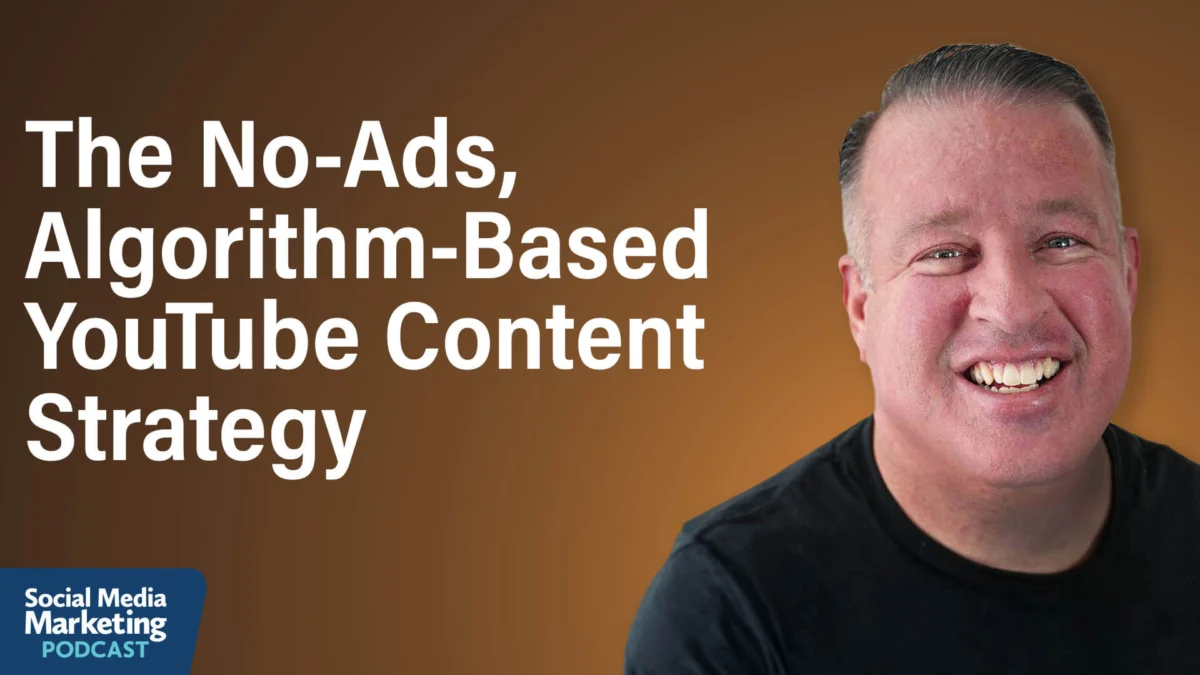
For most business owners, YouTube is viewed as a high-stakes lottery or a daunting technical hurdle. The prevailing sentiment is that growth requires either massive ad budgets or the luck of a viral sensation. However, according to YouTube strategy expert Derral Eves, this perspective is fundamentally flawed. Businesses aren’t failing on YouTube because of a lack of production value; they are failing because they are treating the platform as a billboard rather than a discovery engine.
In a comprehensive breakdown co-created with Michael Stelzner, Eves outlines a paradigm shift: stop targeting "customers" and start targeting "viewers." By aligning content with the psychological motivations of an audience, businesses can leverage YouTube’s AI-driven algorithm as a free, 24/7 distribution machine.
The Core Philosophy: Why Most Businesses Get YouTube Wrong
The most common strategic error is the "content repository" mindset. Many companies upload product demos and promotional clips, assuming that their target customers will find them because they are "the right audience." But YouTube’s algorithm is not built to help you sell; it is built to keep viewers on the platform.
The Algorithmic Pivot
Since 2013, YouTube has transitioned from a view-based ranking system to an AI-driven discovery engine. The algorithm’s primary directive is to predict user satisfaction and session duration. When you create content that is overtly promotional, you are asking the algorithm to serve an ad to someone who came for entertainment or education. When you create content that provides genuine value—solving a problem or satisfying curiosity—the algorithm recognizes the engagement and rewards you with free, organic reach.
Case Study: The Furniture Powerhouse
Consider the case of an e-commerce entrepreneur selling used office furniture. Rather than filming dry product catalogs, he pivoted to creating "viewer-first" content. He produced reviews, comparison breakdowns, and educational guides on what to look for when buying specific furniture. He even branched into "S-tier to F-tier" ranking videos, which captured the attention of gamers looking for affordable chairs.
The results were transformative. By catering to the viewer’s search intent, his videos appeared in both YouTube and Google search results. Today, 75–80% of his traffic comes from organic recommendations. By scaling his presence and layering in traditional marketing tools like email sequences, he grew his enterprise to over $20 million in revenue—all without spending a single dollar on YouTube ad distribution.
1. Target the Viewer, Not the Customer: The Psychographic Shift
To succeed on YouTube, creators must pivot from demographic data (age, gender, location) to psychographics (values, fears, motivations). While demographics help you refine your thumbnail style, psychographics dictate your content’s narrative arc.
Maslow’s Hierarchy as a Content Strategy
Derral Eves suggests using Maslow’s Hierarchy of Needs to determine why someone would watch your content. If you can identify the emotional vacuum your viewer is trying to fill, you can build a content strategy that hits home.
For instance, an immunologist looking to attract patients found that her most successful videos weren’t pitches for her practice, but educational content on lowering blood pressure naturally. By analyzing her audience, she realized they were primarily aged 45–65—a demographic experiencing significant "health wake-up calls." By leaning into the fears and needs of that demographic, she built a massive, trusting audience. As the "know, like, and trust" cycle matured, these viewers naturally converted into patients.
2. The Outlier Research Method: Decoding Success
You don’t need to guess what your audience wants; the data is already there. The "Outlier Research Method" is a systematic way to identify what is already working in your niche.
- Identify Outliers: Search for your topic and look for videos from smaller channels that have generated a disproportionately high number of views.
- Analyze the Comments: The comment section is the most valuable source of market research. Look for questions that remain unanswered and common pain points expressed by the audience.
- Use AI to Synthesize: Feed the URLs of these outlier videos into tools like ChatGPT or Claude. Ask the AI to identify common themes, valuable takeaways, and, most importantly, the "gaps" where the content could have been better.
By creating content that fills these specific gaps, you provide the algorithm with a clear reason to favor your video over the competition.
3. The Curiosity Gap: Earning the Click
Even the best video is useless if nobody clicks on it. The title and thumbnail are the "hook" that must create a curiosity gap—the psychological tension between what the viewer knows and what they desire to know.
The "Help, Don’t Sell" Rule
A fatal mistake for marketers is treating YouTube thumbnails like direct-response ad copy. If your video looks like a sales pitch, the audience will bounce. The thumbnail must promise a transformation or a piece of information that solves an immediate problem. Once the user clicks, you have roughly 5 to 10 seconds to validate their decision. If you start with a logo animation or a long-winded introduction, you have already lost them. Get to the value immediately.
4. Building Know, Like, and Trust
The goal of a YouTube strategy is not a single view; it is a long-term relationship. The "Dry Creek Wrangler School" channel is a masterclass in this. With 1.6 million subscribers, the channel features a cowboy sharing wisdom by a campfire. The creator didn’t use high-end production; he used radical authenticity.
By listening to his audience’s needs—loneliness, a lack of direction, the desire for mentorship—he created content that resonated deeply. This built such intense trust that his in-person school sold out with a three-year waiting list. When you build this level of rapport, you don’t need to force a sale. The audience will come to you because they trust you as an authority.
5. Finding an Authentic Voice
Many professionals struggle on camera because they try to be "professional" rather than "human." If you are stiff on camera, Eves suggests a simple trick: record as if you are talking to a friend over dinner.
If that fails, use an environmental trigger. One of Eves’ students, who was a brilliant public speaker but a stiff YouTuber, set up a Zoom call with real students and presented to them. He needed the energy of a live audience to unlock his natural voice. Once he captured that energy, his videos began to perform, eventually hitting millions of views. The key is to find the context where your personality shines.
6. The Mechanics of Engagement: Structuring Your Content
Structure is the "skeleton" of your video. For beginners, the listicle is the safest and most effective mechanism. It provides a natural progression that keeps the viewer moving from point to point.

The ABC Storyline
For those looking to advance, Eves recommends the ABC structure:
- A-Story: The surface-level topic (what the video is about).
- B-Story: The "why"—the emotional motivation or deeper stakes.
- C-Story: The common thread that ties the A and B stories together, ensuring the video feels cohesive.
The Power of Analytics
Finally, treat every video as a data point. Use YouTube Analytics to see exactly where people drop off.
- Drop-off at 10 seconds: Your title/thumbnail promised something the intro didn’t deliver.
- Drop-off at 3 minutes: You lost the "mechanism" that kept them interested.
By iterating on these data points, you move from guessing to a scientific approach to growth.
Implications for the Future of Marketing
The landscape of digital marketing is shifting. As AI becomes more prevalent in content creation, the value of human connection and authentic storytelling is rising. Channels that prioritize the viewer’s experience over the business’s bottom line will ultimately capture the most market share.
YouTube is no longer just a video platform; it is the most powerful top-of-funnel tool available to businesses today. By embracing the algorithm, targeting psychographic needs, and committing to the "know, like, and trust" cycle, businesses can transcend the need for paid distribution. In this new era, your voice is your brand, and your content is your most effective salesperson.