Why did the chicken cross the road? While that age-old riddle remains a linguistic curiosity, the reason you are searching for it is a matter of intense mathematical analysis for modern search engines. When you type a query into Google, you aren’t just sending a string of text; you are broadcasting a specific human need.
In the contemporary digital landscape, "Search Intent"—the "why" behind every query—has become the single most critical factor in determining who ranks on the first page of search results and who remains lost in the digital void. Understanding this is no longer just a technical SEO strategy; it is the fundamental bridge between your business and your future customers.
1. The Core Definition: What is Search Intent?
Search intent, often referred to as "keyword intent," is the underlying motivation behind a user’s search query. It answers the question: What is the user trying to achieve?
Historically, search engines were simple keyword matchers. If a user typed "best running shoes," Google looked for pages containing those exact words. Today, thanks to advanced machine learning and AI, search engines have moved beyond syntax to semantics. Google now aims to provide results that satisfy the user’s ultimate goal, even if the exact keyword isn’t present on the page.
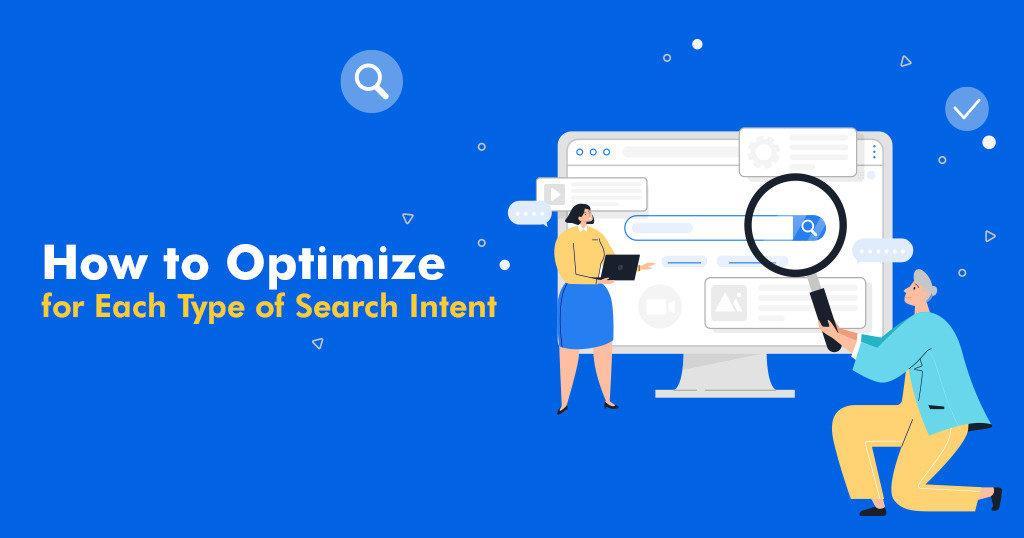
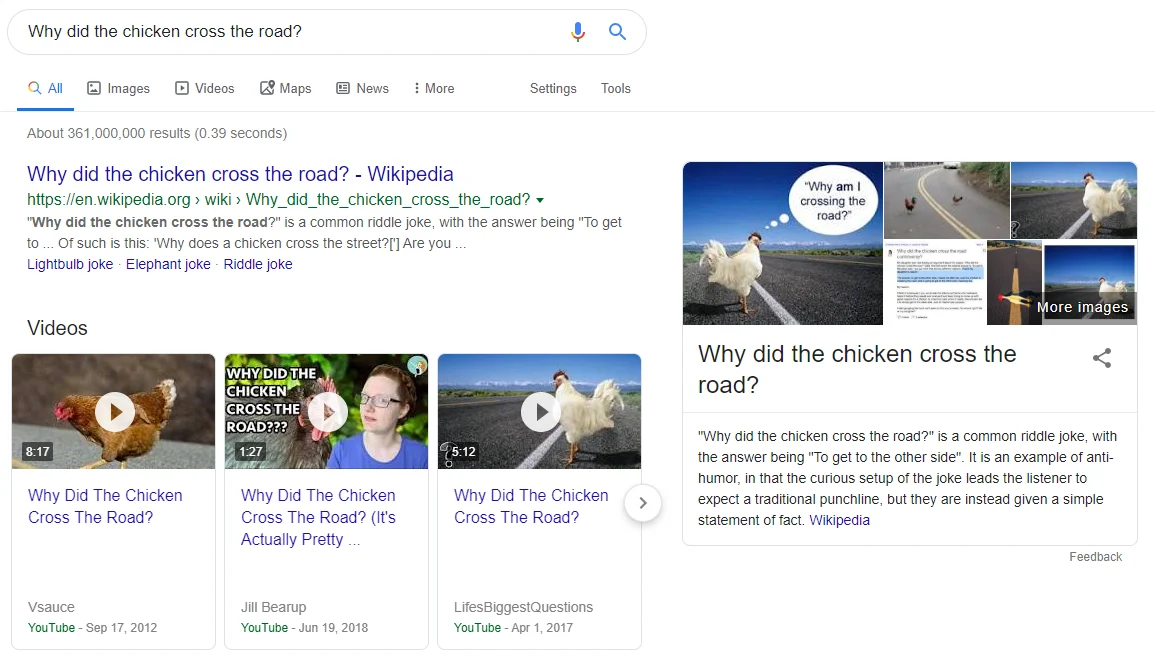
Google’s algorithms prioritize pages that provide the best solution to the user’s specific problem. If you are searching for the answer to the "chicken" riddle, you will likely see a featured snippet or a video—not a link to a store selling chickens. This is proof that the engine understands your intent is informational, not transactional.
2. A Brief History: From Keywords to Contextual AI
The evolution of search intent can be traced back to 2002, when researcher Andrei Broder first categorized search queries into three distinct types: Informational, Navigational, and Transactional. These categories remain the gold standard for SEO professionals today, though the technology behind them has undergone a seismic shift.
In the past, SEO was a game of repetition and meta-tag stuffing. If you wanted to rank, you signaled intent by repeating keywords. Today, we have entered the era of AI-Driven Contextual Intent. Modern search engines utilize Large Language Models (LLMs) and entity recognition to map a user’s search within their broader "purchasing journey."
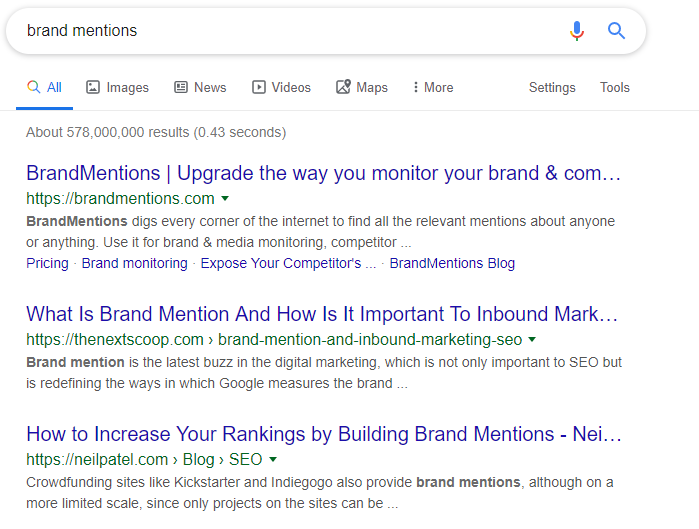
The search engine no longer evaluates a page in a vacuum. It evaluates the brand’s reputation, the sentiment of the internet toward that brand, and the context of the user’s past behavior. This is why "Answer Engine Optimization" (AEO) has become the new frontier. It is no longer enough for your website to say you are an expert; the entire internet must reflect that authority.
3. The Anatomy of Search Intent: Supporting Data
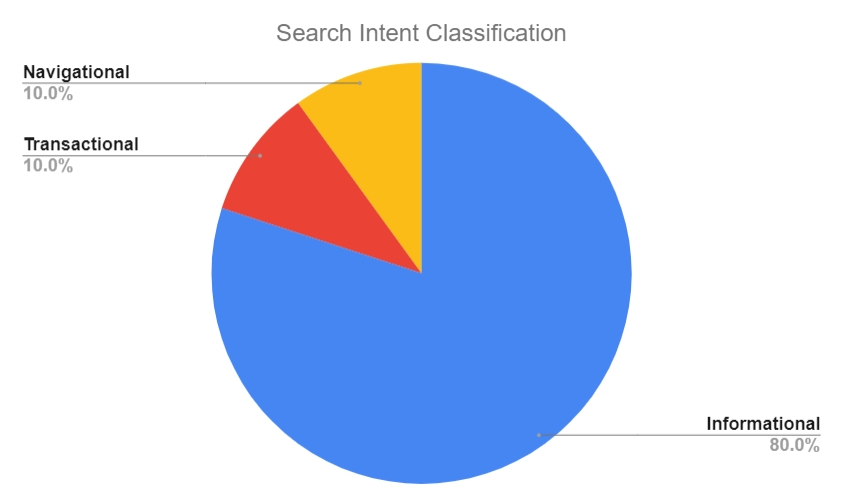
The necessity of aligning content with intent is backed by the sheer volume of modern search behavior. With approximately 3.5 billion searches conducted daily, the margin for error is razor-thin. Statistics consistently show that over 80% of all search intent is informational, while the remaining 20% is split between navigational and transactional goals.
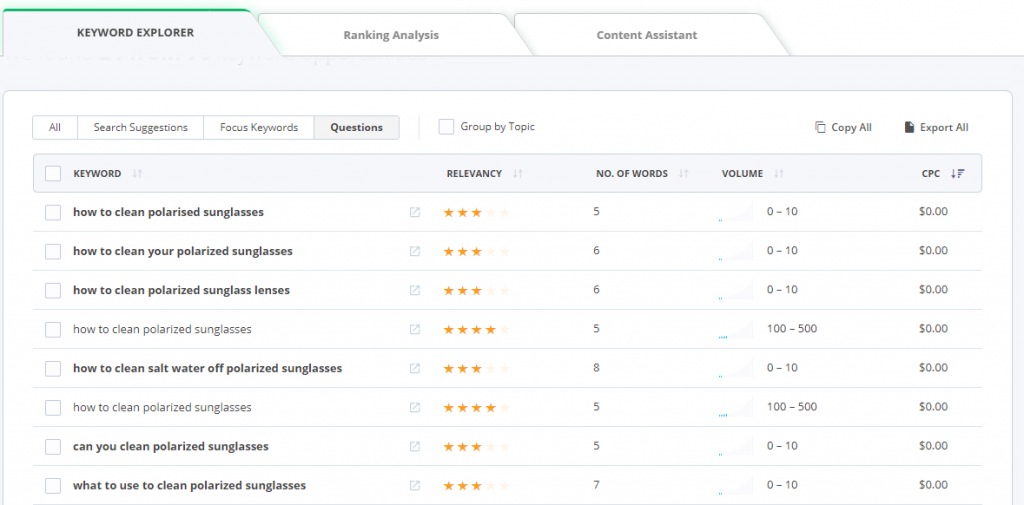
This creates a funnel. A user may start with an informational query ("how to choose a camera"), move to a navigational one ("best brands for photography"), and finish with a transactional search ("buy Nikon Z6"). If a business fails to capture the user at the first stage, they are unlikely to be considered for the final transaction.
4. Categorizing the User’s "Why"
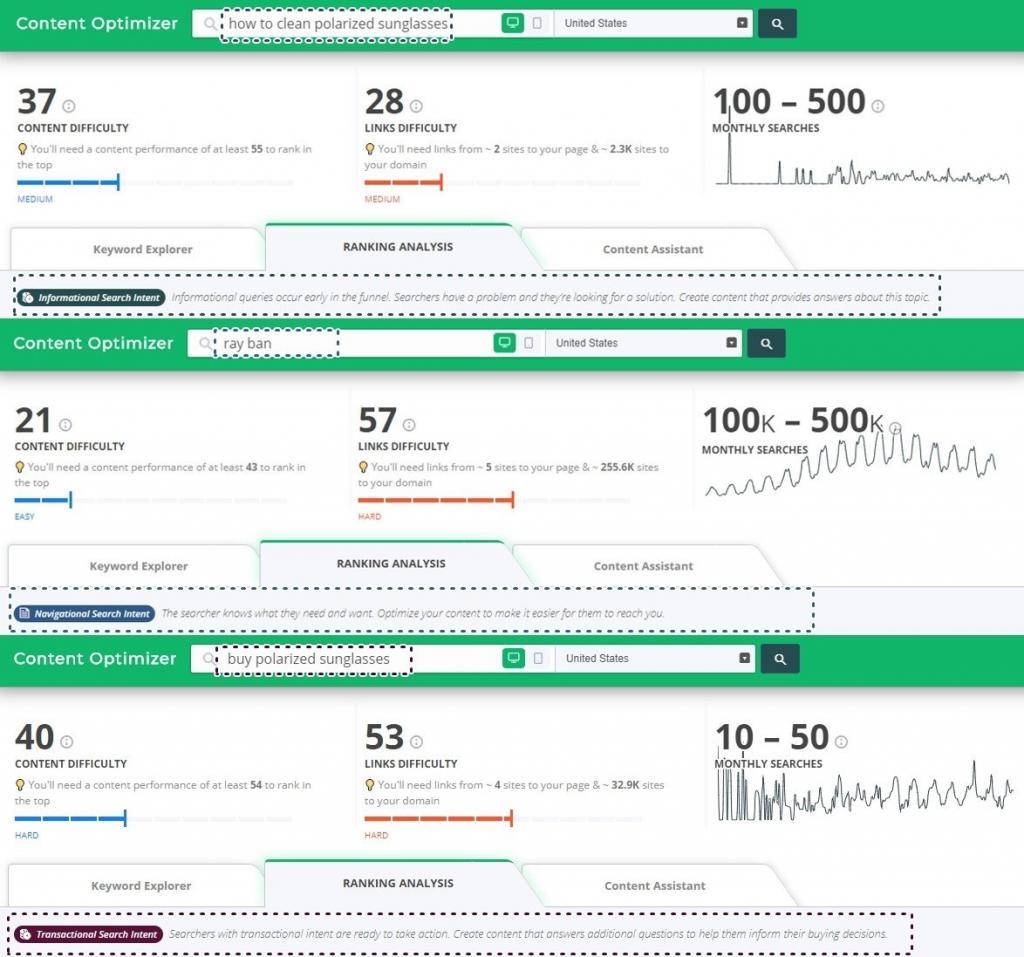
To dominate the search engine results page (SERP), you must tailor your content to the three primary buckets of intent:
Informational Intent (The "Know" Phase)
Users in this phase are looking for answers. They are asking "how," "what," or "why."
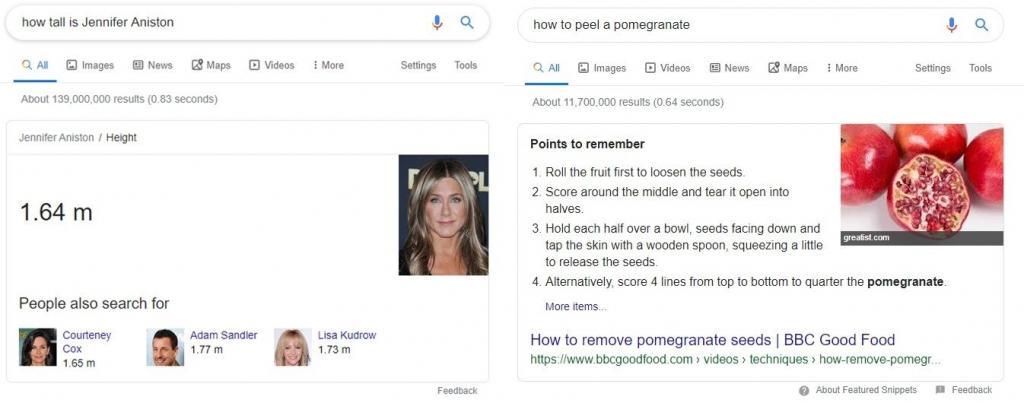
- The Strategy: Focus on high-quality blog posts, guides, and tutorials.
- The Goal: Capture the "Featured Snippet." Appearing in the Google answer box places your brand at "Position Zero," effectively granting you a double-exposure on the first page.
Navigational Intent (The "Go" Phase)
The user knows where they want to go—they are searching for a specific brand or website (e.g., "Facebook login").
- The Strategy: Ensure your brand is correctly indexed and that you own your own brand keywords. If you are a competitor, your goal is to provide comparative content that appears alongside the main brand.
Transactional Intent (The "Do" Phase)
The user is ready to pull out their credit card. They are looking for pricing, discounts, or locations.
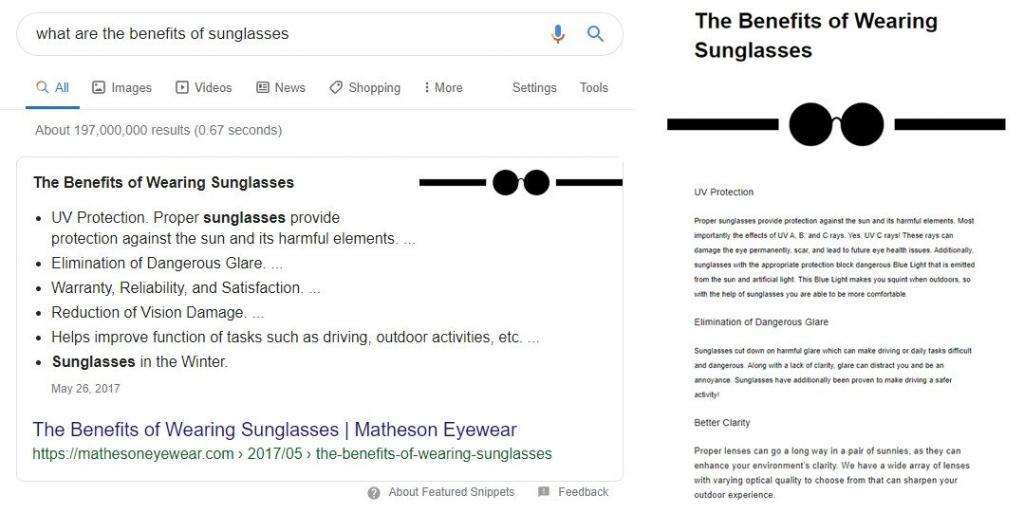
- The Strategy: Product pages, landing pages, and local SEO optimizations are critical here. The content must be concise, feature clear calls to action, and remove all friction from the buying process.
5. The Challenge of Shifting Intent
One of the most complex aspects of SEO is that search intent is not static. A keyword that is informational today might become transactional tomorrow based on news cycles or seasonal trends.
For example, searching for "Amazon" is almost always a navigational query for the e-commerce giant. However, during periods of wildfires in the Amazonian forest, the intent shifts heavily toward the informational, as users seek news updates and environmental analysis.
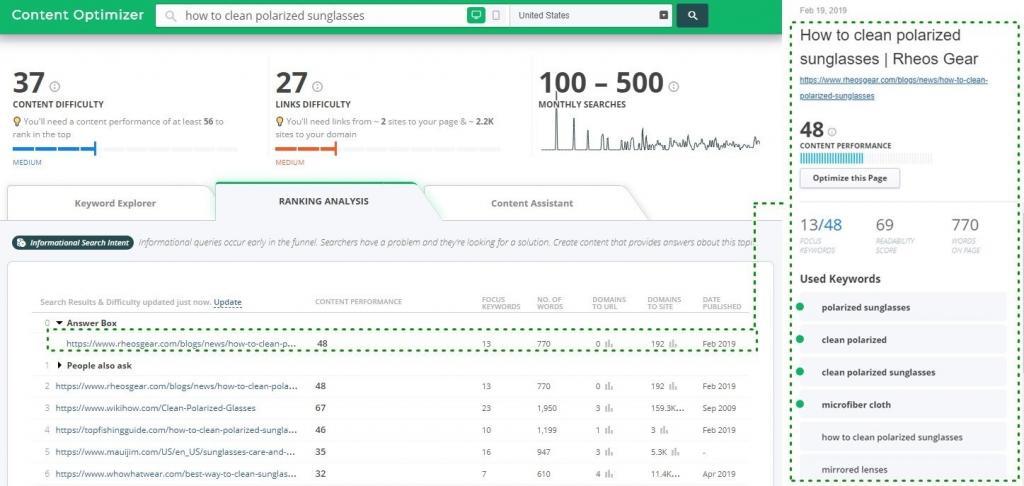
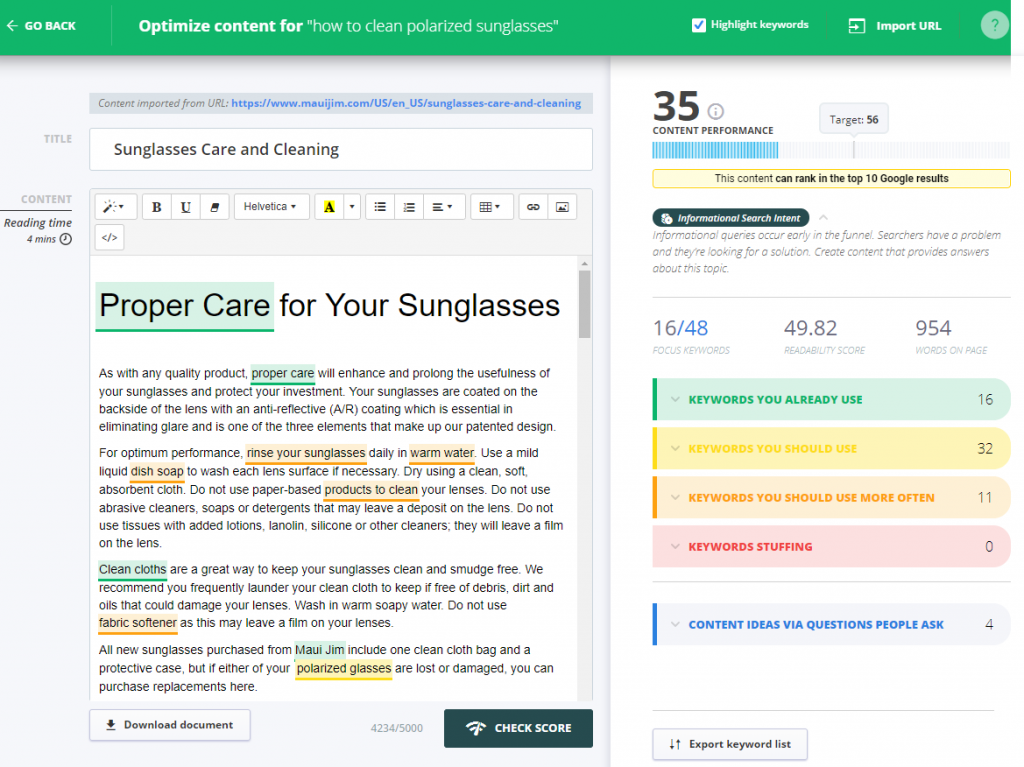
Professional SEO teams must engage in constant, data-driven monitoring. Using tools like the Content Optimizer from cognitiveSEO allows marketers to track these fluctuations in real-time. By identifying when intent shifts, you can update your content format to match the current user need, ensuring your rankings don’t plummet due to a mismatch.
6. Official Perspectives on Optimization
Industry leaders and search engine quality guidelines emphasize that "user satisfaction" is the ultimate metric. Google’s E-E-A-T (Experience, Expertise, Authoritativeness, and Trustworthiness) framework is essentially a manual for how to satisfy search intent.
When asked about the future of search, experts point to the "Zero Moment of Truth" (ZMOT). This is the split second in which a consumer decides whether your brand is the solution to their problem. Because this moment is heavily influenced by self-directed research, your content must be a beacon of clarity.
If you are writing for an informational query, do not try to sell. If you are writing for a transactional query, do not bury the "buy" button under 2,000 words of history. The "official" rule of modern SEO is simple: Respect the user’s time by giving them exactly what they came for.
7. Implications: Why This Matters for Your Bottom Line
Failing to optimize for search intent is essentially burning your marketing budget. When there is a disconnect between the user’s need and your content, the result is a high "bounce rate"—users landing on your page and immediately hitting the back button. Search engines interpret this as a signal that your content is irrelevant, leading to a downward spiral in your rankings.
Conversely, aligning your content with intent leads to:
- Increased Dwell Time: Users stay longer because they find the answers they need.
- Higher Conversion Rates: A user who reaches your site having already had their questions answered via your informational content is much more likely to complete a transaction.
- Topical Authority: Consistently ranking for a cluster of related intent-driven keywords signals to Google that you are an industry leader, making it easier to rank for competitive terms in the future.
Conclusion: The Path Forward
Behind every Google search lies a human desire. Whether it is a student looking for a definition, a professional seeking a tool, or a shopper hunting for a deal, your job is to be the most helpful, accurate, and accessible source for that intent.
As we move deeper into the era of AI-powered search, the "hacks" of the past—keyword stuffing and link schemes—will continue to fail. The winners of the next decade will be those who master the psychology of the searcher. By leveraging advanced analytical tools and adopting a user-first mindset, you can transform your digital presence from a static website into a dynamic, intent-fulfilling engine that drives sustainable growth and long-term authority.