For the past fifteen years, Search Engine Optimization (SEO) has reigned supreme as the single most profitable digital acquisition channel by a wide margin. No matter how much the industry debated the merits and flaws of last-click attribution, SEO remained the undisputed "money channel"—the one executives leapt at to drive immediate growth and revenue.
However, those days are officially over. The era of "traffic for old rope"—where simple keyword targeting and basic optimization could guarantee effortless volume—has drawn to a close. Modern audience journeys are more fragmented, complex, and cross-channel than ever before, permanently altering the shine of traditional search.
As the digital landscape grapples with an influx of AI-generated content, shifting consumer behaviors, and algorithmic updates designed to favor genuine brand authority, marketers are being forced to evolve. SEO is no longer a standalone strategy; it is merely one component of a much larger, multichannel ecosystem.

The Main Facts: The Shifting Reality of Search
Despite the rise of zero-click searches, AI-led discovery platforms, and social-first consumption, Google remains an undeniable behemoth. According to recent clickstream data, the vast majority of user journeys—even those initiated on AI tools or social networks—still touch Google at some stage in the buyer’s lifecycle, particularly when consumers are close to the point of purchase. Google currently processes well over 5 trillion searches annually, sending more than a trillion clicks to the open web.
Yet, the mechanics of how Google evaluates and ranks content have fundamentally changed. Building a sustainable brand or breaking into competitive SERPs (Search Engine Pages) through search alone has become exceptionally difficult, particularly for small and medium-sized enterprises (SMEs).
Compounding this issue is the internet’s quality crisis. Recent data from the Pew Research Center indicates that signs of AI authorship can now be found on over one-third of web pages published since the release of ChatGPT. This deluge of low-effort, AI-generated "slop" has forced search engines to prioritize trust, real-world presence, heft, and verified human experience over raw keyword optimization.

Chronology: How Google Rewrote the Rules
The dismantling of legacy SEO practices did not happen overnight. It was executed through a calculated sequence of algorithmic shifts designed to purge manipulative, search-first content and elevate established trust signals.
1. The Helpful Content Update (HCU) Era
Beginning in late 2023, Google rolled out its Helpful Content Update (HCU), followed closely by subsequent iterations and the Site Reputation Abuse update in 2024. The impact was immediate and devastating for many niche publishers.
Independent review sites bore the brunt of these changes. For instance, HouseFresh, an independent air-quality review platform dedicated to first-hand, non-sponsored product testing, watched its organic search traffic plummet by over 90%, dropping from more than 4,000 daily visitors in September 2023 to just 200 by early 2024. Similarly, gaming site Retro Dodo shed 85% of its organic traffic during the same period.

Conversely, user-generated platforms surged. Right as traditional niche publishers were seeing traffic vaporize, Reddit signed a high-profile data-licensing deal with Google. Reddit’s visibility skyrocketed by nearly 190%, effectively cementing forums and peer-to-peer discussions as Google’s primary proxy for authentic human experience.
2. The Shift Toward Social and Multimodal Integration
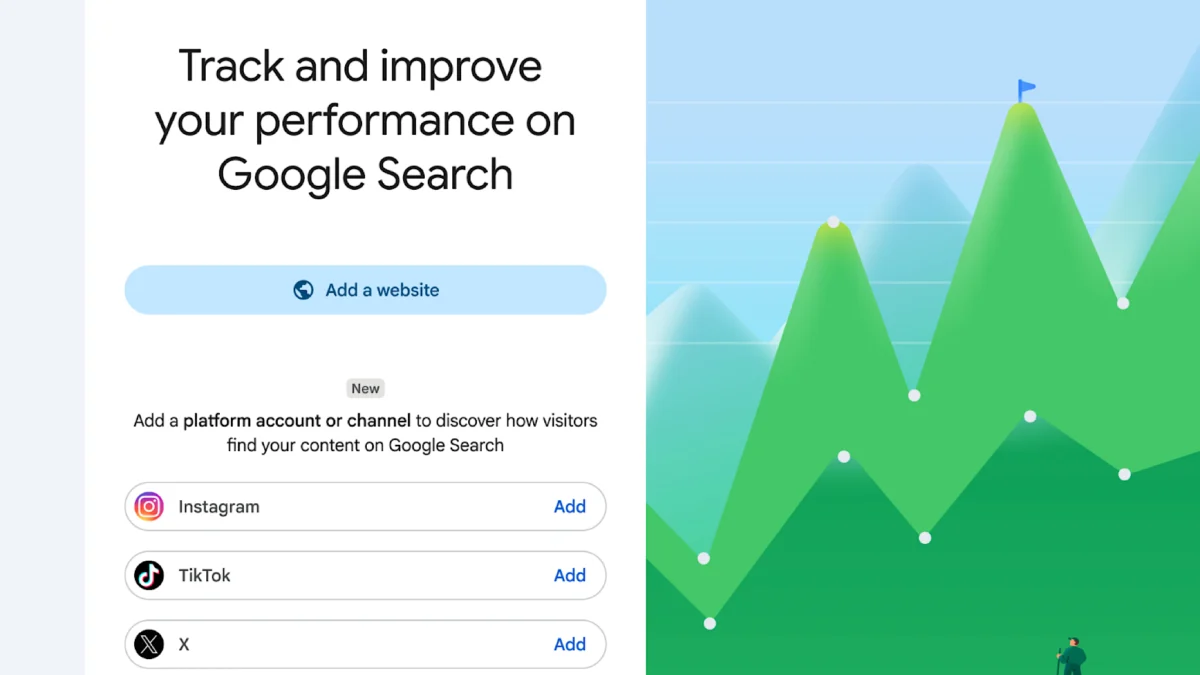
Recognizing that audience trust has migrated from faceless corporate mastheads to individual creators and social platforms, Google has steadily integrated non-traditional content into search visibility. Recent updates to Google Search Console allow publishers to track how social content performs in search, while Google Discover has actively prioritized content from platforms like YouTube and X (formerly Twitter) over traditional publishers.
By the end of 2025 and moving into 2026, Google’s architectural updates made it clear: the algorithm is no longer just indexing web pages; it is building a comprehensive audience loyalty ecosystem.

Supporting Data and Market Insights
A deep dive into search behavior and web demographics reveals the structural shifts driving these algorithmic changes:
- The Zero-Click Reality: According to reports from iPullRank, 86% of Google clicks go to a site the searcher didn’t explicitly name in their query. However, navigational queries account for only 14% of the 5+ trillion annual searches, leaving vast opportunities for brands that capture attention effectively.
- Demographic Divides in Discovery: Content consumption habits vary drastically by age. Pew Research and industry analytics indicate that 48% of 18-to-24-year-olds prefer to watch (32%) or listen (16%) to news online, while only 42% prefer to read. The exact inverse is true for audiences over 55.
- The Youth Disconnect from Brands: Younger demographics treat search engines as purely transactional tools—functional pathways to find a specific answer—rather than destinations for brand loyalty. Conversely, they place high trust in individual creators on social channels. Data shows that 52.3% of searches by 18-to-24-year-olds end without a click (zero-click), compared to 42.7% for the 55-64 demographic, who are also seven times more likely to click an advertisement than younger cohorts.
- The Rise of Creator-Led Discovery: Platform data shows a massive migration of user attention toward short-form video and creator-driven ecosystems, forcing search engines to reward personal authority and multimedia content formats.
Implications for Marketers, SEOs, and Creators
The traditional playbook of buying domains, writing optimized long-form articles, and waiting for search traffic to roll in is obsolete. To survive and thrive in this new environment, digital professionals must adapt to several foundational shifts:
1. Trust is the Ultimate Ranking Factor
Google’s algorithm has effectively become a proxy for human trust. To succeed in search, brands must cultivate robust direct and branded traffic, strong engagement metrics, and third-party validation that confirms authenticity. The final evolution of E-E-A-T (Experience, Expertise, Authoritativeness, and Trustworthiness) is verifiable social proof distributed both on and off-site.

2. Attribution Must Move Beyond Last-Click
Relying on last-click attribution creates a distorted view of marketing performance, systematically over-crediting SEO while ignoring the crucial top- and middle-of-funnel contributions made by social, video, and brand campaigns. Marketers must transition to measuring incremental uplift—assessing how conversions and audience engagement shift across weeks and months in response to multi-channel campaigns.
3. Treat Publishing as the Start of the Lifecycle
Waiting for Google to do the heavy lifting of audience acquisition is no longer a viable business model. Content distribution must be intentional, systematic, and executed immediately upon publishing. Utilizing frameworks like the "Golden Hour" rule forces teams to think about distribution beyond the homepage and outside the confines of search engines from day one.
4. Bridge the Gap Between Brands and Creators
Because younger audiences trust people over brands, modern marketing requires an intersection of corporate structure and creator authenticity. Brands that learn how to leverage the influence of individual creators—and creators who learn how to leverage the stability of brand platforms—will capture the loyalty that search engines increasingly demand.

Conclusion
SEO is not dead, but it is no longer enough. The days of relying on algorithmic loopholes and uninspired, search-engineered content are over.
Success in the modern digital economy requires marketers to become holistic strategists. It demands a deep understanding of human psychology rather than algorithmic manipulation, a commitment to multi-modal content creation (video, audio, and interactive media), and the discipline to build compounding distribution systems.
Publishing is no longer the destination; it is merely the starting line.