










Choosing the right home base for your digital footprint is one of the most consequential operational decisions a brand, creator, or marketing agency can make. In the modern social media landscape, consistency is the currency of growth, and the management tool you implement dictates your daily workflow, your overhead costs, and ultimately, your scale.
Two industry mainstays—Buffer and Later—frequently sit at the top of the consideration list. While both platforms provide robust ecosystems to schedule posts, connect with audiences, and analyze performance, their underlying philosophies diverge sharply. Buffer prioritizes cross-platform flexibility, predictable budgeting, and AI accessibility. Later leans into visual-first content planning, aesthetic grids, and dedicated workflows for platforms like Instagram and TikTok.
This comprehensive analysis breaks down the key differences, pricing models, feature sets, and strategic implications of both tools to help you determine the optimal fit for your brand.
The Core Facts: Platform Overview at a Glance
Before examining specific workflows, it is vital to understand how Buffer and Later stack up structurally across core operational metrics.
| Feature | Buffer | Later |
|---|---|---|
| Free Plan | 3 social channels on any platform | 8 social channels (one account per platform) |
| Paid Plans Start At | $6 / month | $25 / month |
| Supported Platforms | 11 (Instagram, Facebook, X/Twitter, LinkedIn, TikTok, Pinterest, Google Business, Mastodon, YouTube, Threads, Bluesky) | 8 (Instagram, Facebook, Threads, Pinterest, TikTok, LinkedIn, YouTube, Snapchat) |
| Mobile Apps | iOS, Android | iOS, Android (Regionally restricted) |
| Planning Hub | Available on all plans, including Free | Paid plans only |
| Audience Engagement | Available on all plans (Free tier in beta) | Team plans only |
| Analytics & Reporting | Basic on Free, Advanced on Paid | Paid plans only (Link-in-bio analytics free) |
| AI Content Generation | Unlimited use on all plans | Limited credits on Paid plans |
| Social Listening & Influencer Tools | Not offered | Available as paid add-ons |
Chronology and Evolution: How Buffer and Later Reached Today
To understand why Buffer and Later approach social media management so differently, it helps to look at their operational evolution.
Buffer’s Pivot to Modular Flexibility
Founded as a straightforward, frictionless way to queue up tweets and Facebook posts, Buffer earned its initial reputation on simplicity. Over the years, the platform expanded its ecosystem to support nearly a dozen networks—including text-first decentralized protocols like Mastodon and Bluesky. Rather than forcing users into rigid, pre-packaged tiers, Buffer evolved toward a modular pricing architecture. Users can pick exact channels and scale teams with predictable flat rates or unlimited seat options, ensuring that indie creators and micro-teams are never penalized for growing their operational headcount.
Later’s Evolution Into an E-Commerce and Visual Powerhouse
Later began its journey explicitly as a visual marketing platform tailored to Instagram, originally known as Latergramme. Its DNA is rooted in the grid: drag-and-drop calendars, aesthetic curation, and media libraries designed for visual storytellers and fashion brands. As social commerce expanded, Later integrated deeply with Shopify, introduced Mavely affiliate tools, and built out separate influencer marketing and social listening suites. Consequently, Later has grown from a simple Instagram scheduler into a sprawling marketing stack for visual-first brands and multi-tier agencies.
Pricing Structures: Predictable Channels vs. Bundled Sets
Cost is frequently the deciding factor for businesses investing in software-as-a-service (SaaS) products. The structural difference in how Buffer and Later charge for their services creates vastly different financial outcomes for creators and enterprises alike.
Buffer Pricing: Pay for What You Use
Buffer provides exceptional pricing flexibility. Users can select the exact social channels they need and only pay for those specific paths.
- The Free Tier: Supports up to three social channels on any platform, allows 10 scheduled posts per channel, and includes unlimited access to Buffer’s AI Assistant.
- Paid Plans: Start at $6 per month per channel.
- User Seats: Essentials and Free plans include a single user account, while the Team plan introduces unlimited users for a flat fee. This structure ensures that your costs remain entirely predictable, even as you bring on extra copywriters, managers, or external consultants.
Later Pricing: The "Social Set" Approach
Later structures its pricing around bundled configurations known as "social sets." Each social set includes one account from every supported platform.
- The Starting Cost: Minimum paid tiers start at $25 per month.
- The Architectural Catch: Because Later bundles networks into sets, users cannot cherry-pick individual channels. If a business only wants to connect a Facebook Page and a LinkedIn profile, it must still pay for a full social set. Furthermore, managing secondary accounts on the same platform—such as two distinct Instagram profiles—requires purchasing additional social sets, which rapidly escalates monthly expenditures.
- User Seats: Starter plans include one user. Growth includes two seats, and Scale includes four. Additional seats can be purchased for $5 per user per month.
Content Creation, Scheduling, and Platform Support
Both platforms streamline the drafting process, allowing users to queue content across multiple destinations simultaneously. However, platform compatibility and technical execution diverge notably.
Platform Support: Width vs. Depth
Buffer currently supports 11 platforms, giving it a distinct advantage for brands maintaining a ubiquitous digital presence. Notably, Buffer supports X/Twitter, Bluesky, Mastodon, and Google Business Profiles—none of which are supported by Later. Conversely, Later supports Snapchat, which Buffer omits.
Advanced Scheduling Features
- Bulk Scheduling: Buffer allows paid users to upload up to 100 posts at a time via a CSV spreadsheet, making large campaign rollouts seamless. Later lacks native CSV bulk-scheduling functionality, necessitating more manual intervention.
- First Comment Scheduling: Buffer supports scheduling a first comment on Instagram, Facebook, and LinkedIn for paid users. Later restricts first-comment scheduling exclusively to Instagram.
- Visual Planning vs. Grid Previews: Later shines with its true drag-and-drop visual calendar, allowing users to curate their Instagram and Pinterest grids seamlessly. Buffer offers an Instagram grid preview across all plans, though it lacks direct drag-and-drop calendar manipulation.
AI Capabilities: Unlimited Access vs. Credit Caps
Artificial intelligence has transformed content creation, but platform monetization models regarding AI vary widely.
- Buffer’s AI Assistant: Integrated across all plans—including the permanent free tier—Buffer provides unlimited AI usage. Users can generate fresh ideas, refine captions, and repurpose text across platforms without monitoring token counts or hitting artificial ceilings mid-campaign.
- Later’s AI Ideas Tool: Later ties its AI features to paid tiers using a strict credit-based system. Each generation consumes credits (for instance, generating captions or content pillars expends allocated tokens). Once exhausted, users must wait for their monthly renewal or purchase supplementary tokens.
Audience Engagement and Analytics
A great social strategy requires more than broadcasting content; it demands active community management and performance auditing.
Community Management
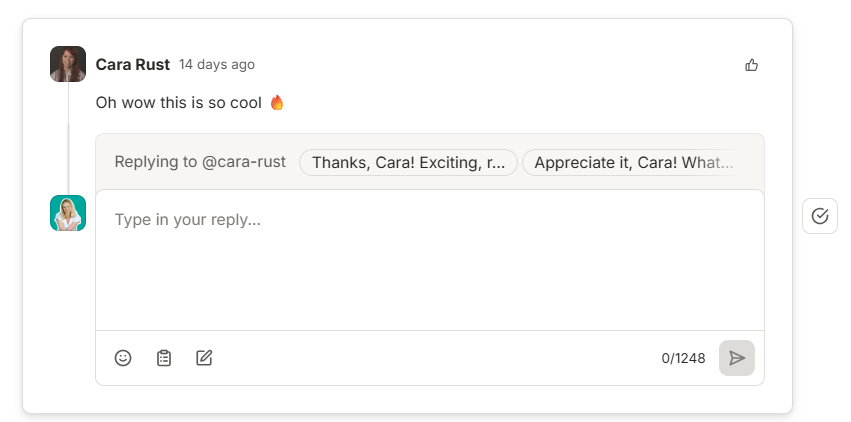
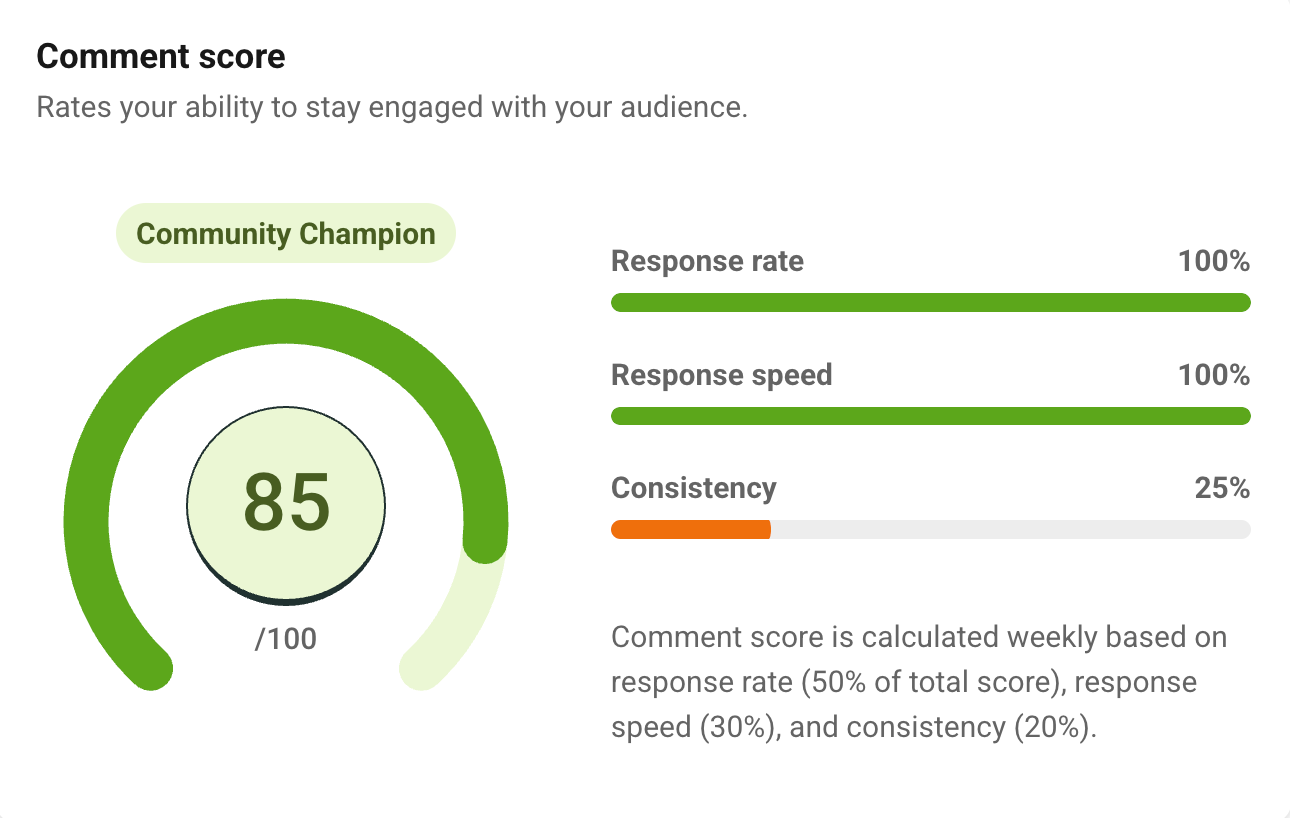
- Buffer Community: Available on all plans (including Free), Buffer’s Community tab consolidates comments and mentions from nearly all supported networks. It features AI-generated response suggestions, saved replies for frequently asked questions, and a unique Comment Score metric tracking response times and consistency.
- Later Social Inbox: Later aggregates Instagram DMs, Facebook comments, and TikTok replies into a single hub. However, this feature is restricted strictly to higher-tier Team plans. Solo users on free or starter tiers cannot manage conversations natively within the app. Later also offers optional paid add-ons for social listening and brand sentiment tracking.
Analytics and Insights
- Buffer Insights: Basic analytics are built into the free tier, with advanced reporting, custom date ranges, and AI-powered "Takeaways" unlocked on paid plans. Buffer’s Insights parse performance data automatically, translating metrics into actionable next steps.
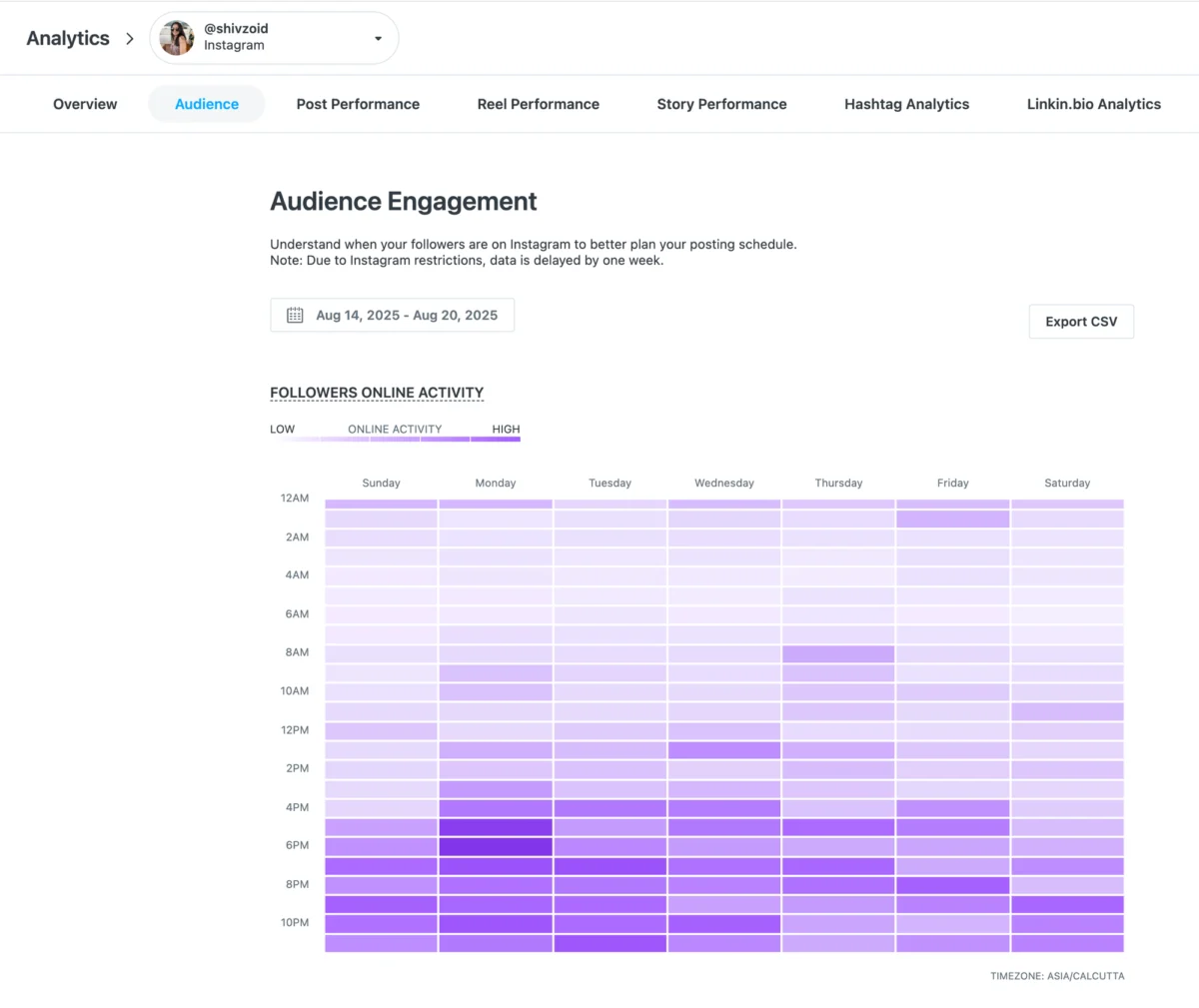
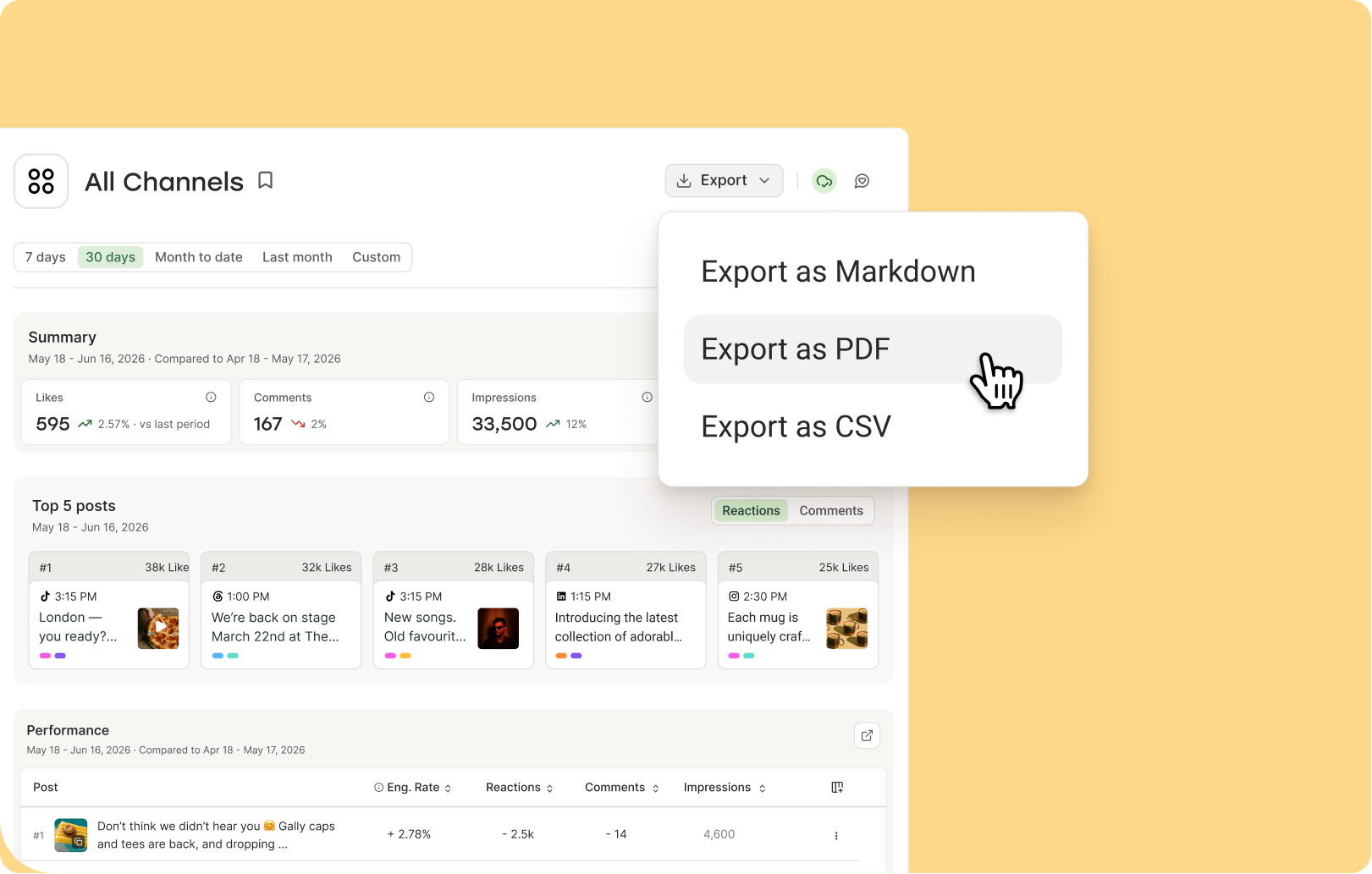
- Later Analytics: Later provides deep audience demographic breakdowns (age, gender, location) for Instagram, TikTok, and Facebook, alongside active-time heatmaps indicating when followers are online. However, cross-account aggregate analytics require the highest-tier plan, and direct PDF report exporting is replaced by CSV data downloads.
Official Responses and Strategic Implications
Industry analysts evaluating the Buffer-versus-Later debate consistently point to target audience alignment as the ultimate arbiter.
Representatives for Buffer emphasize the brand’s commitment to independent creators, solopreneurs, and lean teams. By democratizing AI tools, providing unlimited team seats on higher tiers, and keeping core engagement features accessible on the free plan, Buffer aims to remove financial barriers to digital consistency.
Meanwhile, Later’s product positioning underscores its utility for visual artists, e-commerce brands, and mid-sized marketing agencies. Features like Mavely affiliate links, Shopify checkout integrations, and dedicated influencer marketing hubs position Later as an operational suite designed explicitly to drive bottom-line revenue and visual brand equity.
Conclusion: Which Platform Should You Choose?
The optimal choice depends entirely on your operational structure, network preferences, and budgetary philosophy.
Buffer is the superior choice if:
- You manage a diverse mix of platforms, including X/Twitter, Mastodon, Bluesky, or Google Business Profiles.
- You need unlimited team member seats without incurring extra per-user fees.
- You want unlimited, unthrottled access to AI writing assistants on every plan.
- You rely on CSV spreadsheets for bulk campaign scheduling.
Later is the superior choice if:
- Your brand relies heavily on visual storytelling, making a true drag-and-drop Instagram and Pinterest grid planner non-negotiable.
- You run an e-commerce operation deeply integrated with Shopify and require native affiliate link generation.
- You need dedicated influencer marketing tools and formal brand sentiment social listening suites.



