










By TechCrunch Staff
October 11, 2026
In a long-anticipated move to reclaim its standing in the domestic technology sector, Apple is poised to unveil its most ambitious smart home hardware to date: the "HomeView." According to reports from Bloomberg’s Mark Gurman, the tech giant will officially announce the device this coming Tuesday, signaling a significant shift in strategy for a company that has, until now, struggled to achieve the dominance in the home market that it enjoys in the mobile and wearable sectors.
The HomeView is expected to be the centerpiece of an expansive new hardware lineup, marking a departure from the company’s previous reliance on software-centric smart home frameworks. As Apple looks to integrate its latest artificial intelligence advancements into the daily lives of its users, the HomeView is positioned to become the central nervous system of the modern household.
Main Facts: What We Know About HomeView
The HomeView is described as a dedicated, Siri-powered smart home hub equipped with a high-resolution display and powered by Apple’s high-performance A18 chip. This processor, the same silicon that drives the latest generation of iPhone flagship devices, suggests that Apple is not just building a smart speaker, but a powerful computing node capable of complex on-device processing.
The device is slated for a mid-November commercial release and will launch in two distinct form factors:
- The Countertop Model: Designed for kitchen islands, nightstands, or desks, this version focuses on portability and intuitive touch interaction.
- The Wall-Mounted Model: A more permanent fixture intended for high-traffic areas, aimed at users who want a sleek, centralized control panel for their home’s security, lighting, and climate systems.
By embedding the A18 chip, Apple is ensuring that the HomeView can handle advanced Siri requests locally, prioritizing privacy and reducing latency—two areas where the company’s previous voice-assistant iterations have faced criticism.
A Chronology of Apple’s Smart Home Ambitions
To understand the significance of the HomeView, one must look back at the erratic path Apple has traveled in the smart home space over the last decade.
- 2014: Apple announces HomeKit, a software framework intended to allow users to control smart home devices via their iPhones. While technically robust, it failed to capture the mass market as quickly as Amazon’s Alexa or Google Home.
- 2018: The original HomePod is released. While praised for its exceptional audio fidelity, it was hampered by a high price point and a limited Siri feature set, leading to lukewarm sales compared to cheaper, more functional alternatives.
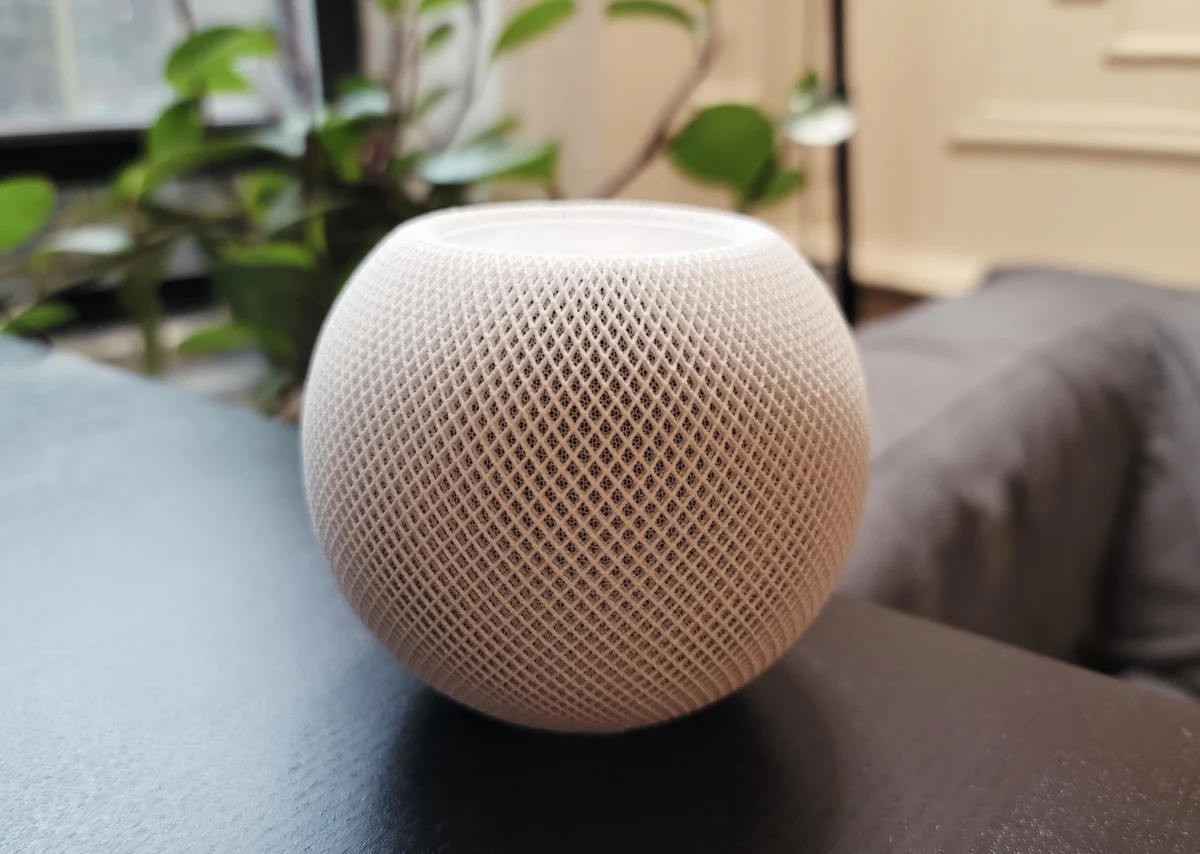
- 2021: Apple discontinues the original HomePod, shifting focus to the HomePod mini. While the mini finds success as a low-cost entry point, it remains a peripheral speaker rather than a true "hub" for home automation.
- 2025: Persistent rumors emerge regarding a "major" smart home device. Reports indicate that the project faced significant development hurdles, specifically regarding the integration of advanced LLM (Large Language Model) capabilities into Siri.
- October 2026: After months of speculation and reported delays, the "HomeView" is finalized for announcement, marking the end of a two-year development cycle aimed at correcting previous failures.
Supporting Data: Why Now?
Apple’s move into dedicated hardware comes at a time when the "Smart Home" market is becoming increasingly fragmented. Consumers are often overwhelmed by the need to manage multiple apps for lights, locks, thermostats, and cameras.
Current market data indicates that users are suffering from "hub fatigue." While many households have smart devices, they rarely interact with them as a unified ecosystem. Apple’s decision to pair the HomeView with a new partnership with LG—specifically for smart locks, thermostats, and doorbells—suggests that Apple is attempting to create a "walled garden" within the home.
Furthermore, the simultaneous refresh of the Apple TV and the HomePod mini indicates a "three-pronged" strategy:

- The Entertainment Hub: The updated Apple TV continues to command the living room.
- The Audio Hub: The refreshed HomePod mini provides ambient, decentralized control.
- The Command Hub: The HomeView provides a dedicated, visual interface for control and monitoring.
By creating a cohesive ecosystem where all three devices communicate seamlessly via the Matter standard and Apple’s proprietary protocols, the company is attempting to raise the barrier to entry for competitors who rely on less integrated, third-party software.
Official Responses and Strategic Silence
As is standard practice, Apple has declined to comment on the specific specifications or the branding of the "HomeView" prior to Tuesday’s event. However, internal whispers from Cupertino suggest that the company is viewing this as a "foundational" launch.
"We are looking to redefine how the home talks to the user," a source close to the project noted. While official PR channels remain silent, the heavy investment in the A18 chip for a home device indicates that Apple is betting on the future of "Ambient Computing"—a vision where the computer is always available but doesn’t necessarily require the user to pull a phone out of their pocket.
Implications: The Battle for the Domestic OS
The launch of the HomeView has profound implications for the tech landscape.
1. Privacy as a Premium Product
Apple’s primary differentiator has always been privacy. In a market where competitors often monetize user data via smart home habits (such as when people are home or what they are watching), Apple’s decision to move processing to the A18 chip is a direct marketing play to the privacy-conscious consumer.
2. The Death of the "Dumb" Home
With this launch, Apple is effectively declaring that the era of the "dumb" home—where devices are merely connected to Wi-Fi but lack intelligence—is over. The expectation is that the HomeView will proactively suggest actions (e.g., "The temperature is dropping; should I adjust the thermostat?") rather than waiting for voice commands.
3. Challenges to the Status Quo
The partnership with LG is perhaps the most intriguing development. By outsourcing the physical manufacturing of locks and sensors to an established appliance leader, Apple is acknowledging that it cannot be the world’s best hardware manufacturer for every niche device. Instead, it is focusing on the "Intelligence Layer"—the software and the central hub that makes those devices work better together.
4. Market Saturation
The primary challenge for Apple will be convincing existing users to add another screen to their walls or counters. In an age of digital minimalism, Apple must prove that the HomeView is a tool for reducing friction, not just another piece of hardware that requires updates, charging, and attention.
Conclusion: A High-Stakes Wager
Tuesday’s announcement will be a litmus test for Apple’s current leadership. If the HomeView succeeds, it will cement Apple’s control over the living space, effectively turning the home into an extension of the iPhone experience. If it fails, it may signal that the company’s "walled garden" approach is ill-suited for the highly interoperable, chaotic world of home automation.
As we await the official unveiling, one thing is clear: Apple is tired of being a guest in the smart home. With the HomeView, it intends to be the landlord.



