










By [Author Name]
This report is produced in partnership with SMG.
As the digital advertising ecosystem undergoes a radical transformation, the emergence of retail media networks (RMNs) has shifted from a peripheral experiment to a core pillar of modern marketing strategy. No longer confined to simple sponsored product listings on e-commerce sites, retail media is evolving into an omnichannel juggernaut that encompasses physical stores, travel experiences, and sophisticated data-driven consumer journeys.
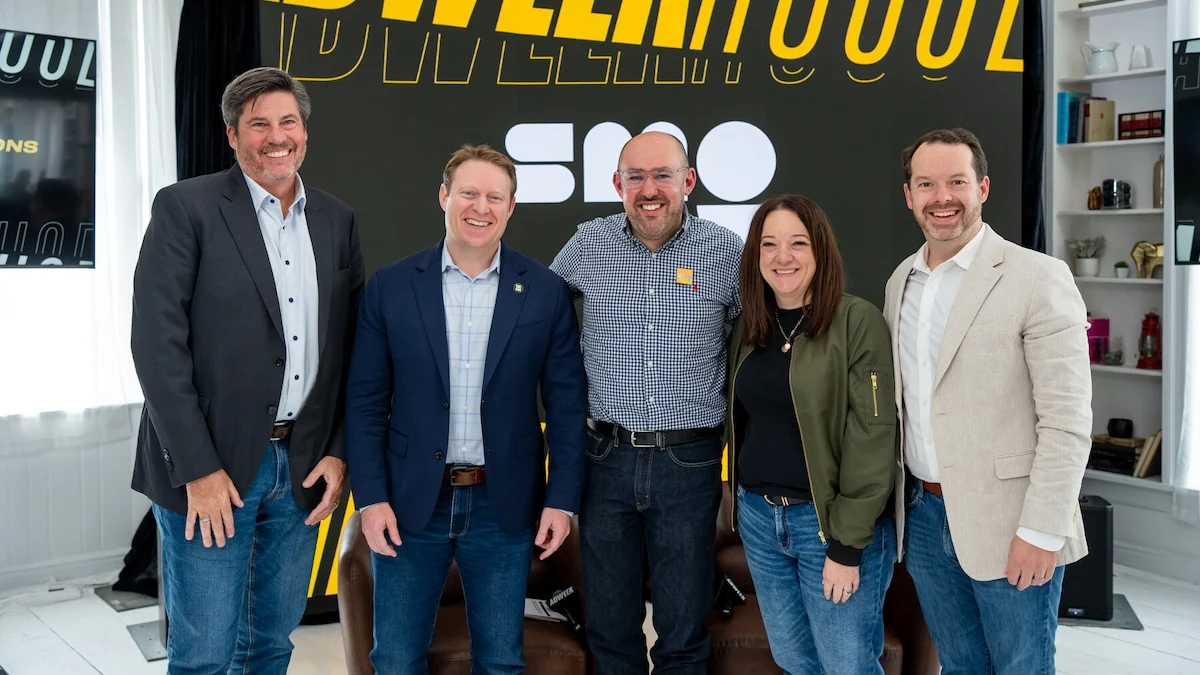
At the recent ADWEEK House Advertising HQ, a series of commerce connection sessions—co-hosted by SMG—brought together industry leaders to dissect the complexities of this landscape. From the granular mechanics of in-store measurement to the high-potential frontier of travel-based media, the dialogue underscored a singular truth: The battle for consumer attention is no longer won in a silo; it is won through integrated, high-context engagement.
The In-Store Renaissance: Redefining Physical Engagement
The first session, "Choose Your Player: The Battle for In-Store Leadership," moderated by Ollie Shayer, senior director of global strategy and innovation at SMG, signaled a significant pivot in the industry. The panel—featuring IAB’s Collin Colburn, Simon Property Group’s Chip Harding, DG Media Network’s Austin Leonard, and Hy-Vee’s Britt Polihronis—argued that the physical store is being reclaimed as a premium media channel.
The Measurement Dilemma
The central challenge identified by the panel is the translation of digital-style accountability to physical environments. In the digital realm, attribution is often linear; in the store, it is chaotic.

"The metrics that matter vary by setting," noted the panelists. In a mall environment, such as those managed by Simon Property Group, success is often mapped through foot traffic and aggregate dwell time. In a high-velocity grocery setting like Hy-Vee, the metrics shift toward immediate behavioral triggers—did the shopper pick up the product? Did they swap their usual brand for the advertised one?
The consensus among the experts is that advertisers are no longer satisfied with proxy metrics. They are demanding proof of incremental sales. To justify the substantial investment in in-store displays, digital signage, and experiential activations, retailers must provide a closed-loop measurement system that proves a specific ad spend directly contributed to a transaction that wouldn’t have occurred otherwise.
Beyond the Transaction: Experience as a Product
However, the panel cautioned against "over-optimizing" the store into a vending machine. The most successful retail media networks are those that prioritize the experience. By curating brand offerings and creating environments that encourage discovery and trial, retailers can foster a sense of loyalty that digital-only platforms struggle to replicate. The store is no longer just a place to buy; it is a place to be entertained and informed.
The Grocery Conundrum: Connecting the Dots
In a fireside chat titled "From Story to Store: Creating Connected Campaigns Across Every Touchpoint," ADWEEK’s chief content officer, Zoë Ruderman, and Liz Roche, VP of media and measurement at Albertsons Media Collective, examined the necessity of a holistic approach to grocery marketing.
The Fragility of ROAS
Perhaps the most provocative portion of the discussion was Roche’s critique of standard retail media metrics. For years, Return on Ad Spend (ROAS) and Incremental ROAS (iROAS) have been the North Stars of retail media. Roche argued that these metrics, while useful, are often misleading because they are hyper-sensitive to the underlying methodology.

"We have to move away from relying on a single metric," Roche stated. She advocated for a more "critical thinking" approach to performance data. If a brand sees a spike in sales but a decline in overall category health, the media campaign might be cannibalizing the brand’s own long-term growth. True performance, she suggested, is a mosaic: it requires looking at store-level data, category trends, and longitudinal customer behavior rather than just the immediate conversion data provided by a media network’s dashboard.
Meeting the Shopper Where They Are
Grocery shopping is not a single event; it is a recurring ritual. The panel highlighted that the most effective campaigns use Connected TV (CTV) to prime the audience long before they step into the aisle. By building awareness through broad-reach digital channels and closing the loop with personalized, store-specific offers, brands can turn a mundane errand into a brand-building opportunity.
Media on the Move: The Travel Network Frontier
The final pillar of the discussion, "Media on the Move," shifted the focus toward the travel journey. Moderated by SMG’s Sean Crawford, the panel featured experts from Lyft Ads, WHSmith, Marriott Media, and Tripadvisor. This session highlighted a fundamental shift in how brands view the traveler.
Why Travelers Are the "Gold Standard"
Travelers, by their nature, are high-intent, high-value consumers. They possess significant purchasing power and often exhibit a higher-than-average interest in discretionary categories such as home improvement, premium alcohol, and electronics.
Moreover, the psychological state of the traveler is an advertiser’s dream. "The positive emotions often associated with travel can also make consumers more receptive to brand messaging," noted the panelists. Whether it is the anticipation of a vacation or the necessity of a business trip, the traveler is in a state of flux—a state where they are actively looking for solutions, products, and services to enhance their experience.

Tailoring Measurement to the Journey
The challenge for travel media networks is that the "conversion" is not always a single product purchase. It might be an app download, a loyalty program sign-up, or a premium room upgrade. Consequently, the measurement approach must be as dynamic as the journey itself.
The panel emphasized that success in travel media requires understanding the "highs and lows" of the journey. A brand that reaches a traveler during a stressful airport delay with a relevant, helpful offer will build far more brand equity than one that simply blasts a generic advertisement.
Implications for the Future of Retail Media
The insights shared at the SMG and ADWEEK sessions point to several unavoidable realities for the marketing industry over the next five years:
- The Death of the Silo: Brands that treat their retail media spend as a separate budget from their brand-building budget will fall behind. The future is an integrated ecosystem where CTV, social, and in-store media feed into the same data lake.
- The Rise of Contextual Commerce: As privacy regulations tighten and third-party cookies decline, first-party data from retailers and travel providers will become the most valuable currency in advertising. Brands that partner with retailers who have rich, clean data sets will have a massive competitive advantage.
- Measurement Maturity: The industry is graduating from "vanity metrics" to "incrementality-based metrics." Companies that invest in sophisticated data science to prove the real impact of their spend—rather than just the attributed impact—will be the ones that survive the coming market consolidation.
- The Human Element: Despite the push toward automation and AI-driven optimization, the panel discussions consistently returned to the human experience. Whether in a grocery store or an airport terminal, the message must remain resonant, helpful, and contextual.
Conclusion
The landscape of retail media is no longer in its infancy. It is entering a phase of rapid, sophisticated expansion. By moving beyond the obsession with simple conversion metrics and embracing a wider, more holistic view of the consumer journey, brands can turn these new media networks into engines for sustainable growth.
As SMG and their industry partners have demonstrated, the future of commerce is not just about placing an ad; it is about being part of the shopper’s journey, every step of the way—from the moment they start dreaming of a trip or planning their weekly meal to the moment they reach for a product on the shelf. The brands that master this connectivity will define the next decade of retail.



