Updated: January 2, 2026 | 12-Minute Read
For many digital publishers and business owners, the email newsletter remains the single most vital asset for audience engagement. However, as subscriber counts grow, the tools once chosen for their accessibility can quickly become financial and operational burdens. After years of relying on Mailchimp for the WPExplorer.com newsletter, I recently reached a breaking point. The platform, while historically robust, had evolved into a complex, costly ecosystem filled with features that were largely irrelevant to my core needs.
This article details the strategic decision to migrate to Flodesk, the technical methodology behind the transfer, and the critical considerations for maintaining deliverability during a platform transition.
The Strategic Shift: Why Move?
The primary catalyst for this migration was a misalignment between feature sets and business requirements. Over the past few years, the email marketing industry has seen a pivot toward "all-in-one" marketing suites. While these tools offer advanced automation, CRM capabilities, and e-commerce integrations, they often come at a premium price point that scales aggressively with subscriber growth.

For many creators, the overhead of managing a platform with unnecessary bells and whistles—such as complex social media ad integrations or deep retail analytics—creates "feature bloat." This complexity can hinder productivity and inflate operational costs.
Financial and Operational Implications
After pausing my newsletter for a year to evaluate alternatives, I identified Flodesk as a compelling solution. The platform differentiates itself through a flat-rate pricing model, which provides unlimited subscribers and emails. In an era of subscription fatigue and unpredictable tiered pricing, this predictability is a significant advantage for content creators and small businesses. By locking in their current pricing structure, I have effectively future-proofed my email marketing expenses against the inflationary trends seen across the SaaS (Software as a Service) industry.
Chronology of the Migration Process
Moving an entire audience from one provider to another is a task that demands precision. A botched migration can lead to data loss, high bounce rates, and potential damage to your sender reputation. The following workflow outlines the systematic approach used to ensure a clean transition.
Step 1: Exporting Data from Mailchimp
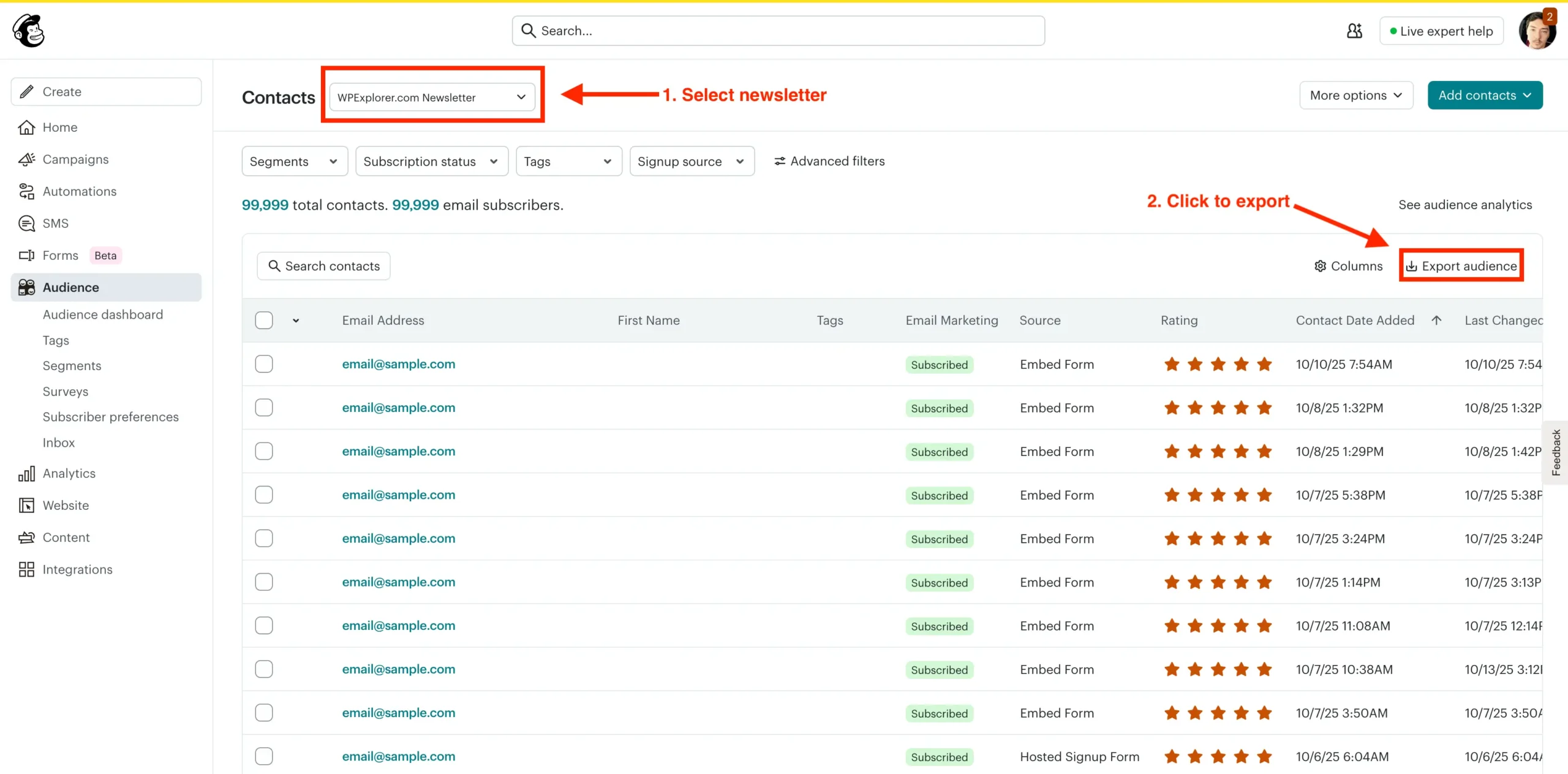
The migration begins by liberating your data from the incumbent platform. Mailchimp provides an "Export Audience" feature that generates a compressed ZIP file. This file typically contains your entire subscriber base in a CSV (Comma Separated Values) format.

- Pro Tip: Before exporting, ensure that your Mailchimp account is cleaned of inactive or "bounced" email addresses. Migrating poor-quality data to a new platform is a strategic error that will negatively impact your deliverability rates immediately upon launch.
Step 2: Sanitizing the CSV File
Data hygiene is paramount. Mailchimp’s exported files often contain dozens of columns—many of which are system-generated tags that Flodesk does not utilize.
To ensure a seamless import:
- Extract the ZIP file to a local directory.
- Open the CSV in a spreadsheet application like Excel, Numbers, or Google Sheets.
- Refine the columns: Keep the essential fields—Email, First Name, Last Name—and remove redundant technical metadata.
- Align with Target Schema: By cross-referencing your file with a sample CSV from Flodesk, you can rename your column headers to match exactly what the new platform expects, thereby reducing the likelihood of mapping errors during the import process.
Step 3: Segmenting for Success
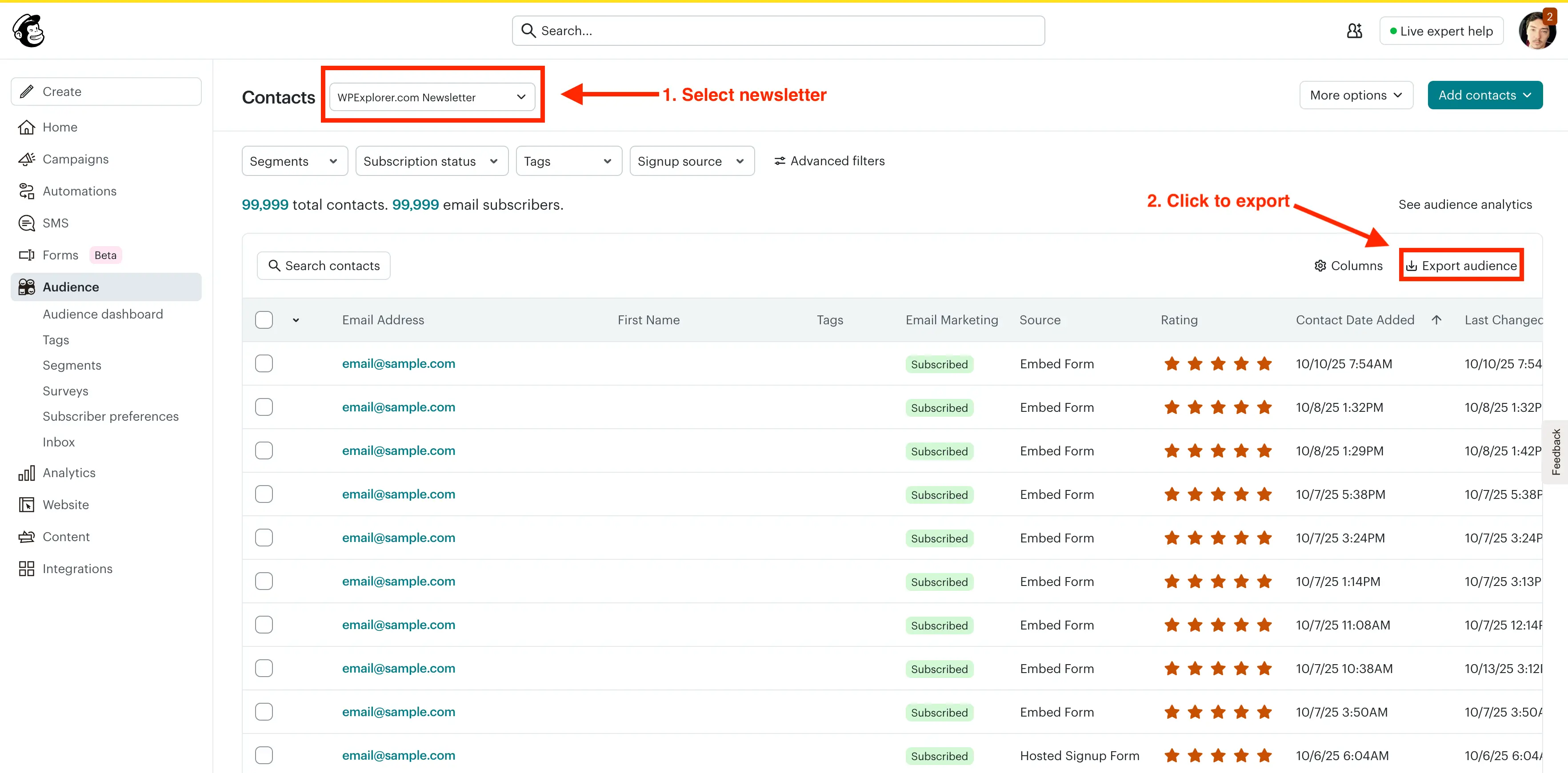
One of the most common mistakes in platform migration is importing all contacts into a single, monolithic list. Instead, I leveraged Flodesk’s "Segments" feature. By creating segments that mirror my previous organizational structure in Mailchimp, I ensured that my audience remained categorized by interest, acquisition source, or engagement level.
If you are migrating a large, heterogeneous list, consider creating a segment titled "Imported [Date]" to provide a clear audit trail of which contacts arrived during this transition.
Step 4: Execution of the Import
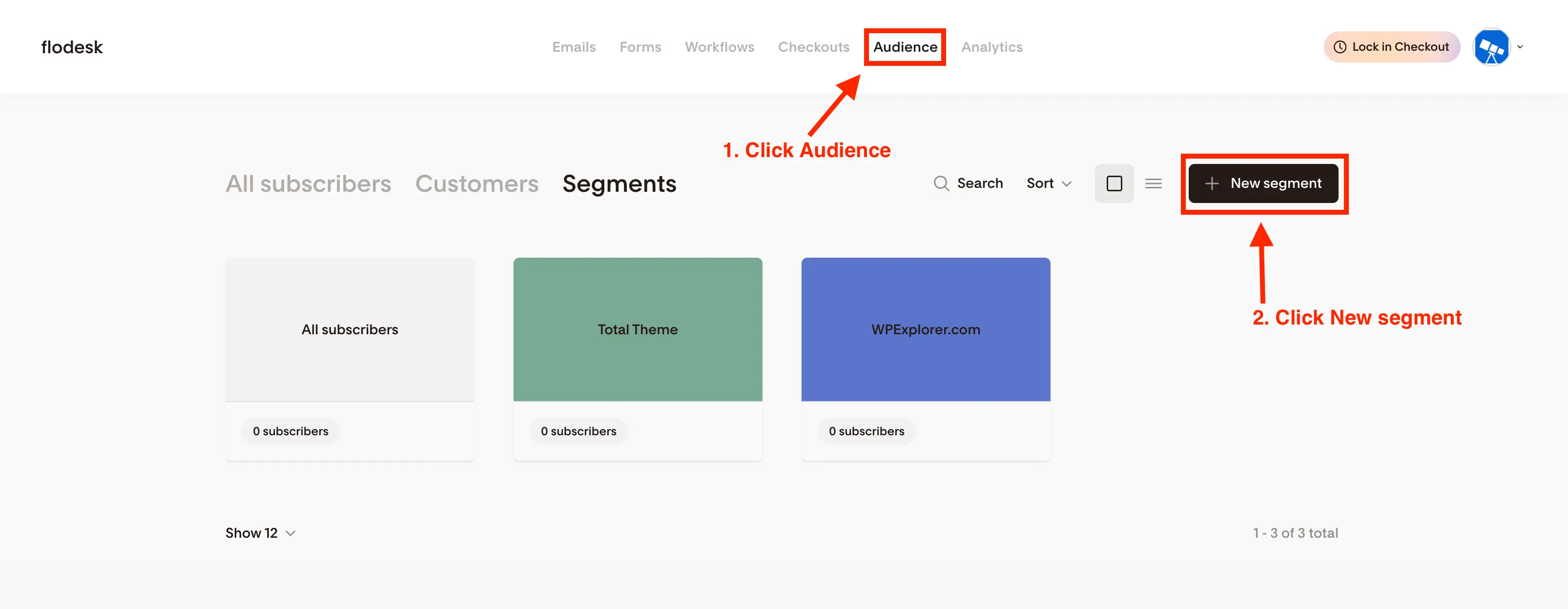
With the sanitized CSV and defined segments ready, the import process is relatively straightforward. Within the Flodesk interface, you will be prompted to map your CSV columns to the platform’s contact fields. This is where you can assign custom fields to any unique data points—such as "Member Rating" or "Signup Date"—that you wish to retain from your historical data.
Once initiated, the import may take time depending on the size of your list. You will receive an automated notification once the background process is complete, at which point you can verify the integrity of the data within your segments.
Supporting Data and Best Practices
Domain Warming: The Invisible Requirement
A common misconception is that once your list is imported, you can immediately send a "Hello!" blast to your entire subscriber base. Doing so is a fast track to being flagged as spam by ISPs (Internet Service Providers) like Gmail and Outlook.
When you switch platforms, your sending IP address changes. To ISPs, you are essentially a new sender. "Warming up" your domain is the process of gradually increasing your email volume to establish trust.
The Warming Protocol:
- Day 1-3: Send emails only to your most engaged subscribers (those with the highest historical open rates).
- Day 4-7: Gradually introduce segments of your audience that show moderate engagement.
- Day 8+: Expand to your full list.
By utilizing the "Member Rating" data exported from Mailchimp, you can identify your "super-fans" and ensure they receive the first communications from your new infrastructure. This creates positive engagement signals that tell ISPs your domain is reputable.
Official Industry Perspective
Industry experts consistently emphasize that "Email deliverability is a function of engagement, not just technology." While Flodesk provides the infrastructure, the responsibility for maintaining a clean, high-performing list remains with the sender.
According to recent email marketing white papers, high-volume senders who ignore the domain-warming phase face up to a 40% higher risk of landing in the "Promotions" or "Spam" folders. The shift from a legacy platform like Mailchimp to a modern provider like Flodesk is an ideal time to perform a "re-permissioning" campaign, where you ask your subscribers if they still wish to hear from you. This not only cleans your list but also boosts your overall engagement metrics.
Implications for Future Growth
The move to a flat-rate, feature-focused platform like Flodesk has profound implications for a content-driven business.
- Financial Predictability: As the WPExplorer.com newsletter expands, the cost of operations remains static. This allows for more aggressive reinvestment into content creation rather than platform overhead.
- Focus on Design and Simplicity: By eliminating the "noise" of complex automation workflows that were never utilized, the focus returns to what truly matters: the quality of the newsletter content and the direct relationship with the reader.
- Operational Agility: The intuitive nature of Flodesk’s UI means less time spent managing the software and more time crafting emails. For a lean team, this efficiency is a competitive advantage.
Final Thoughts
Migrating your email marketing stack is an intimidating prospect, but it is often necessary to scale a business effectively. By following a structured, data-driven approach—exporting, sanitizing, segmenting, and warming—you can transition your audience with minimal disruption.
If you are currently evaluating your email marketing costs and find yourself paying for features you don’t use, consider this a sign that it is time for a change. Taking the leap now can save you significant capital in the long run, and the process is far simpler than the fear of the unknown suggests.
If you’ve decided that it is time to make the switch, I encourage you to use the Flodesk referral link. It provides a significant discount on your first year of service while supporting the continued production of independent content here at WPExplorer.