










By Industry Desk
September 14, 2026
The traditional boundaries of the film industry—long defined by studio green-lights, theatrical distribution cycles, and the red carpets of the world’s most elite festivals—have officially shifted. This September, the fall film festival circuit, the historic gatekeeper of cinematic prestige, opened its doors to a new class of auteur: the digital creator.
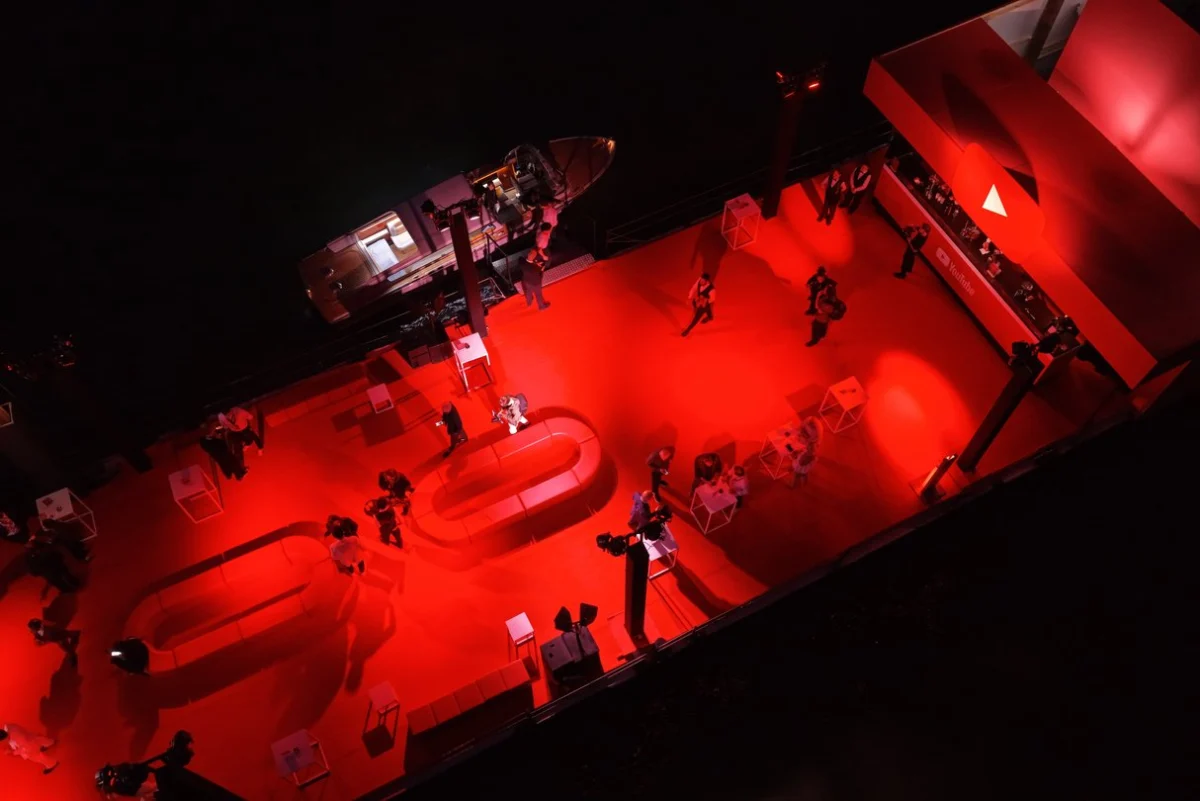
In a landmark move, YouTube debuted a high-profile slate of original creator-led programming simultaneously at two of the most prestigious gatherings in the world: the Venice International Film Festival and the Toronto International Film Festival (TIFF). This dual-pronged premiere signals more than just a collaboration; it marks the convergence of the "Studio System" and the "Creator Economy," proving that the next generation of blockbuster storytelling is being built on an open platform.
The Evolution of Prestige: A Paradigm Shift
For decades, Venice and Toronto have served as the launchpads for Academy Award-winning dramas and international arthouse breakthroughs. By integrating YouTube’s creator shows into their official programming, these institutions are acknowledging a fundamental reality: the definition of "independent film" has expanded.
The content showcased was not mere social media fodder. These were feature-length documentaries, high-production investigative series, and culturally resonant interview formats that rivaled the technical quality and narrative depth of traditional studio productions. The move effectively deconstructs the hierarchy that has long placed digital creators on the periphery of "serious" filmmaking.
Chronology of a Digital Takeover
The festival presence was meticulously curated to showcase the diversity of the YouTube ecosystem, moving from the high-stakes wilderness of the Galápagos to the intimate, rigorous traditions of the Middle East and the Himalayas.
The Toronto Kickoff
TIFF, often seen as the "People’s Festival," was the natural home for a mix of high-adventure documentary and sharp, culturally-conscious commentary.
- Opening Day: The festival gates opened to the premiere of Reef to Ridge, a feature-length documentary by Mark Vins of Brave Wilderness. The film, a high-stakes expedition, took viewers on a harrowing, visually stunning journey through the Galápagos Islands to document endangered species, demonstrating the immense technical prowess of YouTube-native production teams.
- Cultural Commentary: Following the documentary, comedian and provocateur Ziwe screened two new episodes of her widely acclaimed series, You’d Be an Iconic Guest. The episodes, noted for their sharp, subversive interview style, highlighted how YouTube has become the primary laboratory for modern, non-traditional talk show formats.
The Venice Lido
Across the Atlantic, the Venice International Film Festival—the world’s oldest film festival—provided a more somber, artistic backdrop for YouTube’s more experimental and ethnographic documentary works.
- Ethnographic Depth: The Italian creator duo known as theShow brought a profound sense of human connection to the Lido with The Last Day of Ramadan. The documentary, which explores the discipline and spiritual significance of fasting, offered a deeply personal look at a global tradition.
- Immersive Expedition: Lati Umani premiered The Mad Honey of the Himalayas, a film that epitomizes the "immersive" nature of digital-first storytelling. The documentary tracks the Gurung people of Nepal as they scale vertical cliffs to harvest rare, hallucinogenic honey, a feat of cinematography that stood toe-to-toe with any big-budget travelogue in the festival’s history.
- Artistic Collaboration: The showcase was rounded out by a unique collaboration: Rai Cinema presented Zhenia Kazankina’s short film City of Owls, a project that bridge-built the gap between traditional Italian cinema institutions and the digital distribution reach of YouTube.
Supporting Data: The Scale of the Creator Economy
The decision to feature these creators was not merely an aesthetic choice; it was a data-driven recognition of audience behavior. According to industry reports from 2025-2026, viewer engagement on long-form, cinematic-quality video on YouTube has seen a year-over-year growth of 40%.
The "Creator Economy" is no longer a niche market. It is an industry worth hundreds of billions of dollars, with creators frequently commanding larger, more loyal audiences than traditional television programs. By partnering with TIFF and Venice, YouTube is leveraging its massive reach—billions of monthly users—to provide a global distribution platform that is immediate, accessible, and devoid of the traditional "middleman" obstacles that have historically stifled independent filmmakers.

Official Perspectives: The Vision for the Future
The resonance of this event was echoed by industry leaders who see this as a turning point. Sean Downey, President of Americas & Global Partners at Google, was clear about the strategic importance of the collaboration:
"Partnering with TIFF and the Venice Film Festival to debut these incredible shows proves that YouTube creators aren’t just participating in the future of the industry—they are actively leading it," Downey stated. "YouTube is where this generation of entertainment is being built. Our creators are redefining storytelling across every screen, and by bringing these stories to the red carpet, we are validating the immense talent and professional rigor that exists within our community."
Festival organizers, too, have noted that the inclusion of these creators has invigorated the atmosphere of the festivals, bringing in younger, digital-native audiences who are just as interested in the process of content creation as they are in the finished product.
The Implications: What This Means for Cinema
The "Studio System" has long relied on scarcity and gatekeeping to build value. YouTube, conversely, relies on abundance and accessibility. The merging of these two philosophies carries significant implications:
1. Democratization of Distribution
For a filmmaker, the festival circuit was once the only way to gain legitimacy and distribution. Now, that path is becoming a feedback loop. Creators are using YouTube to build massive, proven audiences, and festivals are using those creators to stay relevant. This suggests a future where "going viral" is a legitimate entry point into the highest levels of the film industry.
2. Redefining "Production Value"
The technical quality of the screened films—particularly the cinematography in The Mad Honey of the Himalayas and the sound design in Reef to Ridge—dismantled the outdated argument that "YouTube content" is inherently lower in quality than studio-backed projects. As camera technology becomes more accessible and creator budgets scale, the barrier to entry for high-end cinematic production has effectively vanished.
3. The Death of the "Second-Class Citizen"
Historically, creators were often relegated to "digital panels" or secondary roles at festivals. By allowing these shows to be screened in the same theaters and discussed in the same forums as traditional studio films, Venice and Toronto have stripped away the stigma associated with the term "YouTuber." They are now, simply, filmmakers.
Conclusion: A New Era of Storytelling
As the lights dimmed in Toronto and the waves lapped against the docks of the Venice Lido, it became clear that the festival circuit had been fundamentally altered. The inclusion of creator-led shows is not a temporary trend or a PR stunt; it is the natural evolution of an industry that is finally catching up to the way the world consumes stories.
The success of these premieres suggests that the future of cinema will not be dictated by a single gatekeeper, but by the creators who have spent years learning how to capture, hold, and respect the attention of a global audience.
See you on the festival circuit—where the red carpet is now just as likely to be found on a screen in your pocket as it is in a theater in Venice.



