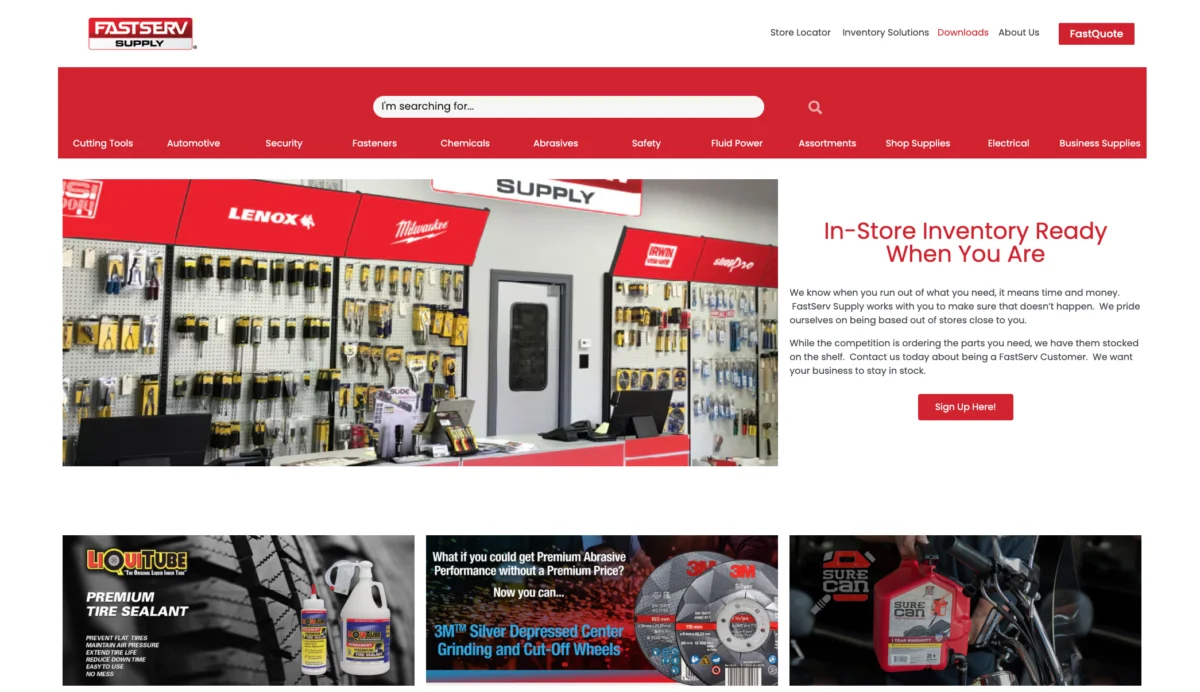
Distribution Solutions Group (DSG) has set its sights on a significant expansion of its North American footprint, announcing a definitive agreement to acquire GradeEight Holdings LLC. The strategic move, which encompasses both the Winzer Corporation and FastServ Supply, signals a major push by DSG to bolster its physical presence and digital commerce capabilities within the maintenance, repair, and operations (MRO) sector.
By integrating GradeEight’s extensive franchise network and specialized distribution infrastructure, DSG is positioning itself as a dominant force in the fragmented MRO market. The transaction, expected to close by the end of the fourth quarter of 2026, represents a transformative chapter for both entities as they seek to capitalize on shifting B2B purchasing trends.
The Strategic Rationale: Why DSG is Doubling Down on MRO
At its core, the acquisition of GradeEight is a tactical play to deepen DSG’s market penetration. GradeEight brings to the table a robust, differentiated on-site service model that has historically yielded a highly loyal customer base.
For DSG, this acquisition is not merely about adding top-line revenue; it is about infrastructure synergy. GradeEight operates a unique business model through Winzer Corporation, which manages a network of 270 franchisees across the United States. These franchisees serve as the "boots on the ground," providing a high-touch, consultative sales experience that is increasingly rare in the commoditized MRO industry.
J. Bryan King, Chairman and CEO of Distribution Solutions Group, highlighted the cultural and operational alignment during the announcement. “GradeEight, through its Winzer and FastServ Supply businesses, has successfully built a differentiated on-site business,” King noted. “Their complementary capabilities, broad marketplace coverage, and established presence enhance DSG’s platform and our ability to serve customers across key regions.”
By absorbing these assets, DSG gains access to a sophisticated supply chain and an entrenched sales force that understands the granular needs of MRO customers—ranging from industrial manufacturers to facility management firms.
Chronology and Financial Framework
The journey toward this acquisition follows a period of aggressive digital transformation for DSG. Throughout 2025 and 2026, the company has prioritized the modernization of its ecommerce ecosystem.
- 2025-2026: DSG executes a series of initiatives designed to scale its digital storefronts and omnichannel service capabilities.
- Late 2026 (Announcement): DSG officially announces the intent to acquire GradeEight Holdings, revealing that the deal will be funded through a strategic blend of cash and credit facilities.
- Q4 2026 (Target): The expected close of the transaction, pending standard regulatory approvals and closing conditions.
Financially, the deal is significant. GradeEight brings roughly $110 million in annual sales to DSG’s portfolio. This infusion of revenue, coupled with the potential for cross-selling opportunities between GradeEight’s franchisees and DSG’s existing subsidiary, Lawson Products, provides a clear roadmap for long-term value creation.
Expanding the Digital and Physical Footprint
A key driver of this merger is the acceleration of DSG’s digital commerce agenda. The company plans to fold the existing Winzer and FastServ Supply ecommerce platforms into its own digital infrastructure. This move is designed to create a more unified customer experience, allowing clients to transition seamlessly between ordering from local franchisees and utilizing DSG’s robust online portal.
The physical assets acquired in the deal are equally critical. Winzer contributes distribution facilities in Texas and Michigan, which will provide immediate logistical support to DSG’s existing network. Furthermore, FastServ Supply’s eight physical storefronts—located strategically in Arkansas and Texas—offer immediate entry points into regional markets that may have been underserved by DSG’s previous footprint.
This hybrid approach—maintaining a physical store presence while aggressively scaling ecommerce—reflects the modern "phygital" reality of B2B distribution. Customers want the convenience of online procurement for standard MRO supplies, but they still require the expert, in-person consultation provided by local store associates and franchisees.
Official Responses and Corporate Sentiment
The leadership teams at both companies have expressed optimism regarding the integration. For GradeEight, joining the DSG family represents a transition from a standalone player to part of a broader, more resourceful industrial conglomerate.
Cody Patterson, CEO of GradeEight Holdings, emphasized the growth potential for his team and their partners. “This transaction represents an exciting new chapter for GradeEight,” Patterson stated. “By joining DSG and working alongside the Lawson Products team, we gain access to expanded resources, product categories, and operational capabilities that will benefit our customers and supplier partners.”
Patterson’s focus on the "Lawson Products" synergy is telling. Lawson, a well-known name in the MRO space, offers a massive catalog and established distribution channels. By aligning GradeEight’s franchise model with Lawson’s institutional product depth, the combined entity creates a powerhouse capable of serving everything from small-scale maintenance tasks to large-scale industrial projects.
DSG’s leadership remains equally focused on the human element of the merger. CEO J. Bryan King noted, “We are excited to invest in tools, products, and other growth opportunities for its franchisees and FastServ locations to deepen engagement with their customers.” This statement signals that DSG intends to maintain, if not expand, the franchise model, recognizing that the strength of the business lies in the relationships the franchisees have spent years cultivating.
Implications for the MRO Industry
The consolidation of GradeEight into the DSG portfolio is indicative of a broader trend within the B2B distribution sector. As supply chains become more complex and the demand for rapid, on-demand MRO products grows, companies are looking to scale their reach through both M&A and digital transformation.
1. Increased Competition
As DSG expands, competitors in the MRO space—particularly those relying on older, legacy business models—will face increased pressure. The ability to offer a seamless digital ordering experience backed by a massive, high-touch physical franchise network is a significant competitive advantage.
2. The Rise of the Hybrid Model
The acquisition reinforces the viability of the hybrid distribution model. Companies that can bridge the gap between high-touch local service and the efficiency of a national ecommerce platform are likely to capture a larger share of the market.
3. Supply Chain Resilience
By adding distribution facilities in Texas and Michigan, DSG is effectively shortening the "last mile" for many of its customers. In an era where supply chain volatility is a constant concern, the ability to maintain local inventory is a major selling point for industrial clients who cannot afford downtime.
Looking Ahead: The Future of DSG
As the market looks toward the end of 2026, all eyes will be on the integration process. Merging a franchise-based business like GradeEight with a corporate entity like DSG carries inherent challenges, particularly in maintaining the unique local culture of the franchises while standardizing operations under the DSG umbrella.
However, the financial backing of $110 million in annual revenue and the clear strategic vision of leadership suggest that the company is well-prepared for the transition. If successfully executed, this acquisition will likely serve as a blueprint for future growth, cementing Distribution Solutions Group’s status as an essential partner for North American industrial operations.
For the franchisees and employees of GradeEight, the deal offers a stable future with access to broader capital, more extensive product lines, and a more robust digital ecosystem. For the industry at large, it is a clear reminder that in the world of B2B commerce, the most successful companies are those that can effectively combine the strength of physical infrastructure with the efficiency of modern digital tools.