










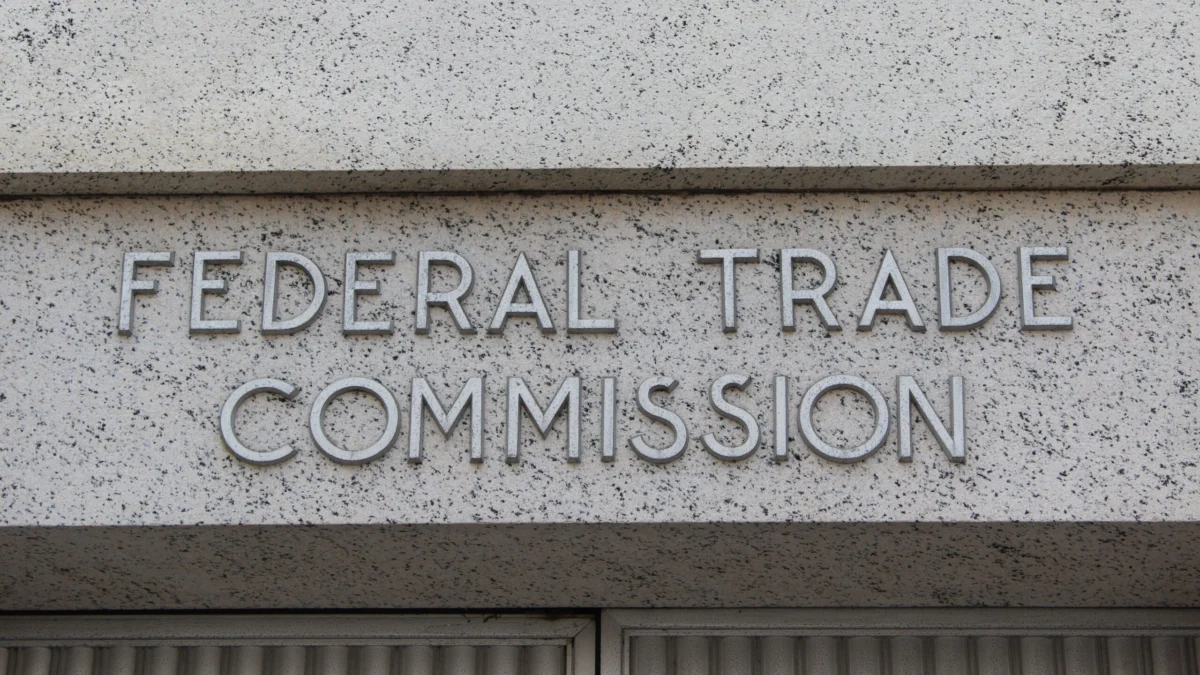
WASHINGTON — In a sweeping crackdown targeting predatory online operations that prey on vulnerable internet users, the Federal Trade Commission (FTC) has launched a federal lawsuit against businessman Dmitry Belkin and a sprawling network of 12 companies. The regulatory body accuses Belkin and his digital privacy enterprises of orchestrating a multi-million-dollar scam that preyed on victims of online romance scams and sextortion.
Operating under ominous names like Digital Forensics Corp., 1st All Data Recovery, and Remote Backup Corp., Belkin’s network allegedly siphoned at least $60 million from distressed consumers since at least 2020. Rather than providing the advertised cybersecurity and crisis management services, the companies allegedly deployed aggressive scare tactics, delivered fraudulent reports, and systematically blocked refunds, leaving traumatized victims even deeper in financial and emotional distress.
Main Facts of the Case
The federal complaint, filed in an Ohio federal court earlier this month, outlines a calculated enterprise designed to exploit the acute panic of individuals targeted by sextortionists—criminals who threaten to publish explicit or nude photographs unless ransoms are paid.
Belkin’s enterprises bought prominent advertising real estate across high-traffic platforms including Google, YouTube, and X (formerly Twitter). When desperate users searched for emergency help to stop a sextortion campaign, they were frequently directed to sites like BlackmailHelpline.com and DigitalForensics.com.
According to the FTC, the core components of the alleged fraud include:
- Phantom Services: Customers paid thousands of dollars for "Phase 1" intervention packages—ranging from $1,499 to $20,000—under the false promise that digital experts would track the criminals, coordinate with law enforcement, and stop the dissemination of explicit media. In reality, employees often did little more than take over the victim’s social media account, block the hacker, and generate fabricated chat transcripts.
- The "Phase 2" Upsell: Once victims were hooked, the companies aggressively pressured them into paying for ongoing, high-cost monitoring packages that allegedly provided zero actual technical protection.
- Exploitation of Law Enforcement Distrust: The companies routinely lied to customers, asserting that local and federal law enforcement agencies would not help them, and telling victims that contacting the police was "the last thing you want to do."
- Systematic Review Suppression: To protect their brand image, Belkin’s network set up a fake Better Business Bureau (BBB) website to intercept complaints, flooded their own pages with fabricated positive reviews, and even went so far as to hire rideshare drivers to stage and post fake photo testimonials.
Chronology and Operations: How the Scheme Unfolded
While the FTC’s complaint focuses heavily on practices dating back to 2020, the mechanics of Belkin’s operation reveal a sophisticated, assembly-line approach to consumer victimization.
1. The Point of Crisis and Exploitation
When a victim experienced a sextortion attack, their psychological vulnerability was immediately weaponized by Belkin’s telemarketing staff. Internal scripts obtained by the FTC show that employees were specifically trained to stoke intense fear regarding professional ruin, social ostracization, and legal ruin.
Employees were required to check off boxes confirming they had used targeted, high-anxiety keywords during sales calls, such as "devastating consequences," "life altering," and "no coming back after this." Sales representatives frequently invoked the specter of child exploitation—implying that blackmailers could alter photos to involve minors—prompting victims to empty their savings accounts out of sheer panic.
Scripted dialogue highlighted in the lawsuit reads: "I’ve seen these situations ruin people’s retirement all from the accusation of being a child predator… We need to make sure nothing gets posted."
Furthermore, sales reps probed into sensitive personal areas, asking vulnerable customers probing questions about whether their marriages were "on the rocks" or if they had young children who could become embroiled in custody disputes if the explicit material surfaced.
2. The Illusion of Remediation
Once a victim signed a contract for Phase 1 services, the actual "work" performed by the companies was largely smoke and mirrors. Rather than deploying sophisticated forensics to unmask international cybercriminals, employees merely changed account privacy settings, blocked the extorting accounts, and relied on pre-saved, generic geolocation coordinates to fool consumers into believing active tracking was taking place.
To maintain the illusion of success, the firms generated entirely fabricated transcripts, assuring clients that the threat had been neutralized or that the extortionist had backed down.
3. Financial Trap and Silencing Dissent
Victims who realized they had been defrauded and requested refunds were routinely denied. Those who tried to cancel ongoing monthly payment plans were told they were legally bound to the contract.
When unhappy consumers attempted to voice their grievances online, Belkin’s network deployed a multi-layered defense strategy:
- Directing disgruntled clients to a counterfeit Better Business Bureau website controlled by the operators.
- Offering partial refunds strictly conditioned on the signing of ironclad non-disparagement agreements.
- Utilizing aggressive collection tactics, threatening to contact the victims’ personal networks or employers if remaining balances were not paid.
Supporting Data and Evidence
The scale of the alleged operation is highlighted by both the financial figures cited by regulators and the harrowing accounts left by consumers on legitimate review platforms.
- $60 Million in Illicit Revenue: Federal investigators estimate that Belkin’s network of 12 distinct corporate entities has raked in at least $60 million from unsuspecting victims since 2020.
- The Better Business Bureau Backlog: Despite efforts to suppress negative feedback, the legitimate Better Business Bureau profile for Digital Forensics Corp. remains inundated with complaints. A filing from August detailed how a customer signed a contract in 2023 "out of sheer panic and fear" and continued to make payments simply because "they had my personal information and would contact me if I didn’t pay."
- Trapped Consumers: Another June consumer review described being aggressively pressured into a 2024 contract. When the customer attempted to cancel, they were told they "could not close the account and must continue making payments." While the company often responded to public complaints within days offering "alternative" settlement terms, the underlying business model remained fundamentally coercive.
Official Responses and Legal Actions
The Federal Trade Commission is seeking a permanent injunction to halt Belkin and his 12 corporate entities from engaging in digital security marketing, telemarketing, and consumer-facing operations altogether. In addition to shutting down the network, the FTC is asking the court to mandate monetary relief, which would include consumer redress and the forfeiture of ill-gotten gains.
Legal representation for Dmitry Belkin has maintained a stark silence regarding the allegations. Requests for comment sent directly to Belkin’s personal LinkedIn account and his designated legal counsel went entirely unreturned prior to publication.
The lawsuit highlights an ongoing regulatory challenge: how federal authorities can effectively police predatory companies that exploit the gaps between emerging cybercrimes (such as AI-driven sextortion and romance scams) and legitimate incident response services.
Broader Implications for the Cybersecurity Industry
The legal action against Belkin and his companies underscores a darker side of the burgeoning "reputation management" and private digital forensics industries. As sextortion and online blackmail cases skyrocket globally—costing victims tens of millions of dollars annually—an unregulated ecosystem of predatory "vulture" companies has emerged.
1. Erosion of Trust in Private Security
Legitimate digital forensics and incident response (DFIR) firms play a vital role in helping victims navigate breaches, ransomware, and online extortion. However, high-profile enforcement actions like the FTC’s lawsuit against Belkin threaten to erode public trust across the entire sector. Consumers in panic-driven crises may find it increasingly difficult to distinguish between licensed, ethical cybersecurity professionals and exploitative scam operations.
2. Greater Scrutiny on Digital Ad Platforms
The case also places renewed pressure on tech giants like Google, Meta, and X. Because Belkin’s companies relied heavily on paid search advertisements and social media algorithms to capture victims at their lowest points, regulators are increasingly examining the responsibilities of platform operators in vetting advertisers who offer sensitive, emergency-response services.
3. A Warning to Exploitative Operators
For bad actors operating in the privacy and crisis-management space, the FTC’s multi-million-dollar asset freeze and permanent injunction requests serve as a severe warning. Federal regulators are demonstrating an increased willingness to dismantle entire networks of shell companies that weaponize consumer fear, utilize deceptive telemarketing, and silence victims through manufactured web reviews.
As the case proceeds through the federal court system, consumer advocacy groups continue to urge anyone targeted by sextortion to contact local law enforcement or the FBI’s Internet Crime Complaint Center (IC3) directly, rather than relying on unverified internet search results for emergency remediation.



